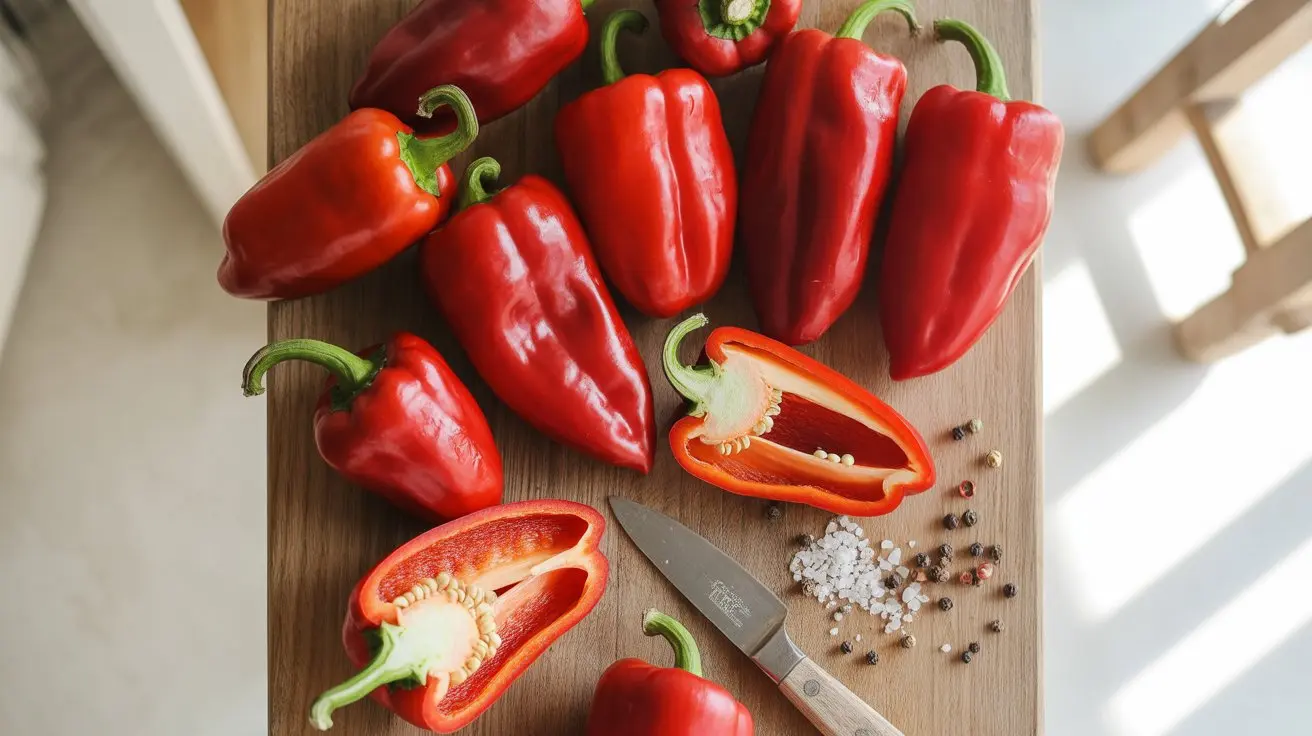
7 Pot Katie

The 7 Pot Katie hits 800,000–1,200,000 SHU — putting it squarely in super-hot territory alongside the most extreme peppers grown today. What separates it from the pack is a genuinely bright, fruity flavor that arrives before the heat does. At up to 240 times hotter than a jalapeño, this wrinkled C. chinense variety rewards cooks who want both fire and flavor.
- Species: C. chinense
- Heat tier: Super-Hot (1M+ SHU)
- Comparison: 240x hotter than a jalapeño
What is 7 Pot Katie?
Most super-hots sacrifice flavor for heat. The 7 Pot Katie refuses that trade.
At 800,000–1,200,000 SHU, it sits at the upper boundary of what the C. chinense species produces — sharing that range with the scorching fruity character of the 7 Pot Jonah's heat profile and other elite varieties. But the Katie's flavor profile is what gets attention: bright, almost tropical fruitiness that leads before the capsaicin fully lands.
The pods are visually unmistakable — heavily wrinkled skin, irregular shape, and a texture that signals serious heat to anyone who knows what they're looking at. Colors shift from green through orange to red at full maturity, with the red stage delivering peak SHU and the richest flavor.
This is an American-developed variety, bred within the enthusiast community that has driven super-hot innovation over the past two decades. It carries the classic 7 Pot lineage — a family of Trinidadian-origin peppers named for the claim that one pod could heat seven pots of stew. The Katie branch took that heat and added a culinary dimension that makes it genuinely useful in the kitchen, not just a heat challenge.
For hot sauce makers, the fruit-forward flavor makes it a better base than many competitors at similar SHU levels. The heat is real and sustained, but it doesn't completely erase everything else.
History & Origin of 7 Pot Katie
The 7 Pot family traces back to Trinidad's pepper-growing tradition, where intensely hot, wrinkled peppers have been cultivated for generations. The name references a folk claim — one pepper heating seven pots of food — that speaks to the respect (and caution) these varieties command in Caribbean cooking.
The Katie variant emerged from American pepper breeding circles, where hobbyists and small-scale growers began selecting and stabilizing distinct phenotypes from 7 Pot stock. Exact origin documentation is sparse, as many community-bred super-hots developed informally through seed sharing and private grows.
By the early 2010s, multiple 7 Pot variants — including those with fruity yellow-pod characteristics suited to specific kitchen uses — had established themselves as distinct varieties. The Katie joined this lineage as a selection prized for flavor alongside heat, reflecting a broader shift in the super-hot community toward culinary quality rather than raw SHU alone.
How Hot is 7 Pot Katie? Heat Level & Flavor
The 7 Pot Katie delivers 800K–1.2M Scoville Heat Units, placing it in the Super-Hot tier (1M+ SHU). That makes it roughly 240x hotter than a jalapeño.
Flavor notes: fruity and bright.
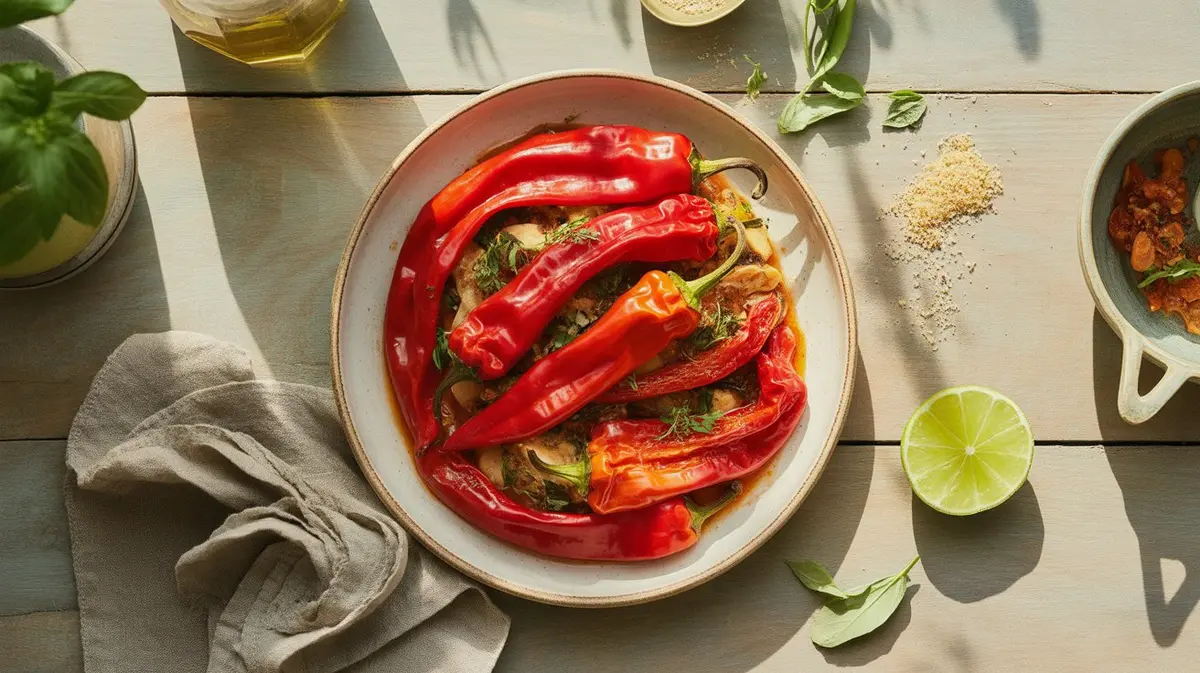
7 Pot Katie Nutrition Facts & Health Benefits
Like other C. chinense super-hots, the 7 Pot Katie delivers meaningful nutrition alongside serious heat. Fresh pods are high in vitamin C — often exceeding 100mg per 100g, which outpaces many sweet peppers. Vitamin A (from beta-carotene) is present in significant amounts, particularly in fully ripe red pods.
Capsaicin itself has been studied for anti-inflammatory properties and potential metabolic effects, though the quantities consumed from super-hots are small. Capsaicinoids in the 800K-1.2M SHU range are concentrated enough that even tiny amounts contribute to those documented effects.
Calories are negligible — fresh peppers run roughly 30-40 calories per 100g.
Best Ways to Cook with 7 Pot Katie Peppers
The 7 Pot Katie works in the kitchen in ways that many super-hots simply don't.
That bright, fruity flavor makes it a natural fit for hot sauces where you want complexity — mango-based sauces, pineapple salsas, or vinegar-forward Caribbean-style condiments. The fruitiness complements rather than fights tropical ingredients. Start with one pod per quart of sauce if you're heat-sensitive; experienced palates can push to two.
Drying and grinding is another strong application. A homemade powder following a solid chili powder preparation method captures both the heat and the fruity notes in a shelf-stable form. Use it anywhere you'd reach for ghost pepper powder, but expect a brighter, less smoky result.
For rehydrating dried pods, the technique for rehydrating dried peppers works well here — soaking in warm water for 20-30 minutes before blending into pastes or sauces.
The wrinkled pods have good flesh thickness, which means they hold up reasonably well when fermented. A simple salt ferment (2-3% salt by weight) over two to three weeks produces a mash with complex acidity that pairs with the pepper's natural fruitiness.
Compared to the deep heat and distinctive pod structure of some 7 Pot Red Giant selections, the Katie skews slightly brighter in flavor — useful when you want the heat without a heavier, earthier profile.
Where to Buy 7 Pot Katie & How to Store
Fresh 7 Pot Katie pods are rarely found in retail — specialty pepper vendors, farmers markets, and online growers are your best sources during late summer and fall harvest season. Look for pods with fully developed color (deep red at peak), firm skin, and no soft spots.
Store fresh pods in the refrigerator in a paper bag or loosely wrapped — expect 1-2 weeks of shelf life. For longer storage, freeze whole pods; they retain heat and much of their flavor for up to a year. Dried pods keep 12-18 months in an airtight container away from light. Seeds are widely available from specialty seed suppliers for home growing.
Best 7 Pot Katie Substitutes & Alternatives
Whether you ran out of 7 pot katie or just want to try something different, these peppers make solid stand-ins. We picked them based on heat range, flavor overlap, and how well they actually work in the same dishes.
Our top pick: 7 Pot Red Giant (850K–1.2M SHU). Same species (C. chinense) and nearly the same heat, so it swaps in at a 1:1 ratio without changing the character of the dish. The flavor leans fruity and smoky, which is close enough that most people won’t notice the difference in a cooked recipe.
How to Grow 7 Pot Katie Peppers
Growing the 7 Pot Katie follows the same demanding path as most C. chinense super-hots — long season, high heat requirements, and patience.
Start seeds 10-12 weeks before last frost. Germination needs consistent soil temps of 80-85°F; a heat mat is essentially mandatory. Expect germination in 14-21 days, sometimes longer. Transplant outdoors only after nighttime temps reliably stay above 60°F.
Full sun is non-negotiable — minimum 6 hours, 8+ preferred. These plants want heat from both above and below. Raised beds with dark mulch help retain soil warmth in marginal climates.
Spacing at 24-30 inches gives the plants room to branch heavily. Mature plants can reach 3-4 feet with support. Stake or cage early; the fruit load on a productive plant will topple an unsupported stem.
Fertilize with lower nitrogen during fruiting to avoid pushing leaf growth at the expense of pods. A phosphorus-forward feed once flowering starts encourages fruit set.
For growers interested in comparing cultivation characteristics of white-podded 7 Pot variants, the Katie follows similar cultural requirements but fruits in the standard red-at-maturity pattern. Days to maturity runs 90-120 days from transplant — plan accordingly if your season is short.
Frequently Asked Questions
-
The 7 Pot Katie ranges from 800,000–1,200,000 SHU, while the ghost pepper (Bhut Jolokia) typically measures around 1,000,000 SHU. At its upper range, the Katie matches or slightly exceeds ghost pepper heat — making it a step up from what most people consider the threshold of extreme.
-
The flavor profile is notably fruity and bright — closer to tropical fruit than the earthier or smokier notes found in some other super-hots. This fruitiness makes it more versatile in cooking than its SHU numbers might suggest.
-
Yes, and it's one of the better super-hots for sauce-making precisely because the fruity flavor carries through the cooking process. It pairs particularly well with mango, pineapple, and vinegar-based sauce recipes — start with one pod per quart and adjust from there.
-
Expect 90–120 days from transplant to mature red pods, with seed starting needed 10–12 weeks before last frost. The full season from seed to harvest often runs 6 months or more, which is typical for C. chinense super-hots.
-
The 7 Pot family includes several distinct variants — the Katie is one selection within that lineage, bred for its specific flavor and pod characteristics. It shares heat range overlap with varieties like the similarly scorching, wrinkle-podded primo-type super-hots but is considered a separate stabilized variety.
- Chile Pepper Institute — Capsicum Species Overview
- USDA Plant Database — Capsicum chinense
- Refining Fire Chiles — 7 Pot Varieties
Species classification: C. chinense — based on published botanical taxonomy.