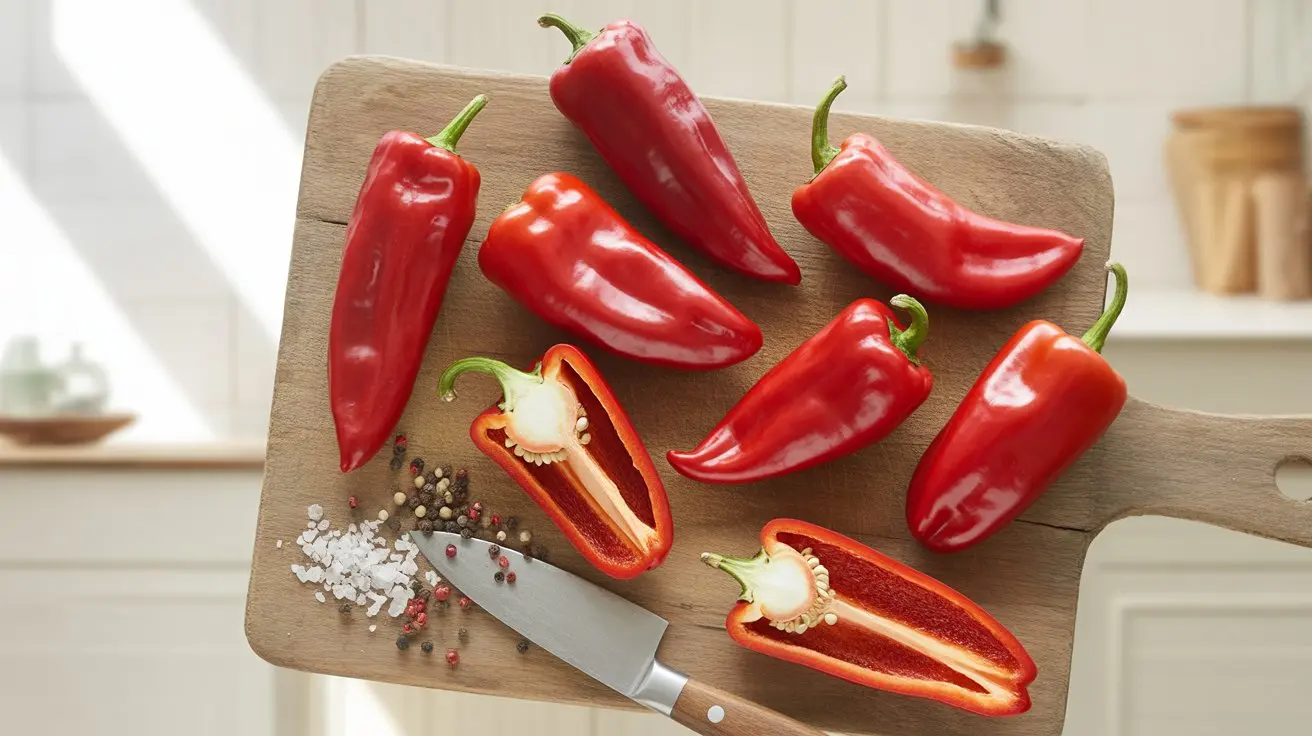
7 Pot Jonah

The 7 Pot Jonah is a Trinidadian super-hot clocking 800,000-1,200,000 SHU - roughly 4x hotter than a habanero. Its deeply wrinkled pods pack surprising fruity sweetness beneath the scorching heat, making it a favorite among hot sauce makers who want flavor alongside punishment. A true member of the super-hot tier that demands respect.
- Species: C. chinense
- Heat tier: Super-Hot (1M+ SHU)
- Comparison: 240x hotter than a jalapeño
What is 7 Pot Jonah?
Trinidad's pepper culture runs deep, and the 7 Pot Jonah sits near the top of that tradition. The name references the old Caribbean claim that a single pod could season seven pots of stew - a statement that undersells the Jonah's actual firepower.
At 800,000-1,200,000 SHU, this C. chinense variety sits comfortably among the world's most intense peppers. The pods are visually striking: heavily wrinkled, almost brain-like in texture, with a bumpy surface that signals serious heat to anyone familiar with super-hots.
What separates the Jonah from pure heat bombs is its flavor profile. Before the burn takes over, there's a genuine fruity sweetness - tropical notes that reflect its Caribbean origins. Hot sauce producers prize this quality because it adds complexity that pure capsaicin extracts can't replicate.
The pods typically ripen from green through orange to a deep red, with the red stage delivering peak heat and flavor simultaneously. Size runs larger than many 7 Pot variants, which partially explains the "Jonah" designation - this is a big, imposing pepper even within an already formidable family.
For context, that scorching fruity intensity of the Trinidad Scorpion Butch T shares similar SHU territory, though the Jonah's flavor profile skews sweeter.
History & Origin of 7 Pot Jonah
The 7 Pot Jonah traces its roots to Trinidad's indigenous pepper-growing tradition, where the regional pepper tradition has been cultivated for generations as both food and cultural identity.
The broader 7 Pot family likely descends from wild C. chinense varieties that Trinidadian farmers selected over centuries for heat and productivity. The Jonah variant gained recognition in the early 2000s as Western chiliheads began documenting Caribbean super-hots systematically.
Trinidadian home growers and market sellers had been working with these peppers long before formal SHU testing existed. The pepper's large pod size and distinctive wrinkling made it recognizable in local markets, where it was used in traditional pepper sauces alongside the Congo Trinidad's intense aromatic heat.
Formal documentation accelerated as the global hot pepper community expanded online, bringing Trinidadian varieties international attention they'd long deserved.
How Hot is 7 Pot Jonah? Heat Level & Flavor
The 7 Pot Jonah delivers 800K–1.2M Scoville Heat Units, placing it in the Super-Hot tier (1M+ SHU). That makes it roughly 240x hotter than a jalapeño.
Flavor notes: fruity and sweet.
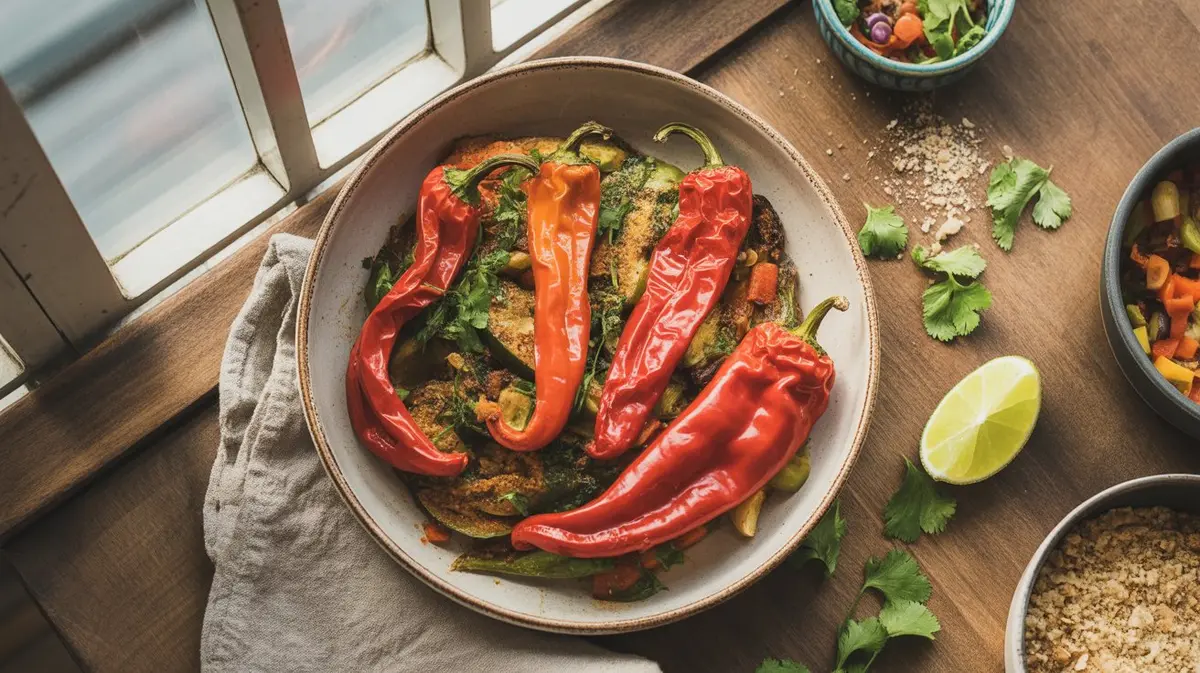
7 Pot Jonah Nutrition Facts & Health Benefits
Like other C. chinense super-hots, the 7 Pot Jonah delivers meaningful nutrition alongside its heat. Fresh pods are rich in vitamin C - ironically, the hottest peppers often contain the highest concentrations.
Capsaicin, the compound responsible for the burn, has documented anti-inflammatory properties and may support metabolic function according to research published in multiple nutrition journals.
The fruity flesh also provides vitamin A precursors (beta-carotene) and modest amounts of potassium and vitamin B6. Given that most people consume small quantities, these peppers function more as a flavor-and-heat delivery system than a primary nutrition source - but the benefits are real even in small doses.
Best Ways to Cook with 7 Pot Jonah Peppers
The Jonah's fruity sweetness opens it to more uses than its SHU range suggests - if you can manage the heat, there's real flavor to work with.
Fermentation is where this pepper truly shines. The natural sugars in the fruit interact beautifully with lacto-fermentation, producing hot sauces with layered complexity. The practical guidance on fermenting peppers applies directly here - salt ratios matter more with high-sugar varieties like this one.
For cooking applications, consider what the Jonah-style culinary approach of similar 7 Pot varieties demonstrates: small amounts go a long way. A quarter of one pod can heat an entire batch of salsa without overwhelming the other flavors.
Dried and powdered, the Jonah becomes a pantry weapon. The drying process concentrates both the heat and the fruity notes, making the powder more flavorful than many commercial super-hot powders.
Fresh pods work in Caribbean-style jerk marinades, where the fruity character complements allspice and thyme. Always wear gloves during prep - capsaicin transfer from cut pods to eyes or skin is genuinely painful at this heat level.
Pairing with acidic ingredients like mango or pineapple amplifies the tropical notes while slightly tempering the perceived heat.
Where to Buy 7 Pot Jonah & How to Store
Fresh Jonah pods appear at farmers markets and specialty grocers primarily from late summer through early fall, when the growing season peaks in temperate climates. Year-round availability depends almost entirely on specialty online retailers and growers who ship directly.
Dried pods and powder are easier to source consistently - look for reputable hot pepper vendors who specify the variety clearly.
Fresh pods keep 1-2 weeks refrigerated in a paper bag. For longer storage, freeze whole pods without blanching - they hold heat and flavor well for up to 12 months. Dried powder stays potent for 1-2 years in an airtight container away from light and heat.
Best 7 Pot Jonah Substitutes & Alternatives
Whether you ran out of 7 pot jonah or just want to try something different, these peppers make solid stand-ins. We picked them based on heat range, flavor overlap, and how well they actually work in the same dishes.
Our top pick: 7 Pot Red Giant (850K–1.2M SHU). Same species (C. chinense) and nearly the same heat, so it swaps in at a 1:1 ratio without changing the character of the dish. The flavor leans fruity and smoky, which is close enough that most people won’t notice the difference in a cooked recipe.
How to Grow 7 Pot Jonah Peppers
The Jonah follows the same general pattern as other Trinidadian super-hots, though its larger pod size means the plant needs more support during heavy fruit set.
Start seeds indoors 10-12 weeks before your last frost date. Germination runs 14-21 days at soil temperatures of 80-85°F - a heat mat is essentially non-negotiable. Check when to plant peppers for your specific zone before committing to a start date.
The cultivation characteristics of the 7 Pot Yellow offer a useful comparison: similar spacing requirements, similar water needs, but the Jonah generally produces fewer, larger pods per plant rather than a high-count smaller-fruit harvest.
Transplant after all frost risk passes, spacing plants 24-36 inches apart. Full sun is mandatory - these peppers evolved in the Caribbean and struggle below 6 hours of direct light daily.
Fertilize with a balanced feed through vegetative growth, then switch to a lower-nitrogen formula once flowering begins. Too much nitrogen produces lush foliage at the expense of pod development.
Days to maturity runs 90-120 days from transplant. The botanical family characteristics mean slow early growth followed by rapid pod development once temperatures stay consistently warm. Patience is the primary skill required.
Frequently Asked Questions
-
The 7 Pot Jonah ranges from 800,000-1,200,000 SHU, while a standard habanero tops out around 350,000 SHU - making the Jonah roughly 3-4x hotter. Most people who handle habaneros regularly are still genuinely surprised by the Jonah's intensity.
-
There's a distinct fruity sweetness in the first second or two - tropical notes that reflect its Caribbean origin. The heat builds quickly after that, but experienced tasters can distinguish the flavor complexity that makes this pepper valuable beyond pure heat.
-
No - the 7 Pot family includes multiple distinct varieties with different pod characteristics, colors, and slight flavor variations. The Jonah is distinguished by its larger pod size and heavier wrinkling compared to variants like the similarly scorching cream-colored 7 Pot White.
-
It's manageable but not ideal as a first super-hot grow - the long days to maturity (90-120 days) and heat requirements demand some experience with season management. Someone who has grown a peach-toned ghost-level heat pepper before will find the Jonah's requirements familiar.
-
Fermented hot sauce is the most popular application because the process amplifies the fruity notes while preserving the heat. Small amounts dried and powdered also work exceptionally well as a finishing spice where you want both heat and flavor complexity.
- Chile Pepper Institute - C. chinense Documentation
- USDA Agricultural Research Service - Capsicum Species
- Journal of Food Science - Capsaicin and Nutritional Properties
- Baker Creek Heirloom Seeds - 7 Pot Varieties
Species classification: C. chinense — based on published botanical taxonomy.