
Pepper Heat Levels
From sweet bell peppers at 0 SHU to world-record Pepper X at 2.6 million SHU. Five heat tiers covering 202+ varieties, one complete guide.
Carolina Reaper
Behind the Carolina Reaper's scorpion-tailed, wrinkled exterior is a flavor profile that catches first-timers completely off guard. The initial taste is genuinely fruity and sweet…
View Full Profile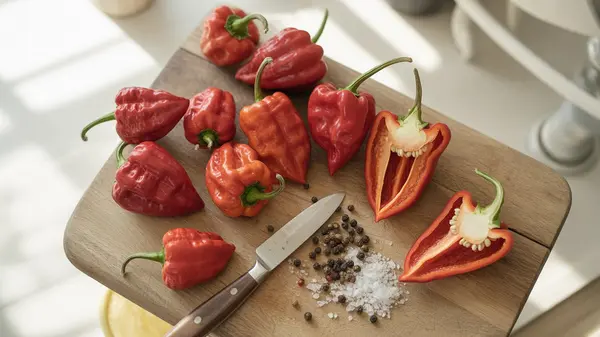
Choose Your Heat Level
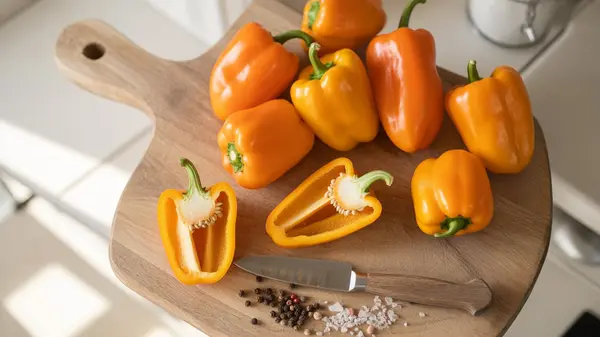
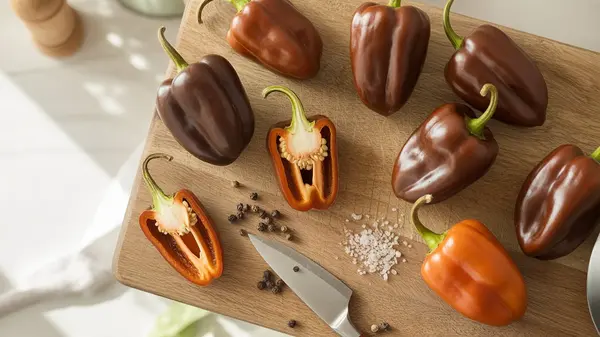
Sweet and approachable peppers perfect for everyday cooking.
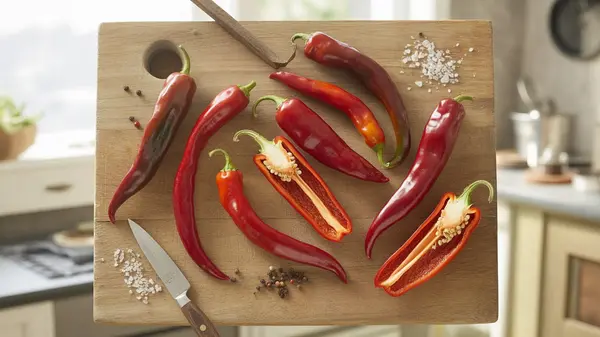
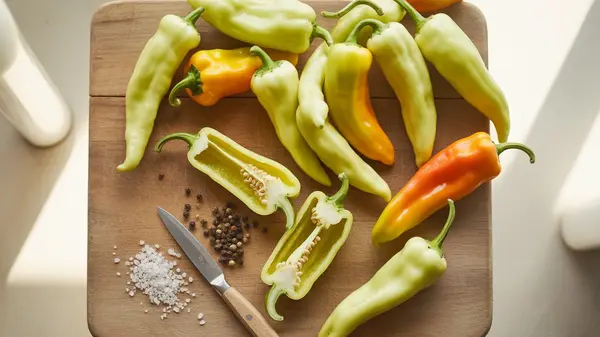
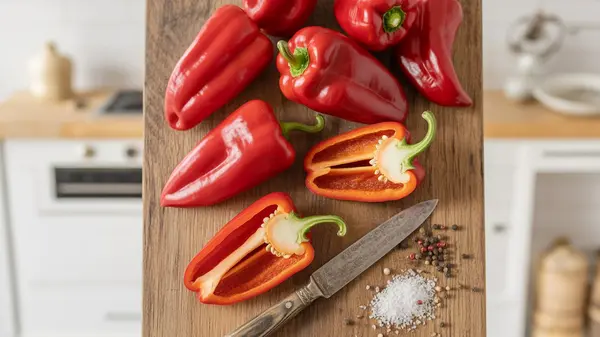
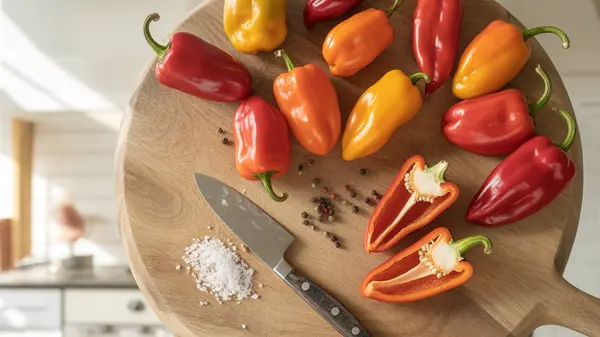
The versatile middle ground with noticeable but manageable heat.
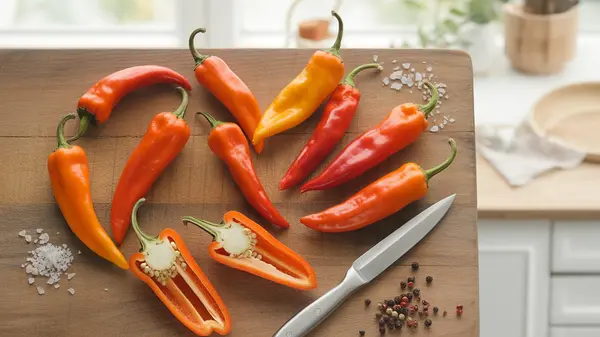
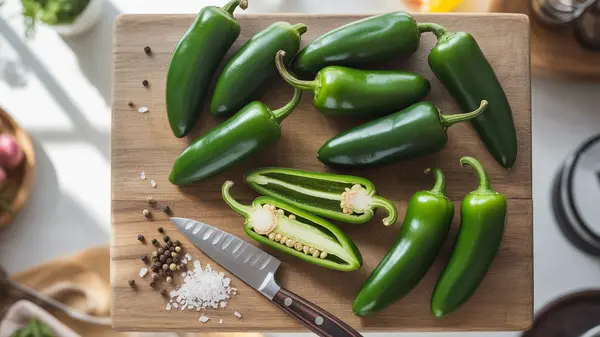
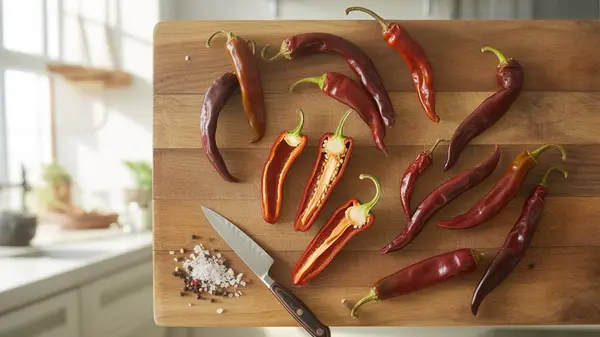
Serious heat that demands respect and careful handling.
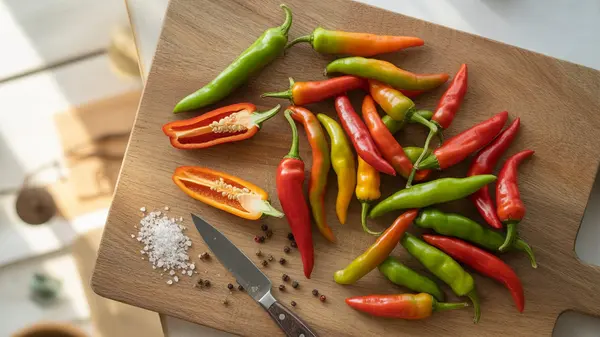
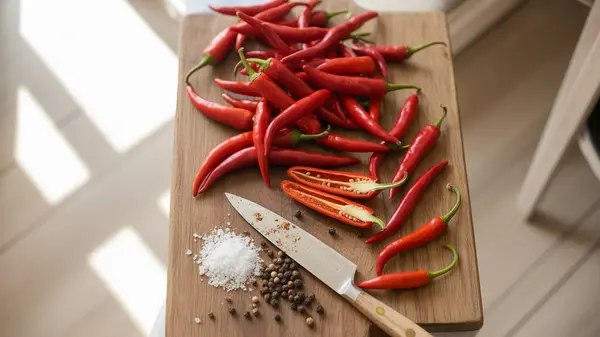
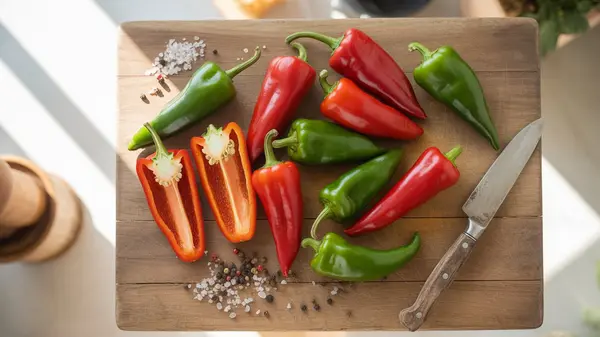
Extreme intensity for seasoned spice enthusiasts only.
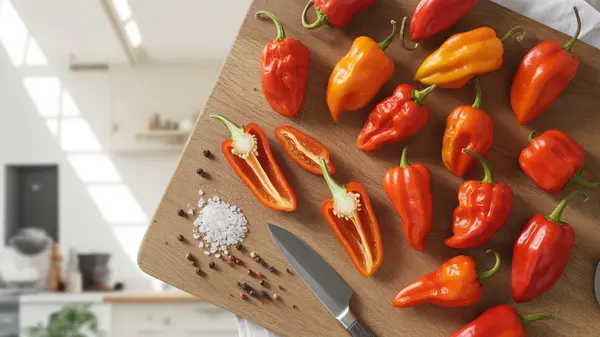
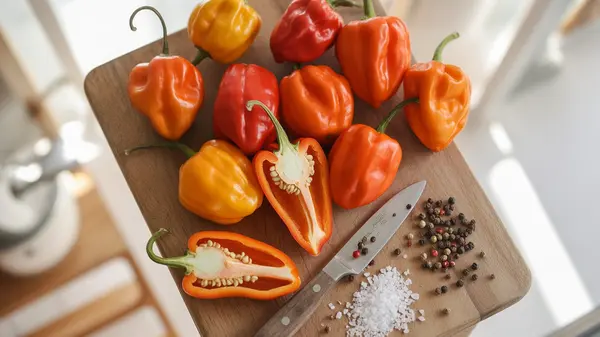
World-record heat levels that require extreme caution.
The Scoville Scale
Our five-tier classification system is based on the Scoville Heat Unit (SHU) scale, the international standard for measuring pepper pungency. Each tier represents a distinct range of capsaicin concentration, validated by the Chile Pepper Institute.
Scientific Testing
The original Scoville Organoleptic Test (1912) relied on human tasters. Modern labs use High-Performance Liquid Chromatography (HPLC) to precisely measure capsaicinoid concentration, then convert to Scoville units.
Explore More
Frequently Asked Questions
-
The Scoville scale measures the pungency (spiciness) of chili peppers in Scoville Heat Units (SHU). It was created by pharmacist Wilbur Scoville in 1912. The scale ranges from 0 SHU (bell peppers) to over 3 million SHU (Pepper X). Modern testing uses HPLC chromatography for precise measurements.
-
A pepper's heat comes from capsaicinoids, primarily capsaicin, concentrated in the placental tissue (white pith) near the seeds. Factors affecting heat include genetics (variety), growing conditions (stress increases heat), ripeness, and climate. The same variety can vary significantly in heat between plants.
-
Always wear nitrile gloves when handling super-hot peppers (350K+ SHU). Work in a well-ventilated area, avoid touching your face, and wash hands thoroughly after. If capsaicin burns occur, use dairy products (milk, yogurt) or vegetable oil to neutralize the heat — water spreads it around.
-
Yes, but adjust quantities based on heat differences. When crossing tiers, use less of the hotter pepper. For example, replace one serrano with half a habanero. Same-tier peppers (like habanero and scotch bonnet) can often swap 1:1. Use our Substitute Finder for exact conversion ratios.