What Can You Do With Chili Peppers in Everyday Meals?
Identify an unfamiliar chili before cutting it, then match its heat and wall thickness to the dish. Use crisp pods raw, blister sturdy green chilies, roast fleshy peppers, and simmer small amounts into sauces or beans. Separate unknown or superhot pods, add them gradually, and preserve only the extras you cannot cook while fresh.
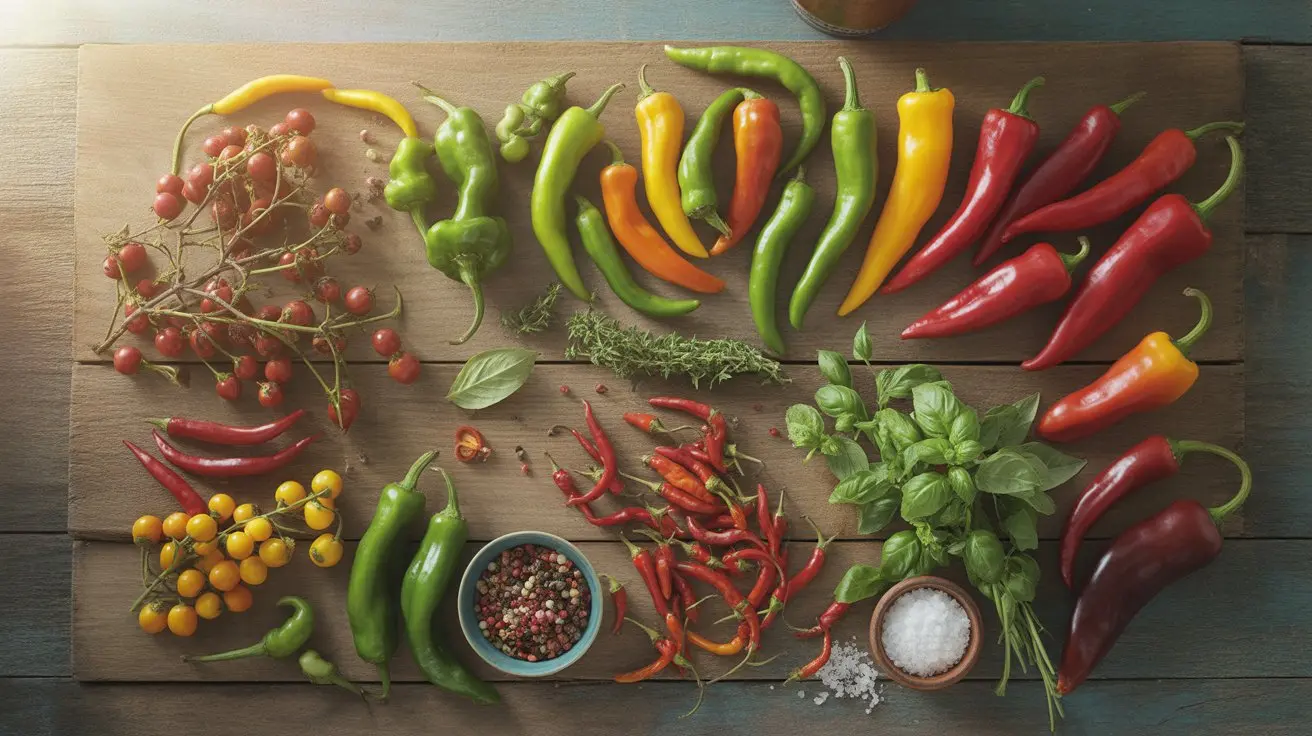
Fresh chili peppers can go into salsa, eggs, beans, noodles, curries, sandwiches, relishes, and roasted vegetable dishes.
The useful first decision is not finding one recipe. It is deciding how much heat the pod carries and which cooking method suits its structure.
A thick green chili can become a blistered side or a stuffed main, while one small hot pod may season several meals.
Start with the pepper in front of you, then choose the cut, cooking time, and dose that give the dish flavor without making the heat hard to control.
What kind of chili pepper do you have?
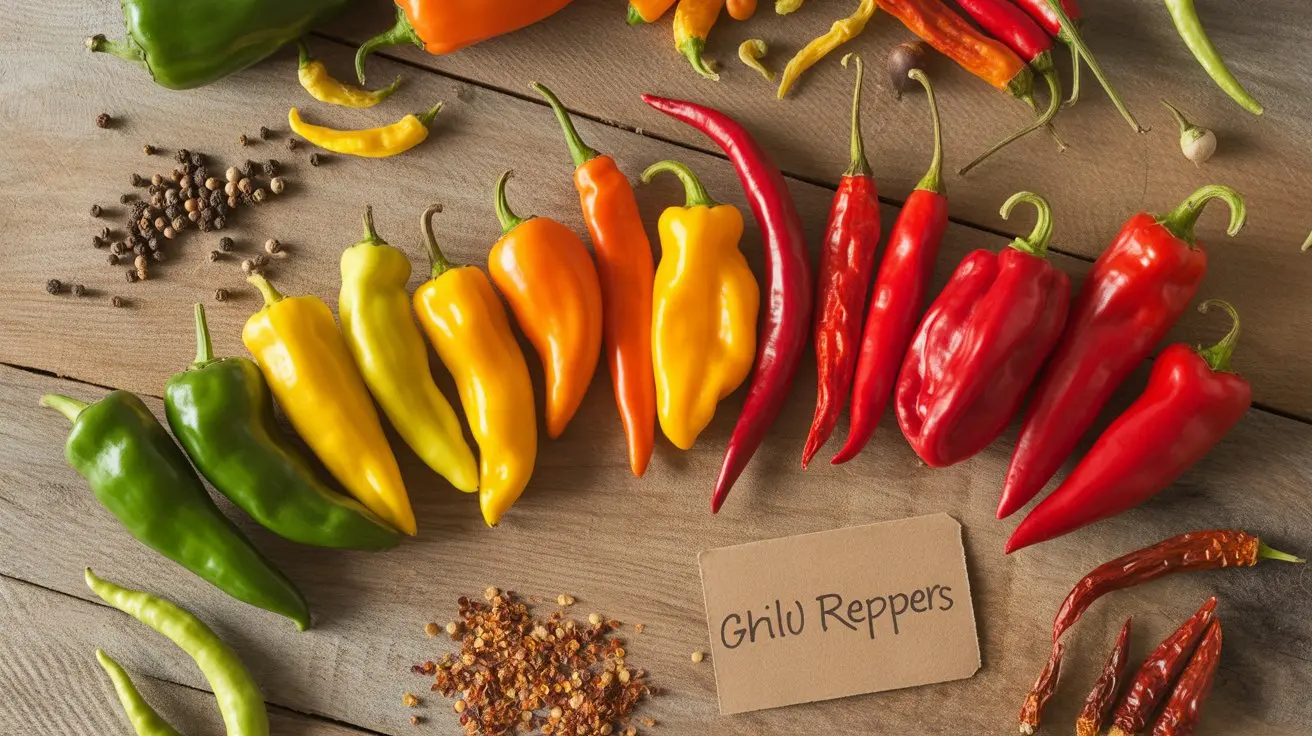
Check the label before you cut an unfamiliar chili. Michigan State University Extension notes that peppers with a similar appearance can differ greatly in heat, so a name from the grower or package is more useful than a guess based on color.
Color shows ripeness within one variety more reliably than it compares heat across different varieties.
A red sweet pepper can be mild, while a green serrano can be hot, so red does not automatically mean hotter.
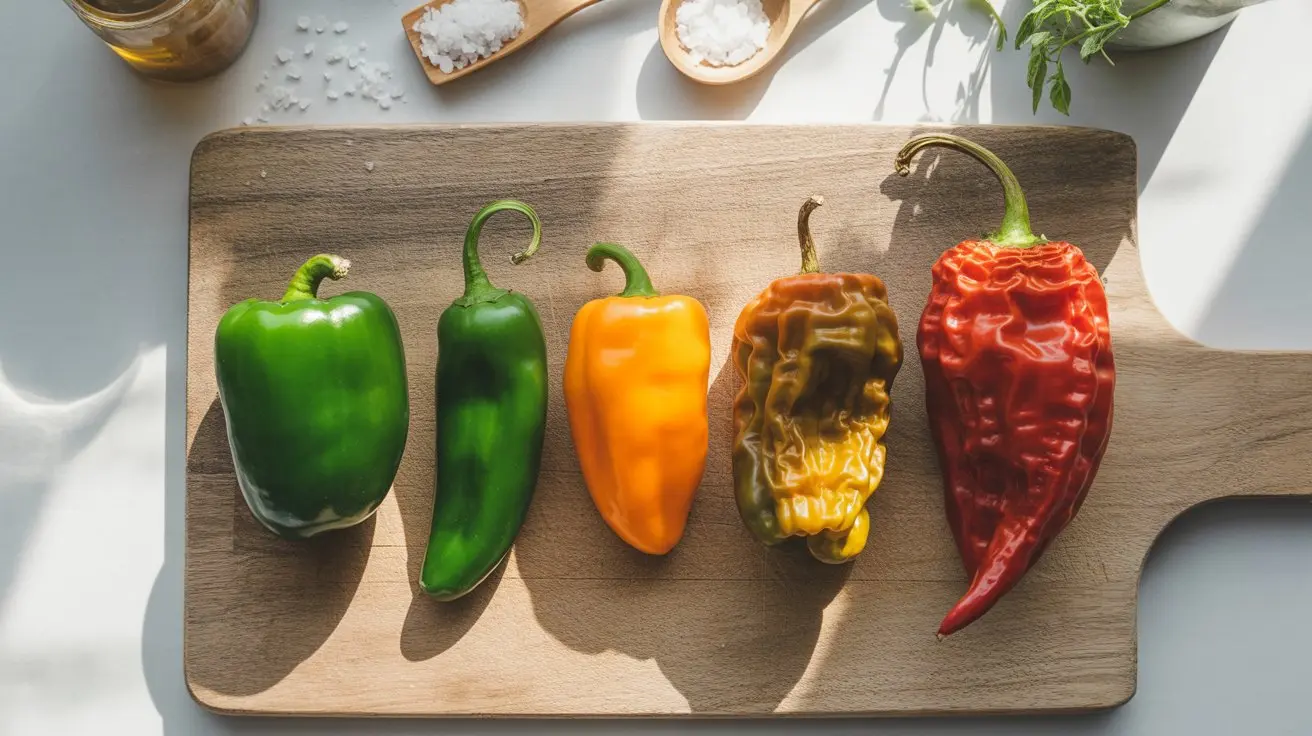
When the name is missing, use visible traits to choose a cautious first use. Wall thickness predicts texture, size affects portioning, and a wrinkled lantern shape is a reason to test a tiny amount before committing the whole pod.
| What you can observe | Likely cooking strength | Good first move |
|---|---|---|
| Large pod with thick, crisp walls | Holds shape under direct heat and supplies substantial flesh | Blister, roast, stuff, or slice into a sauté |
| Medium, smooth, firm pod | Balances crunch, flesh, and manageable portions | Use a few rings raw, then cook the rest |
| Long, slender, thin-walled pod | Cooks quickly and spreads through a dish when minced | Slice across the pod or simmer it whole |
| Small, wrinkled, lantern-shaped pod | May carry intense heat with a fruity aroma | Wear gloves, cut off a tiny sample, and dose by the teaspoon |
Known examples make the pattern easier to use. A fleshy poblano is built for roasting or stuffing, a firm jalapeno works raw or blistered, and a small habanero should be portioned for heat rather than treated as a one-pod serving.
Should you use chili peppers raw, blistered, roasted, or simmered?
Choose the method by the result you want.
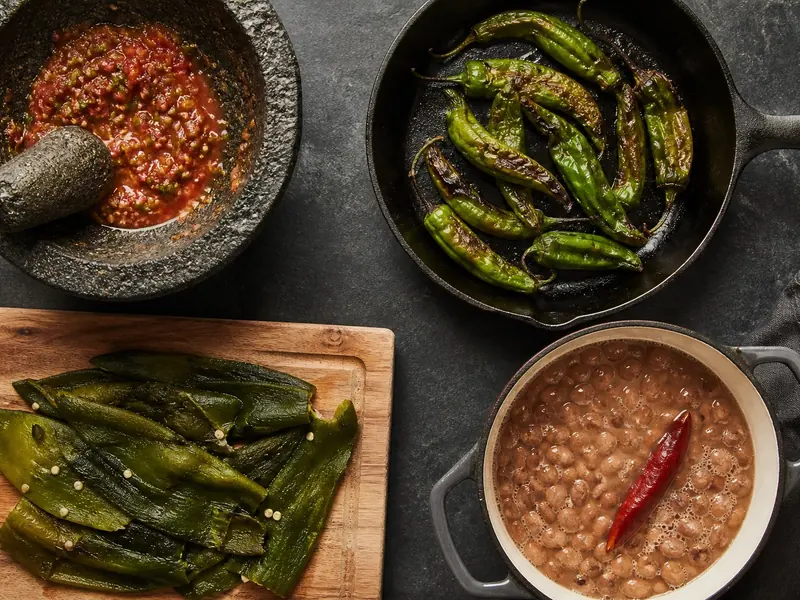
Raw pepper keeps its crispness and sharp green or fruity notes, while direct heat softens the flesh and adds browned or smoky flavors.
Use raw slices or mince when freshness matters in salsa, slaw, sandwiches, noodle bowls, or a finishing relish. Thin rings give visible, uneven bursts of heat, while fine mince distributes a smaller amount more evenly.
Blister sturdy pods when you want charred skin with flesh that still has some body.
A dry cast-iron pan, grill, or broiler works well for whole green chilies that would become limp if chopped before cooking.
Roast fleshy peppers when the goal is soft strips, a purée, or a filled pepper. Purdue Extension recommends roasting hot peppers at 425°F for about 20 to 25 minutes, turning as needed, until the skin blisters and the flesh softens.
After roasting, cover the peppers briefly so trapped steam loosens the skin.
Peel only when the skin is papery or the finished dish needs a smooth texture, because an intact tender skin can stay on in a rustic sauce or stew.
Simmer a small amount when the whole pot needs a background warmth. Minced chili becomes more evenly distributed, while a slit whole pod can perfume beans, broth, curry, or stew and be removed before serving.
- Pick raw preparation for crunch and a bright top note.
- Pick blistering for char plus a firm bite.
- Pick roasting peppers for soft flesh and easy blending.
- Pick simmering for heat that reaches every serving.
How can one or two chili peppers season several meals?
One hot pepper can be more useful as a batch of small seasonings than as the center of one dish.
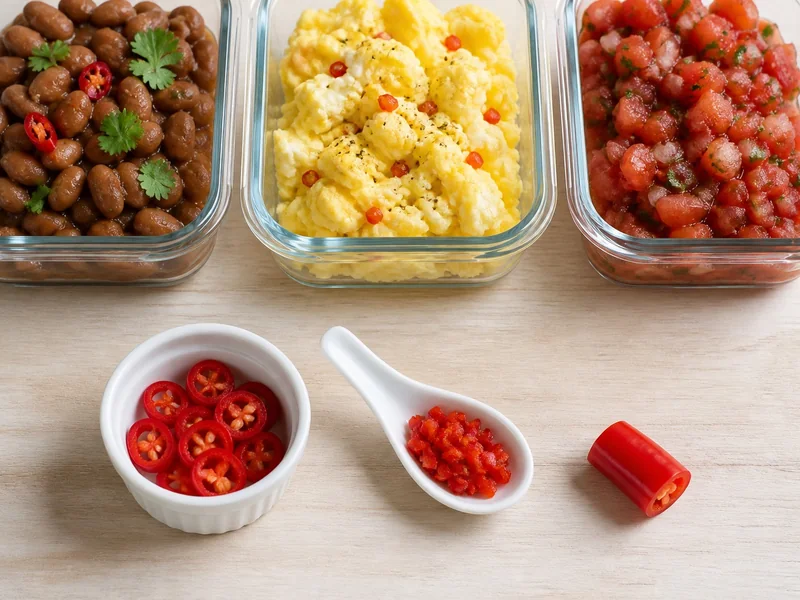
Divide it by form so each portion has a different job, then refrigerate the unused pieces promptly in a covered container.
- Cut a few thin rings. Add them at the table to tacos, rice bowls, sandwiches, or soup so each person controls the dose.
- Mince a short section. Stir a teaspoon into eggs, beans, tomato salsa, or a pan sauce where even distribution matters.
- Slit one larger piece. Simmer it in broth, lentils, curry, or stew, then remove it when the heat tastes balanced.
- Save the remaining piece whole. Wrap or cover it, label it with the variety if known, and plan the next meal before it softens.
This division works especially well for a pepper hotter than your usual choice. Rings remain obvious and removable, mince spreads predictably when measured, and a large slit piece gives you a physical stop point because it can leave the pot.
Keep cuts consistent within each portion.
Ten similar rings are easier to dose than a mix of paper-thin pieces and thick chunks, and a fine mince is easier to distribute than irregular cubes.
Build a meal around ingredients that carry pepper flavor well. Eggs and potatoes soften sharp edges, beans absorb the seasoned cooking liquid, tomatoes provide acidity, and cheese or yogurt can round out a hot topping at the table.
Do not leave cut peppers at room temperature while planning several future dishes.
Portion only what you will use soon, refrigerate the rest, and discard pieces that become slimy, moldy, or sour-smelling.
Which dishes suit mild, hot, and superhot peppers?
Match the pepper to its role in the meal. Mild chilies can supply vegetable volume, hot chilies can season the whole dish, and superhot peppers work as measured accents rather than ordinary chopped vegetables.
| Heat role | Dishes that fit | How to add the pepper |
|---|---|---|
| Mild and fleshy | Stuffed peppers, fajitas, roasted vegetables, omelets, quesadillas | Use strips, halves, or whole pods as a substantial ingredient |
| Medium and crisp | Salsa, tacos, burgers, slaw, fried rice, noodle bowls | Use rings for distinct bites or mince for even coverage |
| Hot and slender | Beans, curry, soup, stir-fry, pan sauce, tomato sauce | Begin with a partial pod and cook it through the dish |
| Very hot or superhot | Large pots of chili, sauce bases, marinades, shared condiments | Wear gloves, mince a measured fragment, and dilute it across many servings |
A mild pepper can carry filling because its walls provide enough flesh to hold their shape.
Medium peppers work well where the eater expects visible slices, while a thin hot pepper often performs better as seasoning than as bulk.
With a superhot such as a Carolina Reaper or Trinidad Scorpion, the dish needs a deliberate dilution plan before the pepper touches the board. Choose a large batch, decide the first measured amount, and keep an unseasoned portion aside for anyone who cannot tolerate the heat.
Fruitier hot peppers fit ingredients that echo or balance their aroma.
Mango, pineapple, citrus, tomato, carrot, and onion can support a small amount of habanero without hiding its character.
Earthy green chilies pair naturally with beans, corn, squash, cheese, eggs, and roasted meat.
The point is not a rigid pairing chart. It is to give a pepper enough food to work through and a dish structure that suits its texture.
How can you control heat without losing the pepper's flavor?
Control heat first through dose, then through which tissue you include and when you add it.
This preserves more of the pepper's aroma than trying to rescue an over-hot finished dish with a large amount of dairy or sugar.
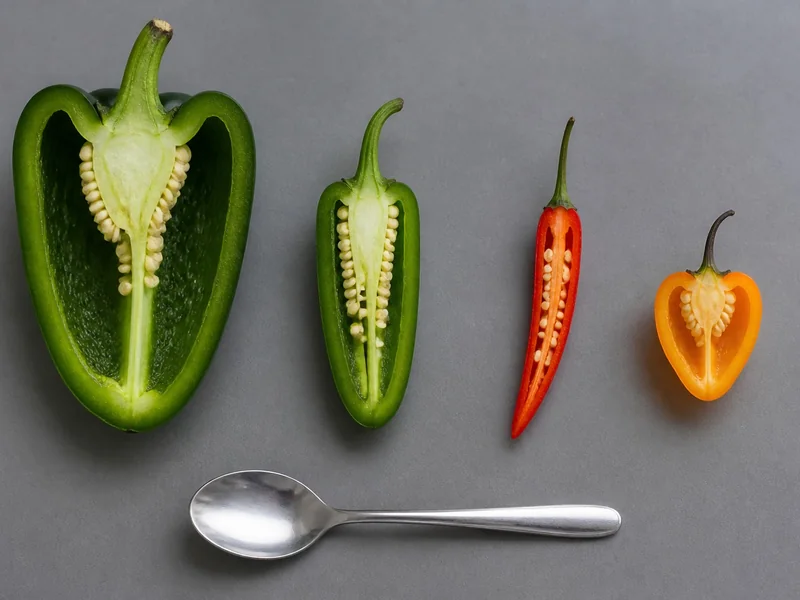
Capsaicin is concentrated in the pale placental tissue and inner ribs where the seeds attach. New Mexico State University's Chile Pepper Institute explains that the glands producing capsaicinoids are associated with this inner tissue, while the seeds themselves can pick up capsaicin from contact.
Removing the ribs and attached seeds can lower the amount of capsaicin that enters the dish, but it does not make every hot pepper mild.
Heat also varies among pods of the same variety, so use a smaller amount when the exact strength is unknown.
Add fresh chili late when you want a clear pepper aroma and isolated bites. Add mince earlier when you want the flavor and heat dispersed through oil, sauce, or cooking liquid.
For a stew or pot of beans, a slit whole pepper offers the most reversible choice.
Taste the liquid as it cooks and remove the pod once the background warmth is enough.
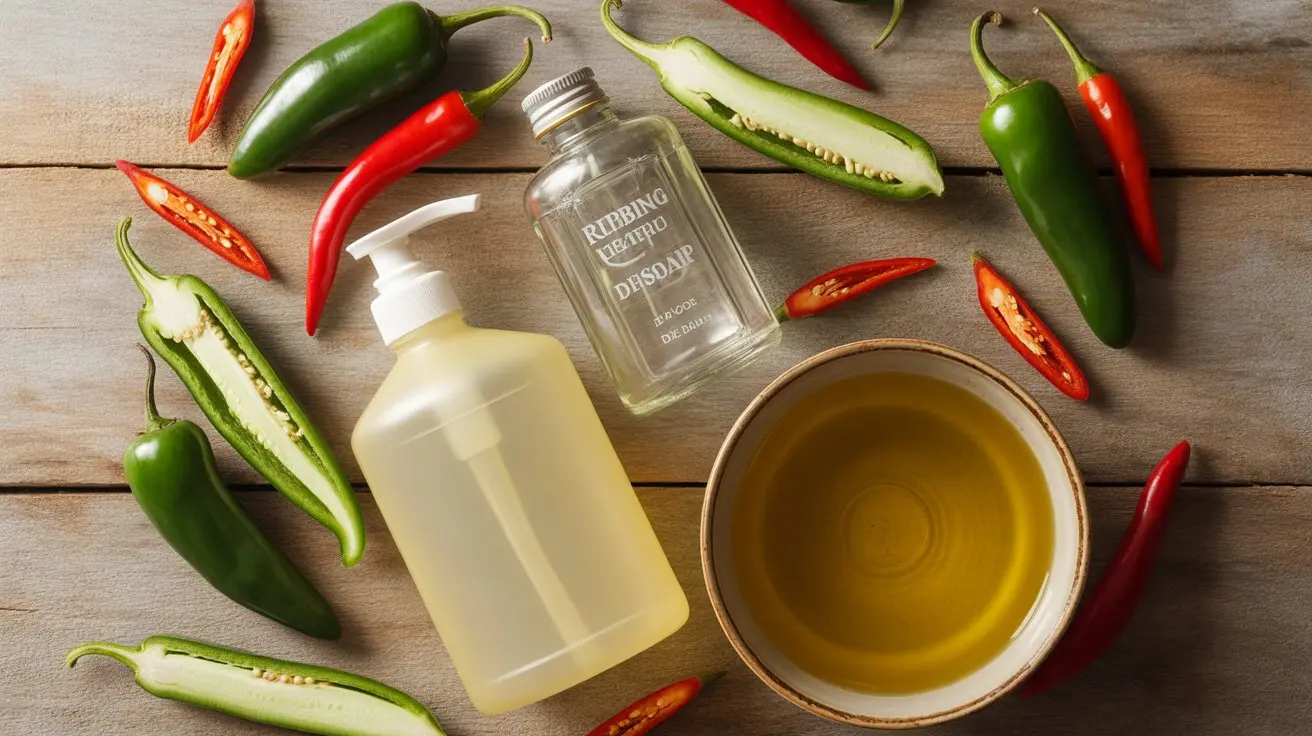
Handle very hot chilies as an ingredient that can transfer to your eyes and skin. Oregon State University's Food Hero guidance recommends gloves or holding the pepper with a fork, followed by washing hands, cutting surfaces, and utensils after preparation.
What should you do with a mixed basket of chili peppers?
Sort a mixed basket before cooking anything.
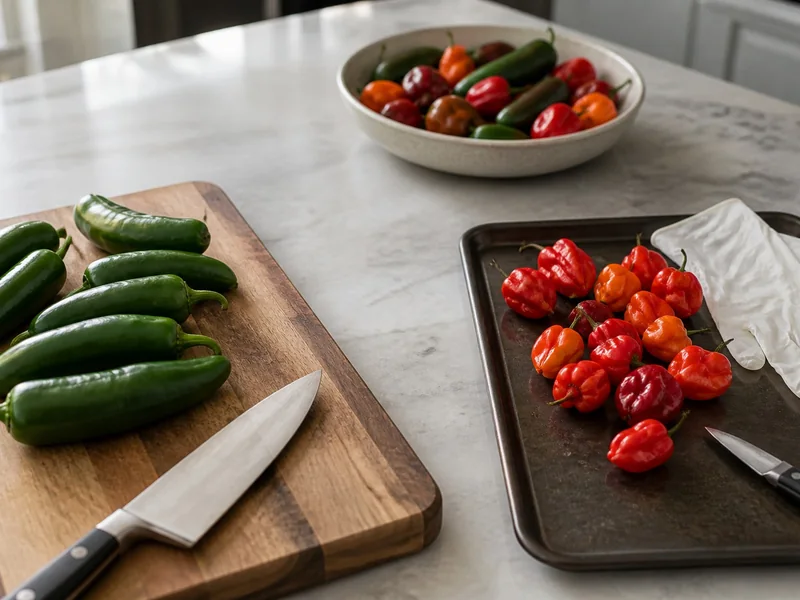
A single unidentified hot pod can change an otherwise mild batch, and cutting every pepper on the same board makes it harder to keep the portions separate.
- Read produce stickers, seed-packet notes, or grower labels before relying on appearance.
- Group peppers by known name first, then by wall thickness, size, and shape.
- Set damaged peppers aside and discard any with mold, slime, or a fermented odor.
- Prepare the mild, thick-walled group before opening a suspected superhot pepper.
- Use separate knives, boards, and containers for the hottest group.
- Label leftover cut pieces so another cook does not mistake them for mild peppers.
Cook the mild group first if several dishes share the same kitchen. You can reuse a clean pan for hotter food later, but reversing that order risks carrying capsaicin into a meal intended to be mild.
Choose one small test pod from every unknown group.
Cut it separately, cook a tiny piece, and assess it with food rather than touching it to bare lips or tasting it on an empty stomach.
Once each group has a rough role, assign it to a dish instead of combining everything. Thick mild pods can become roasted strips, firm medium pods can supply raw rings, and a hot thin-walled group can season a pot in measured amounts.
Keep the mixed basket visible only until the sorting is complete.
Separate labeled containers prevent a leftover superhot from migrating into a lunchbox, snack plate, or child's meal.
When should extra peppers move from cooking to preservation?
Move peppers to preservation when the fresh batch is larger than your next few meals can reasonably use. Firm pods still have the best texture for raw and direct-heat dishes, so cook those first and reserve preservation for sound extras.
Do not wait for wrinkling, soft spots, or surface damage to decide.
Preservation protects quality that is still present. It cannot restore crisp texture or make spoiled peppers safe.
Before setting extras aside, label the variety or at least the heat group.
That small step keeps a later sauce, pickle, or frozen batch predictable and prevents mild and very hot peppers from becoming indistinguishable.
The practical split is simple. Keep enough identified peppers for meals you have already chosen, then preserve the remaining sound pods while they are still worth saving.