
Pepper Burn on Skin
Got capsaicin burn from handling hot peppers? These 5 remedies actually work to neutralize pepper oil on skin. Find your perfect heat level.

Why Pepper Burn Happens (And Why Water Makes It Worse)
Capsaicin, the compound responsible for heat in chili peppers, is oil-soluble, not water-soluble. When you handle a medium-heat jalapeño or something far more aggressive, the capsaicin oils bind to TRPV1 receptors in your skin, triggering a genuine pain signal — your nervous system genuinely believes something is burning you.
Rinsing with water doesn't remove the oil. It spreads it. That's why the instinctive response often makes things worse, especially if you then touch your face.
The burn can range from mild tingling after chopping a Sandia's moderate fruity heat to genuine, hours-long agony after handling ghost peppers or Carolina Reapers bare-handed. Understanding the chemistry helps you pick the right remedy fast.
How Bad Is Your Burn? Assessing the Situation
Not all pepper burns are equal. A quick accidental touch from a sweet pimento-style lipstick pepper or a mild Italian Marconi leaves essentially zero capsaicin — those are mild-tier peppers that won't cause any real discomfort.
The real trouble starts with medium-heat varieties and escalates sharply from there. Jalapeños (2,500-8,000 SHU), serranos, and cayennes cause noticeable burns. Habaneros, Scotch bonnets, and Thai chilis cause intense, lingering pain. Super-hots like ghost peppers and Carolina Reapers can cause blistering and require more aggressive treatment.
Assess whether the skin is red, whether there's swelling, and how intense the pain is. If you have actual blistering or the burn is on your eyes or mucous membranes, treat it as a medical situation — not a home remedy situation.
Remedy 1: Dish Soap and Oil (The Most Effective First Step)
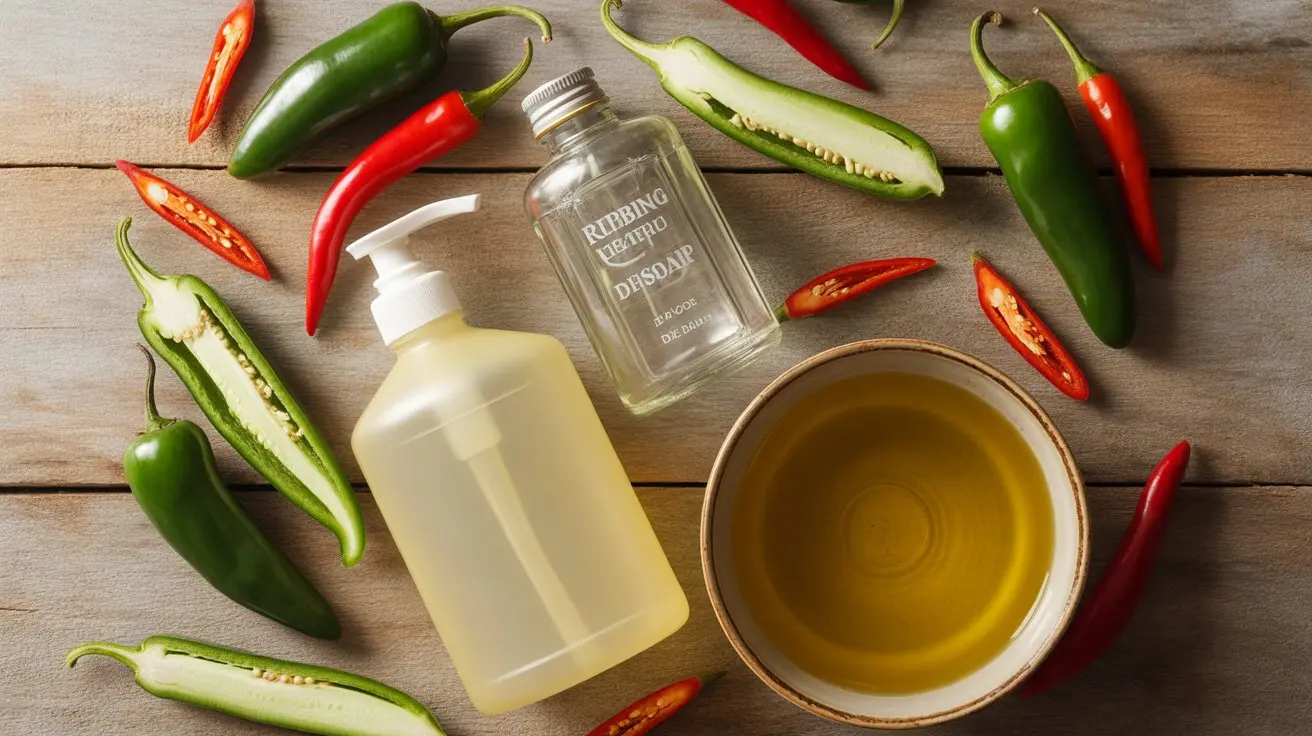
The goal is to lift the capsaicin oil off your skin before anything else. Dish soap — specifically the grease-cutting kind like Dawn — is your best first-line tool.
Apply dish soap directly to dry skin before adding any water. Work it in thoroughly for 30-60 seconds, then rinse. The soap emulsifies the oil, allowing water to wash it away rather than just spreading it around.
For extra effectiveness, coat your hands with a neutral cooking oil (vegetable, olive, canola) first. Oil dissolves oil — the cooking oil pulls the capsaicin away from your skin receptors, then the dish soap removes both oils together. This two-step approach handles most burns from hot-tier peppers effectively.
Remedy 2: Dairy Products — Milk, Yogurt, Sour Cream
This is the remedy most people have heard of, and it genuinely works — though not for the reason most people think. Casein protein, found in dairy, surrounds capsaicin molecules and pulls them away from receptor sites.
Full-fat dairy works best because fat content also helps dissolve the oil. Soak your hands in whole milk, coat them with plain yogurt, or apply sour cream and let it sit for several minutes before rinsing. Skim milk works less effectively — the fat matters here.
This method is particularly good for ongoing burn that persists after the initial soap-and-oil treatment. If you've been handling extra-hot varieties for an extended period, a milk soak for 10-15 minutes can significantly reduce residual discomfort.
Remedy 3: Rubbing Alcohol or Hand Sanitizer
Isopropyl alcohol (70% or higher) dissolves capsaicin oil effectively. This is a solid option when you don't have access to dairy or when you need something fast and portable.
Apply rubbing alcohol generously to the affected area, let it sit for 20-30 seconds, then rinse. Hand sanitizer works in a pinch — the alcohol content is typically 60-70%, which is sufficient for mild to moderate burns.
One caveat: alcohol can dry and irritate skin, especially if you repeat applications. It's best used as a first-response measure, particularly if you're in a kitchen environment where rubbing alcohol is more accessible than a glass of milk. Follow up with a moisturizer once the burn subsides.
Remedy 4: Baking Soda Paste
Baking soda works through a different mechanism — it's mildly alkaline, and capsaicin (an acid) can be partially neutralized by alkaline compounds. Mix 3 parts baking soda to 1 part water to form a thick paste, apply to the burn, and leave it for 5-10 minutes before rinsing.
This remedy is slower than alcohol or dish soap, but it's useful for burns that are already progressing — when the capsaicin has been on your skin for several minutes and you're past the window for easy removal. The paste also provides a physical coating that temporarily reduces receptor stimulation while it works.
Some people add a small amount of dish soap to the paste, combining the alkaline neutralization with the emulsifying action of the soap. That combination works reasonably well for burns in the moderate range.
Remedy 5: Aloe Vera and Cooling Agents
Once you've removed as much capsaicin as possible through one of the methods above, aloe vera gel helps manage residual inflammation and provides genuine cooling relief. Pure aloe is best — the kind you'd use for sunburn, without added fragrances or alcohol.
Cold (not ice-cold) water can also provide temporary relief, but it doesn't remove capsaicin. Think of it as symptom management rather than treatment. A cold compress on the affected area reduces inflammation and numbs the area while your skin recovers.
For burns from very high-heat peppers, some people find that topical lidocaine (found in products like Orajel) provides meaningful temporary relief. It doesn't remove the capsaicin, but it blocks nerve signaling at the surface level.
Prevention: Gloves and Proper Handling
The best remedy is not needing one. Nitrile gloves are the standard recommendation for handling hot peppers — latex gloves are thinner and can allow capsaicin to permeate over time, especially with extended contact.
If you're growing your own peppers — and if you want a full seed-starting and cultivation guide, that's worth reading before your first harvest — gloves should be standard practice whenever you're harvesting or processing anything above the mild tier.
Even the habanada pepper, a heat-free habanero variety with zero capsaicin, won't cause burns — but it's the exception. Most visually similar peppers carry significant heat.
When processing large quantities of hot peppers, consider eye protection too. Capsaicin vapor from cutting or blending is real, and it's not pleasant.
Special Cases: Eyes, Nose, and Mouth
Skin burns are uncomfortable. Capsaicin in the eyes is a different category of problem entirely. If capsaicin gets into your eyes, do not rub — that embeds it further. Flush with a large volume of lukewarm water for at least 15-20 minutes, keeping your eye open.
Saline solution (contact lens solution) works better than plain water because it's closer to the eye's natural pH. Milk can also be used as an eye flush in an emergency — the casein protein effect applies here too.
For mouth and lip burns, dairy is your best option. Drink whole milk, eat yogurt, or swish with milk. Bread and starchy foods help absorb capsaicin as well. Alcohol-based beverages can temporarily intensify the burn by increasing blood flow to mucous membranes before the alcohol's dissolving effect takes over — so beer is not your friend in the immediate aftermath.
Understanding Capsaicin Chemistry
If you want to go deeper, the full chemistry of how capsaicin triggers the pain response explains why the burn mechanism is so persistent and why some remedies work better than others depending on timing.
The short version: capsaicin binds to TRPV1 receptors with high affinity. Once bound, it takes time to unbind naturally — which is why a bad burn can last hours even after you've removed most of the capsaicin from your skin surface. The remedies above reduce the total capsaicin load and speed up that unbinding process.
For reference on how hot specific peppers are before you handle them, the Scoville heat unit testing methodology gives you a practical framework for understanding what you're dealing with. A pepper rated at 100,000 SHU carries roughly 12-40 times the capsaicin concentration of a typical jalapeño — that's not a small difference when it's on your hands.
When to See a Doctor
Most pepper burns resolve on their own within 1-4 hours with proper treatment. Seek medical attention if you experience blistering or skin breakdown, if the burn is on a large area of skin, if capsaicin has entered the eyes and flushing hasn't resolved the pain within 20 minutes, or if you're experiencing difficulty breathing (possible with very high capsaicin vapor exposure).
People with sensitive skin conditions like eczema may have more intense reactions to capsaicin contact. If you know you have reactive skin, gloves aren't optional — they're essential whenever you're working with anything above the super-hot tier.
Allergic reactions to capsaicin itself are rare but possible. If you notice hives, swelling beyond the contact area, or systemic symptoms, that's a different situation from a standard capsaicin burn and warrants immediate medical evaluation.
Quick Reference: Which Remedy for Which Situation
- First 60 seconds: Dish soap on dry skin, then rinse — fastest capsaicin removal
- Mild to moderate burn (jalapeño level): Dish soap + oil combo, or rubbing alcohol
- Moderate to severe burn (habanero level): Milk soak for 10-15 minutes after initial soap treatment
- Ongoing residual burn: Baking soda paste, followed by aloe vera
- Eyes: Lukewarm water flush for 15-20 minutes minimum, then saline if available
- Mouth and lips: Whole milk or plain yogurt, bread, no alcohol
- After treatment: Aloe vera, cold compress for inflammation
Keep in mind that the earthy moderate heat of Chimayo peppers and similar traditional New Mexican varieties are often processed in large quantities for drying and grinding — situations where cumulative capsaicin exposure builds up even from medium-heat peppers. Gloves matter even when individual peppers don't seem that hot.
Frequently Asked Questions
-
Yes, because milk contains casein protein, which surrounds and lifts capsaicin molecules away from skin receptors. Full-fat milk or yogurt works better than skim milk since the fat content also helps dissolve the oil-based capsaicin.
-
Capsaicin is an oil-soluble compound, so water cannot dissolve or remove it. Rinsing with water typically spreads the capsaicin oil to a larger skin area, increasing the burn rather than reducing it.
-
Most burns from jalapeño-level peppers subside within 30-60 minutes with proper treatment. Habanero or super-hot pepper burns can persist 2-4 hours even after treatment, since capsaicin binds tightly to TRPV1 receptors.
-
Hand sanitizer with 60-70% alcohol content can dissolve capsaicin oil and provides reasonable relief for mild to moderate burns. It works best as an immediate first response, though rubbing alcohol at 70% or higher is more effective.
-
Nitrile gloves provide reliable protection for typical pepper-handling tasks. Latex gloves are thinner and can allow capsaicin to permeate with extended contact, making nitrile the preferred choice for processing large quantities of hot peppers.
