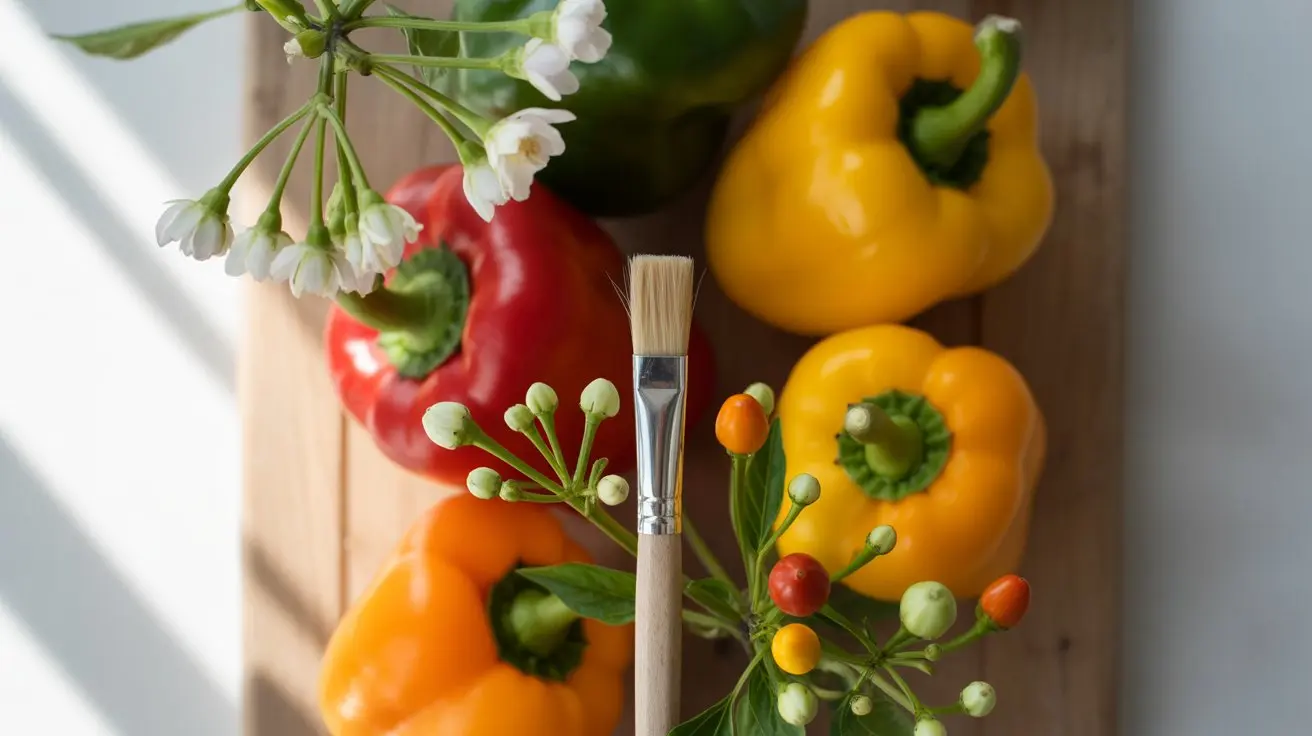
How to Pollinate Pepper Plants by Hand
Hand-pollinate pepper plants for better fruit set indoors or in greenhouses. Find your perfect heat level.
Why Hand Pollination Matters for Pepper Growers
Pepper plants are self-fertile — each flower carries both male and female parts — but that doesn't mean pollination happens automatically.
Indoors, in greenhouses, or during stretches of calm weather, there's no wind or insect activity to shake pollen loose. Flowers open and drop without setting fruit, and growers are left wondering what went wrong.
Hand pollination solves this by mimicking what nature provides outdoors. Done right, it can dramatically improve fruit set on plants that would otherwise produce sparse harvests, whether you're growing a sweet mild Caribbean variety on a balcony or a fiery intensely hot Scotch Bonnet type under grow lights.
The Hardest Part: Getting Conditions Right Before You Touch a Flower
Technique is secondary to environment. The single biggest reason hand pollination fails isn't poor execution — it's attempting it when the plant isn't ready.
Temperature is the primary gatekeeper. Pepper pollen becomes non-viable below 55°F (13°C) and above 95°F (35°C). The sweet spot for pollen release is 65-85°F during the day with nights no colder than 60°F.
Humidity matters almost as much. Pollen clumps and won't transfer in high humidity (above 75%), and it desiccates too quickly in very dry air (below 30%). Aim for 50-70% relative humidity when you're working with flowers.
Light exposure affects flower health too. Plants that aren't getting enough light — at least 6 hours of direct sun or equivalent from grow lights — produce weak flowers with poor pollen viability. Fix the light situation before worrying about pollination technique.
Calcium deficiency is another hidden problem. Low calcium leads to blossom drop before pollination can occur. If flowers are falling off before they even fully open, check your fertilizer program and soil pH, which should sit between 6.0 and 6.8 for optimal calcium uptake.
Identifying the Right Flowers to Pollinate
Not every open flower is ready for pollination. Timing your intervention to the right window makes the difference between fruit set and failure.
Pepper flowers typically open and remain viable for 2-4 days. The first day of opening is usually the best window — the stigma (female receptor) is most receptive, and the anthers (pollen-producing male structures) are actively releasing.
Look for flowers where the anthers have a slightly dusty, powdery appearance. That's fresh pollen. Flowers where the anthers look smooth or dark are past their window. The stigma should appear slightly sticky or glistening — that's a sign it's receptive.
Avoid pollinating flowers that are still tightly budded or ones that are already wilting at the petals. Both are outside the productive window.
Three Methods That Actually Work
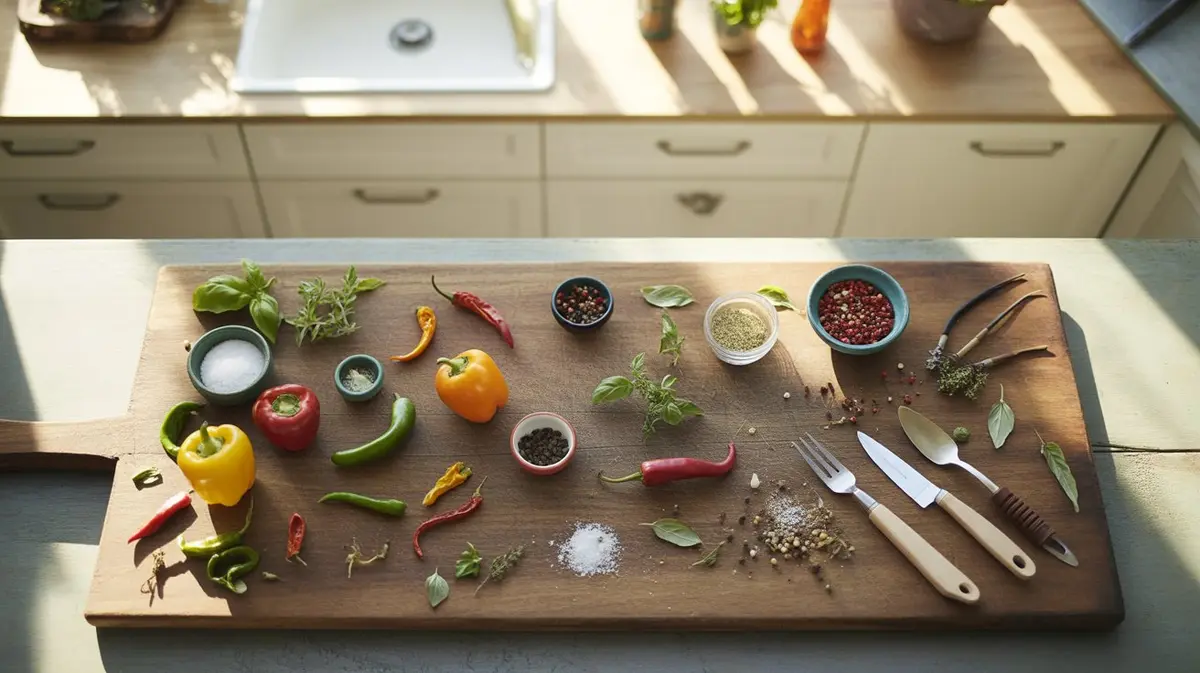
There's no single correct technique. The best method depends on what tools you have available and how many plants you're working with.
The paintbrush method requires a small, soft-bristled brush — a watercolor brush in size 0 or 1 works well. Gently swirl the brush inside one flower to collect pollen, then transfer it to the stigma of another flower on the same plant or a different one. This is slower but gives you the most control, and it's the go-to approach when you're cross-pollinating to save seeds.
Direct flower-to-flower contact is the simplest technique. Gently pinch two open flowers together and give them a light twist. This works best when multiple flowers are open simultaneously on the same plant. It's fast, requires no tools, and is surprisingly effective on compact varieties.
Step-by-Step: Pollinating a Single Plant
- Check the environment first — temperature should be 65-85°F, humidity between 50-70%.
- Identify flowers that opened within the last 24-48 hours with visibly powdery anthers.
- If using a brush, collect pollen by gently rotating the bristles inside the flower's anther cone.
- Transfer pollen to the stigma — the central protruding tip of the pistil — with a light circular motion.
- If using a toothbrush, apply vibration to the flower stem, not the petals or pistil directly.
- Mark pollinated flowers with a small piece of tape or twist tie if you're tracking fruit set rates.
- Repeat daily while flowers are open — one session per day is sufficient.
- Watch for the base of the flower (the ovary) to swell within 7-14 days — that's successful fruit set.
Spacing, Airflow, and Plant Density Indoors
Crowded plants create problems that hand pollination can't fix. Poor airflow leads to fungal issues and weak flower development; overcrowding also reduces light penetration to lower branches where many peppers produce their first flowers.
Standard spacing indoors is 18-24 inches between plants for most varieties. Compact ornamental types can go closer; large-fruited varieties like the mild, thick-walled New Mexico type benefit from the full 24 inches to allow adequate airflow around developing fruit.
A small oscillating fan running on low provides dual benefits: it strengthens stems and creates enough air movement to assist natural pollen dispersal between hand-pollination sessions. Position it so leaves move gently but aren't stressed — you want a breeze, not a wind tunnel.
Container size affects flowering density. Plants in pots smaller than 3 gallons often become root-bound before they reach peak flowering, which limits both flower count and fruit size. For most full-sized varieties, a 5-gallon container is the practical minimum for sustained production indoors.
Watering and Feeding During the Flowering Period
The fertilizer shift that matters most happens at first flower. Before flowering, nitrogen drives vegetative growth. Once buds appear, excessive nitrogen pushes new leaf growth at the expense of fruit set — you get a lush plant that drops its flowers.
At first bud, reduce nitrogen and increase phosphorus and potassium. A bloom-focused fertilizer with an NPK ratio around 5-15-15 or similar works well. Calcium and magnesium supplementation (CalMag products) supports both cell wall development in fruit and pollen viability.
Consistent soil moisture is non-negotiable during flowering. Drought stress triggers blossom drop as a survival mechanism — the plant sheds flowers to conserve resources. Check soil moisture daily for container plants; they dry out faster than in-ground beds. Aim for evenly moist but not waterlogged conditions.
Overhead watering during peak flowering hours can wash pollen away before it transfers. Water at the base of the plant, or time overhead irrigation for early morning so flowers are dry by mid-day when they're most active.
Cross-Pollination and Seed Saving Considerations
If you're growing multiple pepper varieties side by side and want to save true seeds, hand pollination becomes both a tool and a complication. Peppers cross-pollinate readily when insects are active — a bee visiting your sweet mild paprika-type pepper can carry pollen from a completely different variety growing nearby.
To save true seeds, you need to either isolate plants physically (separate rooms, separate grow tents) or perform controlled hand pollination on bagged flowers. The technique: identify a flower bud that's about to open, cover it with a small mesh bag or floating row cover before it opens, then hand-pollinate using pollen from the same variety before removing the bag.
Cross-pollination doesn't affect the flavor or heat of the current season's fruit — only the seeds inside. The pepper you pick this year will taste exactly as expected. But seeds saved from a cross will produce unpredictable offspring the following season.
For growers interested in intentional crosses — creating new varieties — hand pollination is the essential tool. The full germination and seed-starting guide covers what to do with those seeds once you've made your cross.
Troubleshooting: When Fruit Still Won't Set
If you're hand-pollinating consistently and still not seeing fruit, work through this checklist systematically.
Flower drop before opening: Usually a calcium or water stress issue. Check soil pH and irrigation consistency. Temperatures below 55°F at night will also cause this.
Flowers open but fruit doesn't develop: The most common cause is temperature during pollination — pollen viability drops sharply above 90°F. If your space gets hot midday, pollinate in the morning when temperatures are lower.
Fruit starts then aborts: Often a phosphorus deficiency or inconsistent watering. Small fruit that yellows and drops within a week of set usually indicates the plant lacks resources to carry the fruit to maturity. Thin some developing fruit to reduce the load.
Very low pollen production: Some varieties, particularly highly stressed plants or those grown in very low light, produce minimal pollen. Improve light levels and reduce plant stress before the next flowering cycle.
Certain smoke-dried chipotle-style peppers come from varieties known for heavy fruit loads outdoors — those same varieties can be frustratingly slow to set fruit indoors without consistent hand pollination and attention to environmental conditions.
Timing Harvest After Successful Pollination
Once fruit sets, patience becomes the main skill. Most pepper varieties reach full size within 3-5 weeks of pollination, but color development — which signals full ripeness and peak flavor — takes longer.
Green peppers are simply unripe fruit. All peppers eventually turn color: red, orange, yellow, chocolate, or purple depending on variety. Ripe fruit has higher sugar content, more complex flavor, and in hot varieties, typically higher capsaicin concentration.
The total time from pollination to ripe harvest varies considerably by variety — anywhere from 60 to 90+ days depending on the cultivar and growing conditions. Cooler temperatures slow ripening significantly; keeping plants above 70°F during the day accelerates color development.
You can harvest at the green stage if you need to — the fruit is mature and edible — but waiting for full color change produces noticeably better flavor in most varieties. For peppers in the low-SHU mild bracket, color change also means peak sweetness. For peppers at the upper heat intensity range, ripeness correlates with maximum capsaicin development.
Harvest regularly once fruit starts ripening. Leaving ripe peppers on the plant signals it to slow new flower production. Picking promptly keeps the plant in active fruiting mode and extends your harvest window considerably.
Greenhouse and Indoor Setup Optimizations
A few structural changes to your growing setup can reduce how much hand pollination you need to do in the first place.
Running a fan on a timer — 15-30 minutes every few hours during the light period — creates enough air movement to assist pollen transfer naturally. Many greenhouse growers find this alone improves fruit set dramatically compared to still-air environments.
Grow lights positioned too far above plants create weak, elongated growth with poor flower development. Most pepper varieties perform best with light intensity around 400-600 µmol/m²/s at canopy level. LEDs designed for flowering crops typically achieve this at manufacturer-recommended hanging heights.
For growers in Caribbean pepper growing traditions, where varieties like the intensely aromatic Scotch Bonnet types are standard, the high heat and humidity of their native environment translates poorly to typical indoor setups. These varieties often need extra attention to humidity management — not too high (which prevents pollen release) but not so low that flowers desiccate.
Reflective wall surfaces — white paint, mylar, or white poly sheeting — improve light distribution and reduce the shadowed zones where flowers develop poorly. This is a one-time setup investment that pays dividends across every growing cycle.
Frequently Asked Questions
-
Once per day is sufficient while flowers are actively open. Pepper flowers remain viable for 2-4 days, so daily sessions during that window give you the best chance of successful fruit set without over-handling the flowers.
-
Yes, though outdoor plants usually receive enough pollination from wind and insects. Hand pollination outdoors is most useful during calm weather periods or when bee activity is low, such as early spring or during cold snaps.
-
Blossom drop before the flower fully opens is almost always caused by temperature stress, calcium deficiency, or inconsistent watering. Night temperatures below 55°F are the most common trigger for indoor growers.
-
No — pollination method has no effect on the flavor or capsaicin content of the current season's fruit. It only determines whether a fruit sets at all. Heat level is determined by genetics and growing conditions, not pollination technique.
-
Mid-morning, roughly 9-11 AM, is optimal. Pollen is most viable after plants have warmed up but before midday heat peaks. Avoid pollinating when temperatures exceed 90°F, as pollen viability drops sharply above that threshold.