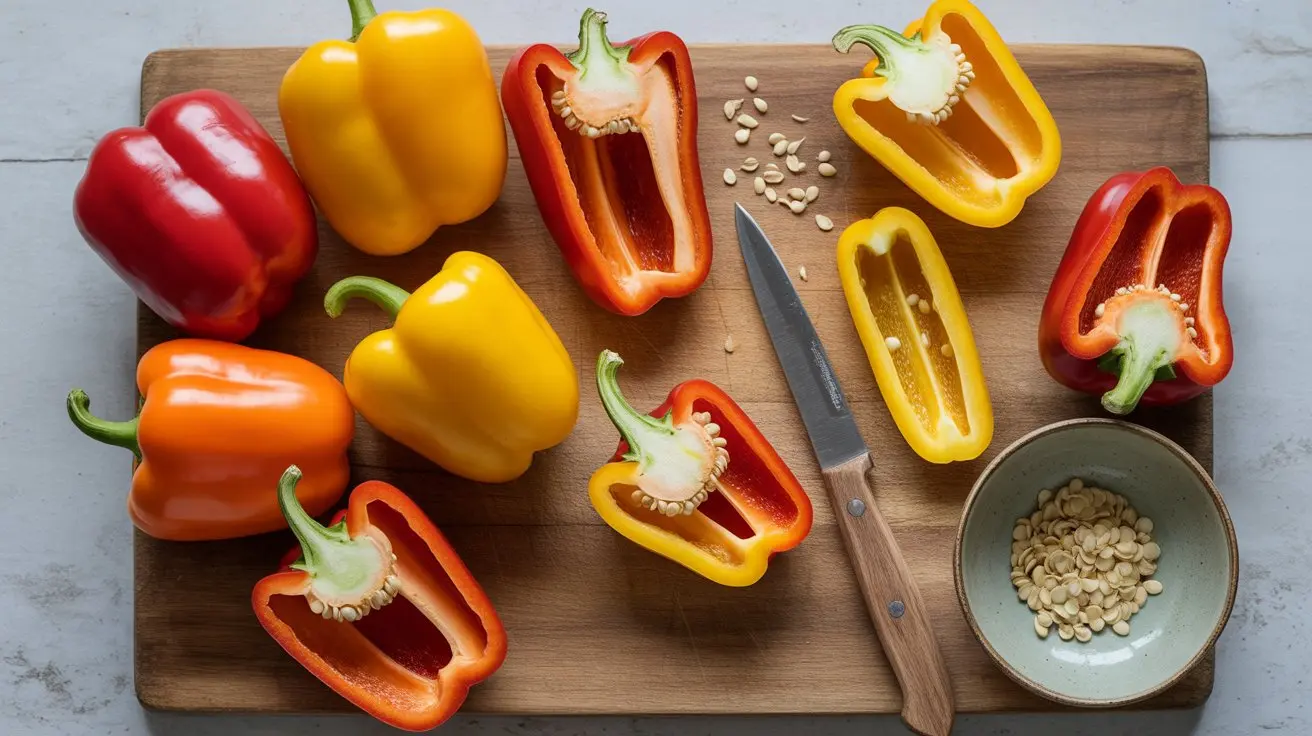
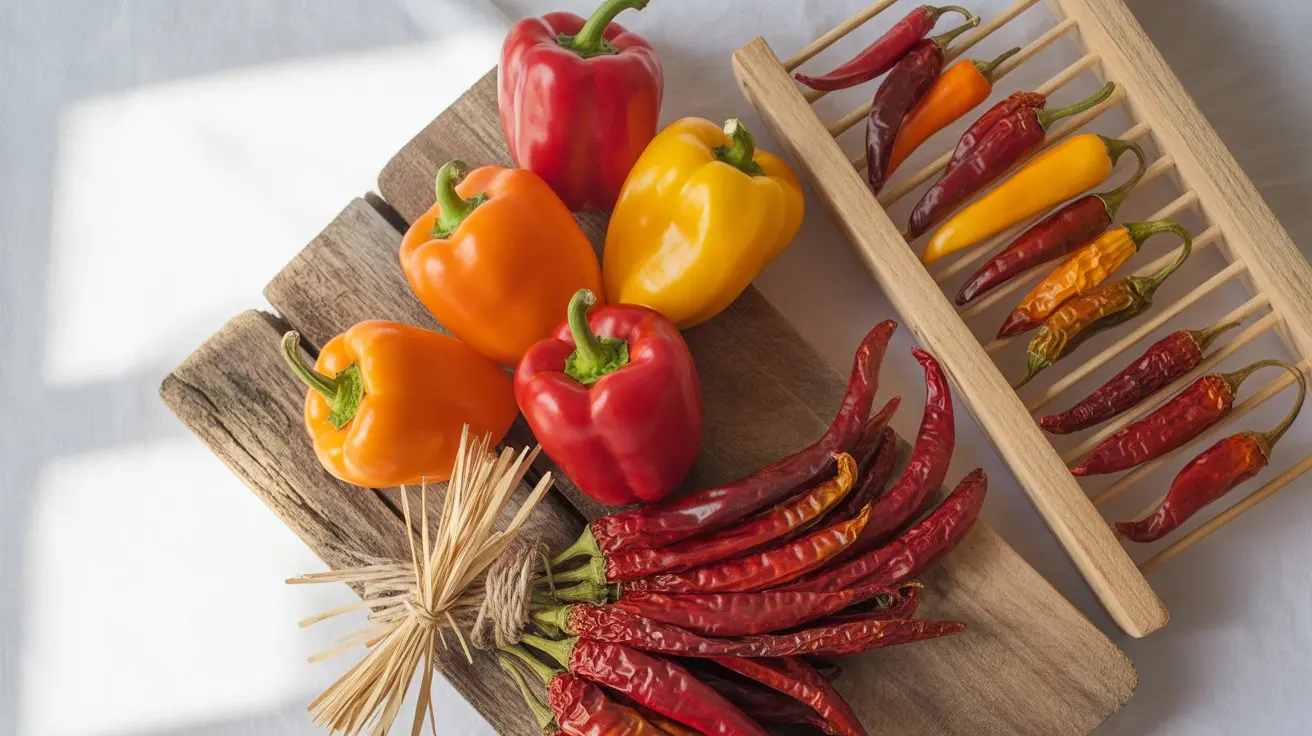
100,000-350,000
SHU range for habanero peppers


Habanero powder supplies fruity extra-hot heat without adding liquid. Start with one measured pinch for four servings, disperse it fully, and taste before adding more.
Habanero powder is dried, finely ground habanero pepper. A pure jar delivers fruity, citrus-like pepper flavor and concentrated extra-hot heat without the water or texture of a fresh pod.
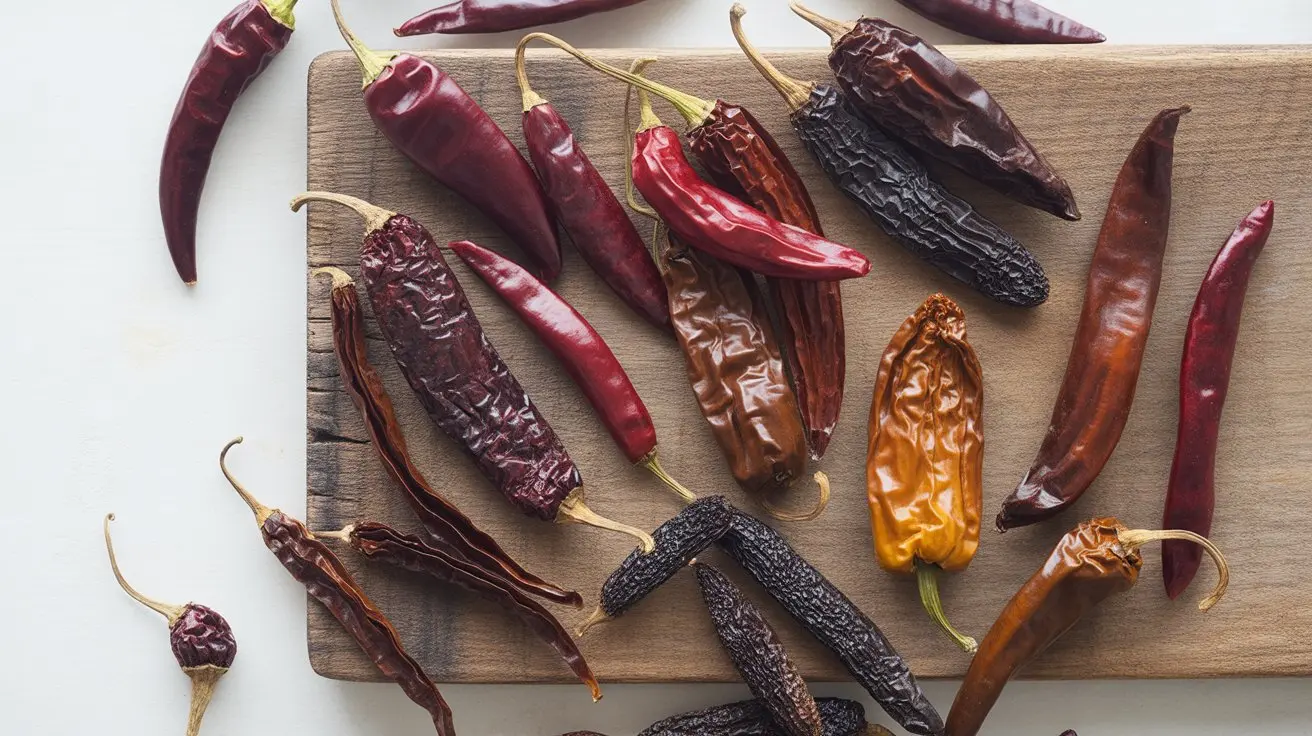
Utah State University Extension describes dried chile pods as brittle enough to grind into seasoning. Drying removes water, but it does not turn a habanero into a mild spice.
Read the ingredient statement before measuring. A product sold as habanero seasoning may contain salt, garlic, onion, sugar, starch, or milder chiles, so it cannot share the same dose as pure habanero powder.
New Mexico State University lists habanero peppers at 100,000 to 350,000 Scoville Heat Units. The powder in a retail jar can vary by cultivar, harvest, processing, and blend, so the pepper's range provides context rather than an exact rating for every brand.
For four servings, begin with 1/32 teaspoon, or one measured pinch, of pure habanero powder. Stir it through the food, let the heat disperse, and taste before adding another pinch.
The amounts below are conservative KnowThePepper editorial starting points. They are not laboratory conversions because powder strength and personal tolerance differ.
| Cooking job | Starting amount | First review point |
|---|---|---|
| Soup, beans, or stew | 1/32 teaspoon per 4 servings | After 5 minutes of simmering |
| Dry rub | 1/32 teaspoon per 2 tablespoons of rub | After testing a small cooked piece |
| Mayo, yogurt, or dip | 1/64 teaspoon per 1/2 cup | After 20 minutes of resting |
| Salsa or hot sauce | 1/32 teaspoon per cup | After full blending |
| Finishing salt | 1 part powder to at least 15 parts salt | After seasoning one bite |
Use measuring spoons that include a pinch or 1/32-teaspoon measure if you cook with extra-hot powders regularly. A casual shake from the jar can release several intended doses at once.
Habanero powder works best when its bright fruit character has a clear partner and the food has enough volume to spread the heat. It is less forgiving on delicate foods where one concentrated patch dominates the bite.
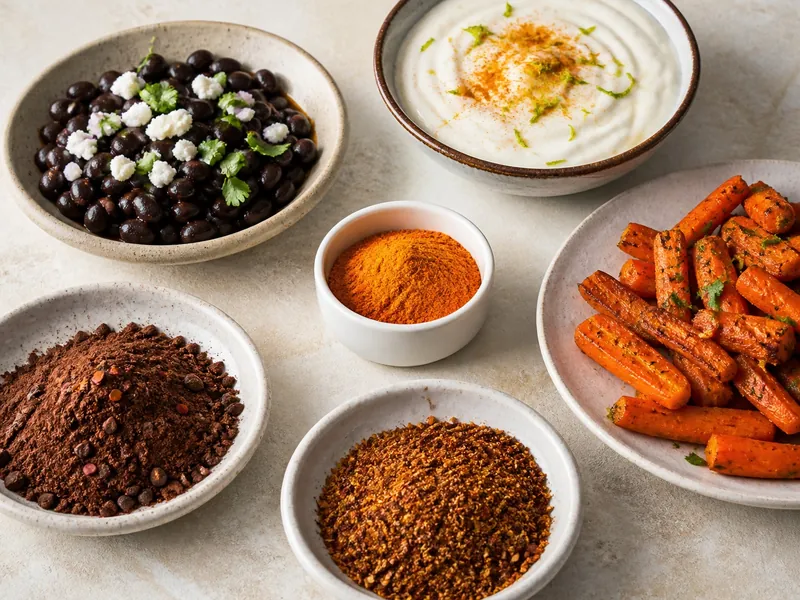
Add a tiny amount to rubs for chicken thighs, pork shoulder, shrimp, tofu, or roasted nuts. Brown sugar, allspice, garlic, coriander, and citrus zest can support habanero's fruit character while the rest of the blend distributes the powder.
Mix the habanero into the full batch of salt and other spices before it touches the food. That step prevents one piece from carrying most of the heat.
Black beans, lentils, tomato sauce, chili, and long-cooked meat provide enough moisture and solids for even dispersion. Add one measured pinch early, then wait until reduction is nearly complete before deciding whether the pot needs more.
Powder is particularly useful when a sauce already has the right consistency. It adds heat without the pulp of a fresh pepper or the extra acid of a bottled sauce.
Mango salsa, pineapple glaze, citrus dressing, barbecue sauce, and chocolate can carry habanero's tropical direction. The goal is a warm fruit-forward finish, not enough powder to erase the mango, citrus, cocoa, or tomato.
For mayo, yogurt, hummus, and dips, whisk the powder into a small spoonful first, then fold that mixture through the rest. Rest the finished mixture for 20 minutes before adjusting it.
The best addition point depends on where you want the heat. Bloom for even distribution, simmer for integration, or finish for a sharper surface hit.
For curry, beans, or a braise, stir the measured powder into warm oil or rendered fat for only 10 to 15 seconds. Add the liquid as soon as the aroma rises because fine chile powder can scorch and taste bitter.
A slurry is safer for a nearly finished sauce. Whisk the powder into a spoonful of sauce, stock, oil, or dressing, then return the smooth mixture to the larger batch.
Surface finishing creates the least even and most immediate burn. If that is the intended effect, dilute the powder through salt, sugar, or another seasoning and test it on one bite before coating the full dish.
Choose a substitute by the ingredient's job. Fresh habanero brings moisture and texture, flakes create visible hot spots, and cayenne supplies a more direct red-chile heat with less of habanero's tropical aroma.
| Alternative | What changes | Best response |
|---|---|---|
| Fresh habanero | Adds water, pulp, and uneven pieces | Use when texture belongs in the dish and mince thoroughly |
| Habanero flakes | Hydrate slowly and create visible bursts | Use in long cooking or where texture is welcome |
| Cayenne powder | Usually less hot with a plainer red-chile profile | Start modestly, then adjust heat and fruit separately |
| Generic chili powder | May include cumin, garlic, oregano, and salt | Do not replace the full amount without checking the label |
| Habanero hot sauce | Adds acid, salt, and liquid | Use when the recipe can accept those changes |
No fixed conversion covers every product. The most reliable method is to add the substitute below the expected strength, let it disperse, and correct the missing flavor after the heat is under control.
Fine habanero powder can reach your eyes, nose, throat, and skin more easily than a whole pepper. NIOSH notes that inhalation exposure can occur while capsaicin is weighed and that aerosols can cause prolonged coughing or sneezing.
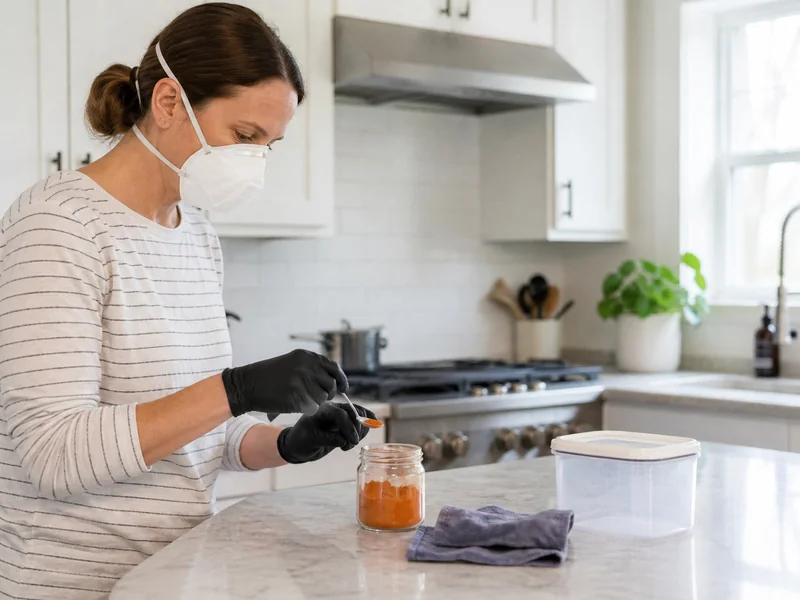
Open the jar on a stable counter rather than above a hot pan. Steam can carry particles upward and can also introduce moisture into the container.
Wash the measuring spoon, counter, and your hands before touching your face or contact lenses. Keep the jar away from children and from people who do not know it contains an extra-hot chile.
Increase the food that belongs in the recipe before reaching for a random neutralizer. More beans, tomato, stock, vegetables, dairy, or unsauced protein spreads the capsaicin across more servings while preserving the dish's identity.
Fat and sweetness can soften how the burn feels, but they do not remove the powder. Use yogurt, coconut milk, nut butter, sugar, or fruit only when those ingredients fit the recipe.
Water alone often leaves a thin dish with poor flavor. A compatible base gives the extra volume enough body to carry the original seasonings.
Store habanero powder in a tightly closed container in a cool, dark cupboard away from the stove. Utah State University Extension recommends airtight room-temperature storage for dried chiles and refrigeration when keeping them beyond several months.
Pour or spoon the amount you need away from a steaming pot. Return the lid immediately and use only a clean, dry utensil.
Ground chile usually loses useful aroma before it becomes obviously unusable. Replace the jar when it smells faint or dusty, when moisture has formed persistent clumps, or when adding more produces heat without the expected fruity character.
Buy an amount you can use while it remains aromatic. Dating the lid when you open it gives you a clearer quality check than relying only on memory.