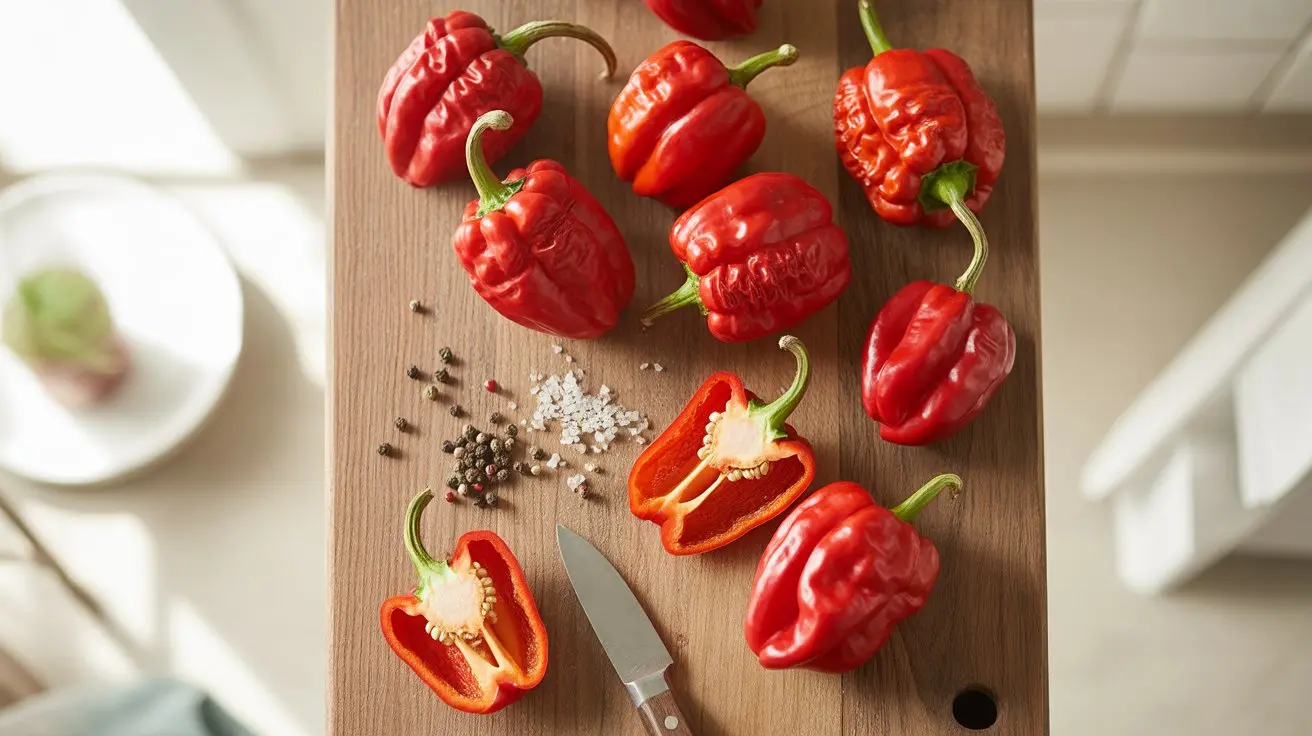
Trinidad Moruga Scorpion

The Trinidad Moruga Scorpion registers between 1,200,000 and 2,009,231 SHU, making it one of the most formidable peppers ever tested. Native to the Moruga district of Trinidad, it delivers a fruity, floral flavor before an overwhelming wave of heat that can last hours. Growing it requires patience and warm conditions, but the results are extraordinary.
- Species: C. chinense
- Heat tier: Super-Hot (1M+ SHU)
- Comparison: 402x hotter than a jalapeño
What is Trinidad Moruga Scorpion?
Few peppers command the same respect as the Trinidad Moruga Scorpion. Its super-hot intensity range sits between 1.2 million and over 2 million SHU — a figure that shocked researchers at New Mexico State University's Chile Pepper Institute when they published their 2012 testing results, briefly crowning it the world's hottest pepper.
The pod itself is distinctive: roughly golf-ball sized, deeply wrinkled, and capped with that characteristic scorpion tail. Colors run from bright red to chocolate brown depending on the variety. The skin is unusually thick for a super-hot, which contributes to its surprisingly high capsaicin oil content.
What catches growers and cooks off guard is the flavor. Before the heat builds — and it builds relentlessly — there's a genuine fruity, floral quality typical of C. chinense species peppers. Sweet and almost tropical for the first few seconds. Then the capsaicin binds to your TRPV1 receptors and the illusion of gentleness evaporates completely.
This pepper traces its roots to the Moruga district of southern Trinidad, part of a long tradition of Trinidad's pepper cultivation heritage. It's related to but distinct from the scorching certified heat of the Butch T variant, which held the Guinness record in 2011 before the Moruga Scorpion dethroned it.
Handling requires nitrile gloves, eye protection, and genuine caution. The capsaicin oils penetrate skin quickly and can cause burns lasting several hours.
History & Origin of Trinidad Moruga Scorpion
The Moruga Scorpion originates from the Moruga region in south-central Trinidad, where it grew semi-wild for generations before attracting international attention. Local communities used it in traditional cooking and folk medicine, but it remained largely unknown outside the Caribbean until the early 2000s when the super-hot pepper community began cataloging extreme varieties.
New Mexico State University's Chile Pepper Institute conducted the definitive study in 2012, testing multiple plants across multiple harvests. Their mean SHU of 1,207,764 and peak reading of 2,009,231 put the Moruga Scorpion on the world map. That peak figure remains one of the highest ever recorded for a naturally occurring variety.
The pepper's relationship to the American-bred genetics behind the Reaper's record-setting lineage highlights how Trinidad became a global source for extreme heat breeding stock. The island's climate and biodiversity created conditions for capsaicin levels rarely seen elsewhere.
How Hot is Trinidad Moruga Scorpion? Heat Level & Flavor
The Trinidad Moruga Scorpion delivers 1.2M–2M Scoville Heat Units, placing it in the Super-Hot tier (1M+ SHU). That makes it roughly 402x hotter than a jalapeño.
Flavor notes: fruity and floral.
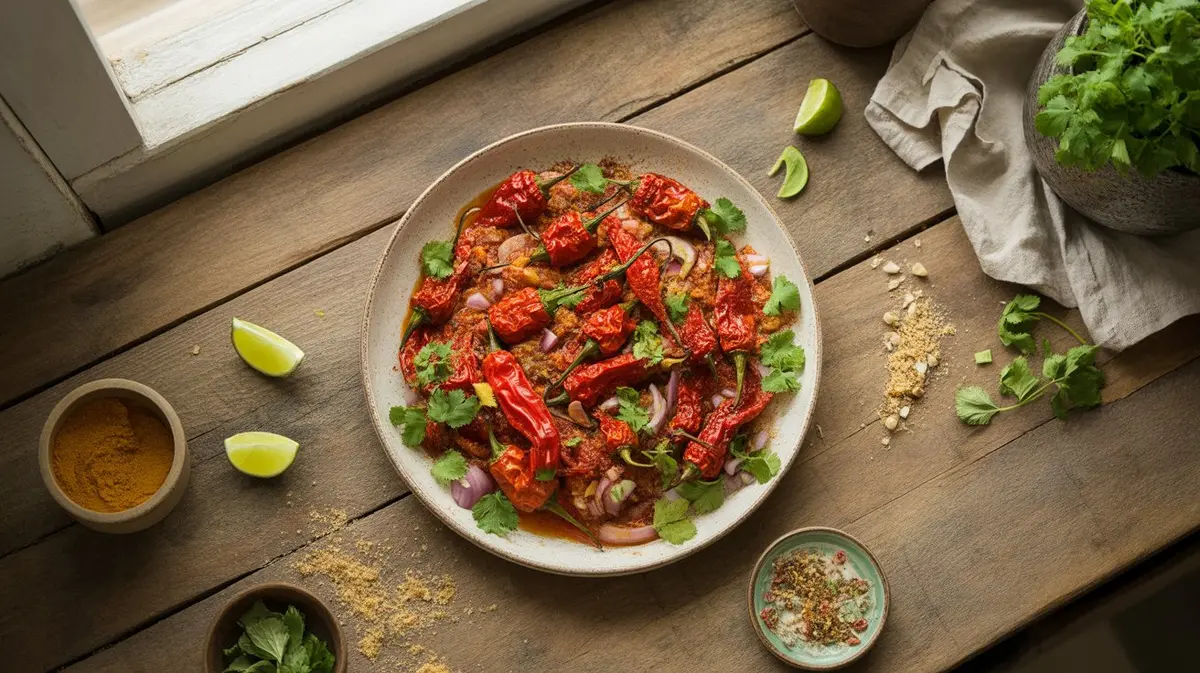
Trinidad Moruga Scorpion Nutrition Facts & Health Benefits
Like other C. chinense super-hots, the Trinidad Moruga Scorpion is nutritionally dense relative to its tiny serving size. A single pod contains meaningful amounts of vitamin C — often exceeding 100% of the daily recommended intake — along with vitamin A, vitamin B6, and potassium.
Capsaicin itself has documented metabolic effects. Research published in multiple peer-reviewed journals links capsaicin consumption to temporary increases in metabolic rate and appetite suppression. The compound is also studied for its topical analgesic properties.
Calorie content per pod is negligible — fewer than 10 calories. The real nutritional value comes from the antioxidant load in those bright red pigments, primarily carotenoids.
Best Ways to Cook with Trinidad Moruga Scorpion Peppers
Scorpion pepper hot sauce is the most practical entry point. The fruity, floral notes survive fermentation well, and diluting the mash with vinegar and fruit — mango, pineapple, tamarind — produces something genuinely complex rather than just painful. A single pod per quart of sauce is enough for most people.
Dried and powdered, the Moruga Scorpion works as a finishing spice on grilled meats, eggs, or chocolate desserts — anywhere a tiny hit of tropical fire makes sense. A quarter teaspoon can heat an entire pot of chili intended for heat-tolerant guests.
For those exploring the culinary range of extreme super-hots, this pepper pairs particularly well with fatty proteins. The capsaicin binds to fat molecules, which is why butter-based sauces or coconut milk curries temper the burn better than water-based preparations.
If you're new to cutting super-hots, reviewing safe technique for handling hot peppers is worth the five minutes. And if things go wrong, practical relief from capsaicin exposure matters more than people expect until they need it.
Never use this pepper raw in fresh salsas without significant dilution — the heat overwhelms everything else.
Where to Buy Trinidad Moruga Scorpion & How to Store
Fresh Moruga Scorpions appear at specialty markets and farmers markets during late summer in growing regions, but availability is inconsistent. Dried pods and powder are the most reliable retail form — check specialty spice retailers or online suppliers who source from reputable growers.
For fresh pods, store at 45-50°F (not the coldest part of your fridge) and use within 7-10 days. They soften quickly. Freezing whole pods works well — spread on a sheet pan first to freeze individually, then bag them. Frozen pods retain heat and flavor for 12 months.
Dried powder should be kept in an airtight container away from light. Potency fades noticeably after 18 months.
Best Trinidad Moruga Scorpion Substitutes & Alternatives
Whether you ran out of trinidad moruga scorpion or just want to try something different, these peppers make solid stand-ins. We picked them based on heat range, flavor overlap, and how well they actually work in the same dishes.
Our top pick: Chocolate Bhutlah (1.5M–2M SHU). Same species (C. chinense) and nearly the same heat, so it swaps in at a 1:1 ratio without changing the character of the dish. The flavor leans smoky and intense, which is close enough that most people won’t notice the difference in a cooked recipe.
How to Grow Trinidad Moruga Scorpion Peppers
The Moruga Scorpion is a long-season grower. From seed to first ripe pod typically runs 150 to 180 days, which means starting indoors 10 to 12 weeks before your last frost date is non-negotiable in most climates.
Germination requires consistent soil temps of 80-85°F. A heat mat under the seed tray isn't optional — it's the difference between 70% germination and 20%. Seeds can take 3 to 4 weeks to sprout, longer than most vegetable crops. Patience here pays off.
Once seedlings reach 4-6 inches, pot up gradually rather than jumping straight to a large container. The Moruga Scorpion responds well to slightly root-bound conditions early on — it triggers more aggressive flowering. Final containers should be at least 5 gallons, with 7-10 gallon pots producing noticeably larger plants.
This species needs full sun and heat. In cooler climates, black plastic mulch around the base raises soil temperature and dramatically improves yields. Compare its cultivation requirements against the similarly heat-demanding dark super-hots — both need similar care.
Feed with a low-nitrogen fertilizer once flowering begins. High nitrogen pushes leaf growth at the expense of pods. Calcium supplementation helps prevent blossom end rot, which hits thick-walled super-hots harder than thinner varieties.
Pods ripen from green to bright red over several weeks. Pick at full red for maximum heat and flavor.
Frequently Asked Questions
-
The two peppers overlap significantly in their upper ranges — both can exceed 2 million SHU at peak. The Reaper's documented genetic and regional origins give it a slightly higher average in most published tests, but individual Moruga Scorpion pods have matched or exceeded Reaper readings in controlled conditions.
-
Its certified position among the highest-rated super-hots places it consistently above 1.2 million SHU, with the Chile Pepper Institute recording a peak of 2,009,231 SHU in 2012. That peak remains one of the highest ever recorded for a naturally occurring variety.
-
Yes, and many growers prefer containers because they can move plants indoors before frost. Use at least a 7-gallon pot with well-draining soil, and place the container where it receives 8+ hours of direct sun daily. Container plants may produce slightly fewer pods than in-ground plants but are otherwise equally productive.
-
The first few seconds deliver a genuinely fruity, floral flavor — tropical and almost sweet, characteristic of the C. chinense botanical family. That pleasantness is short-lived; the heat builds rapidly and can persist for 30 minutes to over an hour depending on the individual.
-
Expect 150 to 180 days from germination to first ripe pods — one of the longer timelines among cultivated peppers. Starting seeds indoors with a heat mat in late winter is essential for gardeners in temperate climates who want to reach harvest before fall temperatures drop.
- Chile Pepper Institute: Trinidad Moruga Scorpion Testing (2012)
- New Mexico State University Press Release: World's Hottest Pepper
- USDA Nutritional Data for Hot Peppers
- Capsaicin and TRPV1 Receptor Research - National Institutes of Health
Species classification: C. chinense — based on published botanical taxonomy.