
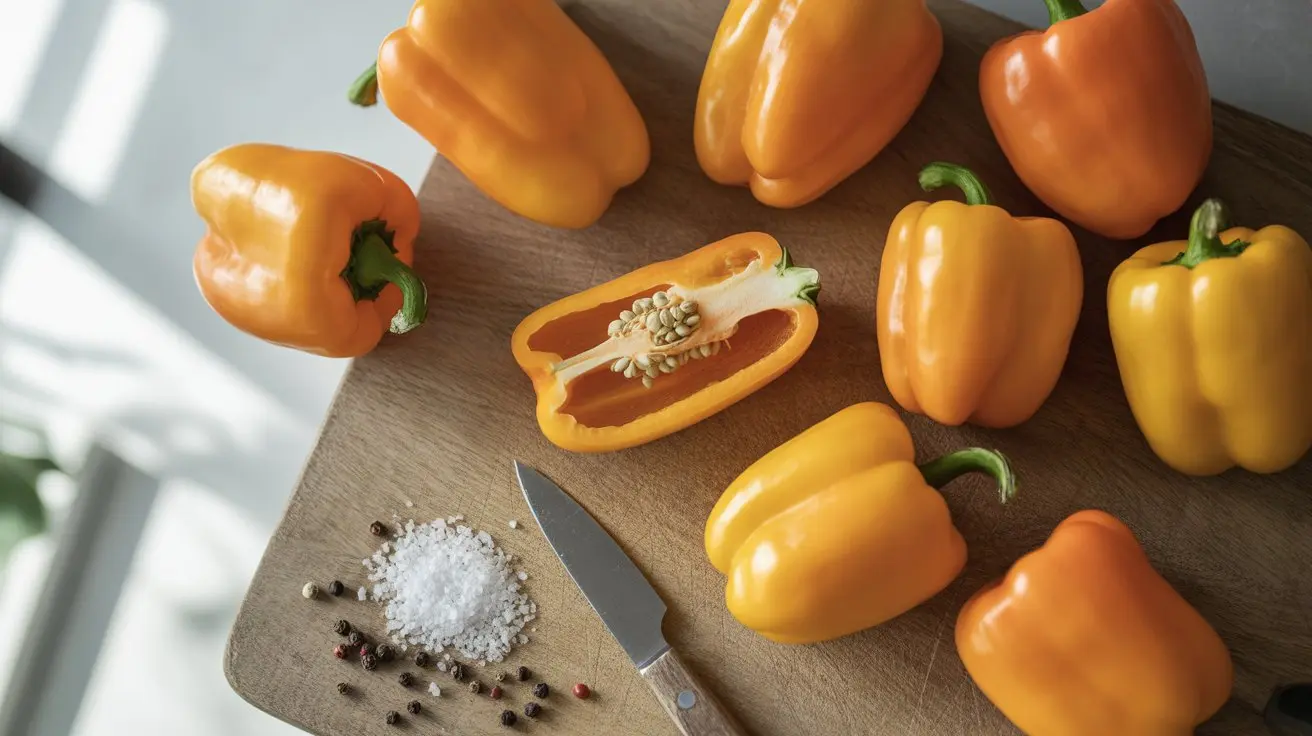
Sugar Rush Peach

The Sugar Rush Peach is a C. baccatum pepper hitting 50,000–100,000 SHU with a flavor profile that genuinely surprises — intensely fruity and sweet before the heat arrives. Developed in the USA from South American baccatum genetics, its elongated wrinkled pods ripen to a soft peach color. At roughly half a habanero's notorious burn, it sits in a sweet spot for cooking with real fire.
- Species: C. baccatum
- Heat tier: Extra-Hot (100K–1M SHU)
- Comparison: 20x hotter than a jalapeño
What is Sugar Rush Peach?
There's a moment when you bite into a Sugar Rush Peach where you think you've made a mistake — the sweetness is almost candy-like, then 50,000–100,000 SHU catches up fast. That delayed heat delivery is a baccatum signature, and this variety plays it beautifully.
The pods are elongated and heavily wrinkled, ripening from pale green through cream to a warm peach-blush. They typically run 3–4 inches long, with thin walls that dry quickly and cook down into smooth sauces. The C. baccatum species brings a citrusy, almost apricot-like undertone that distinguishes it sharply from the tropical fruitiness of chinense varieties.
Breeder Sean Doyle selected this pepper specifically for the flavor-heat combination — a deliberate departure from the arms-race mentality of extreme heat breeding. The result is a pepper that works harder in the kitchen than most in its heat range. Compare it to the biting intensity of thin-walled Southeast Asian chilis and you'll notice the Sugar Rush Peach carries far more body and sweetness alongside its fire.
For home cooks willing to handle genuine heat, this is one of the more rewarding baccatum varieties available. The flavor doesn't disappear under cooking — it concentrates.
History & Origin of Sugar Rush Peach
The Sugar Rush series emerged from breeding work in the early 2010s in the United States, with Sean Doyle credited as the primary developer. The goal was straightforward: push flavor to the foreground without sacrificing meaningful heat. The Peach variant became the standout of the series.
C. baccatum peppers have deep roots in South American pepper traditions, particularly Peru and Bolivia, where the species has been cultivated for thousands of years. Doyle drew on that genetic heritage to produce a modern variety with old-world flavor complexity. Unlike many American pepper breeding projects that chase Scoville records, the Sugar Rush line prioritized the eating experience — a philosophy more aligned with the regional pepper traditions of the British Isles where novelty varieties gained traction through flavor, not just heat.
The variety gained rapid popularity among specialty growers and hot sauce makers by 2015.
How Hot is Sugar Rush Peach? Heat Level & Flavor
The Sugar Rush Peach delivers 50K–100K Scoville Heat Units, placing it in the Extra-Hot tier (100K–1M SHU). That makes it roughly 20x hotter than a jalapeño.
Flavor notes: fruity and sweet.
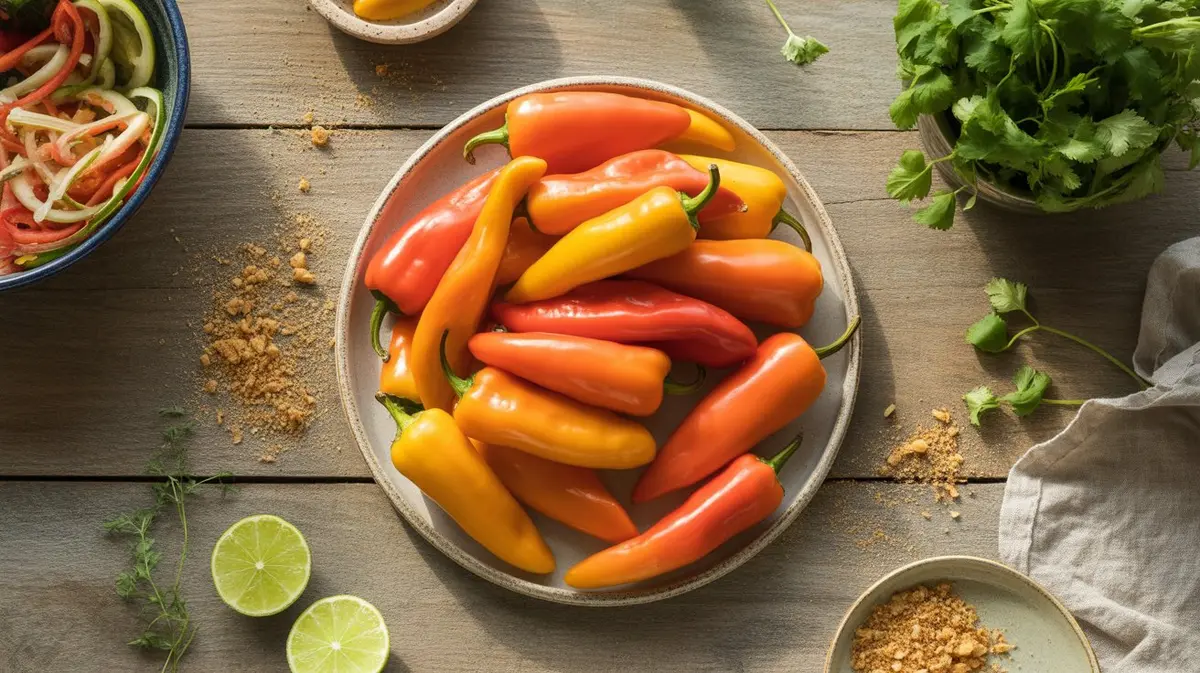
Sugar Rush Peach Nutrition Facts & Health Benefits
Like most hot peppers in its heat range, the Sugar Rush Peach delivers vitamin C in significant quantities — fresh baccatum pods typically contain more vitamin C per gram than citrus fruit. The capsaicin compounds responsible for the 50,000–100,000 SHU heat have been studied for anti-inflammatory properties, with research from the C. baccatum botanical lineage showing strong antioxidant activity.
A 100g serving of fresh pods provides roughly 40 calories, with meaningful amounts of vitamin A (from carotenoids responsible for the peach color), vitamin B6, and potassium. The thin walls mean lower water content than bell peppers, so the nutrient density per calorie is relatively high.
Best Ways to Cook with Sugar Rush Peach Peppers
The Sugar Rush Peach earns its place in the kitchen through sheer versatility. The fruity-sweet flavor pairs exceptionally well with stone fruits — peach preserves, mango chutney, apricot glazes — in ways that few hot peppers can claim. A small-batch peach-pepper hot sauce using these pods alongside fresh ginger and white wine vinegar produces something genuinely complex.
Thin walls mean these dry fast, either in a dehydrator at 125°F or strung in a warm room. Dried and ground, the powder carries both heat and a faint sweetness that works on grilled chicken or pork ribs. Fresh pods can be sliced into salsas where you'd normally reach for the sharp, fruity punch of orange habanero-style heat — but with more sweetness to balance.
For fermented hot sauces, these shine. The natural sugars feed lacto-fermentation beautifully, and a 2–3% salt brine ferment over two weeks produces a sauce with rounded heat and almost tropical depth. The pepper's body also holds up well to roasting — char them over an open flame and the skin peels back to reveal concentrated, jammy flesh perfect for compound butters or dipping sauces.
Where to Buy Sugar Rush Peach & How to Store
Fresh Sugar Rush Peach pods are rare at retail — your best bet is farmers markets, specialty grocers, or growing your own. Seeds are widely available from Baker Creek, Cross Country Nurseries, and numerous online seed vendors.
Fresh pods keep 1–2 weeks refrigerated in a paper bag — avoid sealed plastic, which accelerates moisture buildup. For longer storage, slice and freeze on a sheet pan before transferring to bags; frozen pods work perfectly in cooked sauces. Dried whole pods store 12+ months in an airtight container away from light. Ground powder stays potent for about 6 months before flavor degrades noticeably.
Best Sugar Rush Peach Substitutes & Alternatives
Whether you ran out of sugar rush peach or just want to try something different, these peppers make solid stand-ins. We picked them based on heat range, flavor overlap, and how well they actually work in the same dishes.
Our top pick: Apollo Pepper (50K–100K SHU). The heat level is close enough for a direct swap in salsas, sauces, and stir-fries. Flavor leans bright and crisp, so the taste will shift a bit — but the overall heat stays in the same range.
How to Grow Sugar Rush Peach Peppers
Baccatum varieties run longer from seed to harvest than most annuum types — expect 90–110 days from transplant. Start seeds indoors 10–12 weeks before your last frost date. Soil temperature for germination should stay at 80–85°F; a heat mat makes a real difference with baccatum seeds, which can be slower to pop than chinense or annuum varieties.
Transplant outdoors after all frost risk passes and nights stay above 55°F. These plants get tall — 3–4 feet is common, sometimes more in warm climates — so stake early. Spacing at 18–24 inches gives airflow and reduces fungal pressure. Full sun is non-negotiable; shaded plants produce fewer pods and weaker flavor.
The wrinkled pods are somewhat prone to sunscald during heat waves. Review practical guidance on pepper sunscald before summer peaks — shade cloth at 30% during the hottest weeks protects pods without reducing overall yield meaningfully. Water consistently; baccatum plants drop flowers under drought stress faster than most species. A mid-season side dressing of balanced fertilizer around week 8 post-transplant keeps production going into fall.
Frequently Asked Questions
-
At 50,000–100,000 SHU, the Sugar Rush Peach sits at roughly the same level as a mid-range habanero, which typically runs 100,000–350,000 SHU — so it's meaningfully milder than a hot habanero but in the same neighborhood as a mild one. The heat delivery feels different though: baccatum varieties tend to build more gradually and fade faster than chinense peppers.
-
The flavor is genuinely fruity and sweet — closer to apricot or peach than the tropical mango notes you get from habanero-type peppers. The C. baccatum species contributes a citrusy brightness that makes the sweetness feel crisp rather than cloying.
-
Yes, with some adjustment — use slightly more Sugar Rush Peach by volume since the lower end of its heat range sits below a typical habanero. The flavor substitution works well in fruit-forward sauces, though the baccatum fruitiness differs from habanero's tropical character.
-
Expect 90–110 days from transplant to ripe pods, which is longer than most jalapeño or cayenne varieties. Starting seeds indoors 10–12 weeks before last frost gives the plants enough runway to produce a full harvest before cold weather arrives.
-
That's sunscald — a common issue with thin-walled peppers during intense summer heat, and baccatum varieties are somewhat more susceptible than thicker-walled types. Thirty-percent shade cloth during peak afternoon sun prevents most sunscald without significantly reducing yield.
- Chile Pepper Institute - C. baccatum Species Overview
- Baker Creek Heirloom Seeds - Sugar Rush Peach
- USDA Agricultural Research Service - Capsicum Nutrition Data
- Cross Country Nurseries - Pepper Variety Database
Species classification: C. baccatum — based on published botanical taxonomy.
