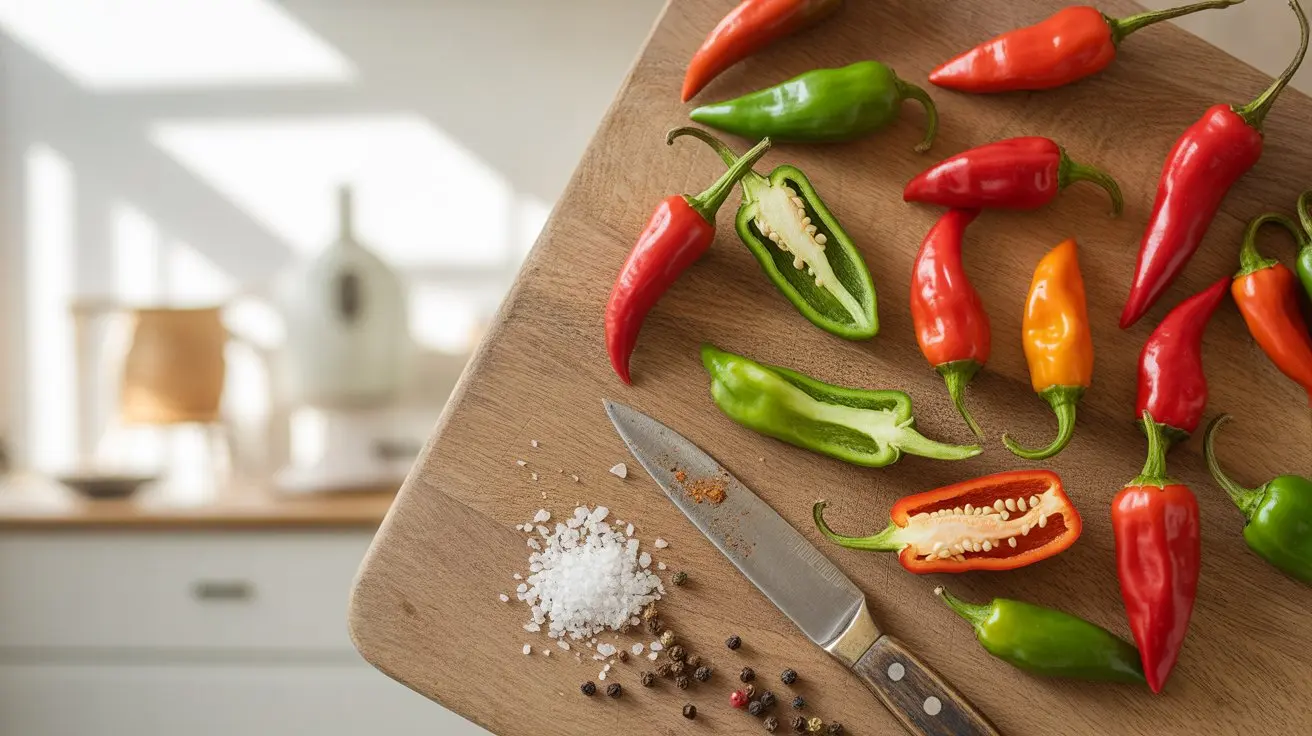
Siling Labuyo

Siling Labuyo is the Philippines' fiercest native chili, packing 80,000–100,000 SHU into a finger-sized pod that hits roughly 20 times hotter than a jalapeño. Its heat is sharp and immediate, with a pungent edge that Filipino cooks have relied on for centuries. Small in size but enormous in character, it anchors everything from vinegar dipping sauces to slow-braised stews.
- Species: C. frutescens
- Heat tier: Extra-Hot (100K–1M SHU)
- Comparison: 20x hotter than a jalapeño
What is Siling Labuyo?
The first time I encountered Siling Labuyo at a Manila street market, the vendor laughed when I bought a whole bag — then handed me a glass of water I didn't ask for. That sharp, almost metallic pungency hits before the heat does, which is saying something for a pepper that registers 80,000–100,000 SHU.
Belonging to C. frutescens, the same species as Tabasco, Siling Labuyo grows as a bushy perennial shrub across the Philippine archipelago. The pods are small and conical, typically 1–2 inches long, ripening from green through yellow to a vivid red. Unlike many chilies that soften their heat with sweetness, this one stays relentlessly sharp — a quality Filipinos call anghang, a word that captures both heat and pungency simultaneously.
At this heat level, it sits comfortably in the extra-hot pepper range, outpacing the datil by a meaningful margin and putting it in the same territory as the fiery intensity of Thai Dragon. The burn activates quickly and spreads evenly across the palate, without the slow creep you get from some tropical chilies.
For everyday Filipino cooking, Siling Labuyo is non-negotiable. It appears fresh, dried, or crushed into vinegar-based condiments called sawsawan that accompany nearly every meal. Its role in the Filipino pepper tradition is as foundational as the chili itself is potent.
History & Origin of Siling Labuyo
The name translates loosely as "wild chili" in Tagalog — labuyo suggesting something untamed and self-seeding, which describes its growth habit perfectly. Capsicum frutescens arrived in the Philippines through Spanish colonial trade routes in the 16th century, likely via the Manila Galleon trade connecting Acapulco to Manila.
Once established, the pepper naturalized so thoroughly across the islands that it became indistinguishable from indigenous flora. Filipino culinary identity absorbed it completely. By the 19th century, Siling Labuyo appeared in regional cookbooks and medicinal texts as a treatment for everything from digestive ailments to topical pain relief.
The pepper's wild-growing habit — dropping seeds freely and sprouting along roadsides, garden edges, and forest clearings — reinforced its reputation as a plant that belongs to everyone. Today it remains a staple across the broader Filipino pepper tradition, cultivated in home gardens and sold fresh at wet markets throughout Luzon, Visayas, and Mindanao.
How Hot is Siling Labuyo? Heat Level & Flavor
The Siling Labuyo delivers 80K–100K Scoville Heat Units, placing it in the Extra-Hot tier (100K–1M SHU). That makes it roughly 20x hotter than a jalapeño.
Flavor notes: sharp and pungent.
Siling Labuyo Nutrition Facts & Health Benefits
Like most hot peppers, Siling Labuyo delivers nutritional value well beyond its size. A 100g serving of fresh pods provides roughly 40 calories, significant vitamin C (often exceeding 100% of daily recommended intake), and meaningful amounts of vitamin A from carotenoids that intensify as the pods ripen red.
The capsaicin compound responsible for its 80,000–100,000 SHU heat has been studied for anti-inflammatory and metabolic effects, though typical serving sizes are small enough that culinary use contributes modestly. Iron, potassium, and B vitamins round out the profile. Dried pods concentrate these nutrients significantly.
Best Ways to Cook with Siling Labuyo Peppers
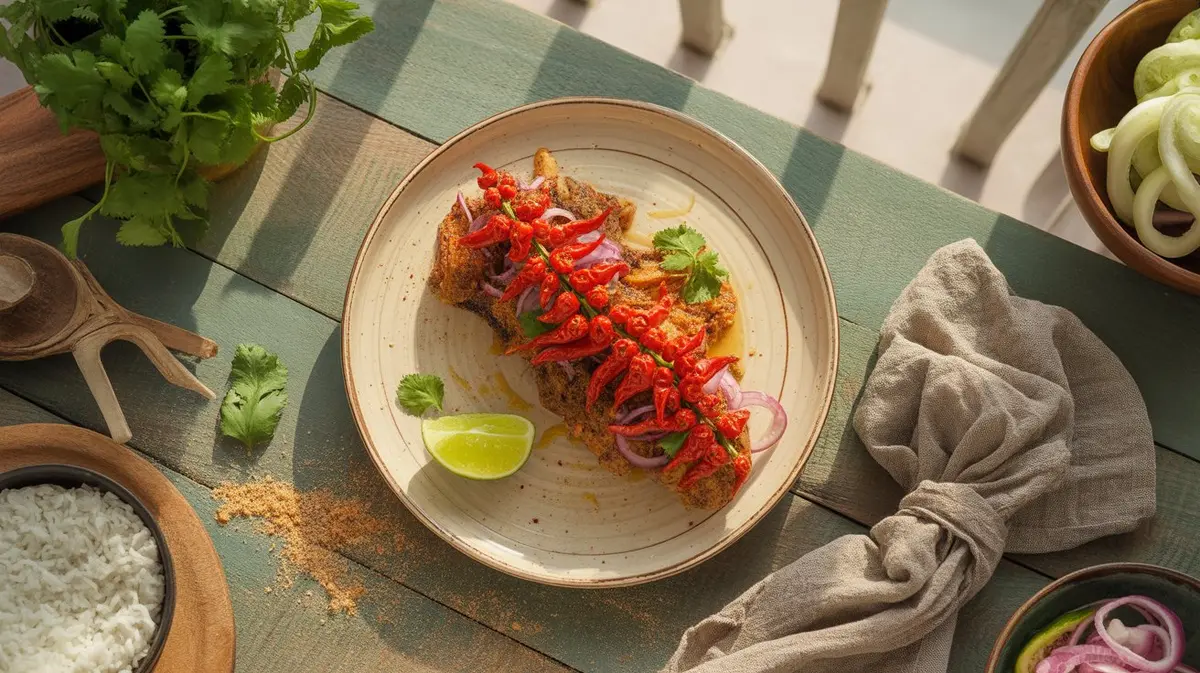
Siling Labuyo anchors sawsawan, the vinegar-based dipping sauces that define Filipino table culture. The simplest version — crushed fresh chilies steeped in cane vinegar — accompanies fried fish, grilled pork, and lechon with minimal fuss and maximum effect.
For sinigang, the sour tamarind soup that appears on nearly every Filipino table, a few whole pods dropped into the broth add background heat without overwhelming the dish's signature tartness. The same approach works in adobo — the vinegar and garlic already present in the dish amplify the chili's pungency in an interesting way.
Dried Siling Labuyo behaves differently than fresh. The sharp edge mellows slightly and a deeper, almost smoky character emerges, making it useful in spice pastes and long-cooked stews. Compared to the bright fruity notes of a peach-toned 50K–100K SHU variety, Siling Labuyo stays decidedly savory throughout.
For heat management, remove seeds and membranes before adding to sauces where you want the flavor without full intensity. A single pod, seeds included, is enough to season a pot of rice porridge for four people. The oil-soluble capsaicin disperses well into coconut milk-based dishes like ginataang preparations, making those deceptively hot.
Where to Buy Siling Labuyo & How to Store
Fresh Siling Labuyo appears at Filipino grocery stores and Asian markets, typically sold in small bundles. Look for firm, glossy pods with no soft spots — green pods are sharp and grassy, red ones are hotter and more complex.
Refrigerate fresh pods in a paper bag inside a plastic bag; they keep 1–2 weeks this way. For longer storage, thread them on string and air-dry in a warm spot, or freeze whole pods directly — no blanching needed. Dried Siling Labuyo, sold in bags or as flakes, keeps 12 months in a sealed container away from light.
For growing your own, reputable seed suppliers carry authentic Philippine-sourced stock.
Best Siling Labuyo Substitutes & Alternatives
Whether you ran out of siling labuyo or just want to try something different, these peppers make solid stand-ins. We picked them based on heat range, flavor overlap, and how well they actually work in the same dishes.
Our top pick: Apollo Pepper (50K–100K SHU). The heat level is close enough for a direct swap in salsas, sauces, and stir-fries. Flavor leans bright and crisp, so the taste will shift a bit — but the overall heat stays in the same range.
How to Grow Siling Labuyo Peppers
Siling Labuyo behaves like the perennial it is — given warm temperatures and decent soil, it will grow into a shrubby plant 2–4 feet tall that produces prolifically for multiple seasons. In USDA zones 10–12, it overwinters without intervention. Elsewhere, treat it as an annual or bring containers indoors before first frost.
Start seeds indoors 8–10 weeks before transplant, maintaining soil temperature around 80–85°F for germination. C. frutescens varieties can be slower to sprout than annuum types — patience matters here. If you want a detailed walkthrough on timing and technique, the step-by-step guide to growing peppers covers the full process.
Full sun is non-negotiable: 6–8 hours minimum. The plant tolerates drought better than waterlogging, so err toward underwatering once established. Watch for pepper leaves curling — it usually signals inconsistent watering or spider mite pressure in hot, dry conditions.
Calcium deficiency can cause blossom end rot in peppers, particularly during rapid fruiting periods. Consistent moisture and a balanced fertilizer with micronutrients prevents most cases. The plants set fruit abundantly — expect dozens of pods per plant at peak season, ripening over several weeks in succession.
Frequently Asked Questions
-
Siling Labuyo measures 80,000–100,000 SHU, which puts it at or above the datil's typical upper range of around 100,000 SHU — making them rough equals, with Labuyo's heat tending to be sharper and more immediate. The datil carries a slightly fruity sweetness that Siling Labuyo lacks entirely.
-
They are closely related but distinct — both belong to C. frutescens with similar fiery heat characteristics, but Siling Labuyo is specifically the Philippine landrace with its own flavor profile shaped by local growing conditions. Visually they look nearly identical, which causes frequent confusion in markets outside Southeast Asia.
-
The closest substitutes are Bird's Eye Chili or the similarly intense Brazilian Malagueta, recognizable by its small tapered form, both of which share the sharp, pungent heat style. Tabasco peppers also work in cooked applications where the flavor difference matters less than the heat level.
-
The C. frutescens species produces a distinctly sharp, almost acrid pungency compared to the fruity or smoky notes found in C. chinense or C. annuum varieties at similar heat levels. This quality comes from the specific capsaicinoid profile and volatile compounds the species produces, not just raw capsaicin concentration.
-
Capsaicin is heat-stable, so cooking doesn't significantly reduce the burn — but prolonged simmering in liquid does redistribute the heat more evenly through a dish, making individual bites feel less intense. Removing seeds and membranes before cooking has a much larger effect on perceived heat than cooking time does.
- Chile Pepper Institute - Capsicum frutescens Species Overview
- Philippine Institute for Traditional and Alternative Health Care - Medicinal Plants
- USDA Agricultural Research Service - Capsicum Germplasm
Species classification: C. frutescens — based on published botanical taxonomy.