
Sichuan pepper is not actually a pepper at all — it is the dried husk of a berry from the Zanthoxylum shrub, native to China's Sichuan province. Rather than delivering heat, it triggers a distinctive tingling numbness on the tongue. Chefs prize it for the electric, citrusy buzz it adds to dishes, making it one of the most fascinating spices in any kitchen.
- Heat tier: Mild (0–999 SHU)
What is ?
Most people assume Sichuan pepper belongs somewhere on the Scoville scale's heat tier spectrum alongside chiles — it does not. Capsaicin is entirely absent. The numbing sensation comes from hydroxy-alpha-sanshool, a compound that activates tactile nerve fibers rather than heat receptors, producing a buzzing, almost electric tingle that starts on the lips and radiates across the tongue.
Botanically, Sichuan pepper comes from Zanthoxylum simulans or Zanthoxylum bungeanum, both members of the citrus family (Rutaceae). The spice is the dried outer husk of the berry — the dark seed inside is typically discarded because it contributes a gritty, unpleasant texture without adding flavor.
The flavor profile is genuinely unlike anything else: floral, citrusy, slightly piney, with a persistent tingly finish. When combined with dried chiles — as in the classic Chinese pairing called mala (meaning 'numbing-spicy') — the sanshool amplifies the perception of chile heat while simultaneously deadening pain sensitivity. The result is paradoxically more intense and more tolerable at the same time.
Ground Sichuan pepper loses its potency quickly. Whole husks stored in an airtight container hold their aromatic oils for up to a year; pre-ground powder fades noticeably within a few weeks. Toasting whole husks in a dry pan for 30 seconds before grinding is the single most impactful step you can take with this spice.
History & Origin of
Sichuan pepper has been used in Chinese cooking for at least 2,000 years, predating the introduction of New World chiles to Asia by roughly 1,500 years. Historical records from the Han dynasty reference it as a ritual offering and a preservative for meats, not just a flavoring agent.
For decades, the United States banned imports of fresh Sichuan peppercorns out of concern that the Zanthoxylum plant could harbor citrus canker disease. The ban ran from 1968 until 2005, when the USDA lifted restrictions on heat-treated imports. That single policy change is largely responsible for the explosion of authentic Sichuan cuisine in American restaurants after 2005.
Today, Sichuan province remains the primary production region, though Japanese sansho and Nepalese timur are closely related species with similar sanshool profiles used in their respective culinary traditions.
How Hot is ? Heat Level & Flavor
The delivers 0 Scoville Heat Units, placing it in the Mild tier (0–999 SHU).
Nutrition Facts & Health Benefits
Sichuan pepper is used in quantities too small to contribute meaningful macronutrients — a typical serving is under a gram. What it does provide in trace amounts includes iron, manganese, and zinc, along with volatile aromatic oils including linalool and limonene that are responsible for its citrus character.
The active compound hydroxy-alpha-sanshool has been studied for mild analgesic and antimicrobial properties. Traditional Chinese medicine has used Zanthoxylum preparations for digestive complaints for centuries. As a spice rather than a supplement, nutritional impact is negligible, but the flavor contribution per gram used is extraordinarily high.
Best Ways to Cook with Peppers
The mala pairing of Sichuan pepper with dried chiles is the backbone of dishes like mapo tofu, dan dan noodles, and Chongqing hot pot. The numbing effect from sanshool does something counterintuitive: it lowers pain sensitivity just enough that the chile burn feels more diffuse, pushing the overall experience toward pleasure rather than punishment.
Toast whole husks in a dry skillet over medium heat until fragrant — about 30 to 45 seconds. Grind immediately before using. A mortar and pestle works better than a spice grinder for small quantities because you can sift out the seeds more easily.
Beyond Chinese cooking, Sichuan pepper works well in spice rubs for duck and lamb, where its citrus-floral notes cut through rich fat. It also appears in Japanese shichimi togarashi blends alongside the sweetly mild, thin-walled NuMex Joe E. Parker and other dried chiles.
For readers who enjoy building complex spice profiles without adding fire, pairing Sichuan pepper with the fruity, heat-free habanada sensory experience produces a dish with remarkable aromatic depth and zero burn. Use about half a teaspoon of ground Sichuan pepper per serving as a starting point — sanshool intensity varies significantly by batch and freshness.
Where to Buy & How to Store
Buy whole husks, not pre-ground powder. The aromatic oils that carry both flavor and tingling effect dissipate rapidly once ground. Reputable Asian grocery stores and specialty spice retailers typically stock fresher product than most supermarket spice aisles.
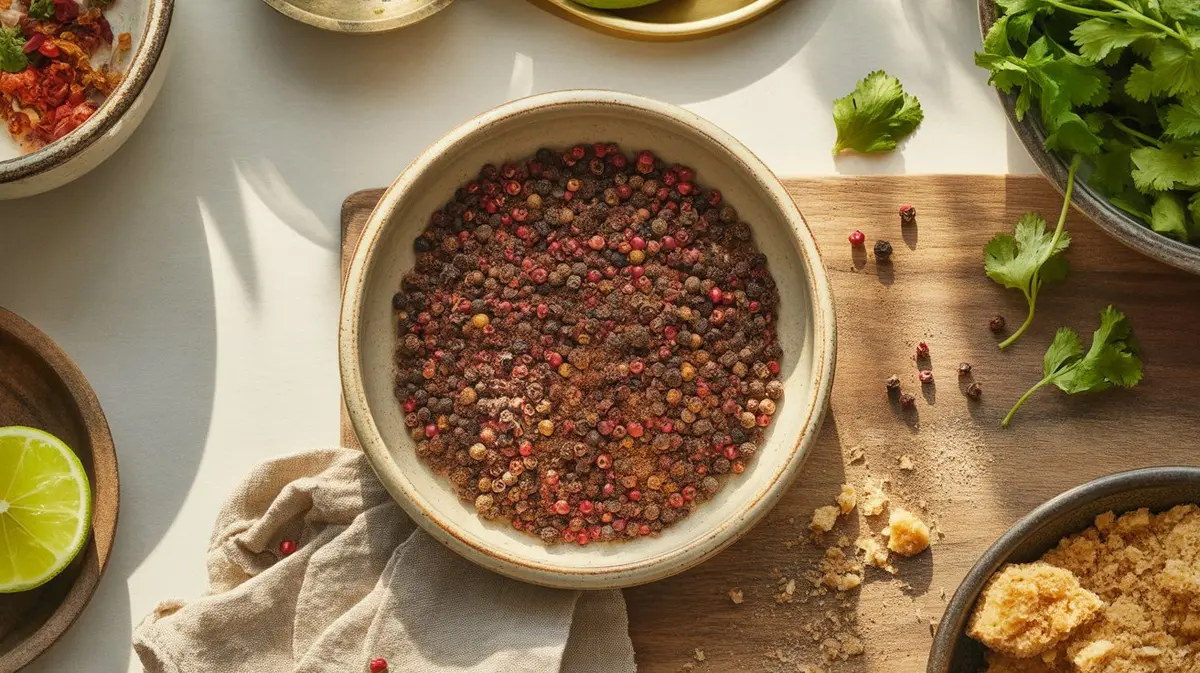
Check that husks are reddish-pink to reddish-brown and smell citrusy and floral when rubbed between your fingers. Pale, dusty-brown husks with little aroma are stale. Store whole husks in an airtight glass jar away from light and heat — they hold well for 12 months. Ground Sichuan pepper degrades noticeably within 4 to 6 weeks.
Best Substitutes & Alternatives
Whether you ran out of or just want to try something different, these peppers make solid stand-ins. We picked them based on heat range, flavor overlap, and how well they actually work in the same dishes.
Our top pick: Sweet Italian Pepper (0–100 SHU). The heat level is close enough for a direct swap in salsas, sauces, and stir-fries. Flavor leans sweet and mild, so the taste will shift a bit — but the overall heat stays in the same range.
How to Grow Peppers
Growing Zanthoxylum shrubs is a long-term commitment — these are woody perennials, not annual plants like capsicum peppers. The shrub reaches 6 to 10 feet tall at maturity and begins producing harvestable berries in its second or third year.
Hardiness varies by species: Z. simulans tolerates temperatures down to roughly USDA Zone 6, while Z. bungeanum prefers the warmer end of Zone 7 and above. Both need full sun and well-draining soil. Waterlogged roots are the most common cause of failure in home cultivation.
Propagation from cuttings is more reliable than seed starting. If you are starting from seed, stratify cold for 60 to 90 days before planting. For gardeners who want a thorough walkthrough of starting plants indoors, the step-by-step indoor growing guide covers soil mix and container sizing that translates well to Zanthoxylum seedlings.
Harvest the berry clusters in late summer when husks turn from green to reddish-pink but before they split open fully. Dry at low heat (below 140°F) or air-dry in a single layer for 3 to 5 days. Watch for yellowing foliage — if you notice leaf color changes, the practical guidance on yellow pepper leaves addresses many of the same nutrient deficiency patterns that affect Zanthoxylum.
Frequently Asked Questions
-
No — Sichuan pepper is the dried husk of a berry from the Zanthoxylum shrub, which belongs to the citrus family, not the capsicum family. It contains no capsaicin and registers 0 SHU on the Scoville scale, placing it firmly in the zero-heat end of the spice spectrum.
-
The compound hydroxy-alpha-sanshool activates low-threshold mechanoreceptor fibers in your lips and tongue, producing a buzzing, tingling numbness rather than heat. Research published in the Journal of Neurophysiology describes it as triggering a vibration sensation at roughly 50 Hz — closer to a mild electric current than a burn.
-
The mala combination works because sanshool's numbing effect modulates pain sensitivity, making the burn from dried chiles feel more diffuse and tolerable while simultaneously amplifying the perception of spice. Dishes like mapo tofu and Chongqing hot pot are built on this pairing — the two sensations are designed to compound each other.
-
Yes, but it requires patience — Zanthoxylum is a woody perennial shrub that takes two to three years before it produces harvestable berries. It grows well in USDA Zones 6 through 9 depending on species, needs full sun and excellent drainage, and is propagated most reliably from cuttings rather than seed.
-
Japanese sansho (Zanthoxylum piperitum) is the closest substitute, offering a similar citrus-floral profile with comparable sanshool content. In a pinch, a small amount of lemon zest combined with black pepper approximates the citrusy-tingly character, though it lacks the true numbing effect.