Prairie Fire

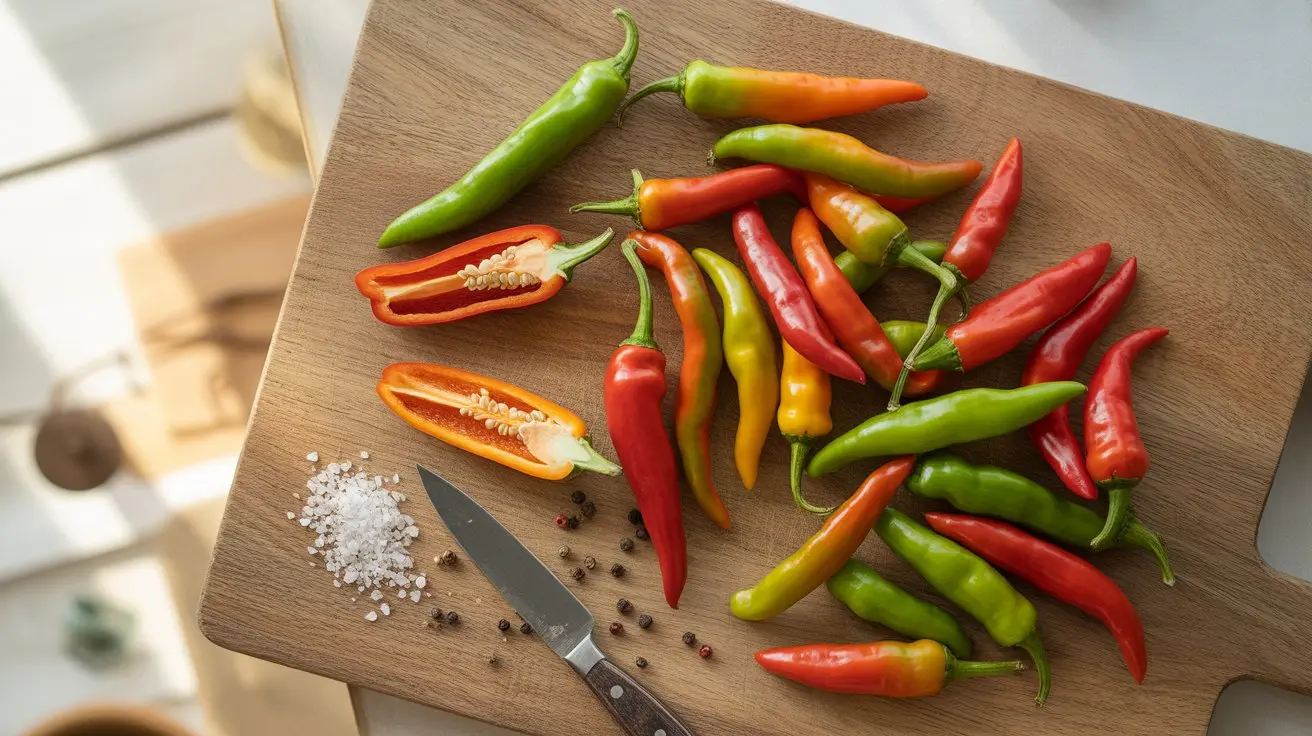
Prairie Fire is a compact C. annuum ornamental pepper from the USA, clocking in at 70,000-80,000 SHU — roughly 16x hotter than a jalapeño and comparable to a Thai chili at its peak. Small, upright fruits shift from purple to yellow to red as they ripen. It grows well in containers and doubles as a striking garden plant with real heat behind those tiny pods.
- Species: C. annuum
- Heat tier: Hot (10K–100K SHU)
- Comparison: 16x hotter than a jalapeño
What is Prairie Fire?
Prairie Fire sits in an interesting position among hot peppers in the 10K-100K SHU range: it looks ornamental but bites like it means business.
The pods are tiny — typically under an inch — and grow pointing upward from the plant in dense clusters. As they mature, they cycle through purple, cream, yellow, orange, and finally red, giving the plant a multicolored confetti appearance at any given moment.
At 70,000-80,000 SHU, the heat is sharp and immediate. There's a bright, clean quality to the burn that some describe as almost citrusy before the intensity sets in. This puts it above the fiery punch of tabasco-style peppers and in the same general territory as Thai bird chilies.
Botanically, it belongs to the Capsicum annuum lineage, which includes everything from bell peppers to cayennes — though Prairie Fire's heat output would surprise anyone who thinks of this species as mild.
The plant itself stays compact, usually topping out around 10-12 inches tall, which makes it a favorite for container growing and indoor windowsill gardens. Despite its ornamental reputation, every part of the fruit is edible and genuinely flavorful — bright and hot with minimal underlying sweetness.
History & Origin of Prairie Fire
Prairie Fire was developed in the United States as part of a wave of compact ornamental pepper breeding that gained traction in the latter half of the 20th century. Breeders working with American pepper traditions were interested in creating plants that could serve double duty — decorative enough for the home garden or patio container, but with real culinary heat.
Unlike many heirloom varieties with centuries of documented use, Prairie Fire is a relatively modern cultivar. Its parentage traces back to small hot pepper types within the Capsicum annuum species, selectively bred for compact growth habit, upright pod orientation, and multicolored fruit development.
By the 1990s and 2000s, it had become a staple of the ornamental pepper market in the US, appearing in garden centers alongside purely decorative types like Black Pearl and Medusa — though Prairie Fire always retained its edible, high-heat credentials.
How Hot is Prairie Fire? Heat Level & Flavor
The Prairie Fire delivers 70K–80K Scoville Heat Units, placing it in the Hot tier (10K–100K SHU). That makes it roughly 16x hotter than a jalapeño.
Flavor notes: bright and hot.
Prairie Fire Nutrition Facts & Health Benefits
Like most hot peppers, Prairie Fire pods are nutritionally dense relative to their small size. They're a solid source of vitamin C — hot peppers generally contain more per gram than citrus — along with vitamin A from the carotenoids responsible for their red color at maturity.
Capsaicin, the compound driving Prairie Fire's 70,000-80,000 SHU heat, has been studied for anti-inflammatory and metabolic effects. The pods are low in calories and contain small amounts of potassium, vitamin B6, and iron.
Because the pods are typically consumed in small quantities, they contribute more as a flavor and heat element than a primary nutritional source.
Best Ways to Cook with Prairie Fire Peppers
Don't let the ornamental label fool you — Prairie Fire peppers are fully edible and worth using in the kitchen.
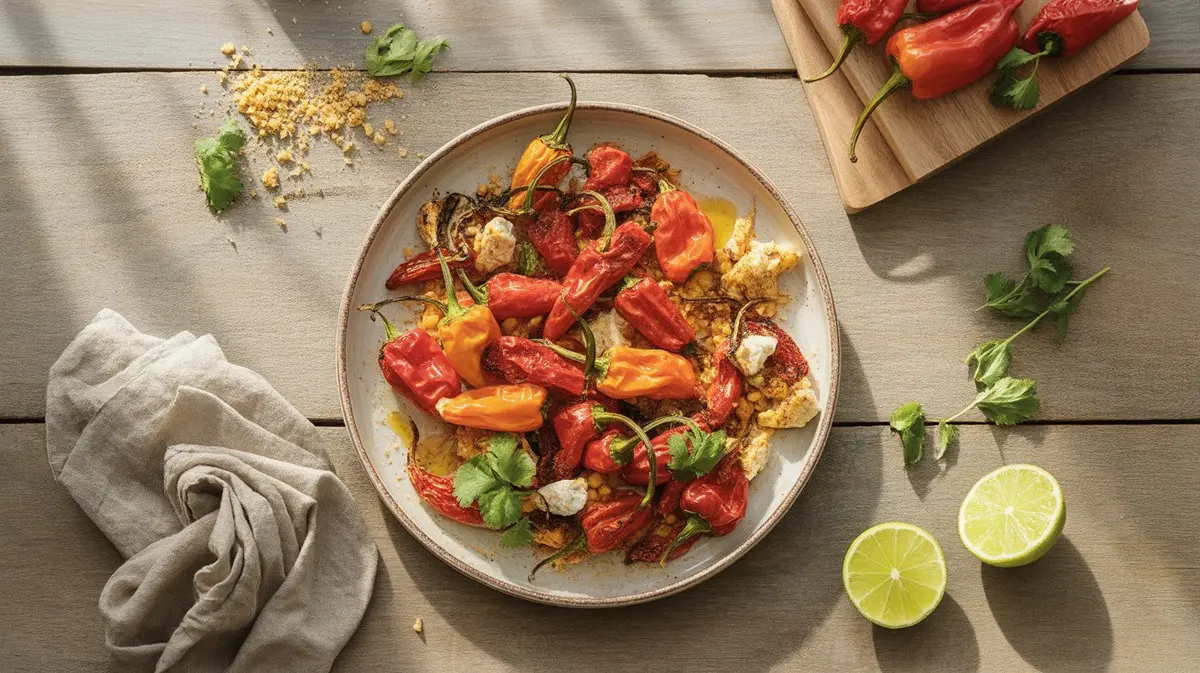
Fresh pods deliver bright, clean heat that works well where you want intensity without the thick flesh of a larger pepper getting in the way. Toss a few into a stir-fry in place of Thai bird chilies; the flavor profile is comparable, and the heat lands in the same range. For reference, Thai chilies typically run 50,000-100,000 SHU, so Prairie Fire sits right in that zone.
Dried Prairie Fire pods are excellent crushed into flakes or ground into powder. The drying process concentrates the heat and adds a subtle smokiness that the fresh pods don't quite have. Use the powder anywhere you'd reach for cayenne but want something slightly brighter.
For comparison, consider how Pakistani dried chilies known for deep savory heat are used in spice blends — Prairie Fire works similarly in ground applications.
Pickling is another strong option. The small pod size means they fit whole into jars without any prep work, and they hold their color beautifully in brine. A jar of mixed-color Prairie Fire pickles is genuinely striking on a cheese board.
Because the pods are small and thin-walled, cooking times are short — they'll soften and release heat into oil within 30-60 seconds over high heat.
Where to Buy Prairie Fire & How to Store
Prairie Fire peppers turn up at farmers markets and specialty grocers during summer and fall, though they're far more commonly sold as live plants at garden centers than as fresh produce.
Fresh pods keep in the refrigerator for 1-2 weeks in a paper bag or loosely wrapped. For longer storage, dry them whole — spread on a baking sheet at 150-170°F for 4-6 hours — or freeze them in a single layer before transferring to a bag.
Seeds are widely available from online retailers. Look for reputable seed sellers to ensure you're getting true Prairie Fire rather than a generic ornamental type with lower heat.
Best Prairie Fire Substitutes & Alternatives
Whether you ran out of prairie fire or just want to try something different, these peppers make solid stand-ins. We picked them based on heat range, flavor overlap, and how well they actually work in the same dishes.
Our top pick: Tien Tsin (50K–75K SHU). Same species (C. annuum) and nearly the same heat, so it swaps in at a 1:1 ratio without changing the character of the dish. The flavor leans sharp and smoky, which is close enough that most people won’t notice the difference in a cooked recipe.
How to Grow Prairie Fire Peppers
The hardest part of growing Prairie Fire isn't germination — it's managing the plant after fruit set. Once pods start developing, the plant puts enormous energy into fruit production, and without adequate water and feeding, you'll see leaf drop and stunted pods. Keep soil consistently moist (not waterlogged) and feed with a balanced fertilizer every two weeks once flowering begins.
Container growing is where Prairie Fire genuinely excels. A 6-8 inch pot is sufficient for a single plant. Use well-draining potting mix and make sure the container has drainage holes — these plants hate wet feet.
For practical guidance on spacing when growing multiple plants, Prairie Fire can be placed as close as 12 inches apart in ground beds, though 15-18 inches gives better airflow and reduces fungal pressure.
For those interested in pruning techniques that improve pepper yields, Prairie Fire responds well to light pruning early in the season. Pinching back the first flower buds delays fruiting but produces a bushier plant with more total pods.
Prairie Fire needs full sun — at least 6 hours daily. In lower light, the plant stays green but pod production drops significantly. Indoors, a south-facing window or grow lights set to 14-16 hours daily will keep it productive.
Compared to Apollo's cultivation needs in similar heat brackets, Prairie Fire is more forgiving in containers and handles temperature swings better, making it a solid choice for first-time hot pepper growers.
Frequently Asked Questions
-
They are fully edible — the ornamental label refers to their appearance, not their edibility. At 70,000-80,000 SHU, they bring serious heat comparable to Thai bird chilies and work well dried, pickled, or used fresh in stir-fries.
-
Thai chilies typically range from 50,000-100,000 SHU, so Prairie Fire falls squarely in that zone at 70,000-80,000 SHU. The heat character is similar — sharp, bright, and fast-hitting rather than slow and deep.
-
Yes, and they're one of the better hot pepper varieties for indoor growing given their compact 10-12 inch height. They need at least 14-16 hours of bright light daily indoors, so a south-facing window or supplemental grow lights is essential for consistent pod production.
-
Green pods are simply unripe — the color progression from purple through yellow to red takes time and requires adequate sunlight. Plants in low-light conditions often stall at the green or purple stage, so increasing light exposure is usually the fix.
-
Drying works exceptionally well given the thin pod walls — oven drying at 150-170°F for 4-6 hours produces pods that can be ground into powder or stored whole for months. Pickling whole pods in brine is another excellent option that preserves both heat and the peppers' striking color.
- Chile Pepper Institute - Capsicum Varieties
- University of Florida IFAS - Ornamental Pepper Production
- USDA GRIN - Capsicum annuum Germplasm
Species classification: C. annuum — based on published botanical taxonomy.