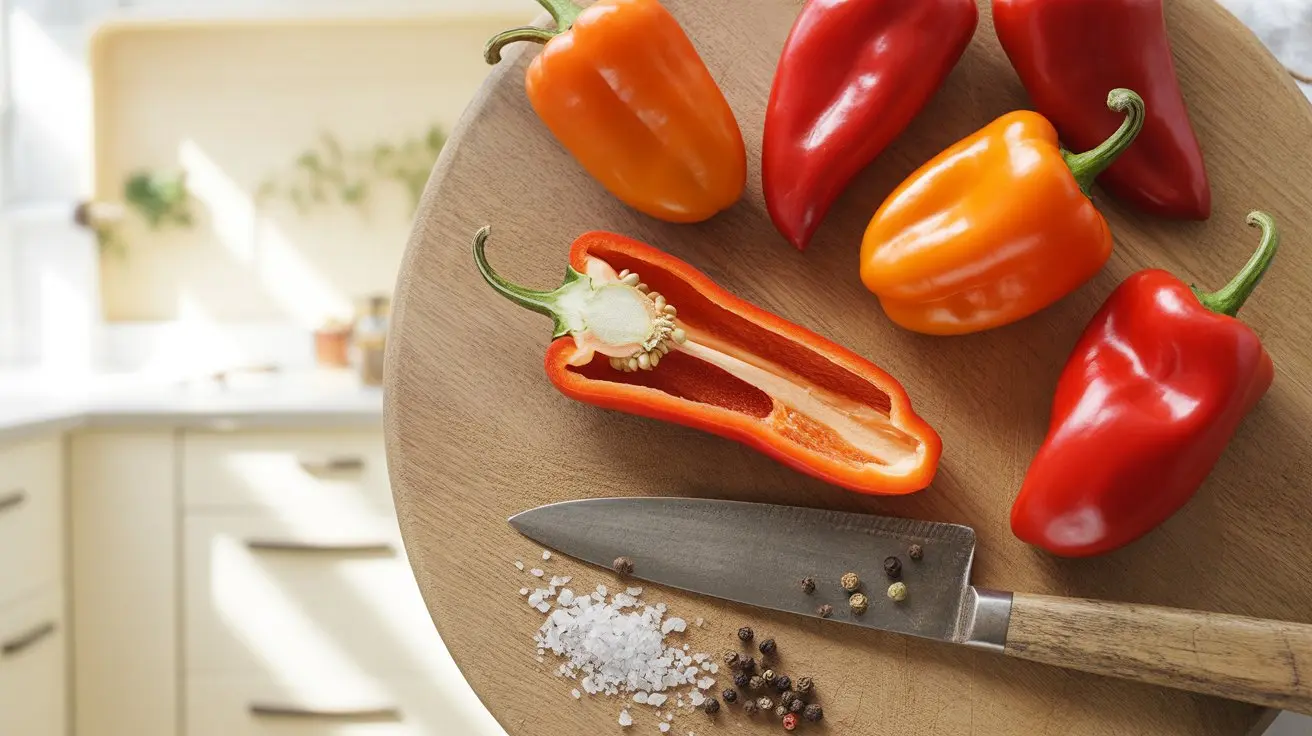
Peri Peri

Peri peri delivers a citrusy, bright heat that hits fast and builds steadily - landing between 50,000 and 175,000 SHU. That puts it solidly in the extra-hot pepper category, roughly 35 times hotter than a jalapeño. The flavor is what keeps people coming back: sharp, acidic, almost lemony, with a clean burn that doesn't linger as long as you'd expect from something this hot.
- Species: C. frutescens
- Heat tier: Extra-Hot (100K–1M SHU)
- Comparison: 35x hotter than a jalapeño
What is Peri Peri?
The first time I encountered peri peri in its raw form - not the bottled sauce, but the actual fresh pepper - I was struck by how the citrus hit before the heat. That sequence matters. Most peppers in this range lead with fire; peri peri leads with brightness.
Capsicum frutescens at its finest, the peri peri (also spelled piri piri) grows as a compact, upright plant with small elongated pods that ripen from green through yellow to red. The mature red fruits carry the most heat, measuring up to 175,000 SHU when fully ripe under good sun.
The burn mechanism here is worth understanding - if you want to know why capsaicin triggers pain signals the way it does, peri peri is a good case study, since its capsaicin content varies dramatically based on growing conditions. A stressed plant in poor soil can hit the top of that range; a well-watered plant in rich soil might stay closer to 50,000 SHU.
What separates peri peri from similarly-rated peppers is texture and flavor complexity. The thin walls mean it dries fast and infuses readily into oils and vinegars. That's why it became the backbone of Portuguese-African piri piri sauce rather than, say, a thicker-walled pepper. The African pepper tradition that produced this pepper understood something important: heat alone isn't enough. Flavor has to carry it.
History & Origin of Peri Peri
Peri peri's story is a colonial trade route in miniature. Portuguese explorers brought Capsicum frutescens to East and Southern Africa in the 15th and 16th centuries, where it naturalized so thoroughly that most people assume it's indigenous. It isn't - but it adapted to African growing conditions so well that it effectively became a local crop.
The name comes from the Swahili and Ronga words for pepper, and the pepper became central to Mozambican, Angolan, and South African cooking long before it got famous in the West.
Portuguese settlers adopted the African preparation methods and carried the spice back to Portugal, completing the loop. By the time Nando's turned piri piri chicken into a global fast-food concept in the 1980s, the pepper had already been feeding communities across two continents for centuries. The botanical family it belongs to includes tabasco peppers - a detail that surprises most people who assume the two are unrelated.
How Hot is Peri Peri? Heat Level & Flavor
The Peri Peri delivers 50K–175K Scoville Heat Units, placing it in the Extra-Hot tier (100K–1M SHU). That makes it roughly 35x hotter than a jalapeño.
Flavor notes: citrusy and hot.
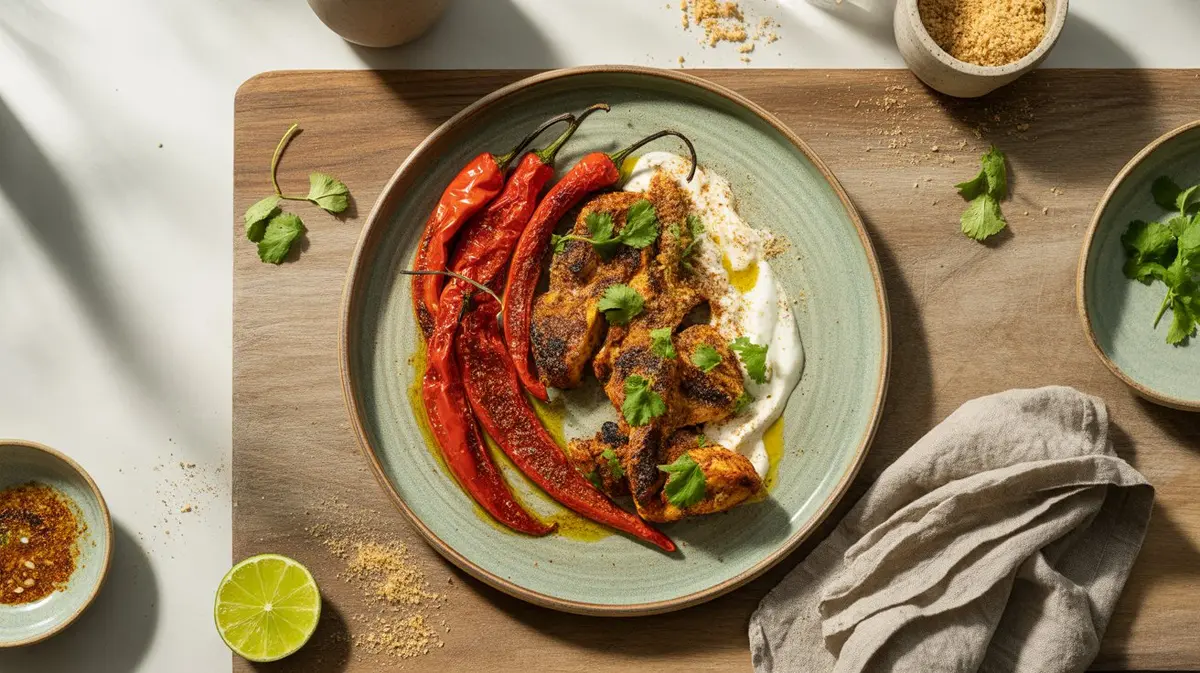
Peri Peri Nutrition Facts & Health Benefits
Like most hot peppers, peri peri is nutritionally dense relative to its serving size. Fresh pods are high in vitamin C - a single pod can deliver 100% or more of the daily recommended intake. They also contain meaningful amounts of vitamin A, potassium, and B6.
Capsaicin itself has documented applications beyond cooking; research into capsaicin for pain relief has produced topical treatments for arthritis and neuropathic pain. The Scoville unit position of peri peri - 50,000 to 175,000 SHU - reflects capsaicin concentrations high enough to be biologically active in these contexts.
Calories per pod are negligible, typically under 5 calories.
Best Ways to Cook with Peri Peri Peppers
Peri peri's thin walls and citrus-forward flavor make it one of the most flexible hot peppers for sauce work. The classic preparation is simple: blend fresh or dried peri peri with garlic, lemon juice, oil, and salt. The acid from both the pepper and the lemon creates a sauce that cuts through fatty proteins beautifully - which is exactly why piri piri chicken works so well.
For marinades, dried and ground peri peri penetrates meat faster than thicker-walled peppers. A 2-hour marinade with peri peri powder, citrus, and oil will flavor chicken thighs more deeply than a 24-hour soak with something like a dried ancho.
The heat sits in a range comparable to Malagueta's intense, sharp burn - both are serious peppers that reward measured use. Start with half a teaspoon of dried peri peri per pound of protein and adjust from there.
Dried whole peri peri pods can be dropped into olive oil for 2-3 weeks to make a finishing oil that keeps the citrus character intact. It's excellent on grilled fish, roasted vegetables, and flatbreads. The flavor holds better in oil than in vinegar-based preparations, where the acid can dull the citrus notes over time.
Where to Buy Peri Peri & How to Store
Fresh peri peri is rare outside specialty markets and African or Portuguese grocery stores. Dried whole pods and ground peri peri powder are far easier to source online or in international food sections.
Look for dried pods that are deep red with no visible mold and a slight sheen. Avoid anything that looks dusty or has lost its color - that's old stock.
Store dried pods in an airtight container away from light and heat. They'll hold flavor for 12-18 months this way. Ground peri peri degrades faster; use within 6 months for best flavor. Fresh pods keep in the refrigerator for up to 2 weeks wrapped in paper towel inside a sealed bag.
Best Peri Peri Substitutes & Alternatives
Whether you ran out of peri peri or just want to try something different, these peppers make solid stand-ins. We picked them based on heat range, flavor overlap, and how well they actually work in the same dishes.
Our top pick: Piri Piri Pepper (50K–175K SHU). Same species (C. frutescens) and nearly the same heat, so it swaps in at a 1:1 ratio without changing the character of the dish. The flavor leans fruity, citrusy, bright, which is close enough that most people won’t notice the difference in a cooked recipe.
How to Grow Peri Peri Peppers
Peri peri grows best in full sun with well-draining soil and consistent warmth - it's a tropical species that does not tolerate frost. Start seeds indoors 10-12 weeks before last frost, keeping soil temperature at 80-85°F for germination. The seeds can be slow; don't give up before 3 weeks.
The plants stay compact, typically reaching 18-24 inches, which makes them workable in containers. A 5-gallon pot with quality potting mix and a slow-release fertilizer will carry a plant through a full season. If you want a step-by-step walkthrough for starting peppers from seed, the process for peri peri follows the same general approach as other frutescens varieties.
For comparison, the cultivation approach for its close botanical relative is nearly identical - both prefer the same temperature ranges and soil conditions.
Heat stress increases capsaicin production, so slightly under-watering during pod development will push the SHU higher. Don't let the plant wilt, but don't coddle it either. Days to maturity run 90-120 days from transplant to red-ripe pods. If you notice yellow pepper leaves mid-season, check for nitrogen deficiency first - peri peri is a moderate feeder and will show deficiencies quickly in depleted soil.
Frequently Asked Questions
-
Datil peppers top out around 100,000 SHU, while peri peri can reach 175,000 SHU at the upper end - making the hottest peri peri specimens noticeably hotter than a datil. That said, a mild peri peri grown in good conditions might land right alongside a datil in terms of actual heat.
-
Yes - peri peri and piri piri refer to the same pepper, with spelling variations rooted in different regional languages across Southern and East Africa. The pepper itself is Capsicum frutescens, and both names derive from words meaning 'pepper' in Swahili and Ronga.
-
A 5-gallon container in full sun will support a productive peri peri plant through a full growing season. The plants stay compact at 18-24 inches, which makes them well-suited to patios or balconies in warm climates.
-
The flavor is distinctly citrusy - almost lemony - with a brightness that hits before the burn registers. That acidic, fruity quality is what makes it so effective in marinades and sauces, where it contributes flavor complexity rather than just raw heat.
-
Cayenne is the most accessible substitute at a similar heat level, though it lacks peri peri's citrus character. For a closer flavor match, look for the sharp, building heat of Thai Dragon-style peppers or source dried malagueta pods, which share a similar thin-walled, high-heat profile.
- Chile Pepper Institute - Capsicum Species Overview
- USDA GRIN - Capsicum frutescens
- Peri Peri Cultural History - Oxford Companion to Food
- Scoville Scale Reference - American Spice Trade Association
Species classification: C. frutescens — based on published botanical taxonomy.