Nagabon

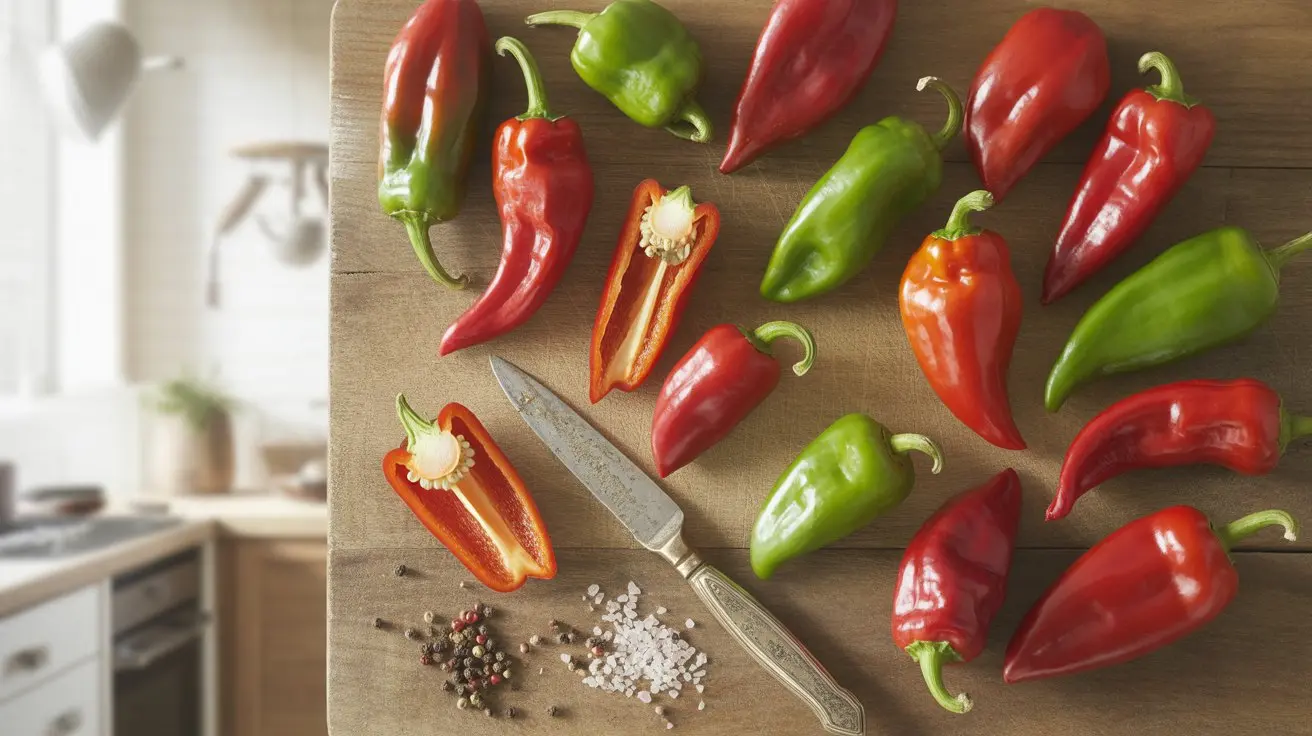
The Nagabon is a lesser-known American hybrid hitting 800,000–1,000,000 SHU — roughly as punishing as a ghost pepper but with a distinctly fruity character that catches most people off guard. Its wrinkled, crinkled pods look almost decorative, yet this super-hot category pepper demands serious respect. Think ghost-level burn with an unexpected brightness up front.
- Species: C. chinense
- Heat tier: Super-Hot (1M+ SHU)
- Comparison: 200x hotter than a jalapeño
What is Nagabon?
Most people assume the Nagabon is some obscure Indian landrace because of the name — it isn't. This is an American-bred C. chinense hybrid developed by pepper enthusiasts pushing the boundaries of what hybrid breeding can produce at the extreme end of the heat scale.
At 800,000–1,000,000 SHU, the Nagabon sits in the same neighborhood as the smoky, dark-fruited intensity of the 7 Pot Douglah — a useful comparison since both share that deep, slow-building burn rather than the sharp front-loaded spike you get from something like a habanero. The Nagabon's heat is cumulative; the first few seconds feel manageable, then it builds into a full-body experience that lingers.
What separates the Nagabon from other peppers in its heat range is that genuine fruitiness. Even at a million Scoville units, there's a bright, almost tropical note in the first bite before the capsaicin fully takes over. The pods themselves are heavily wrinkled and irregular — they look like they couldn't quite decide what shape to be — and they ripen to a deep red.
For context, this pepper runs roughly 200 times hotter than a jalapeño, though comparing to a 7 Pot Douglah is more instructive: the Nagabon and Douglah are close heat siblings, both capable of overwhelming unprepared palates quickly.
History & Origin of Nagabon
The Nagabon emerged from the American craft pepper breeding community — a world of hobbyist growers and small-scale hybridizers who have produced some of the most extreme peppers of the past two decades. Unlike peppers with centuries of agricultural history behind them, the Nagabon has a short, informal lineage documented mostly through online forums and seed trading communities.
Its name nods to the Naga pepper tradition from northeastern India, and its C. chinense hybrid genetics almost certainly draw on that lineage. Compare this to the deep cultural background of the yellow ghost pepper variant from Assam — the Nagabon borrows heat genetics from that world while being firmly an American creation.
The British pepper breeding tradition also contributed meaningfully to extreme-heat hybridization during this period, producing peppers that cross-pollinated — figuratively and literally — with American programs.
How Hot is Nagabon? Heat Level & Flavor
The Nagabon delivers 800K–1M Scoville Heat Units, placing it in the Super-Hot tier (1M+ SHU). That makes it roughly 200x hotter than a jalapeño.
Flavor notes: fruity and hot.
Nagabon Nutrition Facts & Health Benefits
Like other C. chinense super-hots, the Nagabon delivers meaningful nutrition alongside its heat. Ripe red pods are rich in vitamin C — often exceeding citrus fruits by weight — along with vitamin A from the carotenoids responsible for that deep red color.
Capsaicin itself, the compound driving that 800,000–1,000,000 SHU reading, has been studied for its effects on metabolism and pain response via TRPV1 receptor activation. The practical reality: you're unlikely to eat enough Nagabon in one sitting to derive significant nutritional benefit, but the hot sauce or powder it produces still carries those compounds in concentrated form.
Best Ways to Cook with Nagabon Peppers
Handling the Nagabon without gloves is a mistake you make once. The oils penetrate skin quickly, and touching your face afterward is genuinely unpleasant for hours.
In the kitchen, the fruity character opens it to more uses than its SHU suggests — but "flexible" is relative at this heat level. Small amounts go into hot sauces where you want complexity alongside fire. A single pod can flavor a large batch of fermented mash, contributing both heat and that tropical brightness without turning the sauce into a one-note scorcher.
For dried powder, the Nagabon produces a deep red result that works in spice rubs where you want controlled, measured heat. A pinch — literally a pinch — is enough to affect an entire pot of chili.
Compared to the peachy, fruity heat profile used in creative hot sauce applications, the Nagabon is less sweet but more direct. It pairs well with mango, pineapple, and acidic citrus bases that can stand up to its intensity. Chocolate and dark flavors also complement it — similar to how the rich, dark sensory experience of the chocolate ghost variant works in savory-sweet preparations.
Where to Buy Nagabon & How to Store
Fresh Nagabon pods are rarely found in grocery stores — your best bet is specialty hot pepper vendors, farmers markets with serious growers, or online seed communities where pods are sometimes sold alongside seeds.
Dried pods and powder are more accessible through small-batch hot sauce producers. Store fresh pods in the refrigerator up to 2 weeks, or freeze whole pods for longer storage with minimal flavor loss. Dried powder keeps 12–18 months in an airtight container away from light. For seeds, look to reputable hot pepper seed vendors who maintain verified stock of this hybrid.
Best Nagabon Substitutes & Alternatives
Whether you ran out of nagabon or just want to try something different, these peppers make solid stand-ins. We picked them based on heat range, flavor overlap, and how well they actually work in the same dishes.
Our top pick: Bhut Jolokia Yellow (800K–1M SHU). Same species (C. chinense) and nearly the same heat, so it swaps in at a 1:1 ratio without changing the character of the dish. The flavor leans fruity and citrusy, which is close enough that most people won’t notice the difference in a cooked recipe.
How to Grow Nagabon Peppers
Starting Nagabon seeds indoors 10–12 weeks before last frost is standard for C. chinense varieties — these plants need a long season and warm soil to hit their potential. Germination is slow; soil temps of 80–85°F with a heat mat make a real difference. Expect 14–21 days before you see sprouts, sometimes longer.
Once established, the plants are fairly vigorous but not forgiving of cold. Nighttime temps below 55°F stall growth noticeably. If you've grown the Trinidad Moruga Scorpion's dense, productive plants before, Nagabon behaves similarly — heavy feeder, needs consistent moisture without waterlogging.
For those newer to super-hots, the step-by-step approach used for growing poblanos covers transplanting and soil prep fundamentals that apply here too, though Nagabon demands more heat accumulation. Full sun is non-negotiable: 6–8 hours minimum.
Pods take 90–120 days from transplant to full red ripeness. Harvest when fully colored — green pods have the heat but lack the fruity complexity that defines this variety. Container growing works if you use a 5-gallon minimum pot and fertilize regularly through the growing season.
Frequently Asked Questions
-
The Nagabon ranges from 800,000–1,000,000 SHU, which overlaps directly with the notorious extreme heat of the classic ghost pepper at 855,000–1,041,427 SHU. In practice, they're heat siblings — both capable of overwhelming most people quickly, though individual pods vary.
-
It's a deliberately bred American hybrid within the C. chinense species, not a landrace or wild variety. It emerged from the hobbyist breeding community that has produced many extreme-heat peppers over the past two decades.
-
There's a genuine fruity brightness in the first moments after biting — almost tropical — before the heat fully takes over. This flavor complexity is what makes it interesting for hot sauce applications rather than just being a pure heat delivery mechanism.
-
The 7 Pot Red Giant's broad heat characteristics push slightly higher at up to 1,200,000 SHU, making it more intense at peak. The Nagabon is comparably complex in flavor but slightly more predictable in its heat ceiling.
-
Yes, but use at minimum a 5-gallon pot — C. chinense plants develop substantial root systems and will underperform in smaller containers. Consistent fertilizing and full sun are essential since container plants can't draw on ground soil nutrients.
- Chile Pepper Institute - Super-Hot Varieties
- Scoville Scale Measurement Methods - HPLC Overview
- USDA Plant Hardiness Zone Map
Species classification: C. chinense — based on published botanical taxonomy.