Mariachi Pepper

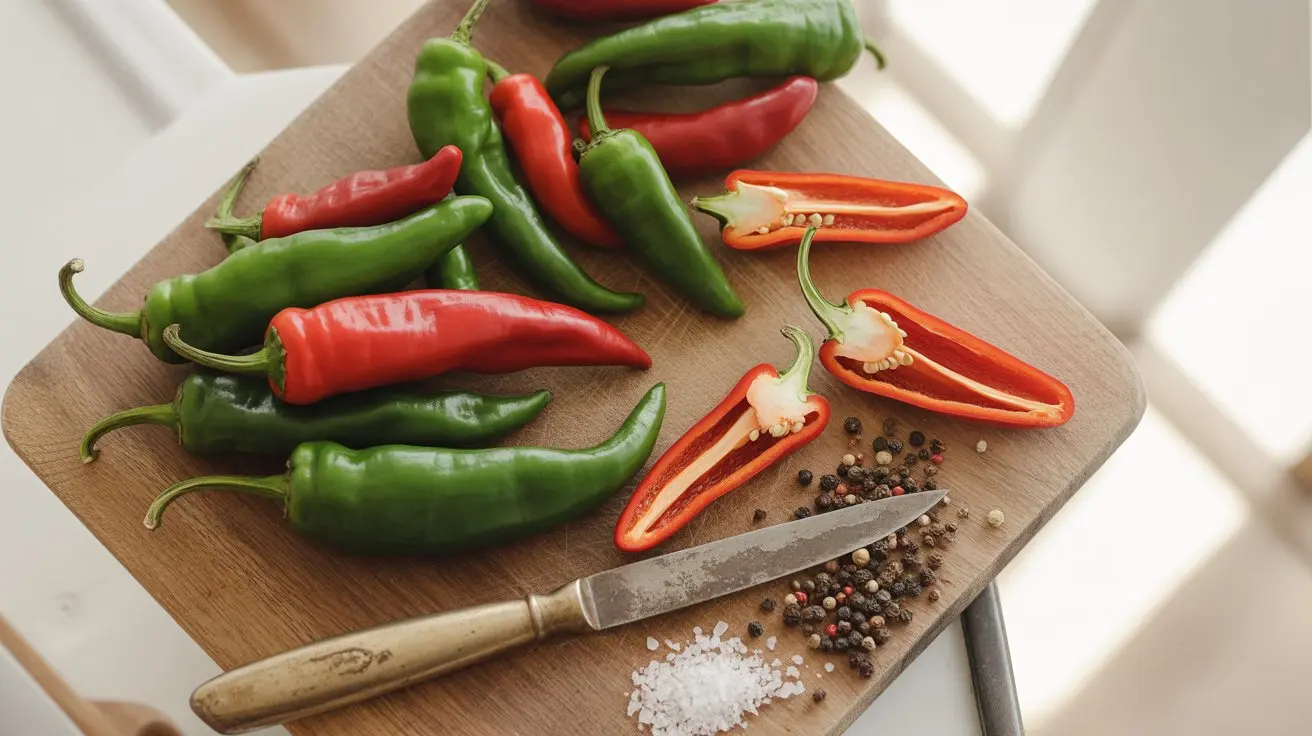
The Mariachi pepper sits at 500-600 SHU - barely a whisper of heat by most standards. A Capsicum annuum variety bred for ornamental appeal as much as eating, it produces colorful conical fruits that transition through yellow, orange, and red at maturity. Mild enough for heat-averse cooks, it brings sweetness and visual flair to dishes without any real burn.
- Species: Capsicum annuum
- Heat tier: Mild (0–999 SHU)
What is Mariachi Pepper?
Bred as an All-America Selections winner, the Mariachi pepper earned its award recognition through a combination of compact plant habit, prolific fruiting, and an eye-catching color progression that makes it as useful in container gardens as it is in the kitchen.
At 500-600 SHU, the heat sits at the very low end of what most people would even register as spicy. For context, that puts it right around the same territory as the mild sweetness of the Santa Fe Grande's cultural range - barely a tingle on the palate. The sweet, barely-there warmth of the pimento's flavor profile offers a useful comparison too, though Mariachi tends to run slightly warmer.
Fruits are conical, roughly 3-4 inches long, and start out pale yellow before moving through orange to a deep red at full maturity. The walls are thick enough for stuffing, which is where this pepper earns most of its kitchen credibility.
Flavor-wise, expect sweetness up front with a mild fruity undertone and just enough capsaicin to remind you it's technically a hot pepper. The mild SHU range means nearly anyone can enjoy it without concern, making it ideal for cooking for mixed-heat-tolerance crowds.
The plant itself stays compact - typically under 18 inches - which is part of why it became a favorite for patio containers and small-space gardens.
History & Origin of Mariachi Pepper
The Mariachi pepper is a modern hybrid developed through commercial breeding programs and introduced to home gardeners in the early 2000s. It received All-America Selections recognition, which is awarded to new varieties that demonstrate superior performance across multiple trial gardens throughout North America.
Unlike heirloom peppers with centuries of regional cultivation behind them, Mariachi was purpose-built for ornamental productivity - breeders prioritized the multi-color fruit display and compact growth habit alongside edibility.
The name itself nods to the festive color show the plant puts on, with fruits in multiple stages of ripeness simultaneously giving the plant a celebratory appearance. While it lacks the deep cultural roots of peppers like the sweet Italian frying pepper's long Mediterranean history, it has established itself quickly as a reliable garden performer across North American growing zones.
How Hot is Mariachi Pepper? Heat Level & Flavor
The Mariachi Pepper delivers 500–600 Scoville Heat Units, placing it in the Mild tier (0–999 SHU).
Mariachi Pepper Nutrition Facts & Health Benefits
Like most sweet peppers, Mariachi fruits are low in calories and deliver a solid nutrient profile. A 100g serving of raw pepper provides roughly 31 calories, 6g of carbohydrates, and 2g of fiber.
Vitamin C content is significant - sweet peppers routinely provide over 100% of daily recommended intake per serving. Vitamin A and B6 are also present in meaningful amounts.
The red stage fruits contain higher concentrations of carotenoids (including beta-carotene and capsanthin) compared to the yellow stage, so letting fruits fully ripen boosts nutritional value alongside flavor sweetness.
Best Ways to Cook with Mariachi Peppers
The Mariachi's thick walls make it a natural candidate for stuffing. Cream cheese, herbed ricotta, or a simple mix of sharp cheddar and breadcrumbs all work well - the mild heat means the filling can take center stage without competition.
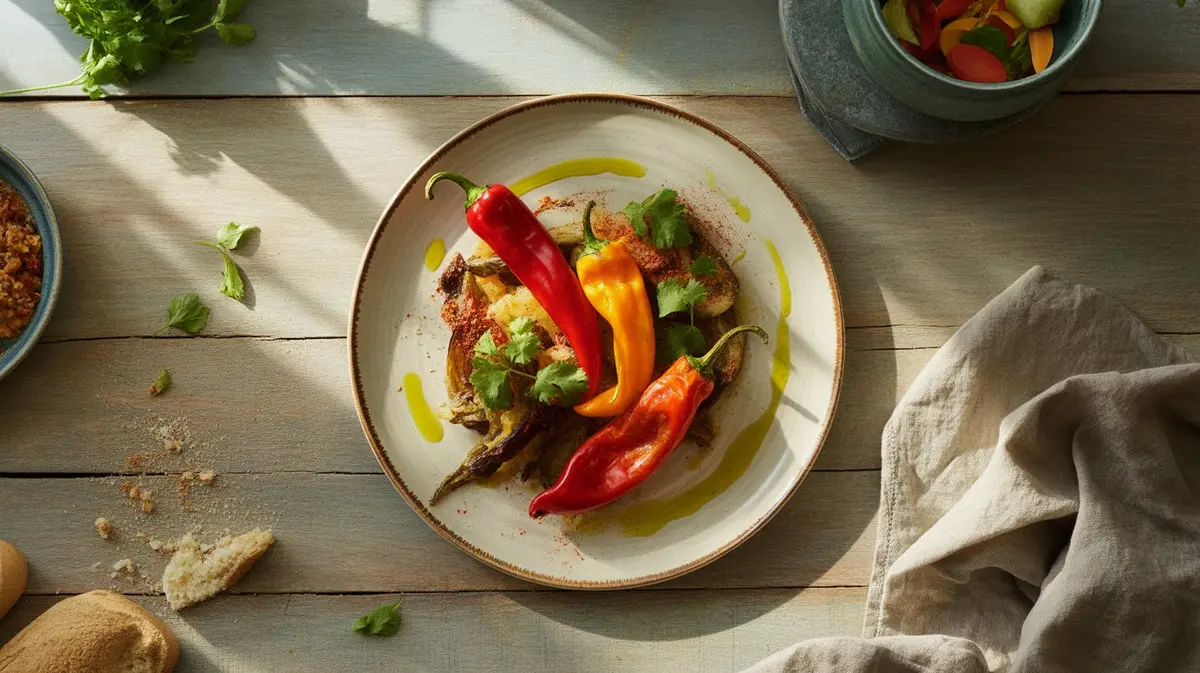
Roasted Mariachis develop a pleasant sweetness that holds up in grain bowls, pasta, and egg dishes. The color progression from yellow to red means you can harvest at different stages for visual variety on the plate.
Pickling is another strong application. At this heat level, the flexible pickling uses of a barely-hot banana pepper offer a direct comparison - Mariachi pickles similarly well and produces a bright, tangy result that works on sandwiches and antipasto boards.
For raw applications, thin-sliced Mariachi adds crunch and color to salads and crudite platters. The mild heat won't overwhelm delicate ingredients.
The round, compact shape of the cherry pepper's stuffing tradition inspired similar uses for Mariachi - both reward the same basic technique of hollowing, filling, and either baking or grilling. Mariachi's elongated shape actually gives you a bit more filling capacity per fruit.
Where to Buy Mariachi Pepper & How to Store
Fresh Mariachi peppers appear at farmers markets and specialty grocers during summer and fall, though they're less common in mainstream supermarkets than bell or banana peppers. Growing your own from seed or transplant is often the most reliable route.
Choose fruits that feel firm with taut, glossy skin. Soft spots or wrinkling indicate age.
Refrigerate unwashed in the crisper drawer - they hold well for 1-2 weeks. For longer storage, roast and freeze in portions, or pickle in a standard brine. Dried Mariachis are less common but workable for spice blends.
Best Mariachi Pepper Substitutes & Alternatives
Whether you ran out of mariachi pepper or just want to try something different, these peppers make solid stand-ins. We picked them based on heat range, flavor overlap, and how well they actually work in the same dishes.
Our top pick: Banana Pepper (0–500 SHU). The heat level is close enough for a direct swap in salsas, sauces, and stir-fries. Flavor leans mild and tangy, so the taste will shift a bit — but the overall heat stays in the same range.
How to Grow Mariachi Peppers
The trickiest part of growing Mariachi isn't germination - it's getting fruit set during heat waves. Like most Capsicum annuum varieties, blossoms drop when daytime temperatures exceed 90°F (32°C) consistently. If your summers run hot, aim to get plants established early so they're producing before the worst heat arrives.
Start seeds indoors 8-10 weeks before last frost. Soil temperatures of 75-85°F produce the fastest germination. Transplant outdoors after all frost risk has passed and nights stay above 55°F.
Mariachi performs well in containers - a 3-5 gallon pot is sufficient for the compact plants. This also lets you move them to manage temperature exposure.
Full sun is non-negotiable: 6-8 hours minimum. Consistent moisture matters more than heavy feeding - irregular watering leads to blossom end rot and uneven fruit development.
For anyone wanting broader context on raising peppers in different climates, the practical guidance on growing hatch chiles covers heat and water management strategies that translate well here. The practical guidance on growing poblanos also addresses similar Capsicum annuum cultivation challenges. Days to maturity runs approximately 70-80 days from transplant.
Frequently Asked Questions
-
The Mariachi registers 500-600 SHU, while a typical jalapeño runs 2,500-8,000 SHU - meaning a jalapeño can be 4 to 16 times hotter depending on the individual fruit. Most people with any tolerance for spice won't find Mariachi notably hot at all.
-
Yes - yellow, orange, and red fruits are all edible and have slightly different flavor profiles. Red stage fruits are sweetest and most nutritionally dense, while yellow stage fruits are crisper and more mildly flavored.
-
They're excellent for stuffing - the thick walls hold their structure during baking or grilling, and the conical shape creates a natural cavity. Their mild heat means the filling's flavor comes through without competition from the pepper itself.
-
No - it's a modern hybrid developed through commercial breeding programs and recognized as an All-America Selections winner in the early 2000s. Seeds from saved fruit won't reliably reproduce the parent plant's characteristics.
-
Plants typically stay compact at 12-18 inches tall, which makes them well-suited for container growing and small-space gardens. The manageable size combined with prolific fruiting is a big part of why this variety earned its AAS recognition.
- All-America Selections - Mariachi Pepper Winner Information
- Chile Pepper Institute - Capsicum annuum Species Overview
- USDA FoodData Central - Sweet Pepper Nutrition
Species classification: Capsicum annuum — based on published botanical taxonomy.