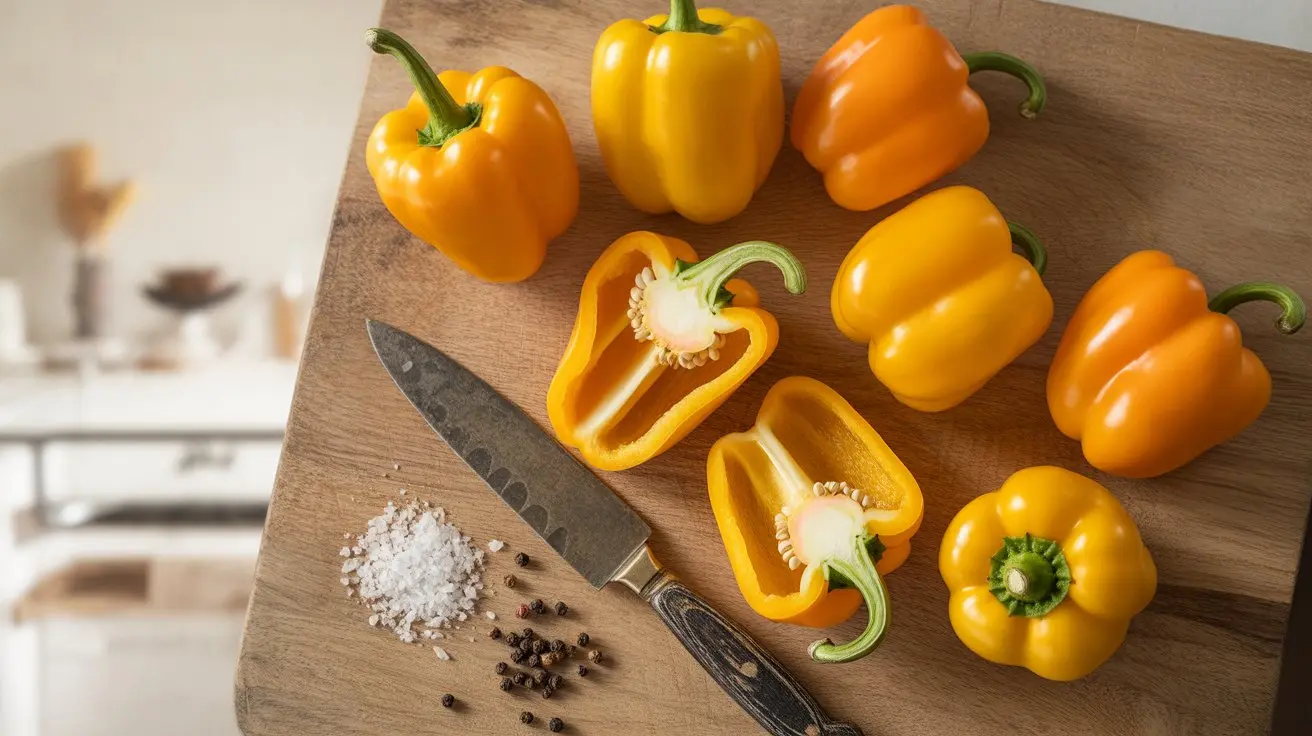
Madame Jeanette

Most people assume the Madame Jeanette is a habanero variant — it is not. This C. chinense pepper from Suriname carries its own identity: wrinkled, pale yellow, and loaded with tropical fruit flavor beneath 100,000–350,000 SHU of serious heat. That puts it roughly on par with a fatalii but with a sweeter aromatic profile that makes it a staple in Surinamese and Dutch kitchens.
- Species: C. chinense
- Heat tier: Extra-Hot (100K–1M SHU)
- Comparison: 70x hotter than a jalapeño
What is Madame Jeanette?
The Madame Jeanette gets mistaken for a habanero constantly, and the confusion is understandable — same species, overlapping heat range, similar color in some phenotypes. But spend five minutes with one and the differences become clear.
The pod shape is the first giveaway: irregular, wrinkled, and often described as lumpy rather than the smooth lantern shape most people associate with Caribbean-region extra-hot peppers. The color at full ripeness is typically pale yellow to cream, occasionally orange, with a waxy skin that almost glows.
Flavor-wise, this pepper leads with tropical fruit — think mango and apricot — before the heat arrives. And the heat does arrive. At 100,000–350,000 SHU, it sits in the same range as a fruity, slow-building orange habanero but with a more complex aromatic quality that makes it genuinely interesting to cook with rather than just painful to eat.
The pepper belongs to the Capsicum chinense botanical family, which also includes most of the world's hottest peppers. Within that family, the Madame Jeanette occupies a sweet spot: hot enough to demand respect, flavorful enough to justify using it for something other than a heat challenge. Its wrinkled exterior and pale color make it visually distinctive on any pepper plant, and the aroma when you slice one open is genuinely remarkable — sweet, fruity, and faintly floral before the capsaicin makes itself known.
History & Origin of Madame Jeanette
Suriname sits on the northeastern coast of South America, and its food culture reflects centuries of layered immigration — Dutch colonial influence, West African traditions, Javanese laborers, Indian indentured workers, and indigenous Amerindian communities all left marks on the cuisine.
The Madame Jeanette emerged from this mix. Its exact origin story is murky, but it has been a fixture in Surinamese cooking for generations, particularly in the preparation of peper saus (pepper sauce) that accompanies rice dishes. When Surinamese immigrants settled in the Netherlands in large numbers during the 1970s and 1980s, the pepper traveled with them.
Today it is far more widely known in Dutch supermarkets than in most of the Americas outside Suriname itself. The name — Madame Jeanette — is colloquial and its etymology is debated, though some sources connect it to a famous Paramaribo personality. No official documentation confirms this, so treat it as local lore.
How Hot is Madame Jeanette? Heat Level & Flavor
The Madame Jeanette delivers 100K–350K Scoville Heat Units, placing it in the Extra-Hot tier (100K–1M SHU). That makes it roughly 70x hotter than a jalapeño.
Flavor notes: fruity and tropical.
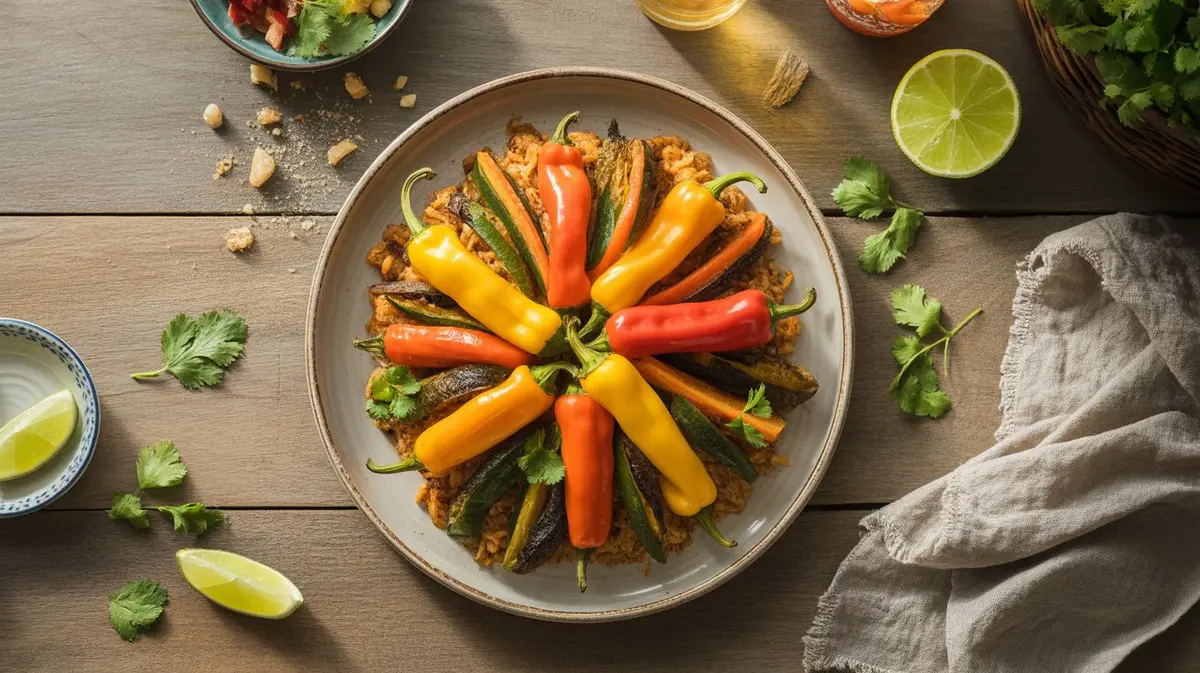
Madame Jeanette Nutrition Facts & Health Benefits
Like other C. chinense peppers, the Madame Jeanette is nutritionally dense relative to its small size. Fresh pods deliver significant vitamin C — often exceeding 100mg per 100g serving, which surpasses most citrus fruits.
Vitamin A (from beta-carotene) is present in meaningful amounts, particularly as the pepper ripens to yellow. Capsaicin itself has been studied for metabolic effects, including thermogenic properties and potential anti-inflammatory activity.
Calorie count is negligible — roughly 20–30 calories per 100g. The pepper also contains potassium, vitamin B6, and small amounts of iron. For those sensitive to capsaicin's skin effects, handling precautions apply — see guidance on managing pepper contact with skin.
Best Ways to Cook with Madame Jeanette Peppers
Surinamese cooking uses the Madame Jeanette in ways that respect both its heat and its flavor. The most traditional application is a simple peper saus: raw or lightly cooked peppers blended with onion, garlic, and sometimes tomato, served alongside rice dishes like moksi alesi or roti.
The key technique is restraint. Because the fruit flavor is genuinely good, cooks who char or heavily fry the pepper lose what makes it worth using in the first place. Raw preparations — salsas, quick-blended sauces, or sliced thin as a condiment — showcase the tropical aromatics before heat dominates.
For heat management, removing the seeds and membrane drops intensity significantly. If you need guidance on dialing back capsaicin heat in a dish, that technique applies directly here.
The pepper pairs naturally with coconut milk, citrus, and fatty proteins — duck, pork belly, oily fish. It also works in fruit-forward hot sauces where you want complexity alongside burn. Comparing it to the deep smoky heat characteristics of a dark-ripening chinense shows how differently two peppers in the same SHU range can taste — the Madame Jeanette is bright and forward where others are earthy and slow.
Dried powder is possible but loses the fresh tropical notes that define the pepper.
Where to Buy Madame Jeanette & How to Store
Fresh Madame Jeanette peppers appear regularly in Dutch and Surinamese grocery stores across the Netherlands and in specialty markets in cities with Caribbean or South American communities. Online specialty retailers stock them seasonally.
Look for pods with firm, unwrinkled skin (beyond the natural texture of the variety) and no soft spots. The natural wrinkling of this pepper can make defect assessment tricky — avoid anything mushy or discolored at the stem end.
Refrigeration: store unwashed in a paper bag for up to 1 week. Freezing: slice or leave whole, freeze on a tray, then transfer to bags — frozen pods retain heat and most flavor for 6 months. Fresh is always preferable for raw preparations.
Best Madame Jeanette Substitutes & Alternatives
Whether you ran out of madame jeanette or just want to try something different, these peppers make solid stand-ins. We picked them based on heat range, flavor overlap, and how well they actually work in the same dishes.
Our top pick: Habanero (100K–350K SHU). Same species (C. chinense) and nearly the same heat, so it swaps in at a 1:1 ratio without changing the character of the dish. The flavor leans fruity and citrusy, which is close enough that most people won’t notice the difference in a cooked recipe.
How to Grow Madame Jeanette Peppers
Growing Madame Jeanette follows the same general approach as other C. chinense varieties, with a few things worth knowing upfront.
Start seeds indoors 10–12 weeks before your last frost. Germination is slow — expect 14–21 days at soil temperatures of 80–85°F. A heat mat helps considerably. Once seedlings are established, they prefer daytime temperatures above 70°F and do not tolerate cold snaps; a single night below 50°F can set back growth noticeably.
For a detailed walkthrough on starting chinense peppers indoors step-by-step, the process is well-documented. The Madame Jeanette is not a beginner variety — it rewards patience and consistent warmth.
Plants reach 24–36 inches in height under good conditions. Full sun is non-negotiable: 6–8 hours minimum. Container growing works well in cooler climates, allowing you to bring plants inside before the first frost and extend the season.
The wrinkled pods can be harder to assess for ripeness than smooth varieties. Look for the shift from green to pale yellow or cream, and slight softening of the skin. Days to maturity run 90–100 days from transplant. Yield is moderate — not as prolific as a datil or similar high-output extra-hot variety — but consistent through the season if the plant stays warm.
Frequently Asked Questions
-
No — both are C. chinense with overlapping SHU ranges, but the Madame Jeanette is a distinct variety with a different pod shape, aroma, and cultural background rooted in Suriname rather than the Caribbean habanero's Mexican and Central American history. The flavor profile skews more tropical and floral than a standard habanero, and the wrinkled yellow pod is visually quite different.
-
At 100,000–350,000 SHU, it is roughly comparable to a fatalii in peak heat — both sit in the extra-hot tier on the Scoville scale. That makes it significantly hotter than a jalapeño but milder than superhots like the Carolina Reaper.
-
Yes, with some adjustment — both share the fruity chinense character and similar SHU ranges, though the bright, floral sensory profile of a Scotch Bonnet differs slightly from the Madame Jeanette's more mango-forward tropical notes. Use a 1:1 ratio and expect minor flavor differences in the final dish.
-
Specialty Caribbean and Surinamese grocery stores in major cities often carry them, particularly in areas with Dutch-Caribbean immigrant communities. Online seed retailers like Baker Creek and specialty hot pepper vendors sell seeds and sometimes fresh pods seasonally.
-
The wrinkling is a natural characteristic of this specific variety, not a sign of age or damage — it is present even on freshly harvested pods. This texture is typical of several C. chinense varieties with dense, aromatic flesh, and it concentrates the volatile compounds that give the pepper its distinctive tropical scent.
- Chile Pepper Institute - Capsicum Species Overview
- USDA FoodData Central - Sweet and Hot Peppers
- Wageningen University - Capsicum chinense Genetic Diversity
- Baker Creek Heirloom Seeds - Madame Jeanette Pepper
Species classification: C. chinense — based on published botanical taxonomy.