
Lombok Pepper

Most people assume the Lombok pepper is named after a regional dish or cooking style. It is not — it comes from Lombok Island in Indonesia, where C. frutescens peppers are a dietary staple. Measuring 50,000–100,000 SHU, it hits roughly half the heat of a fatalii but with a sharper, more aggressive bite that catches first-timers off guard.
- Species: C. frutescens
- Heat tier: Extra-Hot (100K–1M SHU)
- Comparison: 20x hotter than a jalapeño
What is Lombok Pepper?
The Lombok pepper carries a common misidentification: shoppers in Southeast Asian markets often mistake it for a standard extra-hot chili in the broader Indonesian pepper tradition, not realizing it belongs to the C. frutescens species — the same botanical family as tabasco peppers — rather than the more widespread C. annuum lineage.
At 50,000–100,000 SHU, the Lombok sits in the hot pepper category alongside some serious regional competition. The heat is sharp and fast-rising, without much of the fruity preamble you get from chinense varieties. It does not build slowly — it announces itself.
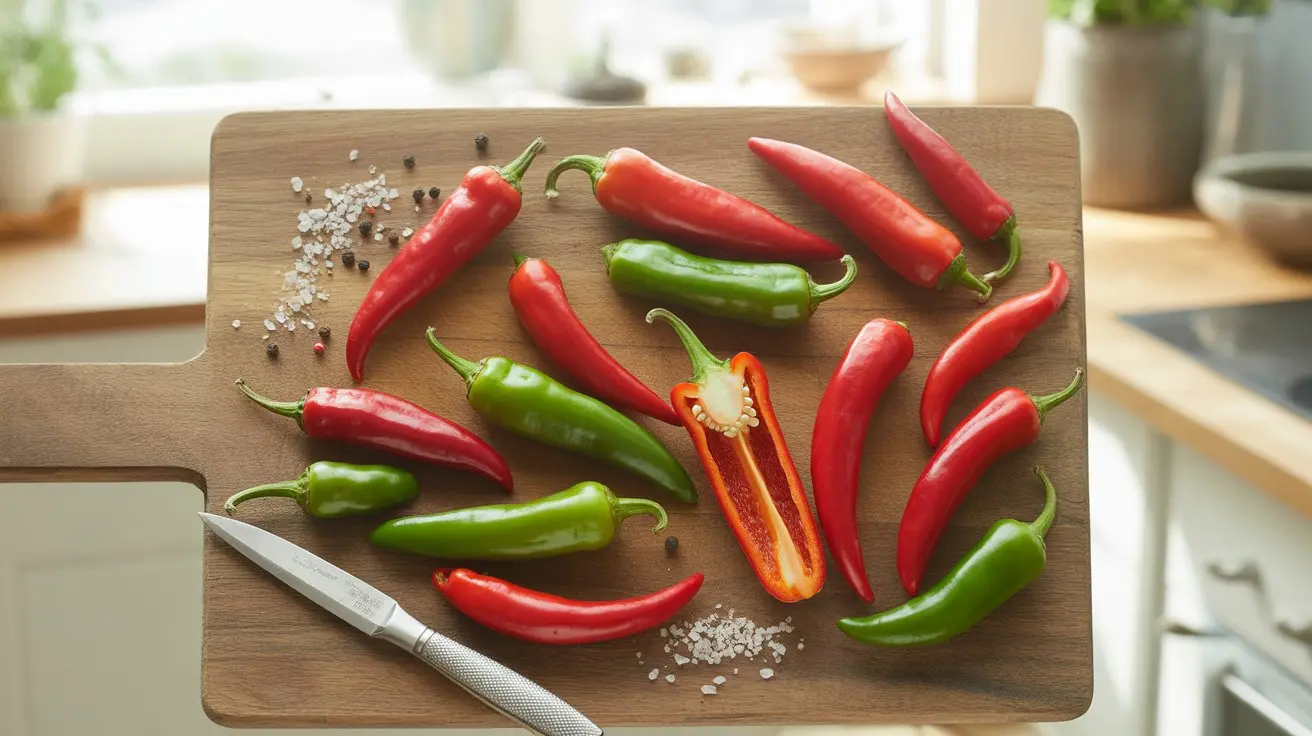
The elongated pod shape runs 2–4 inches and ripens from green through red, with thin walls that dry efficiently. That thin flesh is part of why Lombok peppers perform so well in dried and powdered applications — moisture exits quickly, concentrating the heat compounds.
For context, a fatalii clocks in at 125,000–400,000 SHU, making the Lombok roughly one-third to one-half that intensity. Still, compared to a serrano or even a cayenne, the Lombok is a significant step up. The C. frutescens botanical classification matters here because frutescens peppers tend to carry more pungent, less sweet heat than their annuum cousins — a distinction you feel immediately on the palate.
History & Origin of Lombok Pepper
Lombok Island, part of the Lesser Sunda Islands in Indonesia, has cultivated C. frutescens peppers for centuries. Portuguese traders introduced chili peppers to the Indonesian archipelago in the 16th century, and the frutescens species adapted particularly well to the island's humid, tropical climate.
The pepper became so associated with the island that its name stuck. Lombok cuisine built an identity around extreme heat — a contrast to the sweeter, coconut-heavy profiles of neighboring Balinese cooking. Dishes like plecing kangkung rely on Lombok chili sambal as a defining element.
Regionally, it competes for culinary space with peppers sharing a similar sharp, fiery intensity found in Brazilian malagueta and the penetrating heat characteristics of Thai Dragon varieties — all landing in the same 50K–100K SHU range but with distinct cultural roots.
How Hot is Lombok Pepper? Heat Level & Flavor
The Lombok Pepper delivers 50K–100K Scoville Heat Units, placing it in the Extra-Hot tier (100K–1M SHU). That makes it roughly 20x hotter than a jalapeño.
Flavor notes: sharp and hot.
Lombok Pepper Nutrition Facts & Health Benefits
A 100g serving of fresh Lombok pepper provides roughly 40 calories, with notable concentrations of vitamin C (exceeding 100% of daily recommended intake) and vitamin A from the red pigment compounds. The capsaicin content — responsible for the 50,000–100,000 SHU rating — activates TRPV1 receptors, the heat-sensing pathway that triggers the burn response.
C. frutescens peppers also contribute dietary fiber, potassium, and vitamin B6. The thin walls mean lower water content by weight compared to thick-walled varieties, concentrating nutrients and heat compounds per gram.
Best Ways to Cook with Lombok Peppers
The Lombok pepper's thin walls and sharp heat make it a natural fit for sambal — Indonesia's foundational chili condiment. Sambal Lombok is ground fresh or roasted with shallots, garlic, and tomato, producing a sauce that delivers heat without the lingering sweetness of chinense-based salsas.
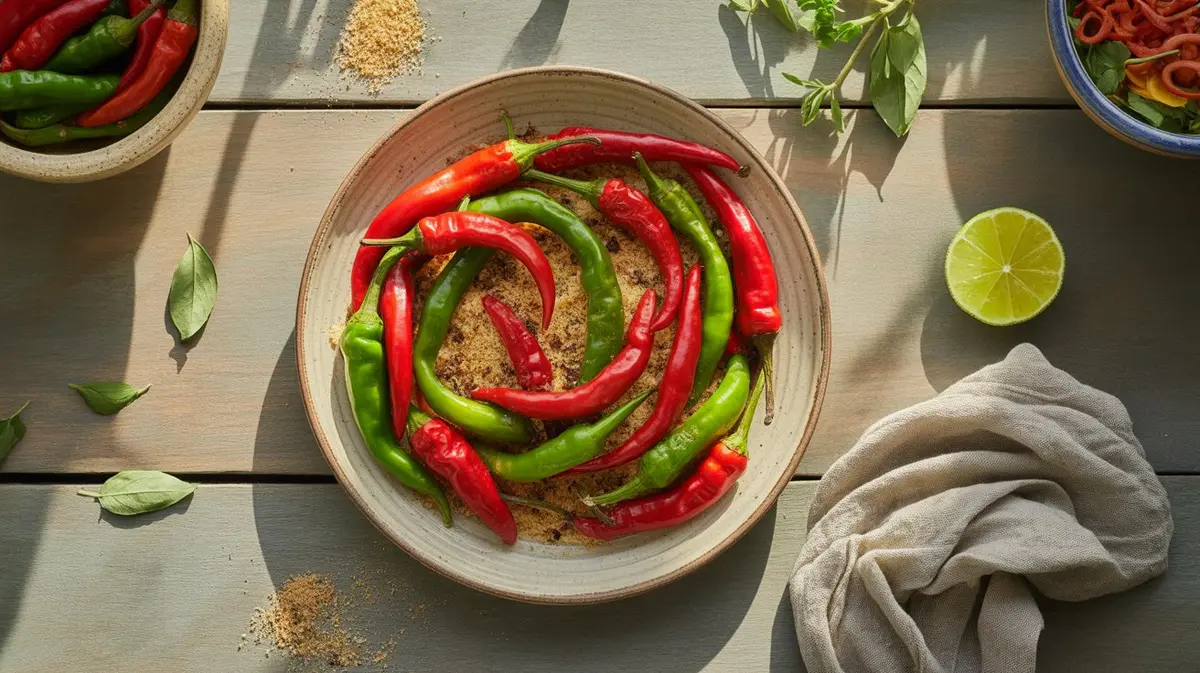
Dried Lombok powder substitutes well anywhere cayenne is called for, but adds a more aggressive edge. For anyone building a chili recipe that needs real backbone, Lombok powder at roughly half the quantity of cayenne achieves similar heat with a sharper profile.
Fresh Lombok works in stir-fries and noodle dishes where quick, high heat cooking is involved. The thin flesh softens fast and releases capsaicin into oil readily — useful for infusions.
Compared to the sweet-and-hot sensory profile of Sugar Rush Peach at similar SHU levels, Lombok has almost no sweetness. It is heat-forward from first contact. For dishes that need brightness alongside fire, pairing Lombok with a thick-walled, fruity pepper with distinctive appearance like rocoto creates better balance than using Lombok alone.
Sambal, curry pastes, and dry rubs are its strongest applications. It also appears in Indonesian rendang spice blends.
Where to Buy Lombok Pepper & How to Store
Fresh Lombok peppers appear in Southeast Asian grocery stores and specialty markets. Look for firm, glossy pods with no soft spots — wrinkling indicates age and moisture loss.
Fresh peppers keep 1–2 weeks refrigerated in a paper bag (not plastic, which traps moisture). Dried whole Lombok peppers store in an airtight container away from light for up to a year. Ground Lombok powder loses potency faster — use within 6 months for best heat retention.
Frozen fresh pods retain heat well and work in cooked applications. Blanching before freezing is optional for this thin-walled variety.
Best Lombok Pepper Substitutes & Alternatives
Whether you ran out of lombok pepper or just want to try something different, these peppers make solid stand-ins. We picked them based on heat range, flavor overlap, and how well they actually work in the same dishes.
Our top pick: Apollo Pepper (50K–100K SHU). The heat level is close enough for a direct swap in salsas, sauces, and stir-fries. Flavor leans bright and crisp, so the taste will shift a bit — but the overall heat stays in the same range.
How to Grow Lombok Peppers
Starting Lombok peppers indoors 8–10 weeks before the last frost gives them enough runway — C. frutescens varieties are slower to germinate than annuum types, often taking 14–21 days at soil temperatures of 80–85°F. A heat mat is not optional here; it is the difference between germination and rot.
For anyone working through the step-by-step process of starting peppers indoors, frutescens varieties reward patience. Transplant after nighttime temps stabilize above 55°F — cold soil stalls root development significantly.
Lombok plants reach 24–36 inches in height and prefer full sun with well-draining soil. They are drought-tolerant once established but produce more pods with consistent moisture. Avoid overwatering during flowering — excess nitrogen at that stage pushes leaf growth over fruit set.
If your plant is flowering but dropping pods without setting fruit, the practical guide on why pepper plants fail to fruit covers the most common causes: temperature extremes, humidity issues, and pollination gaps.
Expect 90–120 days to full red maturity from transplant. Green Lombok peppers are usable but significantly milder — most traditional applications call for fully ripe red pods.
Frequently Asked Questions
-
It is named after Lombok Island in Indonesia, not a dish or cooking technique. The island's cuisine built a regional identity around intensely hot chili-based sambals, and this pepper became synonymous with that tradition.
-
At 50,000–100,000 SHU, Lombok runs about one-third to one-half the intensity of a fatalii pepper and roughly 20 times hotter than a standard jalapeño. It shares a heat range with bird's eye chili used across Southeast Asian cooking but has a sharper, less fruity character.
-
Yes, but use roughly half the amount — Lombok runs significantly hotter than cayenne's typical 30,000–50,000 SHU. The flavor profile is sharper and less sweet, so it works best in savory applications rather than spice blends where cayenne's milder warmth is intentional.
-
Lombok belongs to C. frutescens, the same species as tabasco peppers. This matters because frutescens varieties tend to produce more pungent, less sweet heat than de arbol's sharp cayenne-like bite or other annuum types — the species shapes both flavor and how the heat behaves on the palate.
-
They are manageable but slower than most home garden peppers — expect 14–21 days to germinate and 90–120 days to full red maturity. A heat mat during germination and a long warm season (or indoor grow lights) are the two factors that make the biggest difference.
- Chile Pepper Institute — Capsicum Species Overview
- USDA FoodData Central — Chili Peppers, Raw
- Oxford Companion to Food — Chili Pepper Entries
- Purdue University NewCROP — Capsicum frutescens
Species classification: C. frutescens — based on published botanical taxonomy.
