Lipstick Pepper

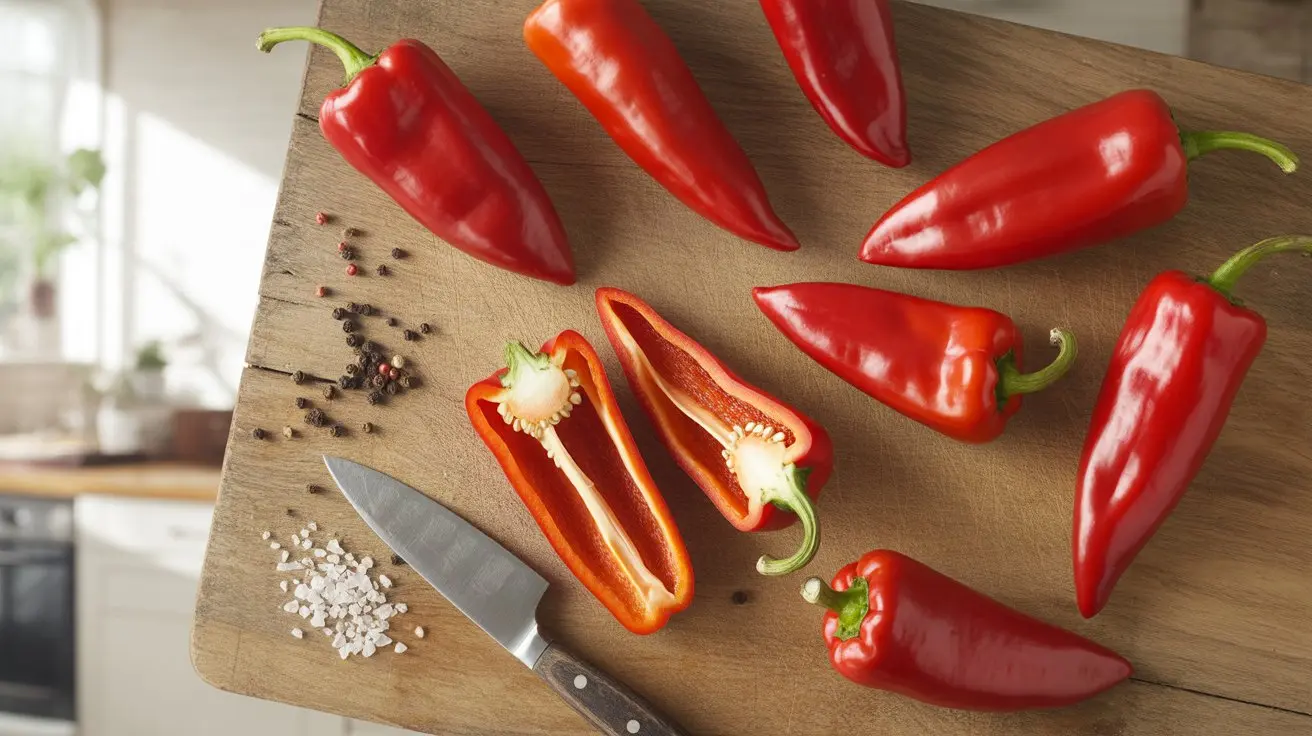
The Lipstick Pepper is a compact, sweet C. annuum variety bred in the USA, topping out at 0–500 SHU — essentially no heat at all. Its tapered, pimento-style shape and rich red color make it a garden standout. Thick walls, early maturity, and exceptional sweetness have made it a favorite for container growers and backyard gardeners who want big flavor without any fire.
- Species: C. annuum
- Heat tier: Mild (0–999 SHU)
What is Lipstick Pepper?
Named for its brilliant red color and tapered shape, the Lipstick Pepper sits firmly in the mild heat range — measuring just 0–500 SHU, which puts it closer to a bell pepper than anything that could be called spicy.
The walls are notably thick for a pepper this size, which translates directly to a satisfying crunch when eaten raw and a silky, concentrated sweetness when roasted. The flavor profile leans fruity with a clean finish — no bitterness, no lingering heat.
As a C. annuum variety, it shares botanical lineage with everything from sweet bells to jalapeños, but the Lipstick was specifically selected for sweetness and compact growth. Plants typically reach 18–24 inches tall, making them well-suited for raised beds and containers.
Fruits mature from pale yellow-green to a deep, glossy red, with most gardeners harvesting at full red for peak sweetness. Days to maturity run around 53–70 days from transplant, which is notably quick for a sweet pepper.
Compared to the elongated Italian sweet type with its mild, fruity character, Lipstick is shorter and more rounded — closer to a pimento in shape but with a more modern, productive plant habit. It consistently earns high marks from home gardeners for both yield and flavor.
History & Origin of Lipstick Pepper
The Lipstick Pepper was developed in the United States through selective breeding programs focused on producing compact, high-yielding sweet peppers for the home garden market. It represents the broader American pepper tradition of improving European and South American varieties for North American growing conditions.
Park Seed is widely credited with introducing Lipstick as a named variety, and it became an All-America Selections winner — a designation that recognizes outstanding new varieties tested across North American trial gardens.
Unlike heirloom peppers with centuries of regional history, Lipstick is a relatively modern cultivar, bred for specific traits: thick walls, early maturity, and sweet flavor. Its pimento-style shape echoes the rich Southern European heritage of the pimento type, but the plant's compact size and productivity reflect deliberate American horticultural selection.
How Hot is Lipstick Pepper? Heat Level & Flavor
The Lipstick Pepper delivers 0–500 Scoville Heat Units, placing it in the Mild tier (0–999 SHU).
Flavor notes: sweet and fruity.
Lipstick Pepper Nutrition Facts & Health Benefits
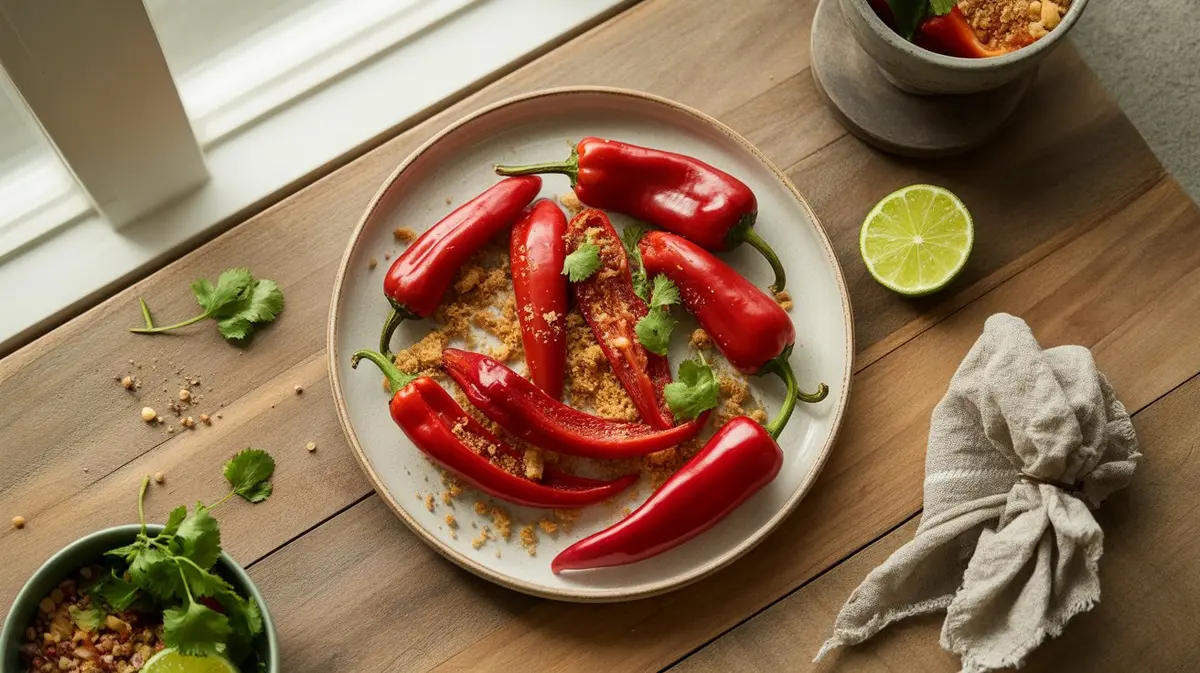
Red Lipstick Peppers, like other fully ripened sweet C. annuum types, are rich in vitamin C — a single medium pepper can provide over 100% of the daily recommended intake. They also deliver meaningful amounts of vitamin A (from beta-carotene) and vitamin B6.
Calorie count is low: roughly 25–30 calories per 100g serving. The thick walls mean a higher ratio of flesh to seed cavity, giving you more nutritional content per bite than thinner-walled types.
At 0–500 SHU, capsaicin content is negligible, so the metabolic effects associated with capsaicin are essentially absent. Antioxidant levels, particularly carotenoids, peak at full red maturity.
Best Ways to Cook with Lipstick Peppers
Stuffed Lipstick Peppers are the natural starting point — the thick walls hold fillings beautifully, and the sweet flesh caramelizes against cheese and breadcrumbs in the oven. At 0–500 SHU, there is nothing to manage heat-wise, so the focus stays entirely on flavor and texture.
Raw, these peppers shine on a crudité board. The crunch and sweetness make them far more interesting than bell pepper strips, and their compact size means they can be served whole or halved without looking awkward on a platter.
Roasting concentrates the natural sugars dramatically. Char the skin over an open flame or under a broiler, peel, and use the flesh in sandwiches, pasta, or as a base for a sweet pepper sauce. The result is richer than most commercial roasted peppers.
For those who enjoy the tangy, mildly sharp bite of pickled Italian-style peppers, Lipstick offers a sweeter, less acidic alternative when pickled at home. Their thick walls hold up well in brine.
They also work well alongside the round, sweet-hot sensory profile of cherry-type peppers in mixed pepper appetizers, providing contrast without competing heat. If you want inspiration for stuffed preparations, the techniques in homemade jalapeño poppers adapt directly to this pepper's size.
Where to Buy Lipstick Pepper & How to Store
Fresh Lipstick Peppers appear at farmers markets and specialty grocers in late summer, though they are far more common as a home garden variety than a commercial crop. Look for firm, glossy skin with no soft spots — the thick walls should feel solid under light pressure.
Refrigerate unwashed in the crisper drawer; they keep 1–2 weeks in good condition. For longer storage, roast and freeze: pack roasted, peeled strips in freezer bags and use within 6 months.
Seeds are widely available from sweet, zero-heat Italian-style sweet pepper vendors and mainstream seed companies. Park Seed and Johnny's Selected Seeds both carry this variety reliably.
Best Lipstick Pepper Substitutes & Alternatives
Whether you ran out of lipstick pepper or just want to try something different, these peppers make solid stand-ins. We picked them based on heat range, flavor overlap, and how well they actually work in the same dishes.
Our top pick: Banana Pepper (0–500 SHU). Same species (C. annuum) and nearly the same heat, so it swaps in at a 1:1 ratio without changing the character of the dish. The flavor leans mild and tangy, which is close enough that most people won’t notice the difference in a cooked recipe.
How to Grow Lipstick Peppers
Lipstick is one of the more rewarding sweet peppers to grow, partly because it matures faster than most. Start seeds indoors 8–10 weeks before last frost. Soil temperature for germination should be 80–85°F — a heat mat makes a real difference here. For a full seed-starting walkthrough, the process is the same as any C. annuum.
Transplant outdoors after all frost risk has passed, spacing plants 18–24 inches apart. They thrive in full sun with consistent moisture. Container growing works well given the compact plant size — a 5-gallon pot is the practical minimum.
Fertilize with a balanced formula at transplant, then switch to a lower-nitrogen, higher-phosphorus feed once flowering begins. Too much nitrogen produces lush foliage at the expense of fruit set.
Peppers mature from green to red over several weeks. Harvesting at the red stage delivers maximum sweetness, though green fruits are usable. The plant sets fruit prolifically — expect 10–20 peppers per plant under good conditions.
Compared to the vigorous, sprawling growth of the Italian horn-shaped sweet type, Lipstick stays tidy and upright, rarely needing staking. In humid climates, ensure good airflow around plants to reduce fungal pressure. Aphids and pepper hornworms are the primary pest concerns.
Frequently Asked Questions
-
The Lipstick Pepper measures 0–500 SHU on the Scoville scale, placing it in the zero-to-negligible mild intensity band. For practical purposes, it registers no heat — most people would describe it as purely sweet.
-
Yes — the compact 18–24 inch plant height makes Lipstick one of the better sweet peppers for container cultivation. A 5-gallon pot with good drainage and full sun exposure produces reliable fruit set.
-
Both are sweet, thick-walled, and low-heat, but Lipstick has a more tapered shape versus the classic round pimento form. The flavor profiles are similar; Lipstick tends to mature earlier and the plant is more compact.
-
Fruits are edible at the green stage but reach peak sweetness at full red maturity, typically 53–70 days after transplanting. Leaving peppers on the plant until fully red also maximizes vitamin C and beta-carotene content.
-
Their thick walls make them ideal for stuffing and roasting, where the flesh becomes silky and concentrated in flavor. They also work well raw on platters or pickled — similar in application to the versatile kitchen uses of sweet banana-type peppers.
- All-America Selections - Lipstick Pepper
- Chile Pepper Institute - Capsicum annuum
- Johnny's Selected Seeds - Sweet Pepper Varieties
- USDA FoodData Central - Sweet Red Pepper
Species classification: C. annuum — based on published botanical taxonomy.