
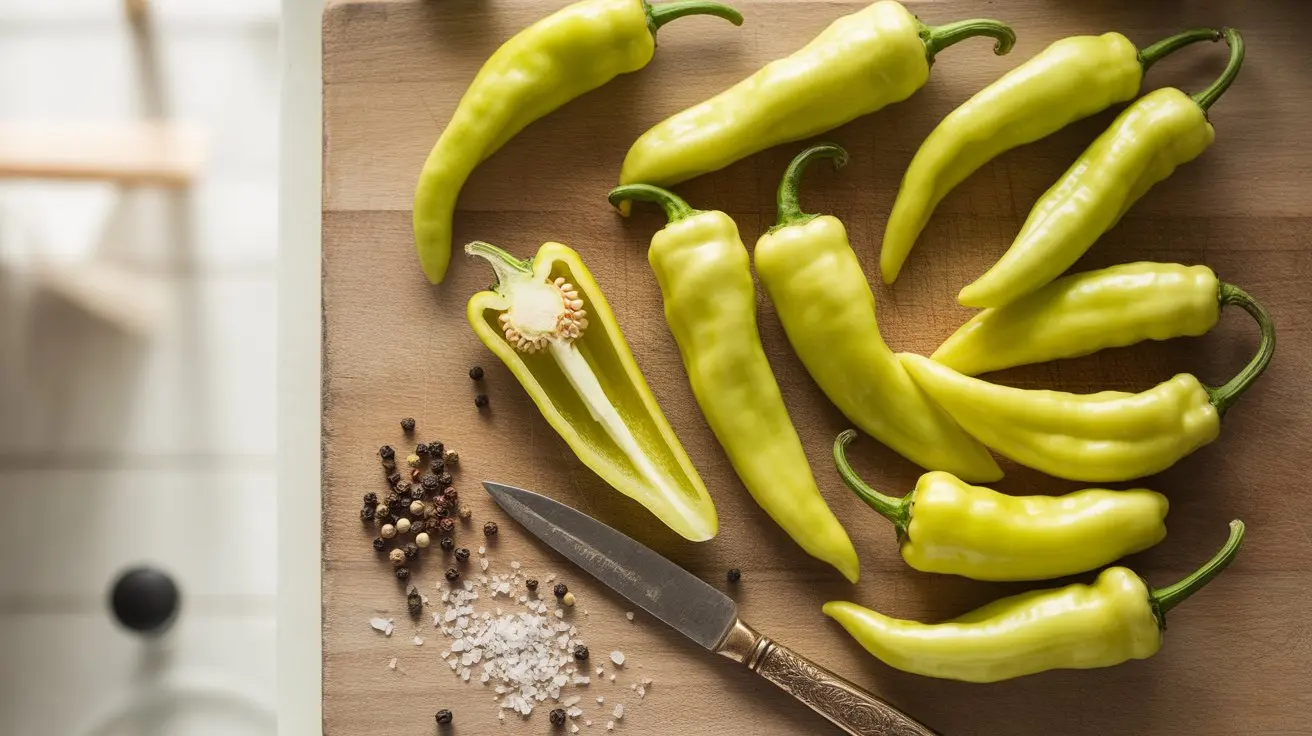
Hungarian Wax

The Hungarian Wax pepper sits at 5,000–15,000 SHU, making it roughly a third as hot as cayenne but with considerably more personality. Its tapered, waxy yellow pods carry a tangy brightness that makes it genuinely useful in the kitchen — not just as a heat source but as a flavor contributor. This C. annuum variety from Hungary earns its place in pickles, stuffed preparations, and fresh salsas alike.
- Species: C. annuum
- Heat tier: Hot (10K–100K SHU)
- Comparison: 3x hotter than a jalapeño
What is Hungarian Wax?
Pull a Hungarian Wax from the plant when it's still pale yellow and you get something tangy, crisp, and moderately hot. Let it ripen to orange or red and the sweetness deepens while the heat stays roughly the same — 5,000–15,000 SHU depending on growing conditions and individual pod variation.
The waxy skin is the giveaway. Thick and glossy, it holds up beautifully under heat, which is why this pepper has been a pickling staple across Central Europe for generations. Sliced raw onto sandwiches, it delivers a bright acidic punch that most medium-heat peppers can't quite replicate.
At its lower end, the Hungarian Wax is manageable for most palates — noticeable warmth, nothing alarming. Toward 15,000 SHU, the heat becomes genuinely assertive, especially in seeds and membranes. That variability is part of what makes it interesting to cook with.
The tapered shape, typically 5–8 inches long, makes it one of the more practical fresh-eating peppers in this heat range. Rings hold together well for frying, halves work for stuffing, and the whole pod pickles evenly. It belongs to the same botanical family as bell peppers and jalapeños, which explains its relatively approachable heat profile despite the punchy flavor.
History & Origin of Hungarian Wax
Hungary's pepper culture runs deep — the country gave the world paprika, and the Hungarian Wax emerged from that same agricultural tradition. Brought to Europe through Ottoman trade routes in the 16th century, peppers adapted quickly to Central European growing conditions and culinary habits.
The Hungarian Wax specifically became a fixture in home gardens and market stalls throughout Hungary and neighboring countries, prized for its thick walls and pickling suitability. It arrived in North America with Eastern European immigrants and gained commercial traction in the United States by the mid-20th century.
Today it's widely available across the Hungarian pepper tradition and grown commercially in North America, where it's sold fresh in grocery stores and farmers markets. Its reliability as a garden producer and its kitchen versatility kept it relevant long after many heirloom varieties faded from mainstream use.
How Hot is Hungarian Wax? Heat Level & Flavor
The Hungarian Wax delivers 5K–15K Scoville Heat Units, placing it in the Hot tier (10K–100K SHU). That makes it roughly 3x hotter than a jalapeño.
Flavor notes: tangy and bright.
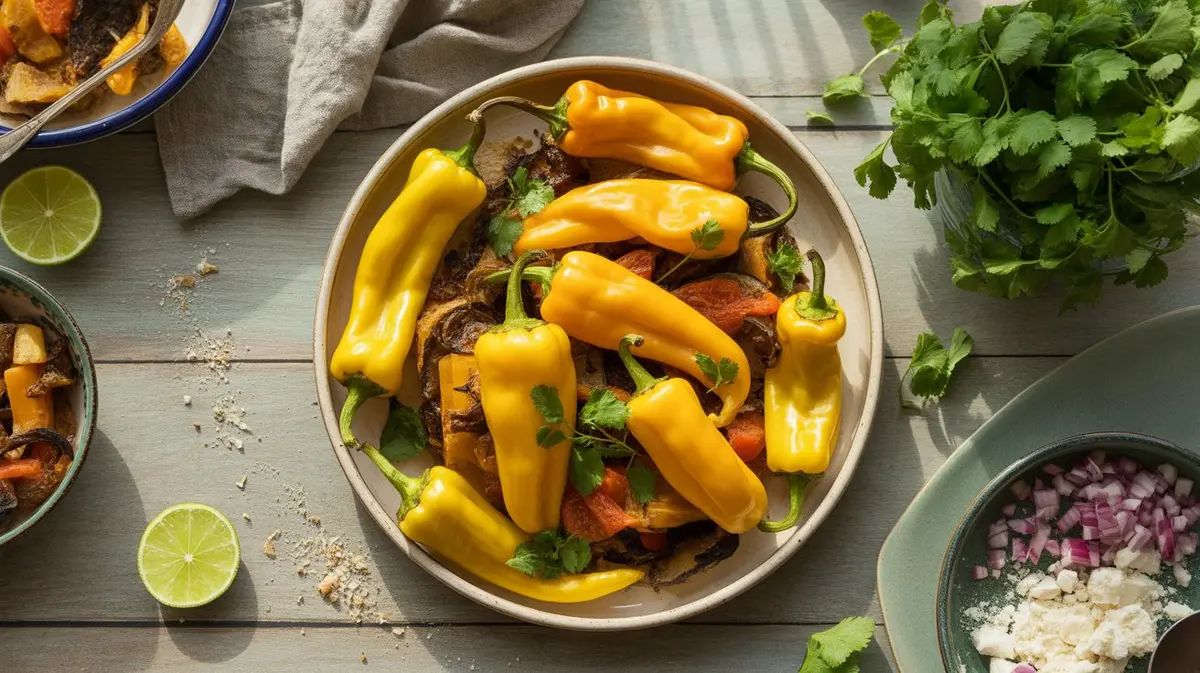
Hungarian Wax Nutrition Facts & Health Benefits
A 100-gram serving of raw Hungarian Wax pepper delivers roughly 27 calories, with most of that coming from carbohydrates. Vitamin C content is substantial — fresh yellow pods can provide 100–150% of the daily recommended value, consistent with other C. annuum varieties at this ripeness stage.
Capsaicin, the compound responsible for the 5,000–15,000 SHU heat, has been studied for anti-inflammatory properties. The peppers also contribute modest amounts of vitamin B6, potassium, and vitamin A (more so in red-ripe pods). Fiber content sits around 2g per 100g, and the waxy skin is fully edible and nutritious.
Best Ways to Cook with Hungarian Wax Peppers
The Hungarian Wax is one of those peppers that actually rewards attention to ripeness stage. Yellow pods bring tang and brightness — ideal for pickling, fresh slicing onto hoagies, or layering into antipasto. Orange and red pods carry more sweetness and work better roasted or folded into cooked sauces.
Pickling is where this pepper has historically shined. The thick waxy walls don't turn mushy in brine the way thin-skinned varieties do, so rings stay firm and snappy even after months in the jar. A simple white vinegar brine with garlic and dill is the classic approach.
For stuffed preparations, the 5–8 inch tapered shape is nearly perfect. Fill with cream cheese and herbs, or go savory with ground meat and rice in the Hungarian tradition. The walls hold their structure through baking without collapsing.
Fried Hungarian Wax rings — battered and pan-fried — are a Pittsburgh sandwich staple. The pepper's acidity cuts through fatty meats in a way that makes it genuinely complementary rather than just decorative. Compare it to flexible mild-heat cooking peppers and the Hungarian Wax consistently brings more bite to the table.
The tangy brightness also works well in fresh salsas when you want heat without the fruity notes that habaneros bring.
Where to Buy Hungarian Wax & How to Store
Fresh Hungarian Wax peppers appear at farmers markets from midsummer through early fall. Look for firm, glossy pods without soft spots or wrinkling — the waxy surface should feel taut. Yellow pods are ready to eat; orange and red are fully ripe and sweeter.
Refrigerate unwashed in a paper bag or loosely wrapped for 1–2 weeks. For longer storage, pickling is the traditional choice — brined rings hold quality for months. Roasted and peeled pods freeze well for 6 months. Dried Hungarian Wax peppers lose some of the fresh tang but work in spice blends and soups.
Best Hungarian Wax Substitutes & Alternatives
Whether you ran out of hungarian wax or just want to try something different, these peppers make solid stand-ins. We picked them based on heat range, flavor overlap, and how well they actually work in the same dishes.
Our top pick: Byadgi Chili (8K–15K SHU). Same species (C. annuum) and nearly the same heat, so it swaps in at a 1:1 ratio without changing the character of the dish. The flavor leans earthy and mild, which is close enough that most people won’t notice the difference in a cooked recipe.
How to Grow Hungarian Wax Peppers
Hungarian Wax is a reliable producer that suits most North American growing climates. Start seeds indoors 8–10 weeks before last frost — the plants need a long season to hit full production.
Transplanting outdoors after soil temperatures reach 60°F gives roots the warmth they need to establish quickly. Follow solid pepper plant spacing guidelines — about 18 inches between plants keeps air circulation adequate and reduces fungal pressure on those thick waxy pods.
The plants reach 18–24 inches tall and can carry a heavy pod load. Some growers skip pruning entirely, but selectively pruning pepper plants during the season redirects energy to fruit development and can improve pod size in shorter growing seasons.
Heat and consistent moisture are the two levers that most affect pod quality. Irregular watering during fruit set causes blossom drop and uneven pod development. Full sun is non-negotiable — fewer than 6 hours per day and production drops noticeably.
Harvest yellow pods for pickling, wait for orange or red if you want sweeter flesh. The plants will keep producing through the season as long as you're picking regularly. First fruit typically appears 70–80 days after transplant.
Frequently Asked Questions
-
The Hungarian Wax ranges from 5,000–15,000 SHU, which puts it at roughly one-third to one-half the heat of a typical cayenne at 30,000–50,000 SHU. At its hotter end, it delivers real heat — but nothing that most people find overwhelming.
-
Yes, and raw is one of the best ways to experience the tangy brightness that makes this pepper distinctive. Sliced onto sandwiches or chopped into fresh salsa, the crisp waxy flesh holds up well without turning soft the way thinner-skinned peppers do.
-
Banana peppers typically top out around 500 SHU and are noticeably milder and sweeter, while the Hungarian Wax reaches up to 15,000 SHU with a tangier, more assertive flavor. They look similar when yellow, which causes frequent confusion at markets — check the label or taste a small piece to tell them apart.
-
For pickling and fresh eating, harvest at the yellow stage when the pepper is firm and the tang is at its peak. If you prefer sweeter, milder flesh, leave pods on the plant until they turn orange or red — though fully ripe pods don't store as long fresh.
-
They're arguably one of the best pickling peppers in this heat range — the thick waxy walls resist softening in brine far better than thin-skinned varieties. A simple white vinegar, garlic, and dill brine is the traditional approach, and the rings stay snappy for months.
- Chile Pepper Institute - Capsicum Variety Information
- University of Minnesota Extension - Growing Peppers
- USDA FoodData Central - Sweet Peppers, Raw
Species classification: C. annuum — based on published botanical taxonomy.
