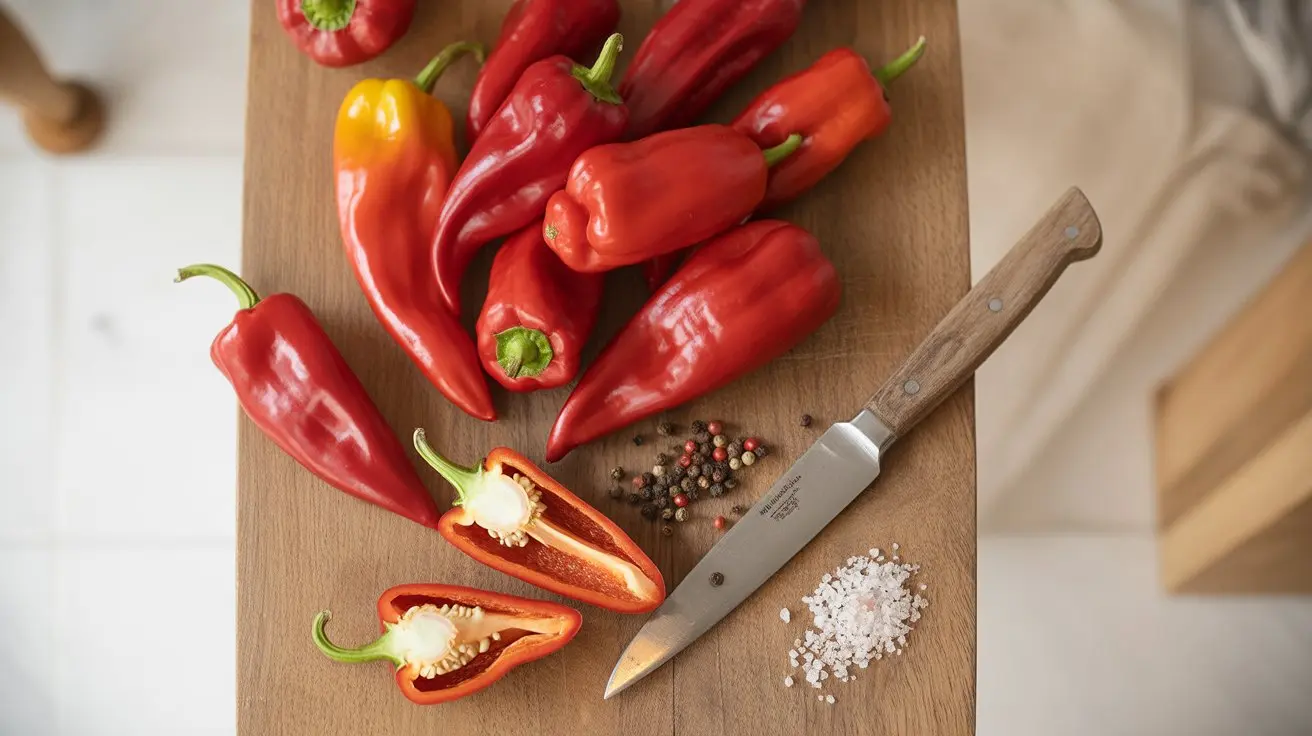

The Guntur Sannam is India's most commercially significant chile, grown in Andhra Pradesh's Guntur district and exported worldwide. Known for its deep red color, moderate-to-high heat, and sharp pungency, it forms the backbone of South Indian cooking and spice blends. This pepper drives a multi-billion dollar export trade and defines the flavor profile of countless Indian dishes.
- Heat tier: Mild (0–999 SHU)
What is ?
Andhra Pradesh produces roughly 30% of India's total chile output, and the Guntur Sannam - sometimes called S4 after its official variety designation - sits at the center of that industry.
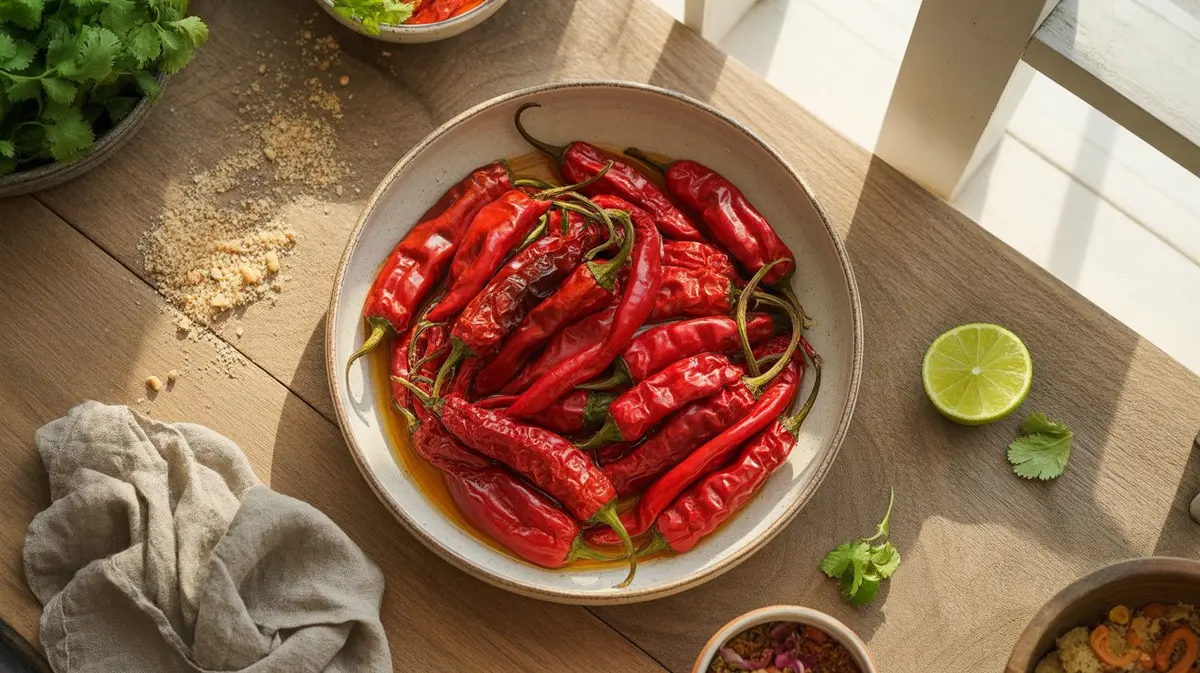
The pepper grows as a slender, finger-length pod, tapering to a point with smooth, glossy skin that turns a rich crimson at maturity. Dried pods develop a characteristic wrinkled texture and intensely deep red color that makes them prized in spice markets from Chennai to Chicago.
Flavor-wise, Guntur Sannam delivers sharp, clean heat alongside an earthy, slightly smoky depth. There's a bitterness that distinguishes it from sweeter Indian chiles like Byadagi - this pepper means business. The pungency hits quickly and lingers, making it effective in small quantities.
Among Indian hot chiles in the high-heat bracket, Guntur Sannam ranks as a workhorse variety - reliable, consistent, and commercially scalable. Farmers in Guntur, Prakasam, and Khammam districts grow it across hundreds of thousands of acres, feeding both domestic consumption and international export markets.
The Guntur region's black cotton soil and semi-arid climate create growing conditions that concentrate the pepper's capsaicinoids and color compounds, producing a product that synthetic alternatives struggle to replicate. That terroir-driven quality is exactly why global spice buyers keep coming back.
History & Origin of
Chiles arrived in India through Portuguese traders around the 16th century, and within two centuries the Guntur district had become the country's chile heartland. The Andhra Pradesh region's combination of fertile black soil, seasonal rainfall patterns, and established spice trading networks made it a natural fit for large-scale chile cultivation.
By the 19th century, Guntur had earned its reputation as India's "chilli capital," hosting one of Asia's largest dried chile markets. The Sannam variety - the name derives from a Telugu word - emerged as the dominant commercial type through farmer selection over generations.
Post-independence agricultural expansion formalized the variety, and India's spice export infrastructure grew around Guntur Sannam's reliability. Today the [Spices Board of India](https://www.indianspices.com/) tracks it as a primary export commodity, with significant volumes reaching the United States, Sri Lanka, and Southeast Asia annually.
How Hot is ? Heat Level & Flavor
The delivers 0 Scoville Heat Units, placing it in the Mild tier (0–999 SHU).
Nutrition Facts & Health Benefits
Dried Guntur Sannam packs concentrated nutrition into small quantities. Capsaicin and related capsaicinoids support metabolism and have documented anti-inflammatory properties according to pepper health benefits research.
Dried red chiles are exceptional sources of vitamin A (from beta-carotene) and vitamin C, though heat processing reduces the latter. Iron, potassium, and B vitamins appear in meaningful amounts.
The deep red color comes from capsanthin and capsorubin - carotenoid compounds with antioxidant activity. These same pigments make Guntur Sannam valuable in natural food coloring applications. A teaspoon of powder contains roughly 6 calories with negligible fat and protein.
Best Ways to Cook with Peppers
Guntur Sannam drives the heat in some of India's most intense regional cuisines. Andhra cooking - famously the spiciest in India - relies on this chile for curries, chutneys, and rice dishes where heat isn't background noise but the central character.
Dried whole pods go into tempering oil alongside mustard seeds and curry leaves, blooming their flavor into the fat before other ingredients join. Ground into powder, the pepper becomes a staple of commercial spice blends, paprika substitutes, and restaurant-grade curry bases.
For home cooks outside India, Guntur Sannam powder works anywhere you'd use cayenne but want more color and earthier depth. It's particularly effective in dry-rub applications for roasted vegetables and braised meat dishes where long cooking mellows the initial sharpness.
Compared to the zero-heat sweetness of a mild crisp bell pepper, Guntur Sannam sits at the opposite end of the flavor intensity scale. It also differs sharply from the completely heat-free habanero-shaped pepper - there's nothing gentle about Sannam's pungency.
Spice blends like sambar powder, rasam powder, and various masalas typically include Guntur Sannam as a primary ingredient. Its high oleoresin content makes it valuable for food coloring applications too.
Where to Buy & How to Store
Fresh Guntur Sannam peppers appear in Indian grocery stores during late summer and fall, typically August through October in North American markets. Dried whole pods and ground powder are available year-round at South Asian grocery stores and online spice retailers.
Look for dried pods with deep, uniform red color - orange or brown tones indicate age or poor storage. Ground powder should smell sharp and pungent, not dusty.
Store dried whole pods in airtight containers away from light for up to 12 months. Ground powder retains peak flavor for 6 months. Refrigeration extends shelf life but introduces moisture risk - use a desiccant packet if refrigerating.
Best Substitutes & Alternatives
Whether you ran out of or just want to try something different, these peppers make solid stand-ins. We picked them based on heat range, flavor overlap, and how well they actually work in the same dishes.
Our top pick: Sweet Italian Pepper (0–100 SHU). The heat level is close enough for a direct swap in salsas, sauces, and stir-fries. Flavor leans sweet and mild, so the taste will shift a bit — but the overall heat stays in the same range.
How to Grow Peppers
Guntur Sannam thrives in warm, semi-arid conditions that mirror its native Andhra Pradesh environment. Aim for daytime temperatures between 75-90°F with well-drained soil - the pepper's sensitivity to waterlogging is one reason Guntur's black cotton soil works so well, draining excess moisture while retaining nutrients.
Start seeds indoors 8-10 weeks before last frost. Germination is reliable at soil temperatures above 70°F, typically taking 10-14 days. Transplant outdoors only after nighttime temps consistently stay above 55°F.
Plant spacing of 18-24 inches allows adequate airflow, which matters for disease prevention in humid climates. The plants grow upright and bushy, reaching 2-3 feet in height under good conditions.
For those interested in seed-starting and cultivation techniques for hot varieties, Guntur Sannam behaves similarly to other South Asian commercial types - it rewards consistent watering but punishes overwatering. Reduce irrigation as pods approach maturity to concentrate flavor compounds.
Days to maturity run approximately 70-80 days from transplant to green stage, with full red color developing 2-3 weeks later. Commercial growers typically harvest at red for dried chile production. In home gardens, successive harvests extend the season considerably.
Frequently Asked Questions
-
Guntur Sannam typically registers in a range that makes it noticeably hotter than a banana pepper but comparable to cayenne. Its heat hits quickly and has a sharp, clean character rather than the slow build you get from some dried Mexican varieties.
-
Yes - it's one of the more direct substitutions in dried chile powders, with similar heat level and a comparable fine texture. Guntur Sannam adds slightly more color and an earthier depth than standard cayenne, which can actually improve dishes.
-
The district's black cotton soil (locally called regur) retains nutrients while draining excess water - conditions that concentrate capsaicin and pigment compounds in the pods. Combined with the region's established spice trading infrastructure dating back centuries, Guntur became the natural center of India's chile industry.
-
Expect an earthy, slightly smoky base with a mild bitterness that distinguishes it from sweeter South Indian varieties like Byadagi or Kashmiri. The flavor is assertive rather than complex - it's bred for pungency and color, not nuanced fruitiness.
-
Often yes - Guntur Sannam is the dominant variety in commercial Indian red chile powder due to its high production volume and consistent heat profile. That said, commercial blends may mix several varieties, so pure Guntur Sannam powder from specialty spice retailers will have a more distinct character.