
Friggitello

The friggitello is a slender Italian frying pepper with 0-500 SHU — virtually no heat at all. Grown across central Italy for centuries, it is prized for the way high heat transforms its thin walls into something silky and slightly sweet. At home in a cast iron pan with olive oil and coarse salt, this pepper is a staple of Italian home cooking that deserves far more attention outside its homeland.
- Species: C. annuum
- Heat tier: Mild (0–999 SHU)
What is Friggitello?
The friggitello belongs to the mild pepper intensity range and sits squarely within C. annuum, the most widely cultivated pepper species on the planet. Its SHU range of 0-500 means heat is essentially absent — what you taste instead is a clean, grassy sweetness with a faint tang.
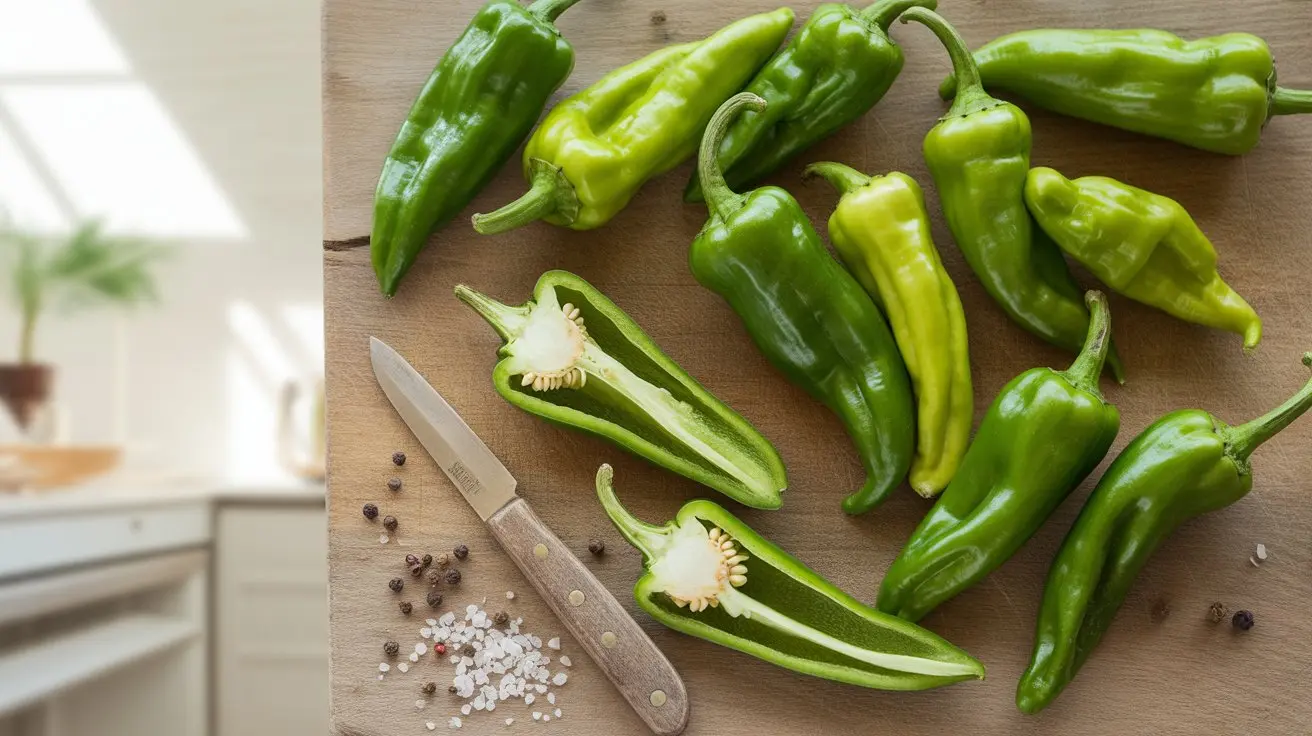
Physically, the pepper runs 3-4 inches long, tapered to a blunt tip, with thin, almost translucent walls when raw. Skin color moves from pale yellow-green at harvest to red at full maturity, though most Italian cooks pick them green.
The name itself comes from friggere — Italian for "to fry" — which tells you exactly what this pepper was bred to do. Toss it whole into hot olive oil and the skin blisters, the flesh softens, and the natural sugars concentrate into something far more complex than the raw pepper suggests.
Compared to the sweet, waxy-walled Italian frying type or the long, tapered bull's horn shape, the friggitello is lighter and more delicate — better suited for quick pan-frying than stuffing or roasting. It shares heat territory with the tangy, brine-forward pickling pepper but differs completely in texture and intended use.
Grown primarily in Tuscany, Campania, and Lazio, this pepper is as tied to Italian regional identity as any ingredient in the peninsula's cooking.
History & Origin of Friggitello
Central Italy has been growing friggitellos for at least several hundred years, though precise documentation is sparse before the 20th century. The pepper became embedded in the food culture of Tuscany and Campania as a cheap, abundant, fast-cooking vegetable that could feed families with minimal effort — just oil, fire, and salt.
In Campania, the friggitello is sometimes called friariello, though that name can also refer to a type of broccoli rabe in Naples, creating genuine regional confusion. The Tuscan version tends to run slightly longer and paler than southern variants.
By the mid-20th century, the pepper had become a fixture at Roman trattorie, served as a side dish (contorno) or antipasto. It never achieved the international profile of the widely exported tangy pickling pepper, but within Italy it remained a beloved everyday ingredient. Today it is finding new audiences through Italian-American farmers markets and specialty seed catalogs.
How Hot is Friggitello? Heat Level & Flavor
The Friggitello delivers 0–500 Scoville Heat Units, placing it in the Mild tier (0–999 SHU).
Flavor notes: sweet and mild.
Friggitello Nutrition Facts & Health Benefits
A 100g serving of raw friggitello delivers roughly 20-25 calories, making it one of the lightest vegetables by caloric density. Like most sweet peppers, it provides a solid dose of vitamin C — typically 80-100mg per 100g — along with meaningful amounts of vitamin B6 and folate.
The thin walls mean lower water content than bell peppers, slightly concentrating nutrients per bite. Carotenoids, including beta-carotene, increase as the fruit ripens from green to red. Friggitellos contain negligible capsaicin given their 0-500 SHU range — the mild heat zone essentially means no meaningful thermogenic effect.
Best Ways to Cook with Friggitello Peppers
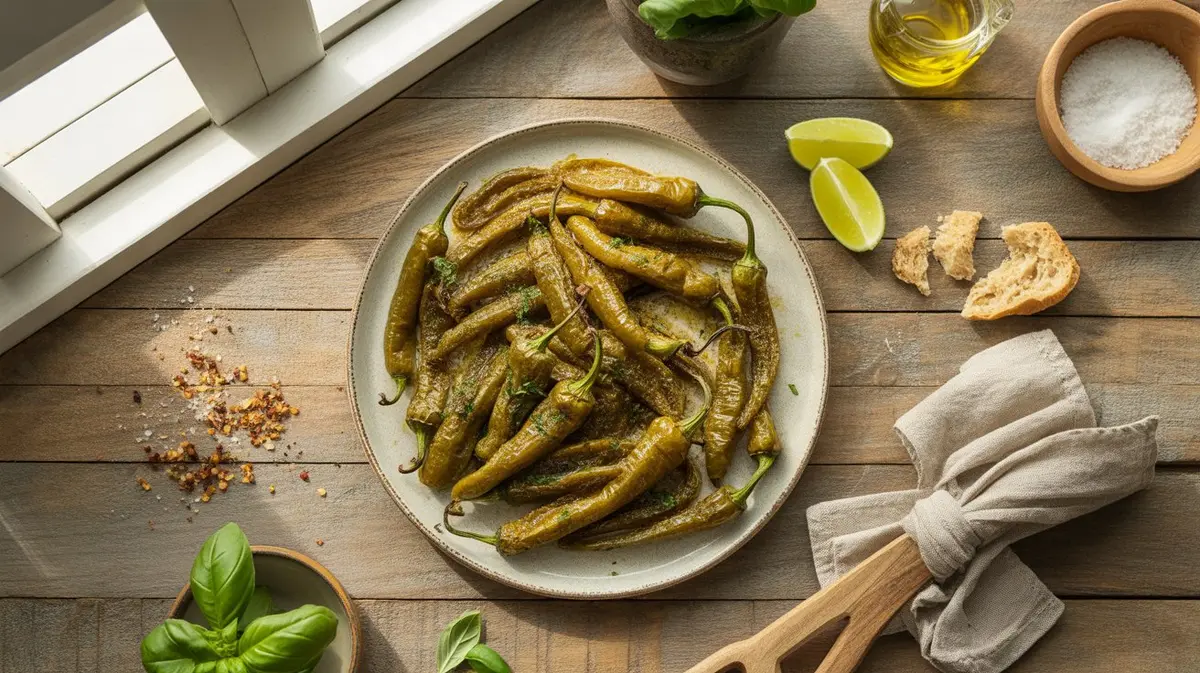
Frying is the defining technique. Heat a generous pour of olive oil in a heavy pan — cast iron or carbon steel — until it shimmers, then add whole friggitellos without crowding. They need high heat and patience: 8-10 minutes, turning occasionally, until the skins blister and char in spots and the flesh collapses slightly.
Finish with flaky salt. That is the complete recipe, and it is genuinely satisfying.
Beyond the pan, friggitellos work well pickled in white wine vinegar with garlic and peppercorns — a preparation that highlights the same tangy, low-heat pickling tradition common across southern Italy. They can also be stuffed with tuna and capers, a Sicilian-influenced preparation that balances the pepper's mild sweetness against briny, savory filling.
For grilling, thread them whole on skewers alongside the sweet, thick-walled roasting pepper for a mixed pepper plate. Their thin skins char faster than thicker-walled varieties, so watch the heat.
Substitution works in both directions: the nearly heatless, elongated frying pepper can replace friggitellos in most pan applications, though the flavor profile is slightly different. If you need guidance on prep, the practical method for deseeding peppers applies here too, though many cooks leave friggitellos whole for frying.
Where to Buy Friggitello & How to Store
Fresh friggitellos appear at Italian specialty markets and farmers markets from July through September in North America. Look for firm, unblemished skin with no soft spots or wrinkling — signs of age show quickly on thin-walled peppers.
Refrigerate unwashed in a paper bag or loosely wrapped in paper towels inside a produce drawer. They hold well for 5-7 days but are best used within 3-4. For longer storage, roast or fry them first, then pack in olive oil and refrigerate for up to two weeks. Freezing raw is not recommended — the thin walls turn mushy on thawing.
Best Friggitello Substitutes & Alternatives
Whether you ran out of friggitello or just want to try something different, these peppers make solid stand-ins. We picked them based on heat range, flavor overlap, and how well they actually work in the same dishes.
Our top pick: Banana Pepper (0–500 SHU). Same species (C. annuum) and nearly the same heat, so it swaps in at a 1:1 ratio without changing the character of the dish. The flavor leans mild and tangy, which is close enough that most people won’t notice the difference in a cooked recipe.
How to Grow Friggitello Peppers
The hardest part of growing friggitellos is getting the fruit to size before the first fall frost. These plants need a long, warm season — start seeds indoors 10-12 weeks before last frost and do not rush transplanting. Soil temperature at transplant should be at least 60°F, with nights staying consistently above 55°F.
Spacing matters more than most growers expect. Give plants 18-24 inches between them; crowded plants produce fewer peppers and are more vulnerable to fungal issues in humid climates. Full sun is non-negotiable — minimum 8 hours daily.
Friggitellos are moderate feeders. A balanced fertilizer at transplant, then a switch to lower-nitrogen, higher-phosphorus feed once flowering begins, keeps plants productive without pushing excessive leaf growth at the expense of fruit.
For those interested in the broader Italian pepper growing tradition, friggitellos fit naturally alongside the long, sweet-fleshed heirloom pepper — both reward the same warm-season, full-sun approach.
Harvest at 3-4 inches when pale green for the classic Italian preparation. Plants will continue producing if you pick regularly. A full walkthrough of pepper cultivation from seed to harvest is available in the complete pepper growing guide.
Frequently Asked Questions
-
Raw, the flavor is grassy and mildly sweet with a faint tang — pleasant but unremarkable. Frying or roasting transforms the pepper completely, concentrating its sugars and softening the thin walls into something silky and savory.
-
They are related but distinct: both are mild Italian peppers in the 0-500 SHU range, but pepperoncini are typically pickled and have a more pronounced acidity, while friggitellos are bred specifically for frying and have thinner walls. The confusion is common, especially in American Italian-food contexts.
-
Yes, with caveats — both sit in the same heat range and share a similar elongated shape, making them interchangeable in most pan-fry or pickle applications. The flavor of a banana pepper skews slightly more acidic and waxy, so the finished dish will taste a bit different but work well.
-
Expect 70-80 days from transplant to green harvest stage, with full red maturity taking another 1-2 weeks beyond that. Starting seeds indoors 10-12 weeks before last frost is essential for getting a full harvest before fall.
-
The most common cause is a pan that is not hot enough before the peppers go in, or overcrowding — both trap steam and prevent the skin from blistering. Use high heat, a heavy pan, and work in batches if needed.
- Chile Pepper Institute - Capsicum Species Overview
- USDA FoodData Central - Sweet Peppers
- Johnny's Selected Seeds - Italian Pepper Varieties
- Baker Creek Heirloom Seeds - Friggitello
Species classification: C. annuum — based on published botanical taxonomy.
