Cubanelle Pepper

The cubanelle pepper is a staple of Caribbean and Italian-American cooking, prized for its thin walls, sweet flavor, and near-zero heat. Registering just 100–1,000 SHU, it sits at the gentlest end of the medium heat classification. Its pale yellow-green pods turn red at full maturity, making it as attractive as it is practical in the kitchen.
- Species: C. annuum
- Heat tier: Medium (1K–10K SHU)
What is Cubanelle Pepper?
Walk through any Italian neighborhood market in New York or a Cuban home kitchen, and you will almost certainly find cubanelles. This C. annuum variety has been embedded in both Caribbean and Italian-American food traditions for generations — not because it brings heat, but because it brings flavor.
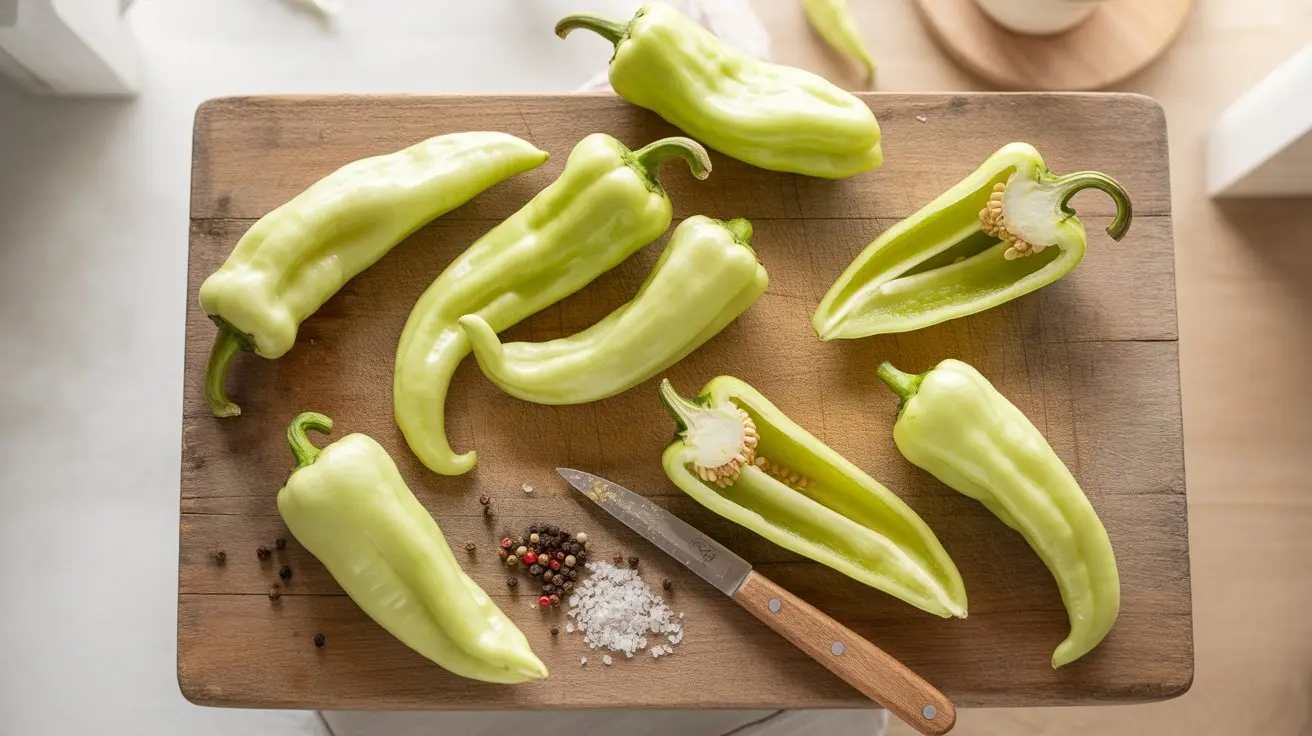
The pods are elongated and slightly tapered, typically 4–6 inches long, with thin, waxy walls and a hollow interior. Fresh cubanelles start pale yellow-green and ripen through orange to red. Most cooks pick them before full maturity, when the flesh is crisp and the flavor is clean and mildly sweet.
At 100–1,000 SHU, a cubanelle registers so low on the Caribbean pepper tradition spectrum that heat is essentially a non-factor. Compare that to a chipotle, which can reach 2,500–8,000 SHU — the cubanelle is many times milder. This makes it genuinely accessible to people who want pepper flavor without any burn.
The thin walls set it apart from bell peppers in a practical way: cubanelles soften faster when cooked, blister beautifully under high heat, and absorb surrounding flavors without turning mushy. That's why they're the go-to for Italian frying peppers and Cuban sofrito bases alike.
Botanically, it belongs to the Capsicum annuum species, which also includes jalapeños, poblanos, and bell peppers — a remarkably diverse family.
History & Origin of Cubanelle Pepper
The cubanelle takes its name from Cuba, where it has been cultivated for centuries as part of the island's essential cooking trinity alongside onion and garlic. Cuban immigrants brought it to the United States, particularly to New York and Florida, where it became a fixture in Latin grocery stores long before specialty produce became mainstream.
Italian immigrants adopted the pepper enthusiastically, calling it the Italian frying pepper — a name that stuck in northeastern U.S. markets. Its thin walls and low moisture content made it ideal for the style of pan-frying central to Italian-American home cooking.
By the mid-20th century, cubanelles were appearing in seed catalogs across the eastern seaboard. Today they are grown commercially throughout the U.S., Caribbean, and Mediterranean, though their cultural roots remain firmly tied to Cuban and southern Italian traditions.
How Hot is Cubanelle Pepper? Heat Level & Flavor
The Cubanelle Pepper delivers 100–1K Scoville Heat Units, placing it in the Medium tier (1K–10K SHU).
Flavor notes: sweet and mild.
Cubanelle Pepper Nutrition Facts & Health Benefits
A 100-gram serving of raw cubanelle pepper contains approximately 27 calories, with minimal fat and about 6 grams of carbohydrates. Like most sweet peppers, it delivers a solid hit of vitamin C — often exceeding 100% of the daily recommended value when fully ripe and red.
The thin walls mean a higher water content than thick-walled varieties, which keeps calorie density low. Cubanelles also provide modest amounts of vitamin B6, folate, and potassium. The low capsaicin content means no significant metabolic heat effect, unlike hotter varieties where capsaicin influences calorie burning.
Best Ways to Cook with Cubanelle Peppers
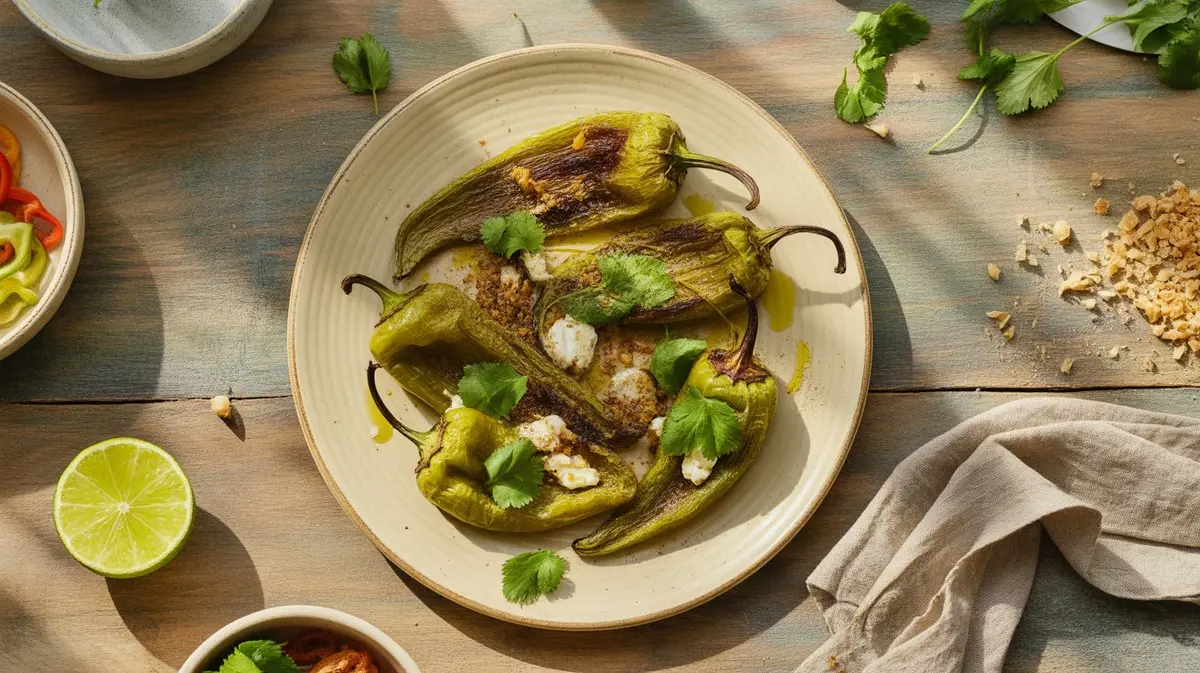
Cubanelles shine in high-heat applications where bell peppers fall flat. Toss them whole into a dry cast-iron skillet and let them blister — the thin skin chars quickly, the flesh softens, and the sweetness concentrates. A little olive oil, salt, and garlic is all they need.
In Cuban cooking, they go into sofrito alongside onion, tomato, and garlic, forming the flavor base for rice dishes, beans, and braised meats. The pepper's mild sweetness integrates without dominating, which is exactly what sofrito demands.
For Italian-American applications, sliced cubanelles fried in olive oil with sausage is a classic combination — the pepper's thin walls mean it cooks in the same time as the sausage, making the whole dish come together fast. They also work well stuffed, though their elongated shape requires a different approach than bell peppers.
Raw cubanelles have a clean, grassy bite that holds up in salsas and relishes. If you are making pepper jack queso, diced cubanelle adds texture and mild sweetness without pushing the heat. They pair naturally with roasted sweet Spanish pepper varieties in cold antipasto plates.
Substitution is straightforward: anywhere a recipe calls for bell pepper but you want a softer texture and slightly more complex flavor, cubanelle fits.
Where to Buy Cubanelle Pepper & How to Store
Cubanelles are most common in Latin and Italian specialty markets, though larger grocery chains in the Northeast and Florida carry them regularly. Look for pods that are firm with no soft spots, pale yellow-green to light green in color, and free of wrinkles — wrinkling signals age and moisture loss.
At home, store unwashed cubanelles in the refrigerator crisper drawer in a loosely sealed bag. They hold well for 1–2 weeks when kept dry. For longer storage, roast and freeze them — they maintain flavor well frozen and thaw quickly for use in cooked dishes.
Avoid refrigerating below 45°F, which can cause chilling injury and pitting on the skin.
Best Cubanelle Pepper Substitutes & Alternatives
Whether you ran out of cubanelle pepper or just want to try something different, these peppers make solid stand-ins. We picked them based on heat range, flavor overlap, and how well they actually work in the same dishes.
Our top pick: Long Hot Italian (100–1K SHU). Same species (C. annuum) and nearly the same heat, so it swaps in at a 1:1 ratio without changing the character of the dish. The flavor leans sweet and mild, which is close enough that most people won’t notice the difference in a cooked recipe.
How to Grow Cubanelle Peppers
Cubanelles are among the more forgiving peppers to grow, which makes them a good choice for gardeners who want reliable production without fussing over soil conditions. Start seeds indoors 8–10 weeks before last frost — transplanting seedlings after soil temperature reaches 65°F consistently gives them the best start.
Plants typically reach 24–30 inches tall and produce heavily once established. Days to maturity run around 65–70 days from transplant to green-stage harvest, which is when most cooks want them. Leaving pods on the plant until red adds another 2–3 weeks but rewards patience with sweeter, more complex flavor.
They prefer full sun and well-drained soil with consistent moisture. Inconsistent watering leads to blossom drop and uneven fruit set. A balanced fertilizer at transplant, then a switch to lower nitrogen once flowering begins, keeps plants productive without pushing excessive foliage.
Cubanelles are less cold-sensitive than many peppers but still need protection from late frost. In containers, they perform well in 5-gallon pots or larger. Compare them to the Spanish dried pepper grown for traditional sauces — both are relatively easy producers, but cubanelles bear fruit faster and require less babying through the season.
Frequently Asked Questions
-
Cubanelles have a clean, mildly sweet flavor with a slightly grassy, fresh quality when raw. Cooked, especially when blistered or fried, the sweetness deepens and the flesh becomes tender without turning bitter.
-
No — at 100–1,000 SHU, cubanelles are essentially heatless for most people. A chipotle pepper can be 10 or more times hotter, so cubanelle is genuinely mild even for heat-sensitive cooks.
-
Yes, and in many cooked applications it's actually a better choice — the thinner walls soften faster and the flavor is slightly more complex. For raw applications like salads, the texture difference is more noticeable but still workable.
-
Latin and Italian specialty grocery stores are your best bet, particularly in the Northeast U.S. and Florida. Some larger supermarket chains in those regions stock them, and they're widely available at farmers markets during summer months.
-
Both are mild and elongated, but banana peppers tend to be shorter, more tapered, and slightly tangier, while cubanelles are longer with thinner walls and a sweeter, less acidic flavor. Cubanelles also blister and fry more evenly due to their wall thickness.
- Chile Pepper Institute - New Mexico State University
- USDA FoodData Central - Sweet Pepper Nutritional Data
- University of Florida IFAS Extension - Pepper Production
- Johnny's Selected Seeds - Cubanelle Pepper Varieties
Species classification: C. annuum — based on published botanical taxonomy.