
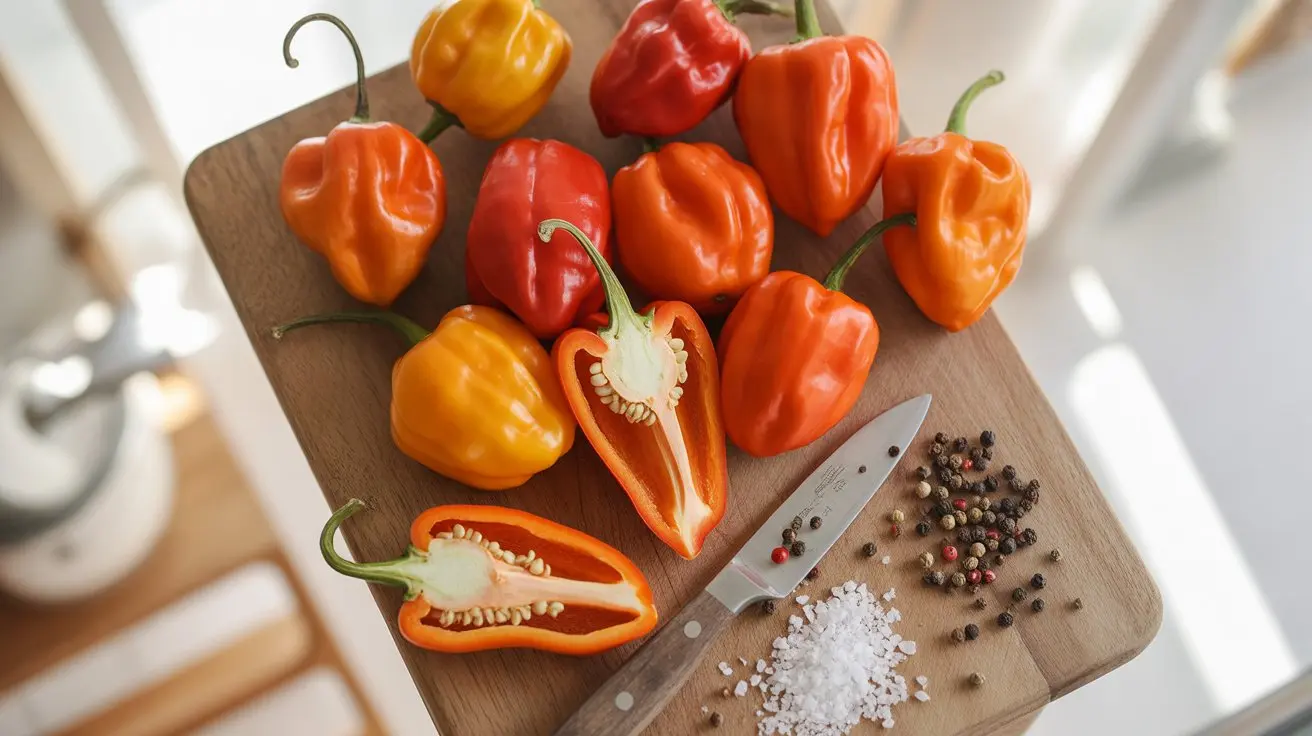
Caribbean Red Habanero

The Caribbean Red Habanero registers 300,000–475,000 SHU — roughly 3x hotter than a standard classic orange habanero's fruity burn and nearly twice as hot as a Scotch Bonnet. Its lantern-shaped pods deliver a tropical fruit flavor that hits fast before the heat takes over. A staple of Caribbean cooking and a serious pepper for serious kitchens.
- Species: C. chinense
- Heat tier: Extra-Hot (100K–1M SHU)
- Comparison: 95x hotter than a jalapeño
What is Caribbean Red Habanero?
Long before it showed up in hot sauce bottles, the Caribbean Red Habanero was doing real work in Caribbean kitchens — adding fire to jerk marinades, pepper sauces, and stewed meats across the islands. This is a C. chinense variety with all the hallmarks of the species: thick fruity aroma, delayed but punishing heat, and that distinctive lantern shape.
At 300,000–475,000 SHU, it sits well above most kitchen peppers. For context, a Scotch Bonnet tops out around 350,000 SHU on a good day — the Caribbean Red can blow past that. Its extra-hot SHU bracket puts it in genuinely serious territory.
The flavor profile is what keeps people coming back. There's real tropical fruit underneath the fire — mango, papaya, citrus — that you can actually taste if you use it in cooked sauces rather than raw applications. The heat is front-loaded, building quickly across the palate and lingering longer than most habanero relatives.
This pepper shares space with other C. chinense botanical relatives like the scorching deep-brown pods of the Chocolate Habanero and the African-origin citrus-forward Fatalii's blistering intensity. Each brings something different, but the Caribbean Red's combination of heat ceiling and fruit character makes it well-suited for hot sauce work.
History & Origin of Caribbean Red Habanero
The Caribbean Red Habanero traces its roots to the broader habanero family, which has been cultivated across the Caribbean and Central America for centuries. The Yucatan Peninsula of Mexico and the Caribbean islands developed distinct regional varieties through generations of selective cultivation, with the red variant prized for its higher heat output and vivid color.
Commercially, this pepper gained wider recognition in the 1990s as hot sauce culture expanded beyond regional markets. Its deep red color and intense heat made it a preferred alternative to the standard orange habanero for producers seeking more visual impact and higher SHU ratings.
The regional pepper tradition that shaped this variety reflects centuries of trade and cultivation between Caribbean islands and the Mexican coast. Unlike the genetically refined heat of the Red Savina's storied cultivation history, the Caribbean Red developed more organically through regional selection rather than deliberate breeding programs.
How Hot is Caribbean Red Habanero? Heat Level & Flavor
The Caribbean Red Habanero delivers 300K–475K Scoville Heat Units, placing it in the Extra-Hot tier (100K–1M SHU). That makes it roughly 95x hotter than a jalapeño.
Flavor notes: fruity and intense.
Caribbean Red Habanero Nutrition Facts & Health Benefits
Like most C. chinense peppers, the Caribbean Red Habanero is nutritionally dense relative to its small size. A single pod delivers a meaningful dose of vitamin C — habanero-type peppers are among the highest vitamin C sources in the pepper family, often exceeding bell peppers by weight.
Capsaicin, the compound responsible for the heat, has been studied for its anti-inflammatory and metabolic effects. The pepper also provides vitamin A, vitamin B6, and small amounts of potassium and iron.
Calorie count is negligible — roughly 5–10 calories per pod. Given that most recipes use these in small quantities, the nutritional contribution per serving is modest but real.
Best Ways to Cook with Caribbean Red Habanero Peppers
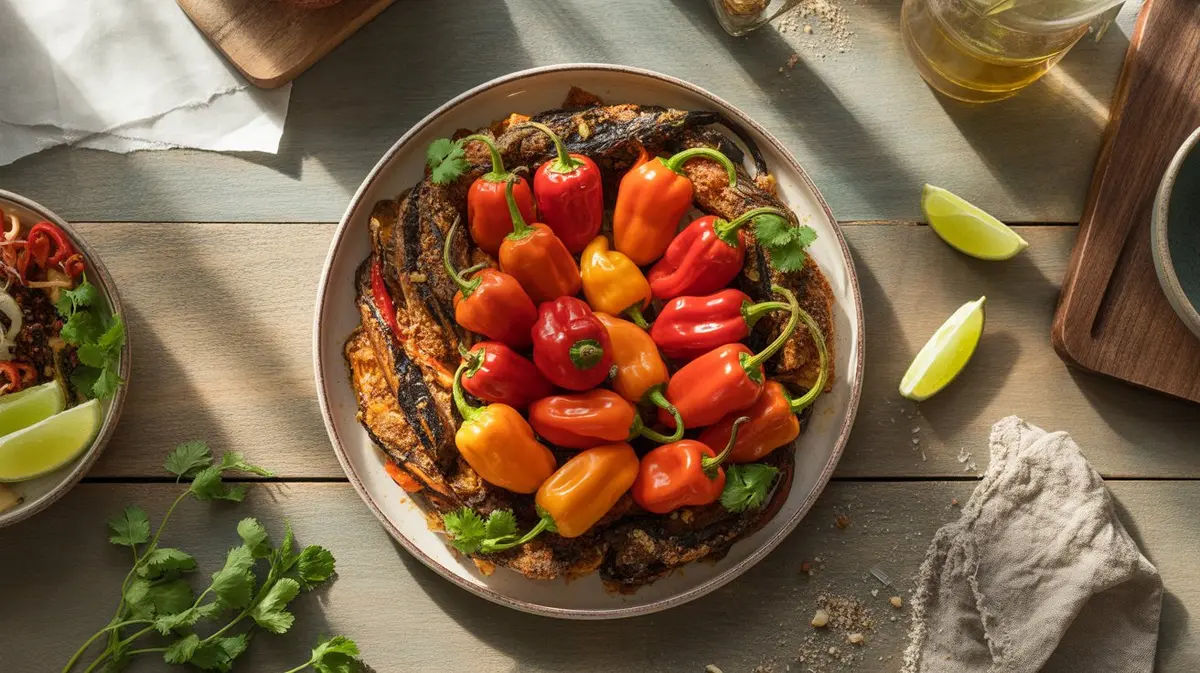
Caribbean Red Habaneros are built for hot sauce. The fruit-forward flavor survives cooking well, making them ideal for cooked-down sauces where you want both complexity and serious heat. Combine them with mango, pineapple, or citrus to amplify the tropical notes already in the pepper itself.
For jerk seasoning, these are the traditional choice across much of the Caribbean. Blend with allspice, thyme, garlic, and green onion — the pepper's heat integrates rather than dominates when properly balanced. The same fruity intensity that makes raw applications overwhelming becomes an asset in slow-cooked stews and braises.
The lantern-shaped cooking applications of the Hot Paper Lantern offer a useful comparison point — similar shape, similar heat range, but the Caribbean Red brings more color and arguably more fruit character to finished dishes.
Gloves are non-negotiable when processing these fresh. The capsaicin content is high enough that skin contact during extended prep work will cause real discomfort. Roasting before use softens the heat slightly and deepens the fruit character, which works well in Caribbean-style pepper sauces meant to be used as a table condiment.
Where to Buy Caribbean Red Habanero & How to Store
Fresh Caribbean Red Habaneros are most available late summer through early fall at farmers markets and Latin or Caribbean grocery stores. Specialty grocers with good produce sections often carry them seasonally; year-round availability typically means frozen or dried product.
Select pods that are fully red, firm, and glossy with no soft spots. Wrinkled skin usually indicates the pod was harvested past peak or has been sitting too long.
Refrigerate fresh pods in a paper bag for up to 2 weeks. For longer storage, freeze whole — they retain heat and flavor well frozen and can go directly into cooked dishes. Dried pods keep for 6–12 months in an airtight container away from light.
Best Caribbean Red Habanero Substitutes & Alternatives
Whether you ran out of caribbean red habanero or just want to try something different, these peppers make solid stand-ins. We picked them based on heat range, flavor overlap, and how well they actually work in the same dishes.
Our top pick: Chocolate Habanero (300K–425K SHU). Same species (C. chinense) and nearly the same heat, so it swaps in at a 1:1 ratio without changing the character of the dish. The flavor leans smoky and fruity, which is close enough that most people won’t notice the difference in a cooked recipe.
How to Grow Caribbean Red Habanero Peppers
Caribbean Red Habaneros need a long season — plan on 90–110 days from transplant to harvest. Start seeds indoors 10–12 weeks before your last frost date. Germination is best at 80–85°F soil temperature; a seedling heat mat makes a meaningful difference with C. chinense varieties.
These plants run larger than standard habaneros, often reaching 2–3 feet at maturity. They benefit from caging or staking once fruit sets, since a full load of pods can pull branches down. Full sun is essential — fewer than 6 hours and production drops noticeably.
For gardeners newer to hot peppers, the practical guide to easiest peppers to grow is worth a read before committing to a full season with C. chinense varieties, which are more demanding than most. If you grow multiple varieties, hand-pollination technique helps control cross-pollination and maintain variety integrity.
Fertilize with a balanced feed early, then shift to lower nitrogen once flowering begins. The similar cultivation profile of the Hot Paper Lantern's growing habits applies here — both varieties appreciate consistent moisture but suffer in waterlogged soil. Harvest when pods turn fully red for peak heat and flavor.
Frequently Asked Questions
-
The Caribbean Red Habanero ranges from 300,000–475,000 SHU, while Scotch Bonnets typically cap around 350,000 SHU. At its upper range, the Caribbean Red can be significantly hotter — though both share a similar fruity C. chinense character.
-
Technically yes, but the heat at 300,000–475,000 SHU makes raw consumption genuinely intense for most people. They work better cooked into sauces or marinades where the heat integrates and the fruit flavor develops more fully.
-
The Caribbean Red runs considerably hotter — up to 475,000 SHU versus the orange habanero's ceiling of around 350,000 SHU — and produces larger, deeper red pods. The flavor profile is similar but the Caribbean Red has a more pronounced fruit intensity alongside the higher heat.
-
They're excellent for hot sauce — the fruit flavor survives cooking and the deep red color produces a visually striking finished product. Many commercial Caribbean-style hot sauces use this variety specifically for its color and heat combination.
-
Expect 90–110 days from transplant to harvest, making them one of the longer-season peppers for home growers. Starting seeds indoors 10–12 weeks before last frost is standard practice for getting a full harvest before cold weather arrives.
- Chile Pepper Institute - New Mexico State University
- USDA Agricultural Research Service - Capsicum
- University of Florida IFAS Extension - Pepper Production
Species classification: C. chinense — based on published botanical taxonomy.
