Cajun Belle

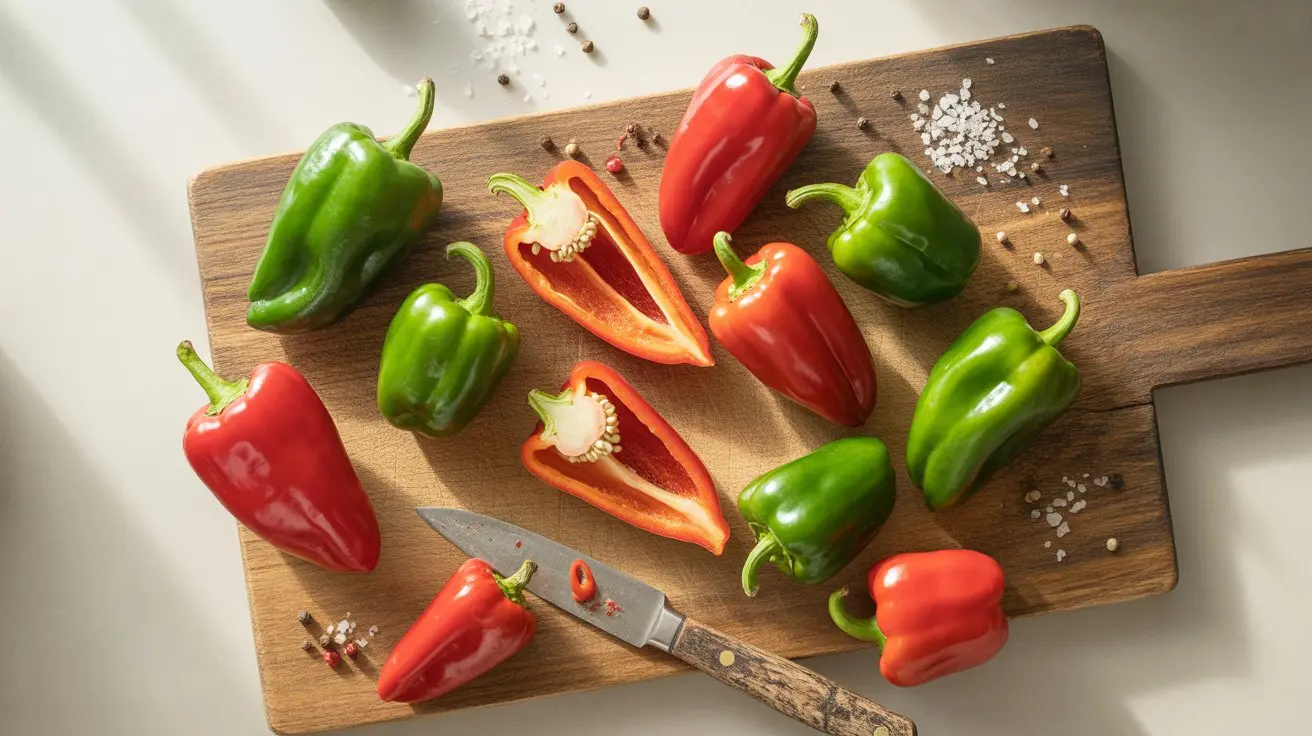
Most people assume 'Cajun' means heat, but the Cajun Belle delivers 0–500 SHU with zero fire and plenty of sweetness. This blocky, colorful C. annuum from the American South ripens through green, yellow, orange, and red — making it one of the most visually striking mild peppers you can grow. It performs like a compact bell pepper with better disease resistance and earlier harvests.
- Species: C. annuum
- Heat tier: Mild (0–999 SHU)
What is Cajun Belle?
The name throws people off. Cajun conjures cayenne, gumbo heat, and fire-forward cooking — but the Cajun Belle sits firmly in the mild SHU range at just 0–500 Scoville units, closer to a sweet bell than anything that would challenge a shishito.
Developed and introduced by PanAmerican Seed, this C. annuum was bred specifically for compact garden spaces and early production. It belongs to the broader American pepper tradition of breeding for home garden performance rather than culinary heat.
The fruit is blocky and thick-walled, typically 2–3 inches across, with a glossy exterior that transitions from deep green through yellow and orange before settling into a rich red at full maturity. Each color stage offers a slightly different flavor — greener fruits taste more vegetal and firm, while fully red ones develop a concentrated sweetness.
What separates Cajun Belle from a standard bell pepper is its disease package: it carries resistance to tobacco mosaic virus and bacterial spot, which matters enormously in humid Southern gardens. It also matures faster — roughly 60–70 days to first harvest — giving gardeners in shorter seasons a real advantage.
For anyone exploring the C. annuum botanical family, Cajun Belle represents the sweet end of an incredibly diverse species that also includes jalapeños, anchos, and cayennes.
History & Origin of Cajun Belle
Cajun Belle is a modern hybrid, not an heirloom with centuries of lineage. PanAmerican Seed developed it as part of a wave of compact, disease-resistant sweet pepper varieties aimed at home gardeners and small-plot growers.
The 'Cajun' branding leans into Louisiana's culinary identity — a marketing choice more than a geographic one, since the pepper wasn't developed in Cajun country. It won an All-America Selections (AAS) award, which validated its garden performance across multiple growing regions and climates.
Its roots in American pepper breeding reflect a broader 20th-century shift toward peppers that prioritize yield, disease resistance, and ornamental appeal alongside flavor. Unlike older varieties selected over generations by farmers, Cajun Belle was engineered from the start for modern gardens — a product of controlled hybridization rather than open-pollinated tradition.
How Hot is Cajun Belle? Heat Level & Flavor
The Cajun Belle delivers 0–500 Scoville Heat Units, placing it in the Mild tier (0–999 SHU).
Flavor notes: sweet and mild.
Cajun Belle Nutrition Facts & Health Benefits
Like most sweet peppers, Cajun Belle is low in calories and high in vitamins. A 100g serving of red-ripe fruit provides roughly 31 calories, 6g carbohydrates, and 2g fiber.
Red-ripe fruits contain significantly more vitamin C than green-stage fruit — sometimes 2–3x more — along with elevated levels of beta-carotene, which the body converts to vitamin A.
Because Cajun Belle sits at the bottom of the Scoville scale's mild range, it contains essentially no capsaicin. For those curious about how the heat trigger mechanism works in hotter varieties, this pepper offers a useful baseline — all the pepper nutrition, none of the burn.
Best Ways to Cook with Cajun Belle Peppers
Because the heat is essentially zero, Cajun Belle functions entirely as a flavor and texture ingredient. The thick walls hold up well to high heat — roasting, grilling, and stuffing are all natural fits.
At the green stage, the flavor is crisp and slightly grassy, similar to a mini bell pepper. Roast them whole until charred and the flesh turns silky, with a mild sweetness that pairs well with goat cheese or cream cheese stuffings. The small size means you can stuff and serve them as individual bites without slicing.
For raw applications — salads, crudités, relish trays — the red-ripe fruits are the better choice. Their sweetness is more pronounced, and the color contrast makes any dish more visually interesting.
Compared to sweet Italian frying peppers with almost no heat, Cajun Belle has a thicker wall and holds its shape better under heat, making it more flexible for stuffed preparations. It also works as a direct substitute for bell peppers in any recipe that calls for mild sweetness without bulk.
Pickling is another strong use case. The thick walls absorb brine without going mushy, and the natural sweetness balances well against vinegar. Try them quick-pickled with garlic and dill for a condiment that works on sandwiches, grain bowls, or cheese boards.
For anyone consulting a practical pepper heat chart before cooking, Cajun Belle sits at the absolute mild end — safe for any heat-sensitive crowd.
Where to Buy Cajun Belle & How to Store
Fresh Cajun Belle peppers appear at farmers markets in late summer, though they're rarely found in mainstream grocery stores. Specialty produce shops and CSA boxes in the South and Mid-Atlantic are your best bets.
Seeds are widely available from Johnny's Selected Seeds, Burpee, and Park Seed — all carry the AAS-winning variety.
Store fresh peppers unwashed in the refrigerator crisper drawer for up to 2 weeks. Fully ripe red fruits don't last quite as long as green ones — use them within 5–7 days. For longer storage, roast and freeze in flat layers, or pickle in a vinegar brine.
If you're wondering why some peppers just aren't hot, Cajun Belle is a textbook example — bred specifically for sweetness.
Best Cajun Belle Substitutes & Alternatives
Whether you ran out of cajun belle or just want to try something different, these peppers make solid stand-ins. We picked them based on heat range, flavor overlap, and how well they actually work in the same dishes.
Our top pick: Banana Pepper (0–500 SHU). Same species (C. annuum) and nearly the same heat, so it swaps in at a 1:1 ratio without changing the character of the dish. The flavor leans mild and tangy, which is close enough that most people won’t notice the difference in a cooked recipe.
How to Grow Cajun Belle Peppers
Cajun Belle is one of the more forgiving sweet peppers for home growers. The plants stay compact — typically 18–24 inches tall — which makes them suitable for containers as small as 5 gallons.
Start seeds indoors 8–10 weeks before last frost. Germination is reliable at soil temperatures between 75–85°F. Transplant outdoors once nighttime temps stay above 55°F consistently.
Full sun is non-negotiable — minimum 6–8 hours daily. In hot climates, afternoon shade can prevent blossom drop during peak summer heat. If you're looking for a step-by-step approach to starting peppers indoors, the same principles that apply to bell peppers work here.
The disease resistance package — tobacco mosaic virus and bacterial spot — is a genuine advantage in humid regions. Gardeners in the Gulf South, Mid-Atlantic, and Pacific Northwest who struggle with bacterial issues on standard bells often find Cajun Belle performs more consistently through wet summers.
Spacing at 18 inches between plants allows good airflow. Consistent watering is important; uneven moisture causes blossom end rot even in disease-resistant varieties. A balanced fertilizer at transplant, then a phosphorus-forward feed once flowering begins, supports good fruit set.
Harvest at any color stage — the plant produces more fruit when picked regularly. Leaving peppers to fully ripen red will slow overall production slightly but rewards you with sweeter flavor.
Frequently Asked Questions
-
No — Cajun Belle measures 0–500 SHU, which puts it well below a shishito and on par with a sweet bell pepper. The 'Cajun' name is branding, not a heat indicator. It's one of the mildest peppers you can grow, with no detectable burn even when eaten raw.
-
Yes, with minor adjustments. The walls are slightly thinner than a full-size bell, so cooking times may be a bit shorter. Flavor is comparable — sweet and mild — making it a direct swap in stuffed pepper recipes, stir-fries, and roasted dishes. You may need 2–3 Cajun Belles to replace one large bell pepper by volume.
-
Green-stage fruits are firm and mildly vegetal, similar to an unripe bell. As the pepper moves through yellow and orange to fully red, the flavor becomes progressively sweeter and more concentrated. Most cooks prefer the red-ripe stage for raw eating and the green stage for pickling or sautéing.
-
It's blockier and thicker-walled than the tangy, wrinkled mild bite of pepperoncini, and more compact than the round, deep-red sweet flesh of pimento. Against small round peppers in the same low-heat range, Cajun Belle has a different shape but similar heat — essentially none. Its main advantage over comparable varieties is disease resistance and compact plant size.
-
It's one of the better sweet peppers for container growing. Plants top out at 18–24 inches, and a 5-gallon pot is sufficient for a single plant. Consistent watering is more critical in containers than in-ground — aim to keep soil evenly moist rather than cycling between wet and dry.
- All-America Selections — Cajun Belle Pepper Award
- Johnny's Selected Seeds — Cajun Belle Pepper
- Chile Pepper Institute — Capsicum annuum Species Overview
- USDA FoodData Central — Sweet Red Pepper Nutritional Data
Species classification: C. annuum — based on published botanical taxonomy.