
Byadgi Chili

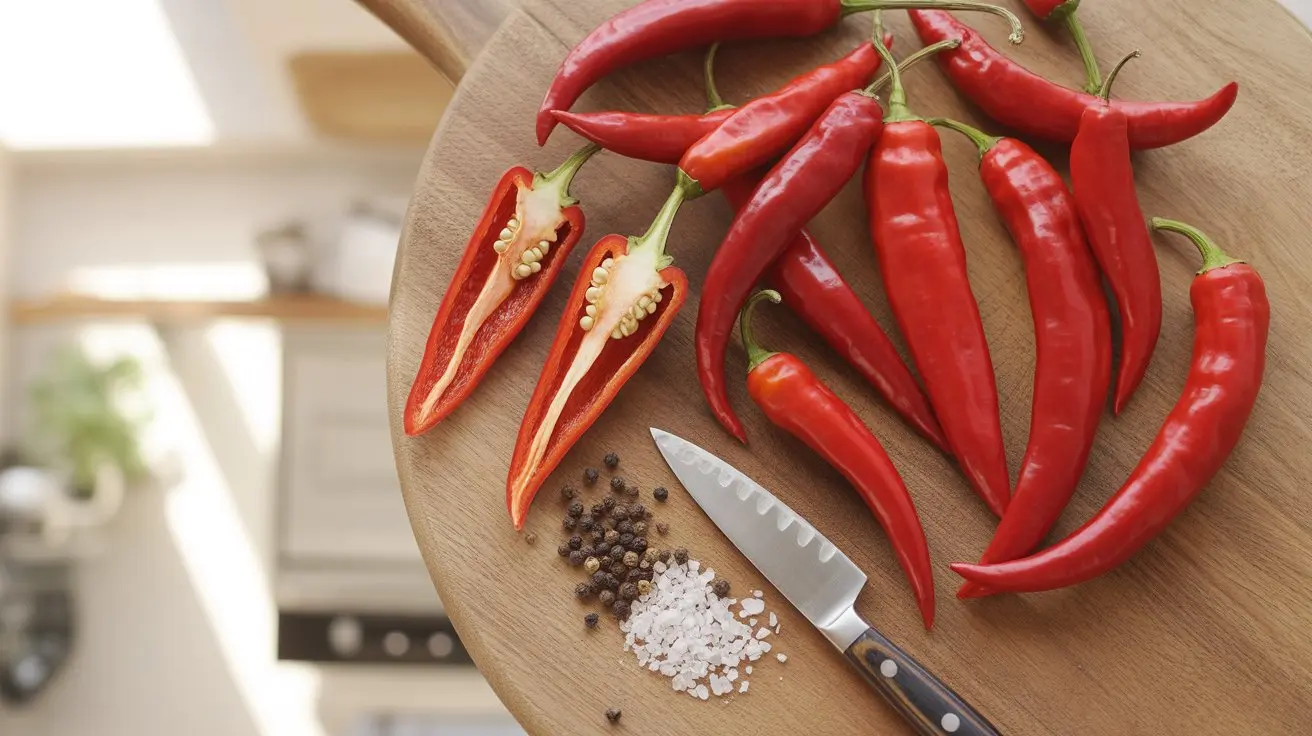
The Byadgi chili is a prized Indian variety from Karnataka's Byadgi region, registering 8,000–15,000 SHU — roughly 3x hotter than a jalapeño. Its extraordinary deep-red color and earthy, mild heat make it indispensable in South Indian cooking. More than a spice, it's a natural colorant that gives dishes their signature crimson hue without overwhelming burn.
- Species: C. annuum
- Heat tier: Hot (10K–100K SHU)
- Comparison: 3x hotter than a jalapeño
What is Byadgi Chili?
In Karnataka's spice markets, the Byadgi chili occupies a category of its own. Grown primarily around the town of Byadgi in Haveri district, this elongated C. annuum variety is prized not for its fire but for its color — a deep, almost lacquer-red that releases dramatically into oil during cooking.
At 8,000–15,000 SHU, Byadgi sits firmly in the hot pepper classification bracket, though it reads milder than that range suggests. The heat is slow, earthy, and background rather than front-loaded. Compare that to a pequin pepper, which can hit 5x this intensity, and you understand why Indian cooks reach for Byadgi when they want color-forward dishes with approachable warmth.
The pods themselves run 3–5 inches long, thin-walled and wrinkled when dried — a texture that makes them easy to grind into a fine, vivid powder. That powder is the backbone of many Indian pepper traditions, from Chettinad curries to coastal fish preparations.
Flavor-wise, expect earthiness first, a gentle sweetness behind it, and heat that builds slowly rather than hitting immediately. It's genuinely different from cayenne or paprika — not a substitute for either, but a distinct ingredient with its own logic.
History & Origin of Byadgi Chili
Byadgi takes its name from the town of Byadgi in Karnataka's Haveri district, where cultivation has been documented for over a century. The region's combination of red laterite soil and moderate rainfall produces conditions that intensify the pepper's color compounds — particularly capsanthin and capsorubin — to levels that make Byadgi powder among the most color-dense in the world.
The variety holds a GI (Geographical Indication) tag from the Government of India, protecting its regional identity much like Champagne or Darjeeling tea. This designation acknowledges both the pepper's cultural importance to Karnataka farmers and its economic significance — Byadgi is one of India's largest chili export varieties, shipped to food manufacturers globally as a natural colorant.
Local farming families have maintained seed lines across generations, and the broader tradition of peppers in Indian cooking has shaped how this variety was selected and improved over time.
How Hot is Byadgi Chili? Heat Level & Flavor
The Byadgi Chili delivers 8K–15K Scoville Heat Units, placing it in the Hot tier (10K–100K SHU). That makes it roughly 3x hotter than a jalapeño.
Flavor notes: earthy and mild.
Byadgi Chili Nutrition Facts & Health Benefits
Byadgi's nutritional story is largely about carotenoids — the pigment compounds responsible for its deep red color also function as antioxidants in the body. Dried Byadgi powder is particularly dense in capsanthin, the same compound found in paprika.
Per tablespoon of dried powder: approximately 20 calories, 0.9g protein, 3.7g carbohydrates, and 1g fat. Vitamin C content is significant in fresh pods but diminishes with drying. The moderate capsaicin content — corresponding to its 8,000–15,000 SHU range — may support metabolic function, per research published in the British Journal of Nutrition.
Best Ways to Cook with Byadgi Chili Peppers
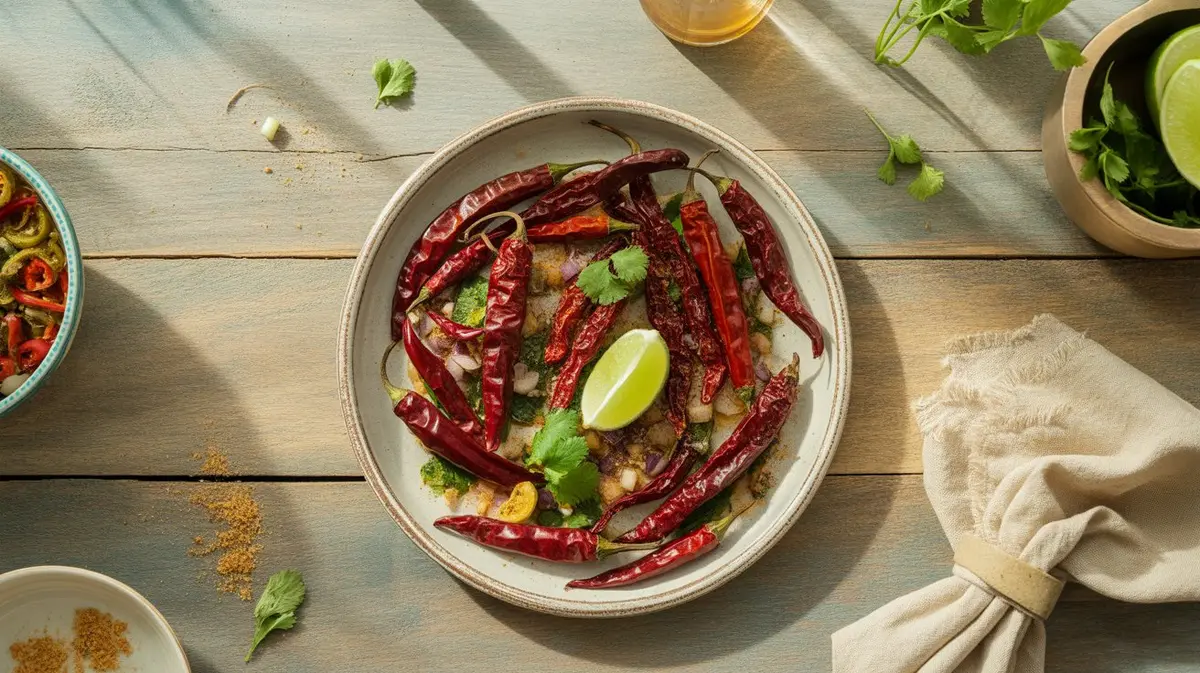
Byadgi's primary job in the kitchen is color. Drop dried pods or powder into hot oil — a technique called tadka or tempering — and the oil turns a vivid crimson within seconds. That colored oil then coats everything it touches, giving curries, rice dishes, and chutneys their characteristic deep red without the aggressive burn of cayenne.
For grinding, dry-roast whole pods briefly before blending. The thin walls break down easily, producing a powder that's finer and more than most commercial chili powders.
In South Indian cooking, Byadgi is non-negotiable in dishes like saaru (a thin tamarind-based soup), coastal prawn curries, and the red chutneys served alongside dosas. It pairs naturally with coconut, tamarind, and curry leaves — the flavor trio that defines Karnataka cuisine.
For those exploring the earthy warmth of aji amarillo in Peruvian cooking, Byadgi occupies a similar niche: a pepper defined more by its flavor contribution than raw heat. You can also use it as a paprika substitute in European recipes where you want more depth and a touch of warmth. A tablespoon of Byadgi powder replaces two of standard paprika while adding complexity.
Where to Buy Byadgi Chili & How to Store
Finding Byadgi chili outside India requires some searching. Indian grocery stores are the most reliable source — look for whole dried pods or powder labeled specifically as Byadgi or Byadagi. Generic 'Kashmiri chili powder' is sometimes substituted but differs in heat and color profile.
Online, specialty spice retailers and South Asian grocery importers carry authentic Byadgi powder. Whole pods store up to 12 months in an airtight container away from light and moisture. Ground powder degrades faster — use within 6 months for peak color intensity. Refrigeration extends shelf life but can introduce moisture; a cool, dark pantry works well for most climates.
Best Byadgi Chili Substitutes & Alternatives
Whether you ran out of byadgi chili or just want to try something different, these peppers make solid stand-ins. We picked them based on heat range, flavor overlap, and how well they actually work in the same dishes.
Our top pick: Hungarian Wax (5K–15K SHU). Same species (C. annuum) and nearly the same heat, so it swaps in at a 1:1 ratio without changing the character of the dish. The flavor leans tangy and bright, which is close enough that most people won’t notice the difference in a cooked recipe.
How to Grow Byadgi Chili Peppers
Byadgi thrives in warm, dry conditions — replicating Karnataka's climate is the goal. Start seeds indoors 8–10 weeks before last frost, maintaining soil temperature around 80–85°F for germination, which typically takes 10–14 days.
Transplant outdoors after all frost risk passes, spacing plants 18–24 inches apart in full sun. Well-draining soil with moderate fertility suits Byadgi well; overly rich soil pushes leaf growth at the expense of pod production. The plants grow to about 3 feet tall and benefit from staking once pods develop.
Water consistently but avoid waterlogged roots — the variety is somewhat drought-tolerant once established, similar to the growing patterns of thin-walled Criolla Sella types from South America. Days to maturity run approximately 75–90 days from transplant.
For maximum color intensity in the dried pods, allow peppers to fully ripen to deep red on the plant before harvesting. Dry in a warm, well-ventilated space for 2–3 weeks, or use a dehydrator at 125°F until pods are brittle. Store whole dried pods in an airtight container away from light.
Frequently Asked Questions
-
Both are low-heat Indian chilies prized for color, but Byadgi runs slightly hotter at 8,000–15,000 SHU versus Kashmiri's 1,000–2,000 SHU and has a more earthy, complex flavor. Kashmiri powder is often softer in color tone; Byadgi produces a deeper, more saturated crimson in oil.
-
Paprika works as a rough stand-in for color, but you'll need roughly twice the quantity to match Byadgi's pigment intensity, and the flavor profile differs — Byadgi is earthier and carries actual heat. For closer results, try combining sweet paprika with a small amount of cayenne.
-
At 8,000–15,000 SHU, Byadgi is about 3x hotter than a jalapeño and roughly half the intensity of a pequin pepper. It sits in the hot pepper classification bracket but feels milder in practice because its heat builds slowly and stays in the background.
-
Proper drying actually concentrates the color — the capsanthin content per gram increases as moisture leaves the pod. The key is drying slowly at low heat; temperatures above 140°F degrade the pigment compounds and produce a duller, brownish powder.
-
Commercial cultivation outside Karnataka is rare because the GI-tagged name applies only to peppers grown in that specific region of India. Home growers in the US and Europe can cultivate the variety from imported seeds, though the color intensity may vary without Karnataka's specific soil and climate conditions.
- Geographical Indication Registry - Byadgi Chilli
- Chile Pepper Institute - Capsicum annuum Species Overview
- USDA FoodData Central - Spices, Chili Powder
- British Journal of Nutrition - Capsaicin and Metabolic Effects
Species classification: C. annuum — based on published botanical taxonomy.
