Buena Mulata

Buena Mulata is an heirloom C. annuum from the United States, delivering 5,000–15,000 SHU of smoky, sweet heat in a slender elongated pod. Roughly half the punch of a serrano, it offers enough fire to satisfy heat lovers without overwhelming the palate. Its dramatic color-shifting pods and compact plant habit make it as rewarding to grow as it is to cook with.
- Species: C. annuum
- Heat tier: Hot (10K–100K SHU)
- Comparison: 3x hotter than a jalapeño
What is Buena Mulata?
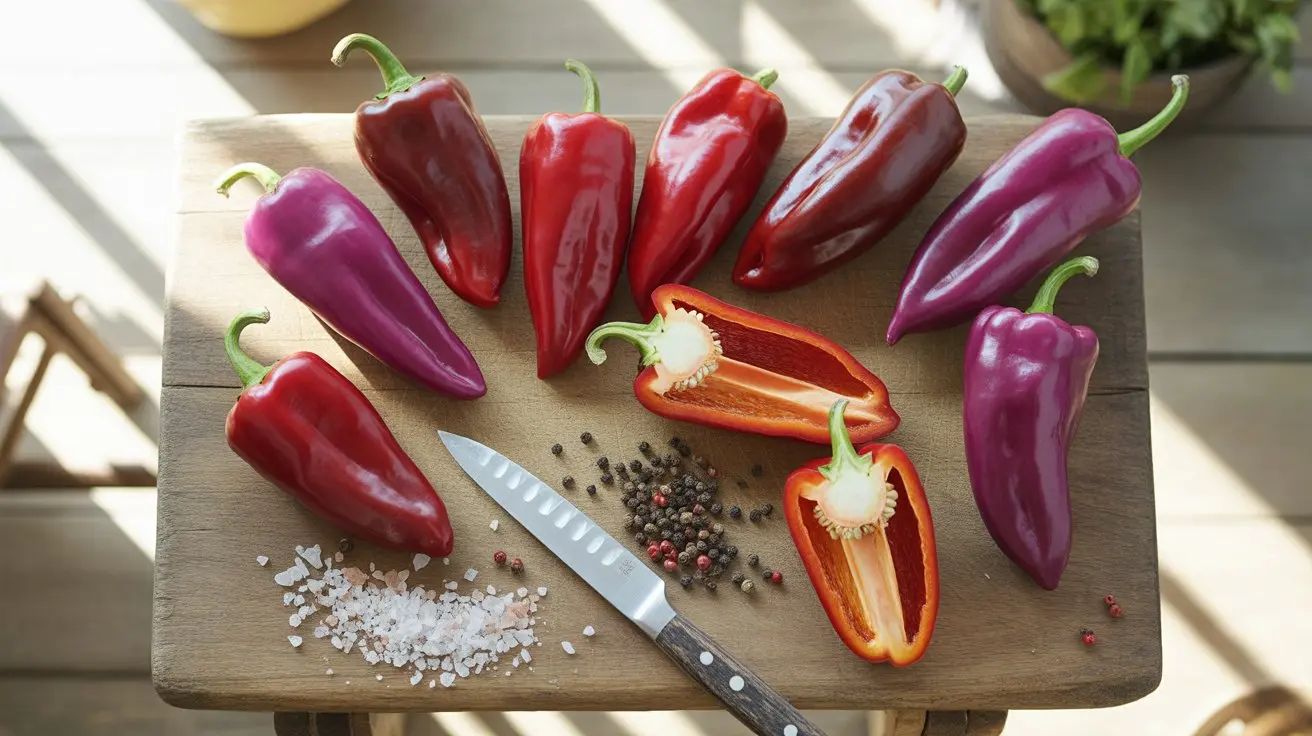
The Buena Mulata earns its place in any serious pepper garden through sheer visual drama. Pods emerge pale yellow-green, then cycle through lavender, purple, and deep red as they ripen — a color progression that turns a single plant into a living display.
Heat lands in a warm, building burn rather than an immediate assault. At 5,000–15,000 SHU, it sits comfortably in the medium heat zone — noticeably hotter than a poblano but well below serrano territory. The flavor underneath that heat is genuinely interesting: smoky base notes with a sweet finish that lingers after the warmth fades.
This is a C. annuum species pepper, which means it shares botanical roots with jalapeños, bell peppers, and the earthy, dried character of ancho. That heritage shows in the plant's adaptability — it tolerates a wider range of growing conditions than many specialty peppers and produces prolifically once established.
For gardeners drawn to American pepper breeding traditions, Buena Mulata represents the heirloom side of domestic pepper culture: open-pollinated, seed-savable, and historically significant. Its name reflects a rich cultural history, and the variety has been preserved largely through seed-saving communities rather than commercial production.
History & Origin of Buena Mulata
Buena Mulata traces its American roots to the Pennsylvania Dutch community, where it was cultivated and preserved as an heirloom variety for generations. Seed historian William Woys Weaver is credited with bringing it back to wider attention, having documented its presence in 19th-century kitchen gardens.
The pepper's name — Spanish for 'good mulata' — reflects the cultural blending common in American heirloom varieties, where European cultivation traditions intersected with broader influences. It remained largely outside commercial seed catalogs until the heirloom revival of the late 20th century brought renewed interest in open-pollinated varieties.
Today it's preserved through seed libraries and small specialty suppliers, celebrated for both its ornamental appeal and its connection to American pepper growing traditions. Its survival is owed almost entirely to dedicated seed savers.
How Hot is Buena Mulata? Heat Level & Flavor
The Buena Mulata delivers 5K–15K Scoville Heat Units, placing it in the Hot tier (10K–100K SHU). That makes it roughly 3x hotter than a jalapeño.
Flavor notes: smoky and sweet.
Buena Mulata Nutrition Facts & Health Benefits
Like most C. annuum peppers, Buena Mulata delivers meaningful nutrition alongside its heat. A 100g serving of fresh red pods provides roughly 40 calories, with significant vitamin C (exceeding 100% of daily value at full ripeness), vitamin A from carotenoids, and vitamin B6.
The compound responsible for heat — capsaicin — has been studied for anti-inflammatory and metabolic effects. Dietary fiber content supports digestive health. Red pods contain more antioxidants than green ones due to increased lycopene and beta-carotene as ripening progresses. Sodium content is negligible in fresh form.
Best Ways to Cook with Buena Mulata Peppers
The smoky-sweet flavor profile of Buena Mulata opens up a range of kitchen applications that straightforward hot peppers can't match. Fresh pods at the purple stage bring a slightly earthier note; fully red pods deliver the sweetest, most developed flavor.
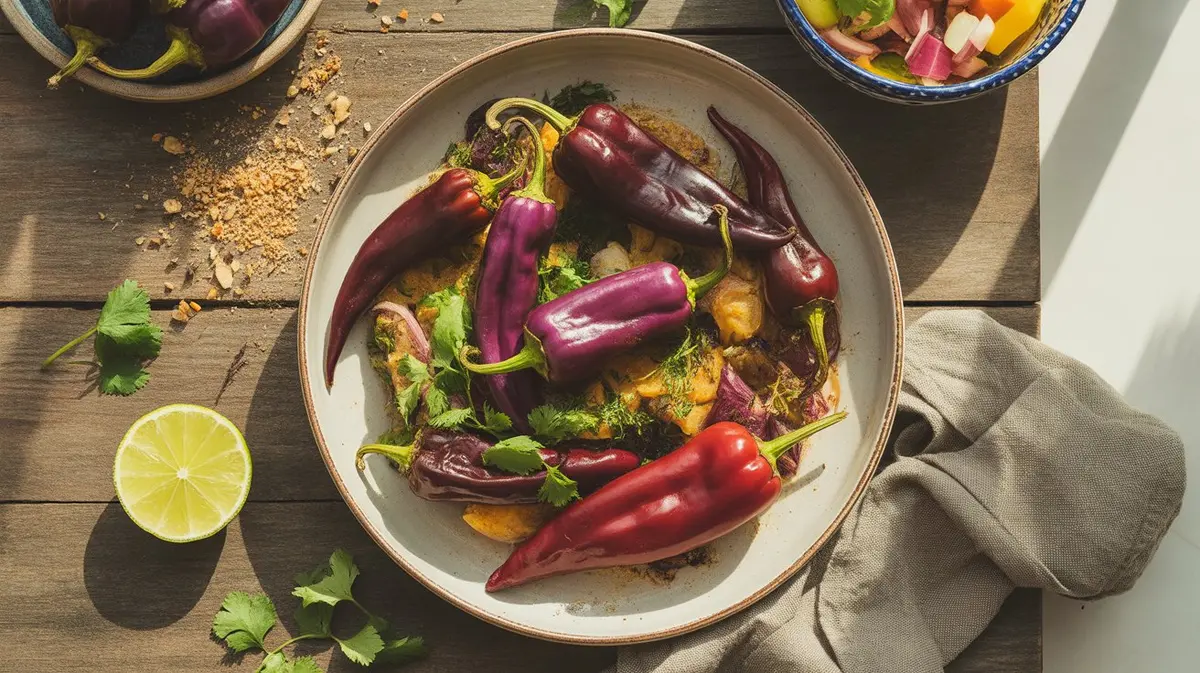
Roasting intensifies the smokiness considerably. Charring the skin under a broiler or over an open flame, then peeling, produces a pepper that works beautifully in sauces, dips, and grain dishes. The flavor holds up to the slow-dried depth you'd expect from ancho when the pods are dehydrated, making Buena Mulata a solid candidate for homemade chile powder.
For heat comparison, it runs at roughly half the intensity of a serrano — meaningful warmth without the kind of burn that requires guidance on managing pepper heat on skin after prep. Pickled green pods make an excellent condiment. Stuffed and baked at the red stage, they hold their shape well.
Compared to the tangy, wax-style culinary uses of Hungarian varieties, Buena Mulata skews smokier and works better in cooked applications than raw. It pairs well with pork, dark beans, and aged cheeses.
Where to Buy Buena Mulata & How to Store
Fresh Buena Mulata pods rarely appear in grocery stores — your best sources are farmers markets, specialty growers, or your own garden. Seeds are available through heirloom seed suppliers and some seed library networks.
Fresh pods keep 1–2 weeks refrigerated in a paper bag or loosely wrapped. For longer storage, roast and freeze in portions, or dry completely and store in an airtight jar away from light. Dried pods retain flavor for 12–18 months. Avoid storing fresh pods in sealed plastic bags, which accelerates moisture buildup and decay.
Best Buena Mulata Substitutes & Alternatives
Whether you ran out of buena mulata or just want to try something different, these peppers make solid stand-ins. We picked them based on heat range, flavor overlap, and how well they actually work in the same dishes.
Our top pick: Byadgi Chili (8K–15K SHU). Same species (C. annuum) and nearly the same heat, so it swaps in at a 1:1 ratio without changing the character of the dish. The flavor leans earthy and mild, which is close enough that most people won’t notice the difference in a cooked recipe.
How to Grow Buena Mulata Peppers
Start seeds 8–10 weeks before last frost indoors. Soil temperature should reach 80–85°F for reliable germination — a heat mat under the tray makes a significant difference. Germination typically takes 10–14 days.
Transplant outdoors only after nighttime temperatures stay consistently above 55°F. Buena Mulata is productive in containers (minimum 5-gallon pots) or raised beds, and the compact plant habit makes it easier to manage than sprawling varieties like the large-fruited, mild New Mexico-style chiles.
Full sun is non-negotiable — 6–8 hours daily. Water deeply but infrequently; letting the top inch of soil dry between waterings prevents root rot and encourages deeper root development. A balanced fertilizer at transplant, followed by a low-nitrogen, higher-phosphorus feed once flowering begins, supports fruit set over excessive foliage.
The color progression from green through purple to red means you can harvest at multiple stages depending on your culinary intent. For seed saving, wait for full red ripeness. Plants benefit from light staking as fruit load increases.
Compared to the cultivation habits of Hungarian hot wax types, Buena Mulata is similarly vigorous but benefits from slightly warmer overnight temperatures to express its best flavor development.
Frequently Asked Questions
-
At 5,000–15,000 SHU, Buena Mulata is roughly half the heat of a serrano and about three times hotter than a typical jalapeño. The burn builds gradually and carries smoky-sweet flavor alongside the heat.
-
The pods shift from pale green through lavender and purple to deep red as carotenoid pigments develop during ripening — a process common in certain C. annuum varieties with anthocyanin expression. The purple stage is particularly striking and is caused by anthocyanin accumulation in the skin.
-
Yes — a 5-gallon container is the practical minimum, though larger pots improve yield. The compact plant habit makes it one of the more container-friendly heirloom varieties, provided it gets full sun and consistent watering.
-
It depends on your use: purple-stage pods have an earthier flavor good for fresh eating, while fully red pods are sweetest and most complex for cooking or drying. For seed saving, always harvest at full red ripeness.
-
Yes — it is open-pollinated and has been documented in American kitchen gardens since at least the 19th century, with seed historian William Woys Weaver credited for preserving and publicizing it. You can save seeds from ripe pods and replant them true-to-type each season.
- Weaver, William Woys. Heirloom Vegetable Gardening. Henry Holt, 1997.
- Chile Pepper Institute — New Mexico State University
- USDA ARS Germplasm Resources Information Network (GRIN) — Capsicum annuum
Species classification: C. annuum — based on published botanical taxonomy.