
Biquinho Pepper

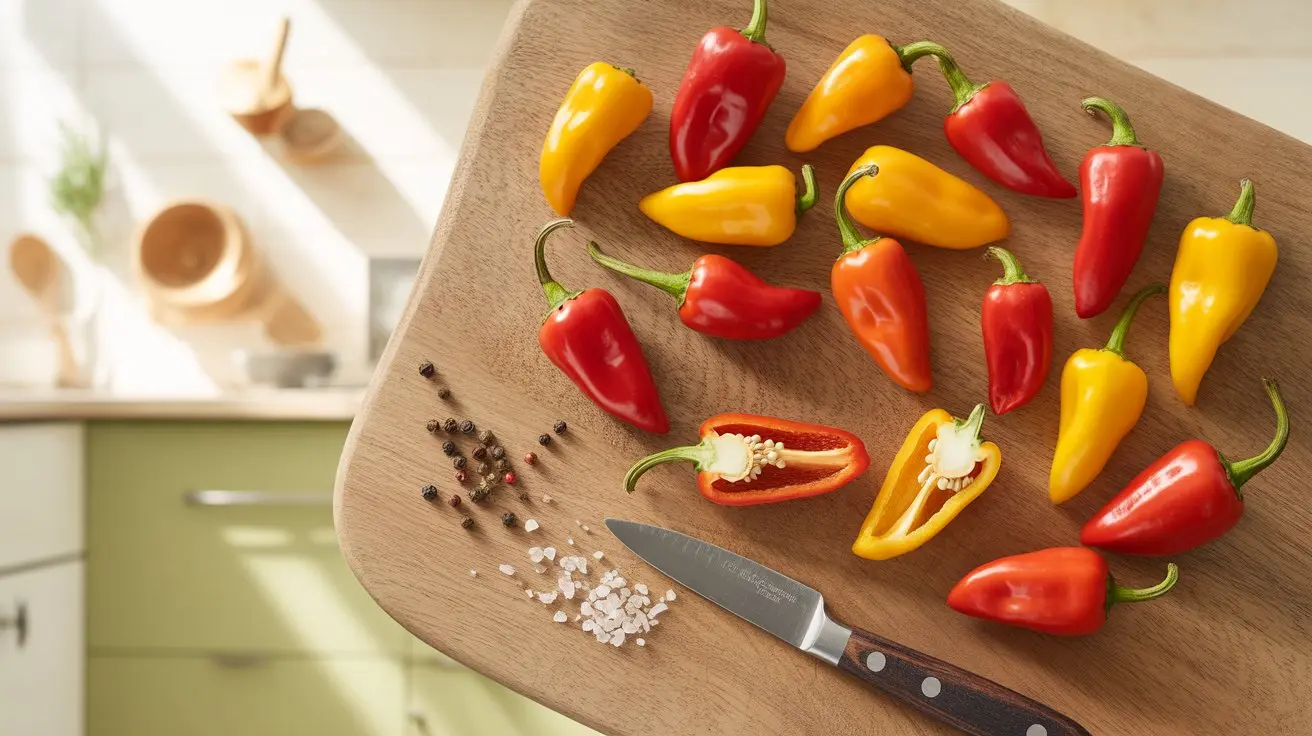
The biquinho pepper is a tiny Brazilian teardrop-shaped gem sitting at 500-1,000 SHU - barely a whisper of heat. What makes it worth knowing is the flavor: bright, sweet, and unmistakably fruity, like a cherry tomato that decided to be a pepper. It belongs to Capsicum chinense but skipped the heat entirely in favor of something more interesting.
- Species: Capsicum chinense
- Heat tier: Medium (1K–10K SHU)
What is Biquinho Pepper?
First time I bit into a biquinho, I genuinely thought someone had handed me a candy. That burst of sweet, tropical fruitiness with almost no burn was disorienting in the best possible way.
At 500-1,000 SHU, the biquinho sits near the floor of the medium heat pepper category - though calling it "hot" feels generous. A guajillo's smoky, cranberry-edged heat runs 2,500-5,000 SHU, making it roughly 3-5 times hotter. The biquinho isn't competing in that arena.
The pepper's name translates loosely to "little beak" in Portuguese, a nod to its distinctive pointed tip. Each fruit measures about 1 inch long, shaped like a plump teardrop tapering to that signature point. They ripen from green through yellow to a deep red, with yellow varieties also widely available.
Capsicum chinense is the same species as habaneros and Scotch bonnets, which makes the biquinho's gentleness almost paradoxical. The species is known for producing some of the world's most intense heat, yet the biquinho redirected all that genetic potential toward flavor complexity instead.
The flesh is thin-walled and juicy, which makes it ideal for quick pickling. Brazilian home cooks have been preserving them in vinegar brine for generations, and that application remains the most common way to encounter them outside South America.
History & Origin of Biquinho Pepper
The biquinho originates from Minas Gerais, a landlocked state in southeastern Brazil known for its distinctive cuisine and agricultural traditions. Brazilian pepper cultivation has deep indigenous roots, with Capsicum species domesticated across South America thousands of years before European contact.
While the biquinho lacks the documented origin story of peppers bred at research institutions, its presence in Brazilian markets and home gardens suggests long regional cultivation. The pepper gained international attention gradually as Brazilian cuisine attracted broader interest in the early 2000s.
Seed companies began offering biquinho outside Brazil around 2010-2015, introducing it to North American and European growers. Its combination of minimal heat and pronounced sweetness positioned it as something genuinely different from the heat-focused peppers dominating specialty markets at the time. Today it appears in gourmet grocers and restaurant menus worldwide, though it remains far more common in Brazil than anywhere else.
How Hot is Biquinho Pepper? Heat Level & Flavor
The Biquinho Pepper delivers 500–1K Scoville Heat Units, placing it in the Medium tier (1K–10K SHU).
Flavor notes: sweet and fruity.
Biquinho Pepper Nutrition Facts & Health Benefits
Like most sweet peppers, biquinhos deliver vitamin C in useful amounts - a small handful provides a meaningful portion of daily requirements. They also contain vitamin A (from beta-carotene), potassium, and small amounts of B vitamins.
The capsaicin content at 500-1,000 SHU is low enough that the anti-inflammatory benefits associated with higher-capsaicin peppers are minimal here. The biochemistry behind why capsaicin triggers heat responses explains why this matters for those seeking therapeutic effects.
Calorie count is negligible - roughly 20-30 calories per 100g of fresh pepper. Pickled versions add sodium from the brine.
Best Ways to Cook with Biquinho Peppers
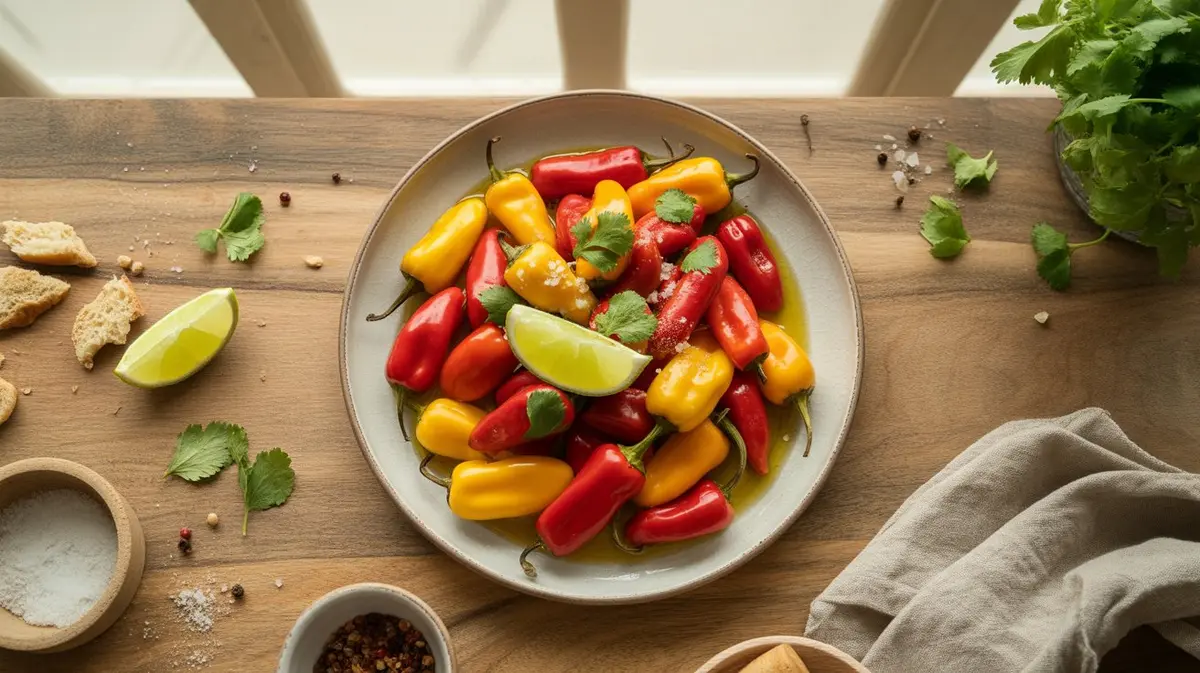
Pickling is where the biquinho truly shines. A simple brine of white wine vinegar, salt, garlic, and a bay leaf transforms these little peppers into something addictive - the acidity sharpens their fruitiness while the thin walls absorb flavor quickly. Most brines need only 24-48 hours before they're ready.
In Brazil, pickled biquinhos appear on charcuterie boards, alongside grilled meats, and as a pizza topping - that last application is surprisingly popular. The sweetness plays against salty cured meats the same way a mild, sweet paprika pepper's gentle character does in Spanish cooking.
Fresh biquinhos work well in quick sautés. Toss them whole into a hot pan with olive oil and they soften in about 3 minutes, releasing their juice into whatever they're cooking alongside. Chicken, fish, and eggs all benefit from this treatment.
For stuffing, the small size limits your options - soft fresh cheese or cream cheese mixed with herbs fills them nicely. They also blend smoothly into sauces and hot sauces where you want fruity depth without heat.
If you're substituting, the roasted sweetness of a Spanish-style piquillo pepper's mild profile offers a similar low-heat fruitiness, though the texture and shape differ considerably.
Where to Buy Biquinho Pepper & How to Store
Fresh biquinhos outside Brazil can be hard to find - specialty grocers and Latin American markets are your best bet. More commonly you'll encounter them jarred in brine, which is actually an excellent product: the pickling enhances their flavor rather than masking it.
For fresh peppers, look for firm, glossy skin without soft spots. Red fruits should be deeply colored, not streaked with green.
Refrigerate fresh biquinhos and use within a week. Jarred versions keep for months unopened; once opened, refrigerate and use within 3-4 weeks. Freezing fresh biquinhos works - spread them on a sheet pan first, then bag once frozen solid.
Best Biquinho Pepper Substitutes & Alternatives
Whether you ran out of biquinho pepper or just want to try something different, these peppers make solid stand-ins. We picked them based on heat range, flavor overlap, and how well they actually work in the same dishes.
Our top pick: Cubanelle Pepper (100–1K SHU). The heat level is close enough for a direct swap in salsas, sauces, and stir-fries. Flavor leans sweet and mild, so the taste will shift a bit — but the overall heat stays in the same range.
How to Grow Biquinho Peppers
Biquinho plants behave like most Capsicum chinense varieties: they want warmth, they resent cold soil, and they reward patience. Start seeds indoors 8-10 weeks before your last frost date. Germination runs 14-21 days at soil temperatures around 80-85°F.
Transplant outdoors only after nighttime temperatures stay consistently above 55°F. Cold snaps after transplanting stunt growth significantly - this isn't a pepper that shakes off a cold night.
The plants grow compact, typically reaching 24-36 inches, which makes them manageable in containers. A 5-gallon pot works well for a single plant. Full sun is non-negotiable; six hours minimum, eight preferred.
For container growers and those starting from scratch, the step-by-step walkthrough for growing peppers from transplant to harvest covers spacing and watering fundamentals that apply directly here.
Biquinho plants are prolific once they hit their stride. Expect heavy fruit loads through summer and into fall. The detailed guide on preventing pepper blossom end rot is worth reading before your first watering schedule - calcium deficiency from inconsistent moisture is the main threat to fruit quality.
Harvest at any color stage. Red fruits are sweetest; yellow varieties have a slightly different flavor profile but comparable heat.
Frequently Asked Questions
-
At 500-1,000 SHU, the biquinho is essentially zero times hotter than a jalapeño, which starts at 2,500 SHU. Most people with any pepper tolerance won't detect meaningful heat at all.
-
Sweet and fruity, with a flavor that reads closer to a cherry tomato or tropical fruit than a traditional pepper. The thin walls and juicy flesh contribute to that impression - there's very little of the vegetal bitterness you get from thicker-walled varieties.
-
Yes - a 5-gallon container handles a single plant well, and the compact 24-36 inch growth habit makes them practical for patios and balconies. They need full sun and consistent moisture, same as any Capsicum chinense grown in a pot.
-
Jarred pickled biquinhos appear in specialty grocery stores, Latin American markets, and online retailers - that's the most accessible form outside Brazil. Fresh biquinhos require either growing your own or finding a well-stocked specialty grocer.
-
For pickling applications, sweet Italian-rooted peppers with thin walls and mild heat work reasonably well, though the flavor profile differs. The round, sweet sensory character of alma paprika is another option when you need something similarly low-heat and fruity in cooked dishes.
- Capsicum Species Overview - Chile Pepper Institute, NMSU
- Capsicum chinense - USDA GRIN Taxonomy
- Brazilian Pepper Diversity and Cultivation
- Scoville Heat Unit Methodology
Species classification: Capsicum chinense — based on published botanical taxonomy.