
Beaver Dam Pepper

The Beaver Dam pepper is a sweet, moderately hot heirloom from Wisconsin with a 5,000–15,000 SHU range — roughly three times hotter than tabasco in peak form. Its elongated shape and complex sweetness set it apart from generic hot peppers. Brought to the U.S. by Hungarian immigrants, it thrives in home gardens and delivers real depth in the kitchen.
- Species: C. annuum
- Heat tier: Hot (10K–100K SHU)
- Comparison: 3x hotter than a jalapeño
What is Beaver Dam Pepper?
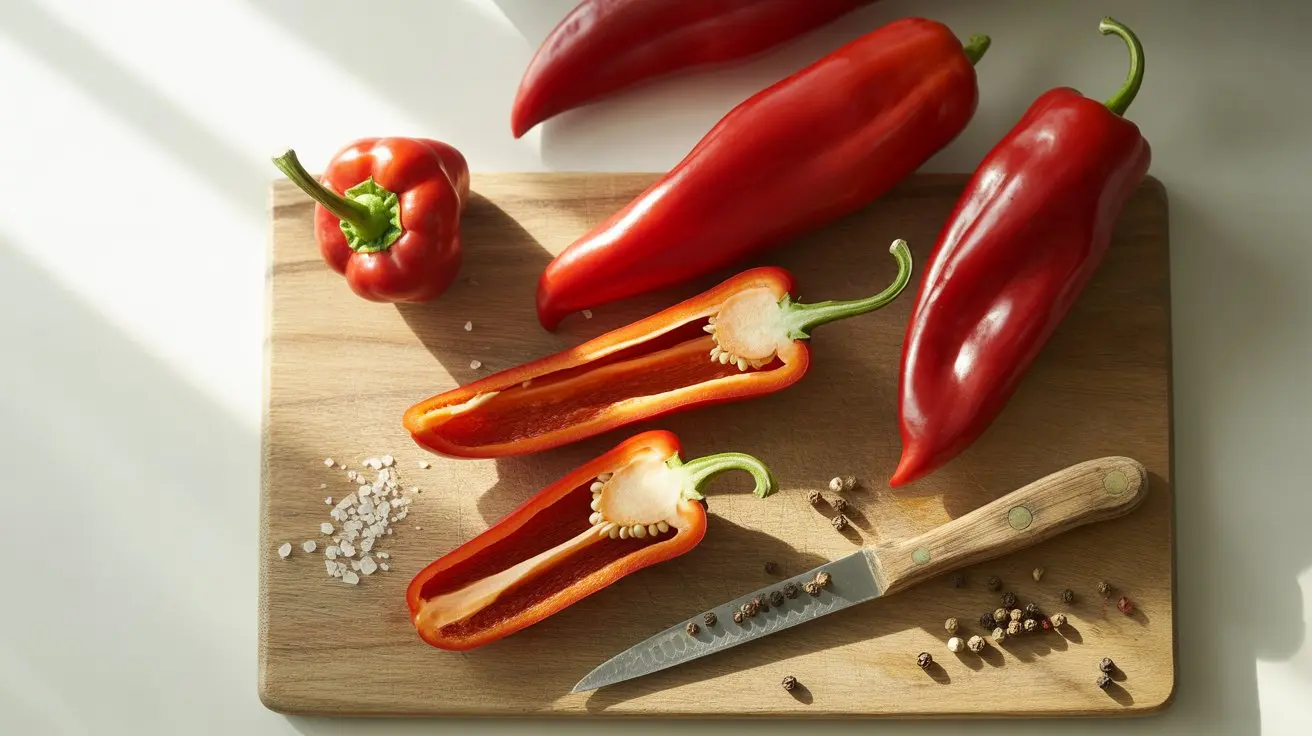
Crack open a fresh Beaver Dam and the first thing that hits you is the aroma — fruity, almost floral, with a faint sweetness that doesn't hint at the heat underneath. Taste follows: a clean, sweet pepper flavor that builds slowly into a steady, manageable burn sitting in the 5,000–15,000 SHU range.
That sweetness is what makes this pepper unusual. Most peppers at this heat level lean vegetal or grassy. The Beaver Dam stays sweet throughout, which is why it works so well both raw and cooked.
The shape is distinctly elongated — tapered and slightly curved, typically 4–6 inches long — and the skin is thin enough that it doesn't need peeling when roasting. Colors shift from pale yellow-green to a deep red at full maturity, with each stage offering slightly different flavor intensity.
This is a C. annuum species pepper, the same botanical family as bell peppers and jalapeños, but its character sits in its own lane. The American pepper tradition has produced a lot of utility peppers; the Beaver Dam is one of the few with genuine culinary personality.
For anyone who finds standard hot peppers one-dimensional, this heirloom is worth growing or tracking down.
History & Origin of Beaver Dam Pepper
The Beaver Dam pepper traces directly to Joe Hussli, a Hungarian immigrant who brought seeds to Beaver Dam, Wisconsin around 1912. His family grew the variety for decades before it spread through local gardens and eventually caught the attention of seed preservationists.
For most of the 20th century, it stayed hyperlocal — the kind of pepper you'd find at a Wisconsin farmers market but nowhere else. The slow-food and heirloom seed revival of the 1990s and 2000s brought it wider attention, and organizations like Seed Savers Exchange helped stabilize and distribute the variety.
Its Hungarian roots connect it to a long tradition of sweet-hot pepper cultivation in Central Europe, similar in spirit to peppers bred for both color and moderate kitchen heat, though the Beaver Dam developed its own distinct character through generations of Wisconsin growing conditions.
How Hot is Beaver Dam Pepper? Heat Level & Flavor
The Beaver Dam Pepper delivers 5K–15K Scoville Heat Units, placing it in the Hot tier (10K–100K SHU). That makes it roughly 3x hotter than a jalapeño.
Flavor notes: sweet and complex.
Beaver Dam Pepper Nutrition Facts & Health Benefits
Like most C. annuum peppers, Beaver Dam peppers deliver solid nutritional value without a lot of calories. A 100g serving provides roughly 30–40 calories, with meaningful amounts of vitamin C (often exceeding 100% of the daily recommended value in ripe red peppers) and vitamin A from carotenoids.
The capsaicin responsible for the heat — explained well in the science of why peppers burn — also has documented anti-inflammatory properties. Fiber content is moderate at around 1.5–2g per 100g. Red-ripe Beaver Dams contain more antioxidants than green-harvested fruit, so letting them fully mature before picking pays off nutritionally.
Best Ways to Cook with Beaver Dam Peppers
The aroma when you cut into a Beaver Dam — sweet, slightly fruity, clean — is the best preview of how it behaves in cooking. It doesn't turn bitter with heat, which makes it reliable across a wide range of applications.
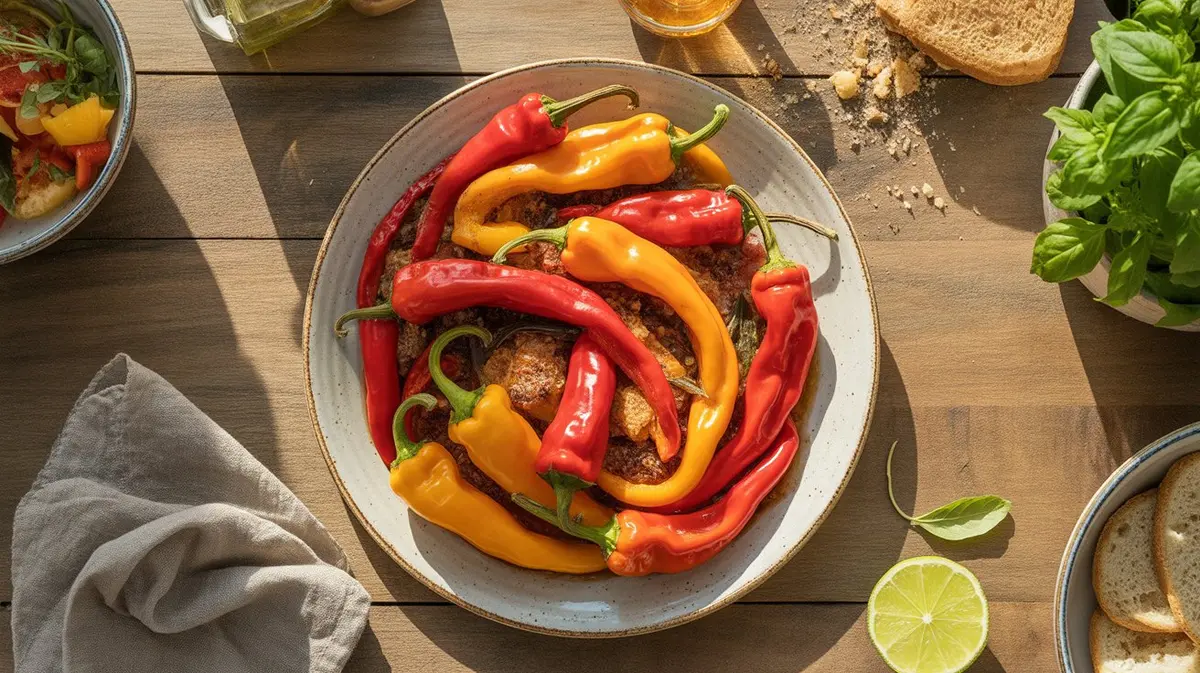
Stuffing is the classic use. The hollow, elongated cavity fits a rice-and-meat filling perfectly, and the thin skin softens without falling apart during baking. Roast one whole and the sweetness concentrates significantly.
Pickled Beaver Dams are a Wisconsin tradition worth adopting. The pepper's natural sweetness balances vinegar brine without needing added sugar, and the heat mellows to a pleasant background warmth after a few days in the jar.
Raw, sliced thin, it works in sandwiches or grain bowls where you want heat without overwhelming the other ingredients. Compared to the smoky depth of slow-dried paprika, the Beaver Dam is brighter and fresher — a different tool for a different purpose.
For reference on where 5,000–15,000 SHU lands on the broader scale, the pepper heat chart puts it comfortably above bell peppers but well below anything that requires dairy to manage.
Where to Buy Beaver Dam Pepper & How to Store
Fresh Beaver Dam peppers rarely appear in grocery stores — your best sources are farmers markets in the upper Midwest, specialty produce shops, or your own garden. Seeds are available through Seed Savers Exchange and Baker Creek Heirloom Seeds.
Look for firm, unblemished skin with no soft spots. At room temperature they'll keep 3–5 days; refrigerated in a loose bag, expect 1–2 weeks. They freeze well after roasting — skin and seeds removed, packed flat. Pickled Beaver Dams keep for months in the refrigerator and are arguably better than fresh for most sandwich applications.
Best Beaver Dam Pepper Substitutes & Alternatives
Whether you ran out of beaver dam pepper or just want to try something different, these peppers make solid stand-ins. We picked them based on heat range, flavor overlap, and how well they actually work in the same dishes.
Our top pick: Byadgi Chili (8K–15K SHU). Same species (C. annuum) and nearly the same heat, so it swaps in at a 1:1 ratio without changing the character of the dish. The flavor leans earthy and mild, which is close enough that most people won’t notice the difference in a cooked recipe.
How to Grow Beaver Dam Peppers
Beaver Dam peppers grow with the reliability you'd expect from a well-adapted heirloom. Start seeds indoors 8–10 weeks before your last frost date — germination typically takes 10–14 days at soil temperatures around 80°F.
They prefer full sun and well-drained soil with consistent moisture. Once transplanted, plants reach 24–30 inches tall and produce heavily. The yield per plant is generous; a few plants will outpace most households' fresh consumption, which is exactly why pickling became a Beaver Dam tradition.
This variety handles Midwest growing conditions well — it was shaped by Wisconsin summers, after all. Days to maturity run approximately 75–80 days from transplant to red-ripe fruit, though you can harvest at the yellow-green stage for a milder, crisper result.
Compared to peppers with similar cultivation requirements and heat range that also thrive in northern gardens, the Beaver Dam tends to set fruit earlier and hold up better in cooler late-season conditions. For anyone starting from scratch, the full germination and transplant guide covers the soil prep and spacing details worth knowing.
Frequently Asked Questions
-
The Beaver Dam ranges from 5,000–15,000 SHU, which puts its upper end roughly three times hotter than a typical tabasco pepper (2,500–5,000 SHU). At its lower end it is closer to a mild jalapeño, so heat varies noticeably depending on growing conditions and maturity.
-
Yes — its elongated, hollow shape and thin skin make it one of the better stuffing peppers in this heat range. It softens evenly in the oven without becoming mushy, and the natural sweetness complements savory fillings without competing with them.
-
Seed Savers Exchange and Baker Creek Heirloom Seeds both carry Beaver Dam seeds reliably. Because it is an open-pollinated heirloom, seeds saved from your own harvest will produce true-to-type plants the following season.
-
It starts pale yellow-green, transitions through orange-yellow, and reaches a deep red at full maturity. Each stage is usable — green fruit is crisper and milder, while red-ripe fruit is sweeter and slightly hotter.
-
Absolutely — the variety was developed and selected over generations in Wisconsin, so it is well-suited to shorter growing seasons. Starting seeds indoors 8–10 weeks before last frost and choosing a warm, sheltered garden spot gives the best results in northern zones.
- Seed Savers Exchange — Beaver Dam Pepper
- Baker Creek Heirloom Seeds — Beaver Dam
- Chile Pepper Institute, NMSU — Capsicum annuum Species Overview
- USDA FoodData Central — Sweet Peppers, Raw
Species classification: C. annuum — based on published botanical taxonomy.
