First
Sweetness, oil, and cooked shallot make the paste feel round and rich.


Nam prik pao is a Thai roasted chile paste built from dried chiles, browned aromatics, tamarind, sugar, oil, and often shrimp or fish seasonings. It works as a concentrated sweet, sour, savory, and spicy base for soups, stir-fries, rice, noodles, seafood, and table service.
Nam prik pao is a Thai roasted chile paste that places browned chile and aromatics inside a sweet, sour, salty, and often seafood-rich base. One spoon can bring oil, tamarind, sugar, dried chile, garlic, shallot, and fermented seasoning to a dish at the same time.
That concentration explains both its usefulness and its main trap. A cook who treats it like plain hot sauce can accidentally add too much sweetness or salt before the chile heat becomes obvious.
Nam prik pao belongs to the broad Thai family of chile relishes and pastes called nam prik. Thailand's Ministry of Foreign Affairs describes that family as diverse, with ingredients and eating customs that change across regions and households.
The final word is also written phao, so English labels may show nam phrik phao, nam prik pao, or another close transliteration. Here it points to the roasting or dry heating that gives this paste a darker base than a fresh crushed-chile relish.
The finished condiment is usually thick enough to hold on a spoon. Oil surrounds the ground solids, sugar and cooked shallot give the paste body, and tamarind keeps the sweetness from becoming flat.
“Thai chili paste” does not identify one product. The same English shelf phrase may appear on roasted chile paste, curry paste, chile-garlic sauce, or another nam prik, so look for the Thai name and verify the ingredient list.
Nam prik pao can season a broth, become the sauce in a stir-fry, or sit at the table in a much smaller amount. It behaves more like a concentrated seasoning base than a thin condiment that is poured freely.
A published Chulalongkorn University production study describes a formula in which dried chiles, garlic, shallots, dried shrimp, and shrimp paste are heated before tamarind, palm sugar, fish sauce, salt, water, and vegetable oil complete the paste. The exact list changes, but the same functional groups appear in many traditional and commercial versions.
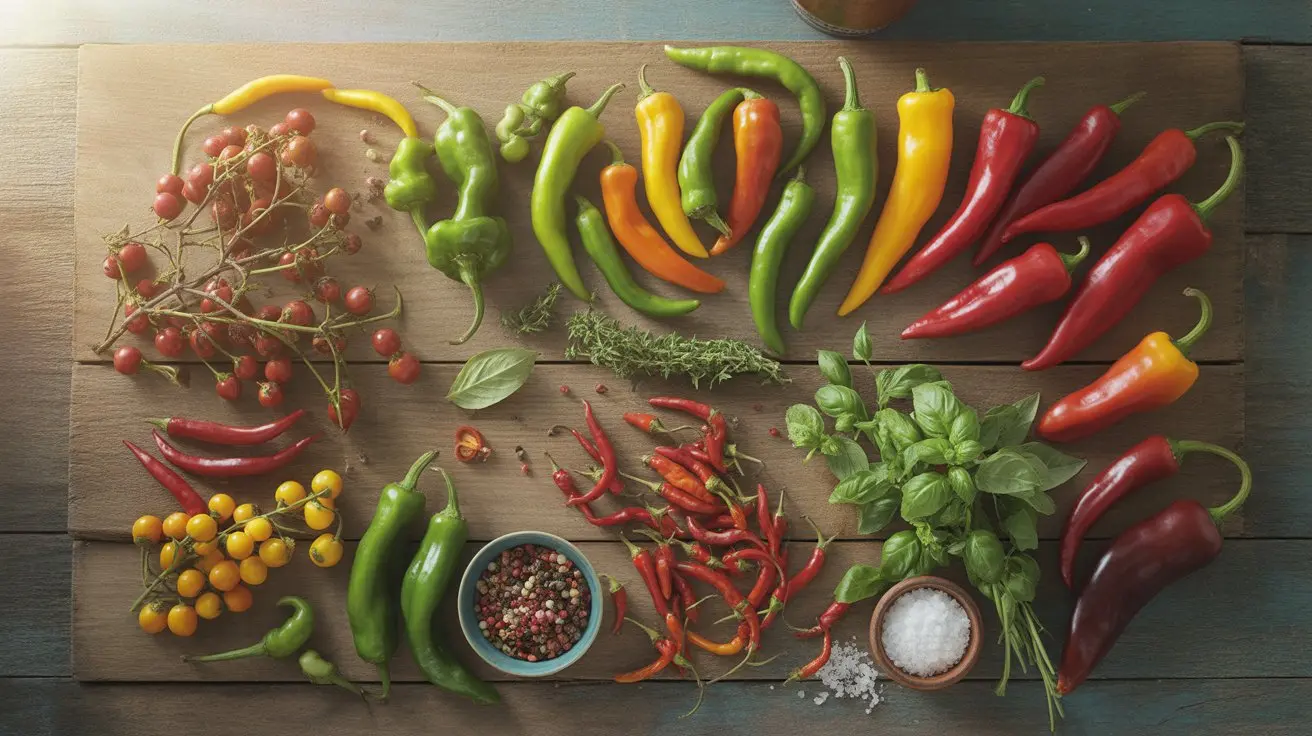
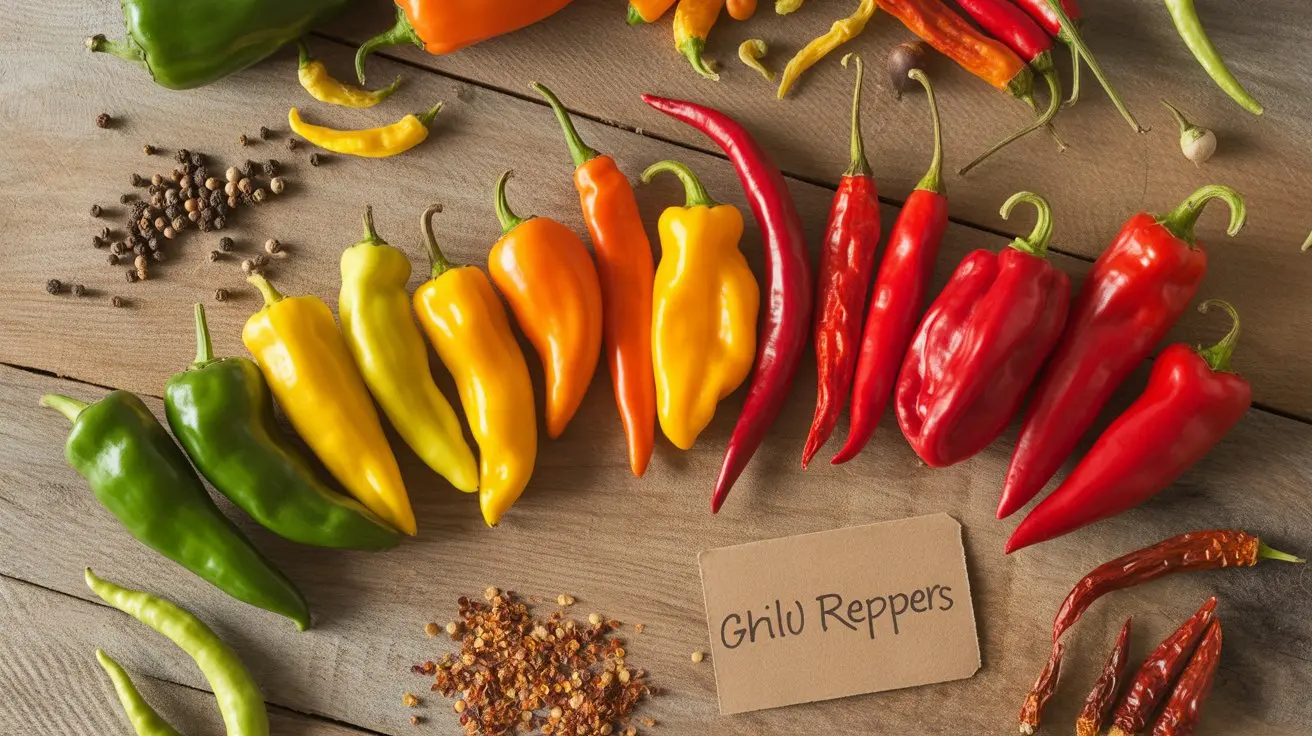
Dried chile supplies more than heat. Its skin and flesh also bring red color, fruit character, and toasted bitterness once the pods are roasted.
Garlic and shallot form the aromatic base. Heat softens their raw bite and develops the browned sweetness that separates nam prik pao from a condiment made by grinding fresh chiles with salt.
| Ingredient group | Common examples | Job in the paste | What changes when it dominates |
|---|---|---|---|
| Dried chile | One or more dried Thai chiles | Heat, color, fruit, and roasted bitterness | The paste tastes sharper, darker, or hotter |
| Aromatics | Shallot and garlic | Sweetness, aroma, and body | The paste becomes rounder and more allium-forward |
| Acid | Tamarind pulp or concentrate | Fruit acidity and balance | The finish becomes brighter and less sugary |
| Sweetener | Palm sugar or another sugar | Balance, gloss, and jam-like body | The first taste becomes sweeter and the paste browns faster in a pan |
| Savory seasoning | Shrimp paste, dried shrimp, fish sauce, or a plant-based alternative | Salt and fermented depth | The finish becomes more seafood-rich or salty |
| Oil | Neutral vegetable oil | Frying medium, texture, and flavor distribution | The paste loosens easily and leaves a more visible oil sheen |
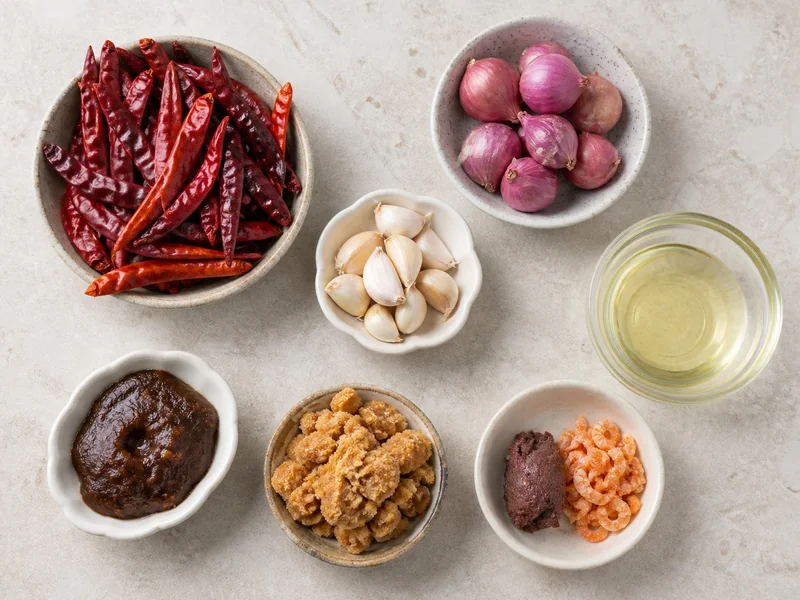
Tamarind and sugar pull in opposite directions, but neither works alone. The acid gives the paste lift, while sweetness rounds the chile and browned alliums without removing their heat.
Shrimp paste, dried shrimp, or fish sauce adds a long savory finish. A vegan formula has to rebuild that depth with different ingredients, which is why the word vegan on the current package matters more than assumptions based on color or texture.
The roasting step defines the paste before oil ever enters the mixture. Heating dried chiles, garlic, shallots, and seafood seasonings reduces raw aromas and creates the darker, rounded base associated with nam prik pao.
The Journal of Science Ladkrabang studied chile pastes prepared from five pepper types. Its researchers stirred and fried nam prik pao ingredients at 170°C and recorded substantially darker color values than the curry pastes in the same work.
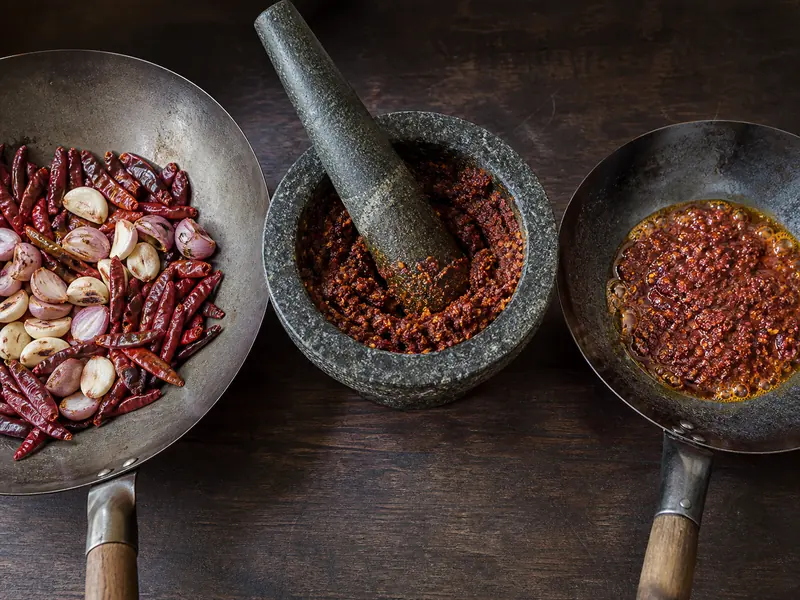
Each stage leaves a visible clue. Under-roasted aromatics keep a raw edge, while excessive dry heat can make chile skins and garlic bitter.
Frying also changes how the paste cooks later. Its solids have already been exposed to heat, so a recipe often needs dispersion and gentle warming rather than a long raw-paste frying stage.
Dark does not automatically mean burnt. Nam prik pao should be deeper than a fresh chile sauce, but harsh bitterness and a scorched smell point to excessive heat rather than the intended roasted character.
The first impression often comes from sugar, cooked shallot, and oil. Tamarind then adds a rounded fruit acidity, followed by dried chile and the lingering savory note of shrimp paste, dried shrimp, or fish sauce.
“Smoky” is a common description, but it does not prove the jar contains smoke-dried peppers. Roasted chile skins and browned aromatics can create a toasted, smoke-like impression without a smoking step.
Sweetness, oil, and cooked shallot make the paste feel round and rich.
Tamarind lifts the center while roasted chile brings fruit, bitterness, and heat.
Salt and fermented seafood seasoning extend the savory taste after the sweetness fades.
Nam prik pao has no fixed heat level. A sweet commercial jar may be gentle, while a batch made with a larger proportion of hot dried chiles can be much more pungent.
Oil and sugar can soften the opening sensation, but they do not remove capsaicin. Heat may become more noticeable after the paste spreads through hot broth or coats a larger surface of food.
Color is also a poor heat guide. Dark red-brown paste can come from thorough roasting, sugar, chile variety, or time in storage, so taste a small amount before deciding how much the dish needs.
Nam prik pao names a style, not a standardized formula. Two jars can share the same English product name while placing sugar, oil, chile, seafood seasoning, or tamarind in very different positions on the ingredient list.
Ingredient order gives the first useful clue. A sugar-first paste tends to read sweeter, while a product that lists chile and aromatics earlier may taste more concentrated or textured.
The broader Thai nam prik research published in the Journal of Cookery Science of Japan found meaningful variation in salt, water activity, amino acids, and fat composition across sampled products. That study did not make every nam prik interchangeable, but it shows why one nutrition value or storage assumption cannot safely describe the whole category.
| What you notice | Likely label clue | Practical effect |
|---|---|---|
| Very glossy and loose | Oil appears high in the ingredient order | Disperses quickly but may leave a stronger oil sheen |
| Dense and jam-like | Sugar and cooked solids form a larger share | Coats food well and can scorch sooner on a dry pan |
| Coarse chile texture | Less grinding or more visible chile solids | Creates a more textured bite and uneven bursts of heat |
| Strong seafood aroma | Shrimp paste, dried shrimp, or fish sauce appears prominently | Adds savory depth but changes dietary and allergen suitability |
| Bright sour finish | Tamarind or another acid is more prominent | Needs less lime or tamarind in the finished dish |
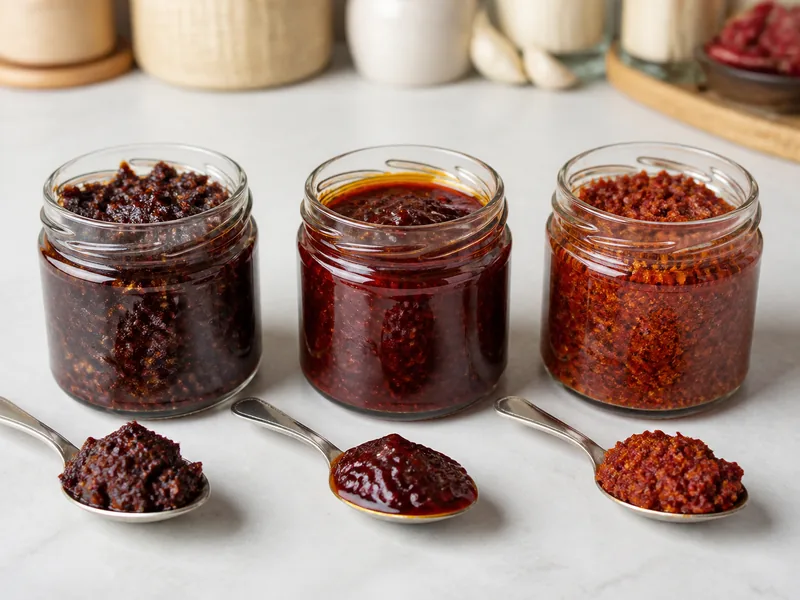
A serving size can make two nutrition panels look farther apart than they are. Compare sodium and added sugar at the same gram weight when a recipe will use several spoonfuls.
Texture alone does not reveal quality. It tells you how the paste may behave, while the seal, date, current label, and intended dish decide whether that particular jar is a good fit.
The useful distinction is not which condiment looks red. It is what each one contributes after the chile reaches the bowl or pan.
| Condiment | Defining structure | Best read as | What is missing if it replaces nam prik pao alone |
|---|---|---|---|
| Nam prik pao | Roasted chile and aromatics with tamarind, sugar, oil, and often seafood seasoning | A complete sweet, sour, savory chile base | Nothing when the recipe specifically calls for this style |
| Sambal oelek | Coarsely ground chile with salt and often acid | Direct chile flavor and texture | Roasted alliums, sweetness, oil, and much of the savory depth |
| Thai red curry paste | Chile pounded with fresh roots, herbs, spices, and often shrimp paste | A raw aromatic foundation intended for cooking | The finished sweet-sour balance and fried texture |
| Chile crisp | Fried chile and crunchy solids suspended in oil | A textured finishing condiment | Tamarind balance and the cohesive paste body |
| Sriracha | Pourable chile, garlic, sugar, and vinegar sauce | A smooth squeeze sauce | Roasted depth, concentrated solids, and the same savory finish |
Sambal oelek can work as the chile component when a cook supplies sugar, tamarind, browned aromatics, and savory seasoning separately. Used by itself, it produces a brighter and simpler result.
Red curry paste causes a different mistake because both products may contain dried chile and shrimp paste. Curry paste is designed to release fresh aromatic compounds as it cooks, while nam prik pao arrives with its roasting, frying, sweetness, and sourness already developed.
Chile crisp shares fried chile and oil, yet its crunchy solids make it a finishing texture. Nam prik pao dissolves more readily into broth or sauce and acts as seasoning throughout the dish.
Choose a use by deciding whether the paste should dissolve, coat, or remain concentrated. That physical job matters more than collecting a long list of dishes.
| Use | What the paste does | What to adjust afterward |
|---|---|---|
| Tom yum and other broths | Dissolves roasted chile, oil, sweetness, and savory seasoning through the liquid | Lime, fish sauce, and fresh herbs after the paste is dispersed |
| Pad nam prik pao and other stir-fries | Loosens into a glossy pan sauce that clings to seafood, meat, mushrooms, or vegetables | Unsalted liquid, acidity, and fresh aromatics |
| Fried rice | Spreads a small amount across many grains | Salt only after the rice is evenly colored and tasted |
| Noodles | Provides a concentrated base for a dressing or warm sauce | Liquid and acid for the noodle type and serving temperature |
| Glazes and marinades | Brings browning ingredients and chile to a thin coating | Extra liquid to reduce scorching and excessive salt |
| Table condiment | Keeps the paste concentrated beside grilled food, eggs, rice, or vegetables | Portion size because there is little dilution |
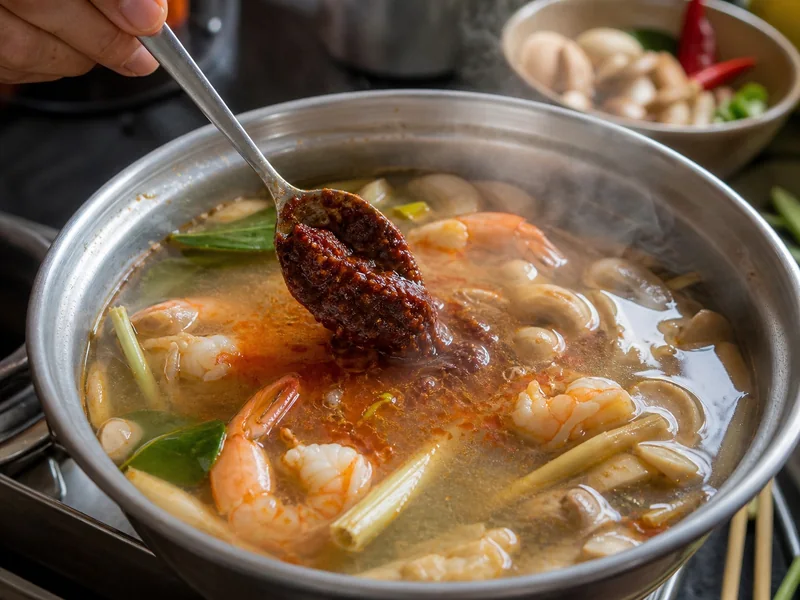
Tom yum is the best-known example. Nam prik pao deepens the broth, especially in creamy versions, but it does not replace lemongrass, galangal, makrut lime leaf, lime juice, or the final salt balance.
In a stir-fry, moisture from clams, shrimp, mushrooms, meat, or vegetables can help release the paste. A small amount of stock or water gives the solids somewhere to spread before the sauce tightens around the food.
Rice and noodles use distribution rather than concentration. The cook works the paste through the starch first, then judges whether the whole batch needs more chile, acid, or salt.
A glaze needs more caution because sugar and browned solids meet direct heat. Thin the paste enough to brush or toss evenly, and apply it late enough that the surface browns without turning bitter.
At the table, a small dab can accompany grilled seafood, omelets, rice, toast, or crisp vegetables. This use exposes every sweet, salty, and seafood note, so a jar that tastes balanced in soup may feel intense when eaten undiluted.
Start by tasting the jar, then decide which parts of the dish it already supplies. This prevents a recipe from receiving a full dose of sugar, fish sauce, acid, and chile twice.
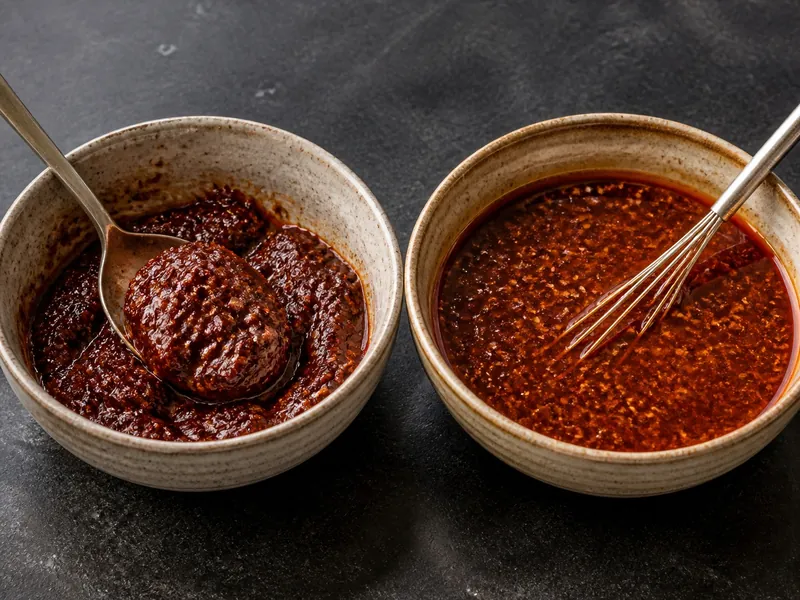
For soup, whisk the paste into a ladle of hot broth and return that mixture to the pot. The small volume makes lumps visible and spreads the oil before it reaches individual bowls.
For a stir-fry, place the paste where liquid can reach it rather than dropping it onto a dry smoking-hot pan. Once it loosens, toss quickly and let the sauce coat the food.
“Blooming” the paste should be gentle. A brief warm contact with oil can release aroma, but extended frying is unnecessary because the solids were already roasted and fried during production.
Tasting order First check salt and sweetness after the paste disperses. Then adjust sourness, and add fresh chile only if the dish needs a brighter kind of heat.
If a sauce tastes heavy, lime or tamarind can restore contrast. If it tastes sharp but thin, a little more paste may add body, provided salt and sweetness are still below their limit.
When the heat is stronger than expected, extra oil does not remove capsaicin. Increase the unsalted food or liquid in the dish so the same amount of paste is distributed across a larger serving.
Start with the full product name and ingredient order. A front label may emphasize chile or “Thai flavor,” while the back label reveals whether sugar, oil, seafood seasoning, or chile forms most of the jar.
Gluten-free suitability is also product-specific. The traditional ingredient pattern cannot guarantee that a commercial seasoning, sauce, shared facility, or changed formula meets a particular gluten-free requirement.
“Healthy” is too broad to answer from the condiment name. Compare sodium, added sugar, saturated fat when relevant, and serving size at equal gram amounts, then place the amount you actually use inside the rest of the meal.
A separated oil layer can be normal in an unopened or refrigerated jar. Check the manufacturer's instruction before stirring, and judge package condition by the seal, lid, leakage, and date rather than by separation alone.
Large jars make sense only when the paste suits your regular cooking. A smaller jar that is finished cleanly may be a better purchase than a bulk container opened for one bowl of soup.
Follow the package instruction because commercial formulas differ in acidity, water activity, preservatives, and heat processing. If the label says refrigerate after opening, return the sealed jar to the refrigerator promptly after serving.
Use a clean, dry spoon. A utensil carrying broth, food crumbs, or moisture introduces material that was not part of the packaged product.
| Change | What it may mean | Response |
|---|---|---|
| Oil rises above the paste | Normal separation can occur in an oil-rich condiment | Follow the label and stir only with a clean utensil when appropriate |
| Gradual darkening | Age, oxidation, cold storage, sugar, and roasted solids can affect color | Check date, storage history, seal, aroma, and texture together |
| Visible mold | Contamination | Discard the jar rather than scraping the surface |
| Swollen lid or leaking container | Package failure or gas production | Do not taste it |
| Sharp unfamiliar odor or foaming | A meaningful change from the packaged state | Discard when the change cannot be explained by the product directions |
Wipe the rim before closing the jar. Sticky oil and paste around the threads can prevent a clean seal and make later changes harder to judge.
Do not assign one opened shelf life to every brand. The manufacturer's storage statement and date guidance own that decision because the formula and production process belong to that product.
Oil separation and a dark roasted color do not prove spoilage by themselves. Mold, a failed container, unexpected gas, leakage, and a clear odor change provide stronger reasons to discard the paste.