

Shakshuka
One-pan shakshuka with eggs poached in spicy tomato-pepper sauce. Full recipe with prep times, ingredients, and step-by-step instructions.

What Is Shakshuka?
Shakshuka is a one-pan dish of eggs poached directly in a spiced tomato-pepper sauce. The name comes from Arabic, loosely meaning "all mixed up," and the dish has deep roots across North African pepper-cooking traditions before becoming a staple of Israeli breakfast culture.
The appeal is practical as much as it is delicious: one skillet, pantry ingredients, ready in under 30 minutes. The sauce does the heavy lifting while the eggs cook gently on top, whites set and yolks still runny.
The Flavor Profile
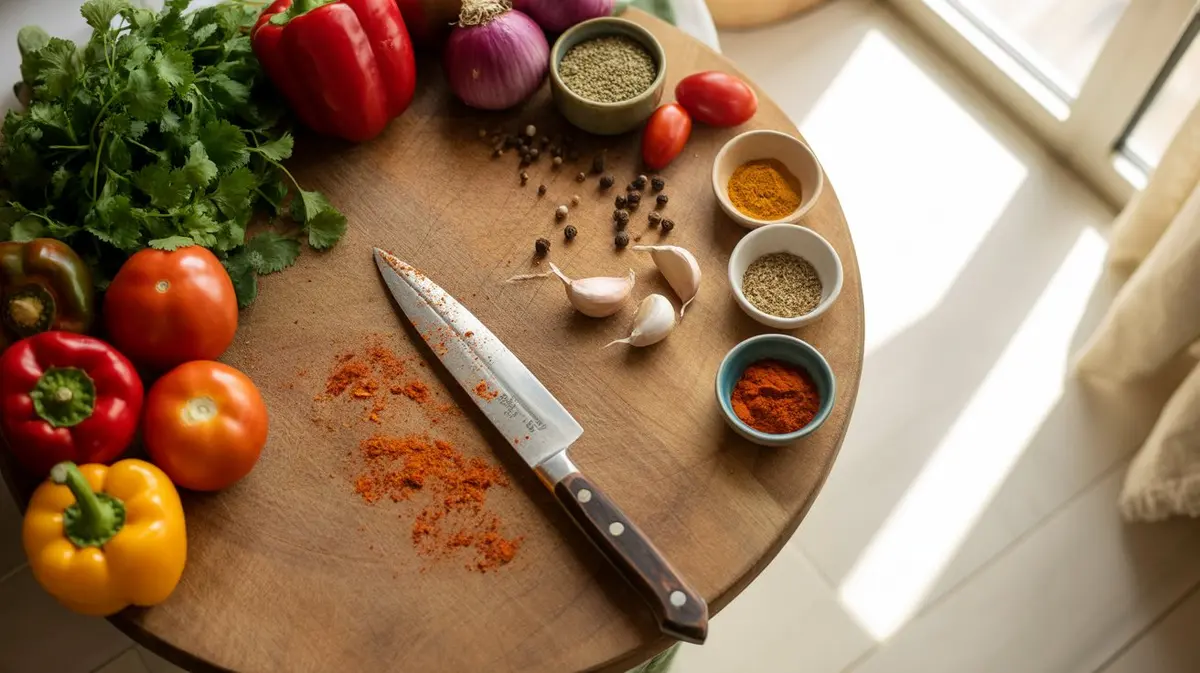
Before the first bite, the aroma hits - sweet roasted tomato layered with cumin smoke and the faint floral note of paprika warming in oil. That smell alone tells you what you are getting into.
On the palate, the base sauce is savory and slightly acidic from the tomatoes, balanced by the natural sweetness of cooked-down bell pepper. The heat level is adjustable, but a classic shakshuka lands in the medium heat range - present and warming without overwhelming the egg.
Cumin and smoked paprika carry most of the spice complexity. A pinch of cayenne or a fresh chili pushes it toward the hot end of the spectrum without changing the dish's fundamental character.
Technique Tips
The single biggest mistake people make is rushing the sauce. Ten minutes of simmering is the minimum - twelve or thirteen is better. The sauce needs to reduce and concentrate before the eggs ever touch the pan.
Cast iron holds heat evenly and transitions from stovetop to a low oven if you want to finish the eggs from above. A 375°F oven for 5-6 minutes after adding the eggs gives you more even white-setting without overcooking the yolks.
Room-temperature eggs poach more evenly than cold ones straight from the fridge. Pull them out 15-20 minutes before you start cooking.
If your tomatoes are particularly acidic (this varies by brand and season), the optional teaspoon of sugar is worth adding. It doesn't make the dish sweet - it just rounds out harsh edges.
Heat Variations
The base recipe is approachable for most palates. Here is how to dial it in either direction:
- Mild version: Skip the cayenne entirely and use sweet paprika instead of smoked. The dish stays flavorful but sits comfortably in the gentle warmth of mild heat.
- Classic spiced: Follow the recipe as written with 1/4 tsp cayenne - this is the standard North African-style heat level most recipes target.
- Harissa shakshuka: Stir 1-2 tbsp harissa paste into the sauce after the tomatoes. Harissa typically uses dried African red peppers with caraway and garlic - it adds complexity beyond straight heat.
- Fresh chili version: Add 1-2 fresh serrano or Fresno chilies, sliced thin, with the bell pepper. The Fresno brings a fruity heat that complements tomato particularly well.
- Smoked chipotle: Swap the cayenne for 1-2 tsp adobo sauce from a can of chipotles. This shifts the flavor profile toward smoky and earthy - a good variation if you are serving it for dinner rather than breakfast.
Regional Variations
Shakshuka varies significantly by country and family. Tunisian versions lean heavier on harissa and often include merguez sausage. Israeli versions tend to be simpler - tomato, pepper, egg - with the spicing kept restrained. Turkish menemen-style preparation scrambles the eggs into the sauce rather than poaching them whole, producing a softer, more integrated texture.
Moroccan variations sometimes include preserved lemon and olives. Some Mexican-influenced preparations substitute salsa verde for the tomato base entirely, producing a green shakshuka with a tangy, herbaceous character.
Green shakshuka - built on spinach, tomatillos, and herbs rather than tomatoes - has become popular in its own right. It is a different dish in character but follows the same one-pan poaching technique.
Protein and Add-In Variations
The egg-in-sauce format is flexible. Crumbled merguez or chorizo cooked before the onion adds fat and spice to the base. Chickpeas stirred in with the tomatoes make the dish more substantial and add a different texture alongside the eggs.
White beans work similarly and absorb the sauce beautifully over the full simmer time. Spinach or Swiss chard wilted into the sauce just before adding the eggs adds color and rounds out the dish nutritionally without changing the fundamental character.
Serving Suggestions
Shakshuka is traditionally served directly from the pan, which keeps it hot and makes cleanup easier. Crusty bread - sourdough, baguette, or pita - is essential for scooping sauce. The dish does not need a side, though a simple cucumber and tomato salad alongside works well for a full meal.
For a larger group, the sauce scales easily. A 12-inch skillet comfortably holds up to 8 eggs. Beyond that, use two pans rather than crowding.
Storage and Reheating
The tomato sauce base stores well - make it up to 3 days ahead and refrigerate in an airtight container. Reheat the sauce in the pan over medium heat before adding fresh eggs. Do not store or reheat already-poached eggs in the sauce; they overcook and turn rubbery.
Leftover sauce also freezes well for up to 3 months. Thaw overnight in the refrigerator and reheat gently before poaching fresh eggs to order.
Choosing Your Peppers
Bell pepper is standard in the base, but the type matters more than people realize. Red bells are sweeter and less watery than green ones - always use red here. Yellow or orange work too and add a slightly different sweetness.
For added heat, the chili choice shapes the dish's character. Serrano brings clean, bright heat. Fresno adds fruitiness. A small amount of dried guajillo's mild tangy heat reconstituted and blended into the sauce adds depth that fresh chilies cannot replicate.
If you want to understand how different peppers affect the final heat level, the Scoville rating system for testing pepper heat gives you a useful framework for comparing options before you cook.
Smoked paprika deserves its own mention - it is doing significant work in this recipe. Spanish-style smoked paprika (pimenton) is made from peppers dried over oak smoke, connecting this dish to Spanish pepper-smoking traditions that predate many modern spice blends.
Chef's Tip: The Resting Period
Patience is an ingredient. After mixing, let the dish rest for 10–15 minutes before serving. This allows the flavours to meld and the seasoning to fully penetrate. If making ahead, refrigerate and bring to room temperature before serving.
Shopping List
-
3 tbsp olive oil
-
1 large yellow oniondiced
-
1 large red bell pepperseeded and diced
-
4 cloves garlicminced
-
1 tsp ground cumin
-
1 tsp smoked paprika
-
1/2 tsp ground coriander
-
1/4 tsp cayenne pepper
-
1/2 tsp kosher salt
-
1 can (28 oz) crushed tomatoes
-
1 tsp sugar (optional)
-
6 large eggs
-
2 oz feta cheesecrumbled (optional)
-
Fresh parsley or cilantro for garnish
-
Crusty bread or pita for serving
Full Recipe Instructions
Heat 3 tbsp…
Heat 3 tbsp olive oil in a large deep skillet over medium heat. Add diced onion and cook 6-8 minutes until softened.
Add diced red…
Add diced red bell pepper and cook another 4-5 minutes until softened and lightly caramelized.
Push vegetables aside…
Push vegetables aside and add minced garlic to center of pan. Cook 60 seconds until fragrant.
Add cumin, smoked…
Add cumin, smoked paprika, coriander, cayenne, and salt. Stir and toast spices in oil for 30-45 seconds.
Pour in crushed…
Pour in crushed tomatoes and add sugar if using. Simmer uncovered for 10-12 minutes until sauce thickens and deepens in color.
Taste sauce and…
Taste sauce and adjust seasoning.
Create 6 shallow…
Create 6 shallow wells in the sauce. Crack one egg into each well. Season eggs lightly with salt and pepper.
Cover pan and…
Cover pan and cook over medium-low heat for 5-8 minutes until whites are set and yolks are still soft.
Remove from heat.…
Remove from heat. Top with crumbled feta and fresh herbs. Serve directly from pan with bread.
Frequently Asked Questions
-
Make the tomato-pepper sauce up to 3 days in advance and refrigerate it. When ready to serve, reheat the sauce in the pan and poach fresh eggs directly in it - pre-cooked eggs do not hold well.
-
A 10 or 12-inch cast iron skillet or stainless steel pan with a lid works best. Cast iron holds heat evenly and can transfer to the oven if you want to finish the eggs from above at 375 degrees F.
-
Cover the pan and check at exactly 5 minutes - the whites should be just set and the yolks still visibly soft. Residual heat continues cooking after you remove the lid, so pull the pan off heat slightly before they look fully done.
-
Yes - the spiced tomato-pepper sauce is excellent on its own over bread, with chickpeas stirred in, or topped with crumbled feta and served as a dip. The egg poaching is traditional but not structural to the sauce itself.
-
Fresh serrano or Fresno chilies added with the bell pepper raise heat without altering the sauce's tomato-forward character. Harissa paste is the traditional route for North African-style heat and adds complexity beyond just capsaicin.
More Recipes
View allFresh Salsa Recipe
Restaurant-quality fresh salsa in 10 minutes. Proper tomato prep, right jalapeño amount, and the secret to balanced flavor. Find your perfect heat level.
Jalapeno Poppers Recipe
Classic cream cheese stuffed jalapeño poppers that are crispy outside, creamy inside. Find your perfect heat level.
Pickled Jalapenos Recipe
Two methods: 10-minute quick pickle and proper fermented. Both stay crispy. Find your perfect heat level.
Stuffed Peppers Recipe
Classic stuffed peppers with rice and meat, plus vegetarian and Mexican variations. Covers bell peppers, poblanos, and which peppers stuff best.