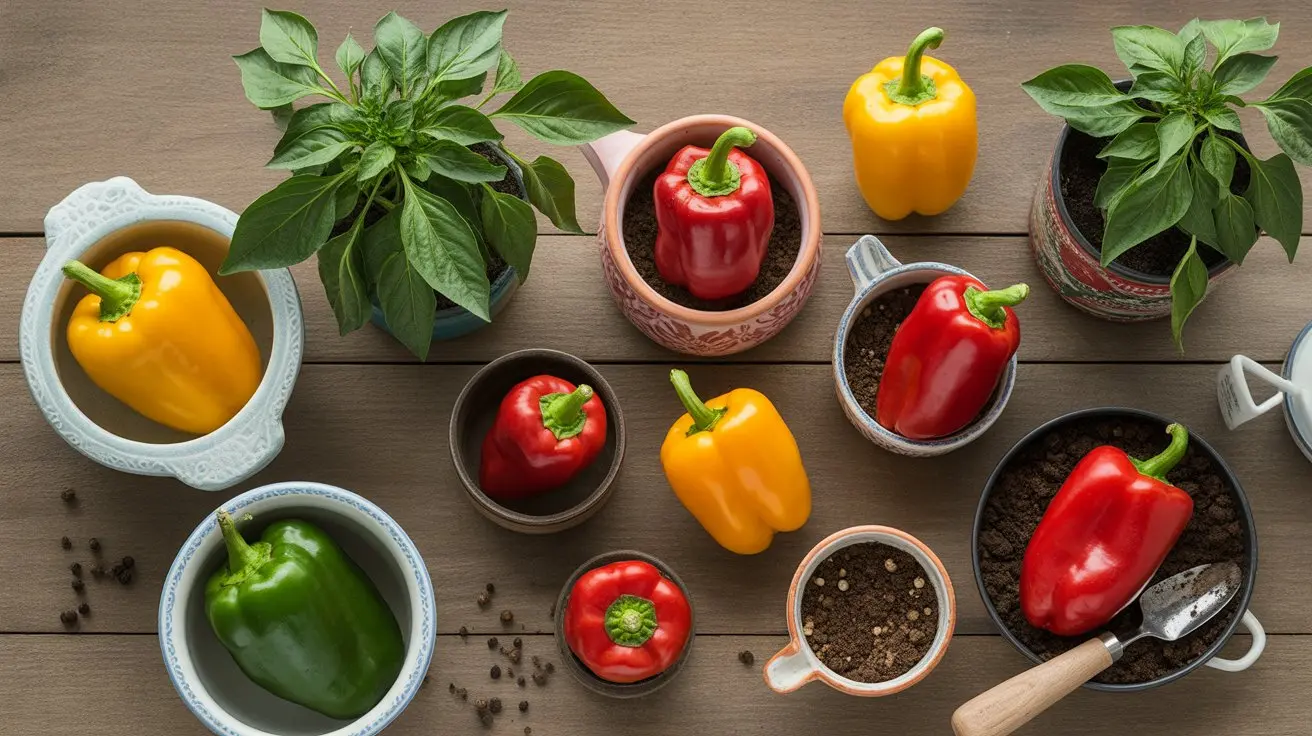
Best Peppers for Containers
The best container peppers include Thai chili, habanero, shishito, and NuMex Twilight. Pot size, soil, and yield. Find your perfect heat level.

Why Container Growing Works So Well for Peppers
Peppers are naturally compact plants with contained root systems, which makes them genuinely well-suited to pot culture — not just as a workaround for gardeners without ground space.
A container setup lets you control soil composition precisely, move plants to chase optimal sun, and bring them indoors before frost to extend the season by weeks or months.
The tradeoff is real, though: pots dry out faster, nutrients deplete quicker, and root-bound plants stall hard. Get the basics right and container peppers outperform in-ground plants for many varieties.
Pot Size and Soil: The Foundation
Most pepper varieties need at least a 5-gallon container to produce well. Compact ornamental types can manage in 3-gallon pots, but anything larger — habaneros, bells, thick-walled frying peppers — needs 7 to 10 gallons for full yield.
Standard potting mix drains too fast and compresses over a season. A blend of 60% potting mix, 30% perlite, and 10% compost holds moisture without waterlogging and gives roots room to breathe.
Fabric grow bags have become a favorite container choice because they air-prune roots naturally, preventing the circling that chokes production in rigid plastic pots.
Feed every two weeks with a balanced fertilizer once flowering starts, then shift to a low-nitrogen, higher-phosphorus formula when fruit sets. Nitrogen-heavy feeding after fruit set pushes leaf growth at the expense of pods.
Compact Sweet and Mild Peppers for Containers
Not every container gardener wants heat. the Gypsy pepper's thin-walled, sweet flavor makes it one of the most productive mild options for pots — plants stay under 24 inches and set fruit prolifically through summer.
The Mariachi's mild fruity sweetness and compact habit is another standout: it was bred specifically for container performance and tops out around 18 inches. Fruits ripen from pale yellow to orange-red, giving you a long harvest window.
Both sit comfortably in the mild end of the pepper spectrum, making them approachable for households that want fresh peppers without the burn.
The Mexibell's bell-pepper shape with a mild kick rounds out this tier — it carries a touch of heat unlike standard bells, and its bushy growth stays manageable in a 7-gallon pot.
Medium-Heat Varieties That Thrive in Pots
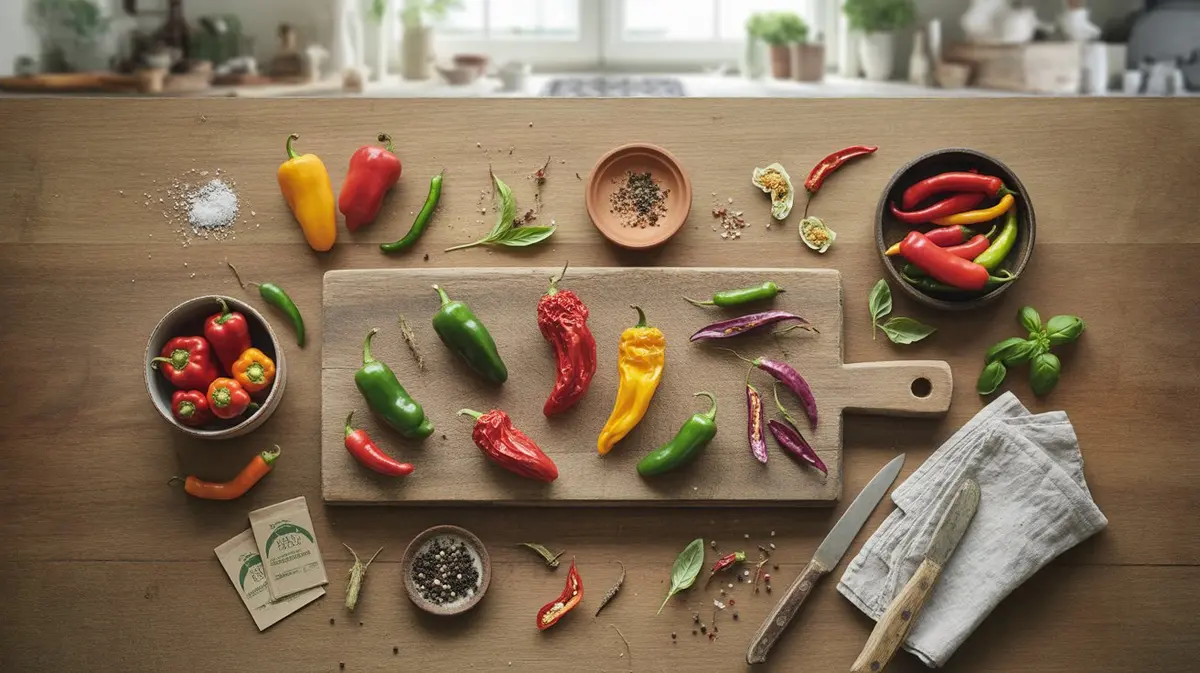
Shishito peppers have earned their container reputation honestly. Plants are compact, prolific, and produce thin-walled pods that roast in minutes. About one in ten fruits comes in noticeably hotter than the rest — a quirk that keeps things interesting.
Cayenne types do well in containers too, though they need a full 5-gallon minimum. The plants grow upright and tall, so stake them early or they'll topple under a heavy pod load.
Thai chili varieties — small, upright plants with clusters of finger-length pods — are almost custom-built for container life. They stay under 20 inches, tolerate the heat and dryness of patio conditions, and produce hundreds of pods per plant. Their place in Thai cooking traditions reflects centuries of small-space cultivation.
For a broader look at what the medium heat range feels like across different varieties, the heat tier guide covers the full spectrum from poblano-level warmth up through serrano territory.
Hot Peppers That Don't Demand a Garden Bed
Habaneros are the sweet spot for container hot pepper growing. Plants are naturally compact — most stay under 30 inches — and the thin walls of each pod mean plants don't need to push enormous energy into individual fruits.
A single habanero plant in a 7-gallon pot can produce 50 to 100 pods in a season, which is more than most households can use fresh. The Caribbean origin of habanero-type peppers means they thrive in the warm, humid conditions a sunny patio provides.
Scotch bonnets behave similarly in containers and carry the same species traits. Both belong to the Capsicum chinense species group, which tends toward compact, bushy growth that suits pot culture well.
Jalapeños are reliable but need consistent watering — stressed jalapeño plants produce corky striations on the skin, which is cosmetically fine but signals the plant is working harder than it should be. The hot pepper intensity these varieties deliver makes them worth the extra attention to moisture.
Super-Hot Varieties: Ambitious but Possible
Growing super-hots in containers is genuinely doable, but it requires patience — these plants take 90 to 120 days from transplant to ripe fruit, and they need large pots to deliver.
The 7 Pot Brain Strain's extreme fruity heat is one of the most container-friendly super-hots because the plant stays relatively compact while producing gnarly, wrinkled pods with enormous capsaicin content. A 10-gallon pot is the minimum; 15 gallons gives you noticeably better yield.
The 7 Pot Barrackpore's scorching Trinidadian heat follows a similar growth pattern — thick stems, dense foliage, and pods that take weeks to ripen from green to deep red. Both varieties benefit from being started indoors in January or February to maximize the outdoor growing window.
The Infinity Chili's near-record capsaicin levels pushed over 1 million SHU when it briefly held the world record in 2011. In containers, it grows more slowly than in ground beds but produces reliably in a 10-gallon pot with rich, well-draining soil.
All three sit at the extreme end of the super-hot pepper classification — handle with gloves and treat the pods with respect during processing.
Ornamental Peppers: Small Pots, Big Visual Impact
NuMex Twilight is the benchmark ornamental container pepper. Pods ripen through purple, yellow, and orange before turning red, all at the same time on the same plant, creating a display that looks almost artificial.
These plants top out at 18 inches and perform well in 3-gallon containers, making them practical for balconies and windowsills. The pods are edible and genuinely hot — around 30,000 to 50,000 SHU — but most growers treat them as decorative first.
Fish peppers, Black Pearl, and Prairie Fire all follow the same logic: compact habit, prolific pod set, and visual interest that goes beyond what most vegetables offer. The Capsicum annuum species dominates this ornamental category, with centuries of selection for compact growth.
Watering and Feeding in Containers
Container peppers dry out fast. In high summer, a 5-gallon pot in full sun may need water once or twice daily. Stick your finger two inches into the soil — if it's dry, water thoroughly until it drains from the bottom.
Inconsistent watering causes blossom drop and contributes to blossom-end rot, the same calcium deficiency problem that plagues container tomatoes. A diluted calcium-magnesium supplement every few weeks helps prevent it.
Mulching the top of the pot with an inch of wood chips or straw dramatically slows evaporation and keeps roots cooler during heat spikes. It looks tidy too, which matters when the pots are on a patio or balcony.
For a full breakdown of pepper germination and transplanting timing that applies to container starts, the complete pepper growing guide covers indoor seed starting through first harvest.
Heat and Flavor: Matching Varieties to Your Kitchen
The aroma of a fresh container-grown pepper before you taste it tells you a lot. Habaneros have that distinctive floral-citrus smell even when green. Thai chilis carry a sharp, almost grassy fragrance that intensifies with heat. Super-hots like the Brain Strain smell fruity and almost sweet — deceptive given what follows.
Flavor follows the aroma closely. Thin-walled varieties like shishito and Gypsy pepper deliver brightness and sweetness without much lingering heat. Thick-walled types like bells and Mexibell offer more substance and work better for stuffing or roasting whole.
Understanding why peppers produce heat at the receptor level helps explain why some varieties feel hotter in the back of the throat while others hit the front of the mouth first — a real difference between species that matters for cooking applications.
The official SHU rating system for testing pepper heat gives you a consistent benchmark for comparing varieties before you commit to growing them. Knowing that a Thai chili runs 50,000 to 100,000 SHU versus a jalapeño's 2,500 to 8,000 SHU changes how you plan a harvest.
Overwintering Container Peppers
One of the best arguments for container growing is the ability to overwinter plants. Peppers are perennials in their native climates — a two-year-old habanero or super-hot plant produces significantly more than a first-year seedling.
Before the first frost, bring containers indoors to a cool, bright location. Cut plants back by about half their height, reduce watering to once every 10 to 14 days, and stop fertilizing entirely. The plant goes semi-dormant and holds through winter.
Come spring, move it back outside after last frost, resume regular watering, and feed with a balanced fertilizer. Most overwintered plants push new growth within two weeks and begin flowering a full month ahead of first-year transplants.
Super-hot varieties benefit most from overwintering — the long season they need to produce ripe pods is much easier to achieve on a two-year plant that starts flowering in May rather than July.
Top Container Pepper Picks by Use Case
For fresh eating and salads: Gypsy pepper, Mariachi, shishito. All produce abundantly in 5-gallon pots and ripen over a long window.
For hot sauce and preserving: habanero, cayenne, Thai chili. These give you volume and concentrated heat that works well for ferments and vinegar-based sauces.
For cooking and stuffing: Mexibell, Mariachi. The thicker walls hold up to heat and the mild kick adds interest without overwhelming other ingredients.
For extreme heat projects: 7 Pot Brain Strain, 7 Pot Barrackpore, Infinity Chili. Plan for large pots, a long season, and protective gear during harvest.
For ornamental and edible together: NuMex Twilight, Fish pepper, Black Pearl. These earn their space on a patio through looks alone, with edible pods as a bonus.
Frequently Asked Questions
-
Most pepper varieties need at least a 5-gallon container to produce a full harvest. Larger varieties like bells and habaneros perform better in 7 to 10-gallon pots, while compact ornamentals can manage in 3 gallons.
-
Yes, but they require 10 to 15-gallon pots and a long growing season of 90 to 120 days from transplant. Starting seeds indoors in January or February gives container-grown super-hots enough time to produce ripe pods.
-
In peak summer heat, a 5-gallon pot in full sun may need water once or twice daily. Check soil moisture two inches deep — if dry, water thoroughly until it drains from the bottom of the container.
-
Yes — peppers are perennials and overwintering them indoors is one of the biggest advantages of container growing. Cut plants back by half before frost, reduce watering significantly, and resume normal care in spring for earlier, heavier yields.
-
Mariachi, Gypsy pepper, and shishito are the most forgiving choices for first-time container growers. All three stay compact, produce prolifically, and tolerate minor watering inconsistencies better than hot or super-hot varieties.