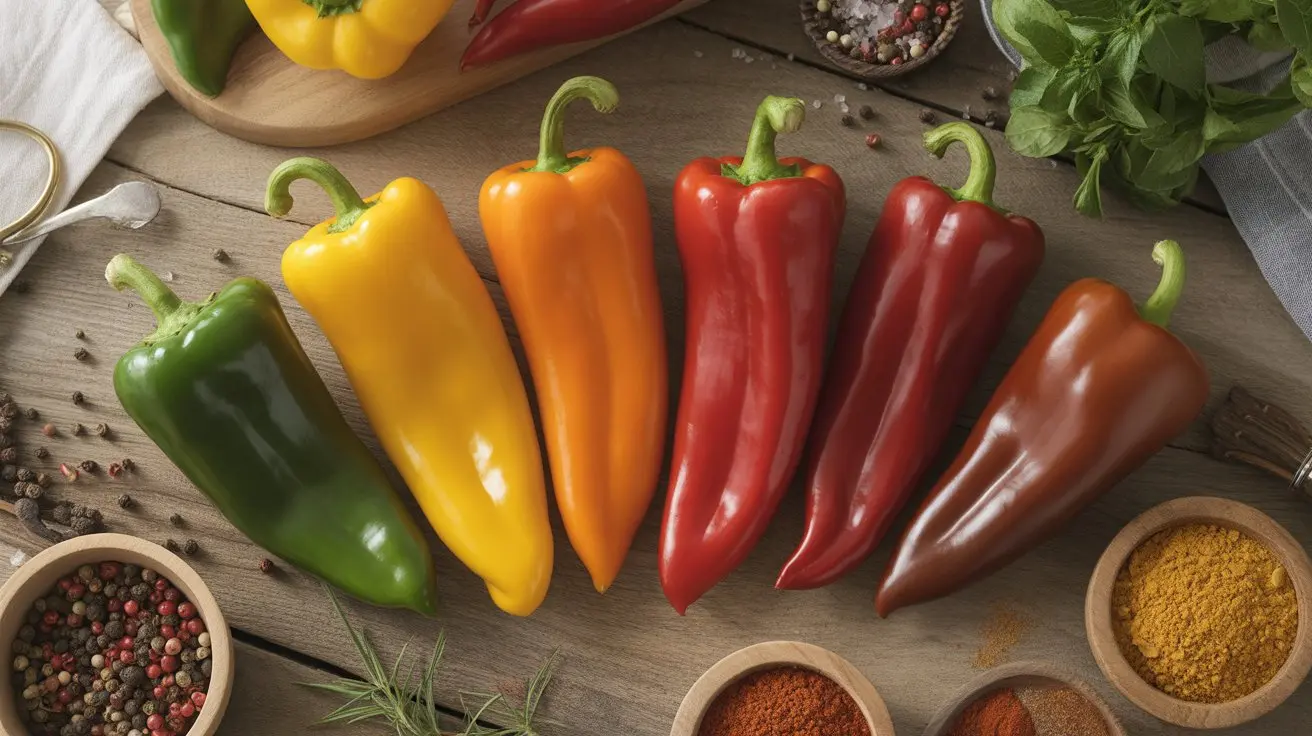
Pepper Color Guide
What pepper colors mean: green vs red vs orange vs yellow. Ripening stages and flavor changes. Find your perfect heat level.

Color Is Not Just Cosmetic
Most people treat pepper color as a visual cue — red means spicy, green means mild, yellow is somewhere in between. That mental model is wrong in almost every interesting way.
Color in peppers is a direct readout of ripeness, and ripeness changes flavor, heat, and nutrition dramatically. The same plant, the same pepper, can be three different ingredients depending on when you pick it.
The Ripening Sequence Explained
Nearly all peppers start green. That green color comes from chlorophyll, the same pigment that makes leaves green. As the pepper matures, chlorophyll breaks down and carotenoid pigments take over — producing yellow, orange, and red hues in sequence.
This is why a red bell pepper costs more than a green one: it spent more time on the plant, consuming more resources, accumulating more sugars and pigments. The red pepper is not a different variety — it is the same pepper, older.
The general sequence runs: green → yellow → orange → red. Some varieties skip steps or plateau at intermediate stages. Brown, purple, white, and black peppers follow modified versions of this pathway, which makes them more interesting than they first appear.
Green: The Unripe Stage
Green peppers are harvested before the ripening process completes. The flavor profile at this stage tends toward grassy, vegetal, and slightly bitter — notes that come from the chlorophyll and from tannins that break down as the fruit matures.
Heat in green peppers is typically lower than in the same pepper picked ripe. Capsaicin accumulates throughout the ripening process, so an early harvest captures less of it. A green jalapeño, for instance, sits toward the lower end of its 2,500-8,000 SHU range compared to a fully red one.
Green peppers hold up well in cooked applications — stir-fries, stuffed preparations, roasting — where their firmer texture and sharper flavor are assets. They also have a longer shelf life than ripe peppers, which is part of why commercial growers harvest at this stage.
The mild heat classification covers many green peppers you find in grocery stores, though that is a category, not a guarantee.
Yellow and Orange: The Middle Stages
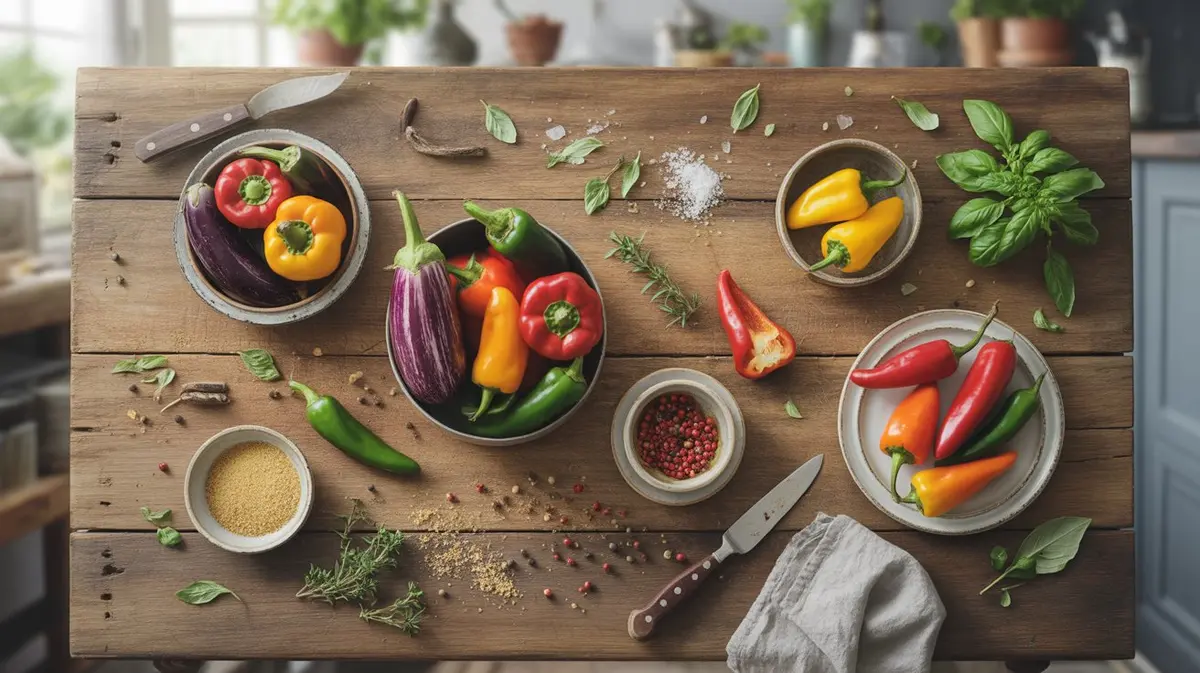
Yellow and orange peppers occupy the transition zone. Chlorophyll has largely broken down, carotenoids are building up, and the fruit is accumulating sugars and fruity aromatic compounds. The flavor at these stages tends to be sweeter and more complex than green, with less of the grassy edge.
Heat is climbing too. Peppers measured at yellow or orange stages consistently show higher capsaicin concentrations than their green counterparts, though not yet at the peak reached when fully red.
Some varieties are bred to stop here — yellow bells, banana peppers, the datil's sweet-hot fruity character comes partly from its tendency to ripen to yellow-orange. The color plateau is genetic, not a sign that something went wrong.
Orange habaneros are a good example of a variety that tops out at orange rather than red. The bright citrus heat of the orange habanero reflects both the pigment profile and the flavor compounds that develop at this ripeness stage — distinct from red habaneros even though they share close lineage.
For cooking, yellow and orange peppers bring sweetness without the full sugar load of red. They work particularly well raw in salsas and salads where that balance matters.
Red: Full Ripeness
Red is where most peppers reach their peak heat, peak sweetness, and peak nutritional density. The carotenoid lycopene — the same compound in tomatoes — contributes to red coloration and brings antioxidant properties that are absent in green peppers.
Capsaicin accumulation is highest at full red ripeness. Research from the Chile Pepper Institute at New Mexico State University has documented that capsaicin concentration increases as peppers ripen, which is why a fully red cayenne will burn noticeably harder than a green one from the same plant.
The flavor shift is equally significant. Red peppers have converted more starches to sugars, producing a sweetness that balances heat in ways green peppers cannot. This is why red pepper sauces often taste rounder and more complex than green ones made from the same variety.
At the extreme end of the super-hot pepper classification, red is essentially the only color that matters — varieties like the Trinidad Scorpion Butch T's record-breaking capsaicin levels are always measured at full red ripeness, where heat peaks.
Brown and Chocolate: A Special Case
Brown peppers — often called chocolate in variety names — are not a separate ripening stage. They result from specific genetic combinations that produce anthocyanins alongside carotenoids, creating a brownish or deep maroon coloration at full ripeness.
The 7 Pot Douglah's dark chocolate exterior is one of the most striking examples: a pepper that looks brown-black at peak ripeness while carrying heat that puts it among the most intense varieties ever measured. The color signals something different from red, but the ripeness — and the heat — is just as complete.
Chocolate varieties often have a slightly earthier, nuttier flavor profile compared to their red counterparts, though this varies significantly by variety.
Purple and Black: Anthocyanins at Work
Purple and black peppers get their color from anthocyanins, the same pigment family responsible for purple cabbage and blueberries. These pigments are produced in response to UV light exposure and tend to be most intense on sun-facing sides of the fruit.
Many purple peppers are actually immature — they will ripen to red if left on the plant. The purple color appears at an intermediate stage when anthocyanins are present but chlorophyll has not fully broken down. Once the fruit fully ripens, anthocyanins often fade and the red carotenoids dominate.
Some varieties are bred to maintain purple coloration into full ripeness. These tend to have a slightly different flavor profile — often described as slightly more bitter or complex — compared to standard red ripe peppers.
Heat in purple peppers follows the same ripening logic: if the purple is an immature stage, heat is lower than it will be at full ripeness.
White and Ivory: Low Pigment Varieties
White and ivory peppers are genetic outliers — varieties that produce very little carotenoid pigment at any stage of ripeness. They often remain pale yellow-white even when fully mature.
These varieties are not albino or diseased. They are simply low-pigment, and their flavor and heat follow normal ripening patterns even without the visual color change. Some white varieties are quite mild; others carry significant heat despite their unassuming appearance.
The lack of color cues makes white peppers harder to judge by eye — you need to know the specific variety to understand what you are working with in terms of hot pepper heat ranges or milder classifications.
How Color Signals Flavor Changes
The flavor transformation across the color spectrum is driven by three main chemical changes: sugar accumulation, acid reduction, and aromatic compound development.
Green peppers have higher acid levels and lower sugar. As ripening progresses, organic acids break down while sugars build up — shifting the flavor from sharp and grassy toward sweet and fruity. Aromatic compounds including fruity esters and floral notes develop primarily in the later ripening stages.
This is why the Madame Jeanette's intensely fruity, floral heat is so pronounced — that aroma profile is a product of full ripeness, not something present when the pepper is green. Picking it early would give you a completely different ingredient.
Understanding this chemistry helps explain why recipes specify ripe or unripe peppers. It is not aesthetic preference — it is a flavor specification.
Heat and Color: The Direct Connection
Capsaicin is produced in the placenta — the white membrane inside the pepper — and accumulates throughout ripening. The molecular structure of capsaicin's burn mechanism does not change with color, but the concentration does.
Studies measuring the same variety at multiple ripeness stages consistently show that red-ripe peppers have higher capsaicin content than green ones. The difference is not trivial — in some varieties it can be 40-50% higher at full red ripeness compared to the green stage.
This matters practically. If you grow your own peppers and pick them green to avoid heat, you are getting a genuinely milder product. If you want maximum heat, wait for full color development.
At the extreme end, varieties like the 7 Pot Primo's staggering capsaicin load are only measured at full ripeness — testing unripe specimens would dramatically undercount their actual heat potential. The Scoville heat index for any variety assumes full ripeness unless otherwise specified.
Nutrition Changes Across the Spectrum
Color change is not just about flavor and heat — it tracks nutritional content too. Red peppers contain roughly three times more vitamin C than green peppers of the same variety, according to USDA nutritional data. Beta-carotene, which converts to vitamin A, increases dramatically as carotenoids accumulate during ripening.
Lycopene — present in red peppers and associated with antioxidant activity — is essentially absent in green peppers. The anthocyanins in purple and chocolate varieties add their own antioxidant compounds not found in standard red or green peppers.
If you are eating peppers for nutritional value, color matters more than most people realize. A red bell pepper is a meaningfully different nutritional proposition than a green one, not just a cosmetically different one.
Practical Takeaways for Cooking and Growing
For cooking: match color to the flavor profile you need. Green for sharp, vegetal, grassy notes. Yellow and orange for fruity sweetness with less intensity. Red for maximum sweetness, heat, and complexity.
For substitutions, color signals ripeness and therefore flavor — swapping green for red is not a neutral swap. If a recipe calls for green jalapeños and you use red, expect more heat and less grassiness. That might be exactly what you want, or it might throw the dish off.
For growing, the transplanting and cultivation process affects how well peppers develop full color. Peppers need adequate time on the plant and enough sun to complete pigment development — shaded or crowded plants often produce less vivid coloration and less developed flavor.
The extra-hot heat tier and above almost always requires patience to reach full color development. Harvesting super-hots early is a common mistake — the heat and flavor are both significantly underdeveloped compared to a fully ripe specimen.
Caribbean varieties — including those found in the Caribbean pepper traditions — are particularly worth letting fully ripen. Many of the most aromatic and complex flavors in that regional tradition depend on full color development to emerge properly.
The medium heat tier contains many of the peppers where color choice matters most for cooking — varieties where the difference between green and red dramatically changes how the pepper behaves in a dish.
Frequently Asked Questions
-
Color indicates ripeness, which correlates with heat — but only within the same variety. A fully red bell pepper is still mild; a green bird's eye chili is still very hot. Color tells you about ripeness stage, not about the variety's inherent heat ceiling.
-
As peppers ripen, starches convert to sugars and organic acids break down. Red peppers have had more time on the plant to accumulate these sugars. The sweetness is a direct result of the ripening process, not a different variety or growing condition.
-
Yes, though they won't develop full flavor or heat compared to vine-ripened ones. Place green peppers at room temperature out of direct sunlight. They will gradually shift color but lack the sugars and aromatic compounds that develop through continued photosynthesis on the plant.
-
Purple and black coloration comes from anthocyanins, produced in response to UV light exposure. Many purple peppers will ripen to red if left on the plant — the purple is an intermediate stage. Some varieties are bred to maintain dark coloration into full ripeness.
-
The name refers to color, not flavor. Brown or chocolate-colored peppers get their hue from a combination of anthocyanins and carotenoids. Some growers describe a slightly earthier or nuttier quality, but there is no actual chocolate flavor — just a distinct color at full ripeness.