
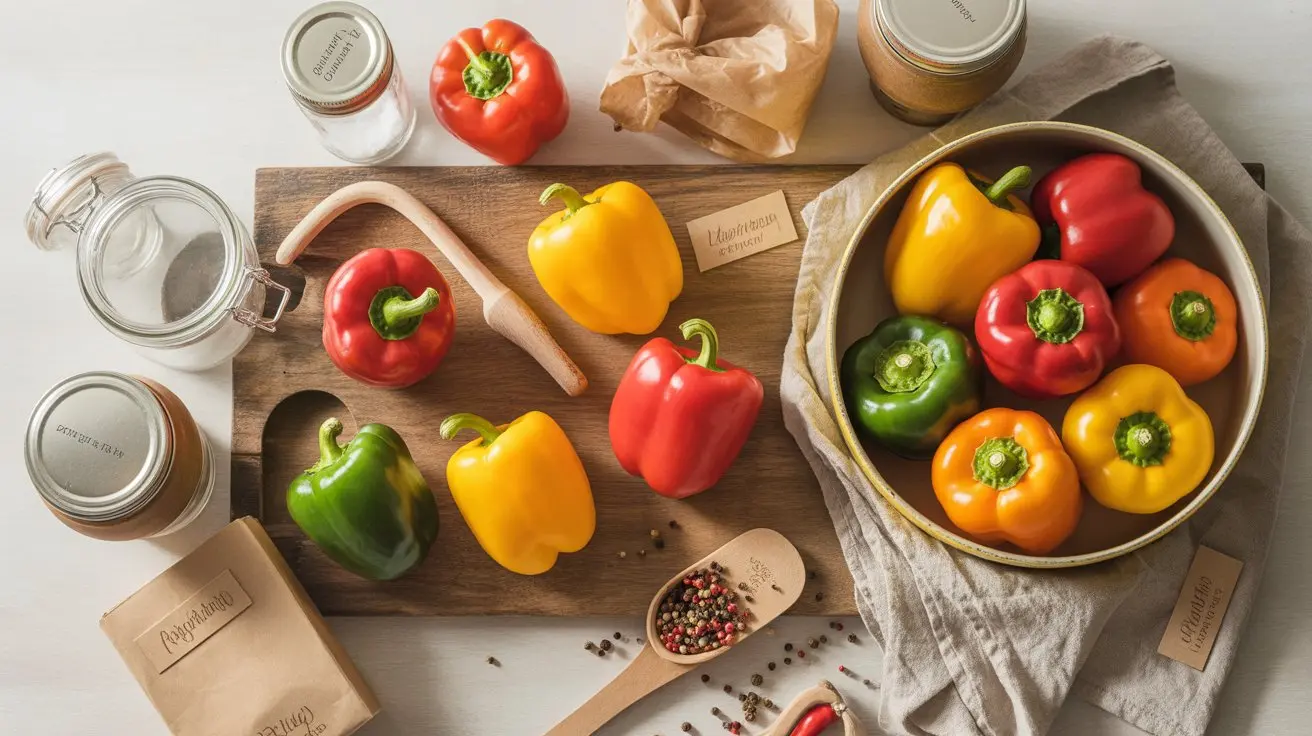
How to Store Peppers
Keep peppers fresh longer with proper storage. Covers refrigerator life, freezing methods, and drying for long-term storage. Learn the complete process.

Why Pepper Storage Matters More Than You Think
A few years back, a bumper harvest of fiercely hot Thai Dragon peppers left me staring at about four pounds of fresh chiles with no plan. I tossed half in the fridge and forgot about them. Two weeks later, half were slimy. The other half — the ones I'd dried on a rack — were still perfect three months later.
That experience forced a real education in pepper storage, and it turns out the method matters enormously depending on what you're storing, how long you need it to last, and what you're cooking.
How Long Fresh Peppers Actually Last
Fresh peppers don't all age the same way. A thick-walled bell pepper behaves completely differently from a thin-skinned small but fiercely hot Malagueta.
General refrigerator life for most fresh peppers runs 1-2 weeks when stored correctly. Thick-walled varieties like poblanos and bells often push toward 2 weeks; thinner-skinned hot peppers like serranos and cayennes tend to soften faster.
The two enemies of fresh peppers are moisture and ethylene gas. Moisture triggers mold and rot. Ethylene — released by fruits like apples, bananas, and tomatoes — accelerates ripening and decay. Keep peppers away from both.
Refrigerator Storage: The Right Way
The single most common mistake is washing peppers before storing them. Don't wash until use. Surface moisture dramatically shortens shelf life.
The best method: place unwashed peppers in a paper bag or wrap loosely in a paper towel, then slide them into a perforated plastic bag or the crisper drawer. Paper absorbs excess humidity while the bag prevents desiccation.
Avoid sealed plastic bags with no airflow — they trap condensation and create the exact environment mold loves. If you've already cut a pepper, wrap the cut end tightly in plastic wrap and refrigerate; use within 3-5 days.
For ornamental varieties grown for their striking appearance — like the dark-foliaged, medium-hot Black Pearl or the multicolored NuMex Twilight with its upright fruit clusters — the same rules apply when harvested fresh. Their thin skins mean they soften faster than thick-walled bells, so aim to use them within a week.
Freezing Peppers: Best Methods by Type
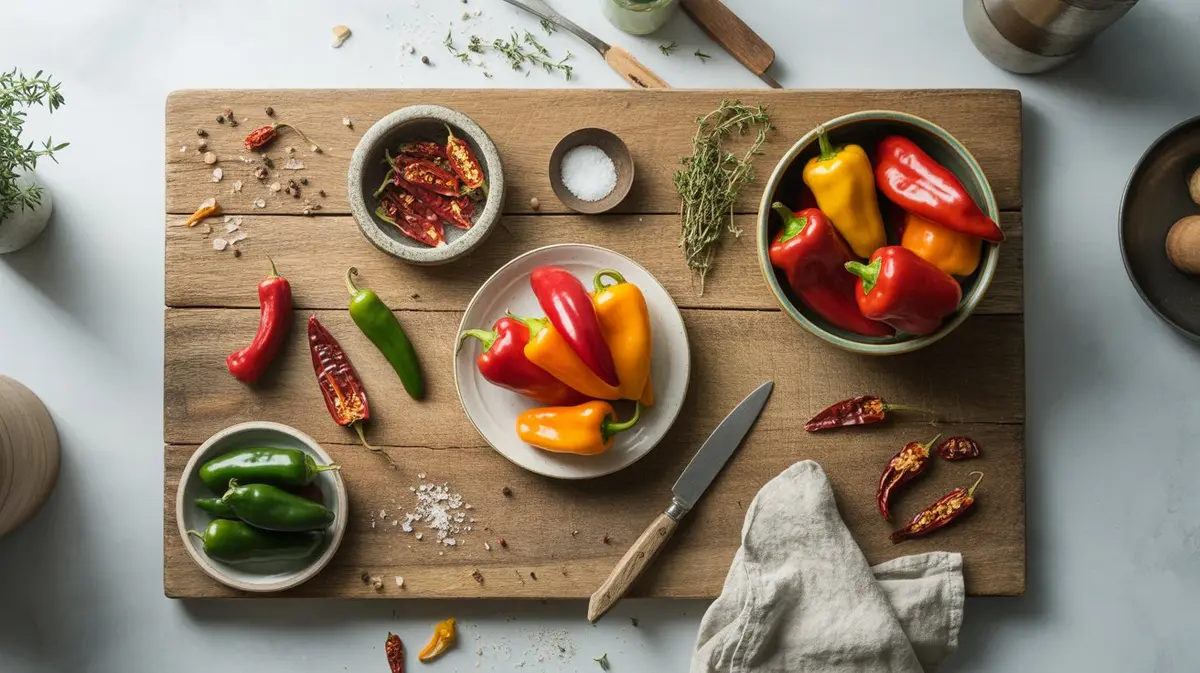
Freezing extends pepper life to 10-12 months with minimal flavor loss. The process differs slightly depending on whether you're working with hot peppers, sweet peppers, or stuffing-style varieties.
For Hot and Thin-Walled Peppers
- Wash and dry peppers completely — any surface water causes freezer burn.
- Remove stems. You can freeze whole, halved, or chopped depending on intended use.
- Spread in a single layer on a parchment-lined baking sheet.
- Freeze for 2-3 hours until solid (this is called flash freezing).
- Transfer to a zip-lock freezer bag, press out air, and seal.
- Label with date and variety — they all look alike frozen.
Flash freezing prevents peppers from clumping into a solid mass, so you can pull out exactly what you need. This works especially well for small hot peppers like the African-origin Peri-Peri, which freezes whole beautifully and drops straight into sauces without thawing.
For Thick-Walled and Sweet Peppers
Bell peppers and poblanos benefit from roasting before freezing. Roasting softens the cell walls that become mushy when frozen raw. Char them over an open flame or under a broiler, steam in a covered bowl for 10 minutes, then peel, seed, and freeze flat in bags.
Alternatively, freeze raw thick-walled peppers diced — they work fine in cooked applications like stir-fries and soups where texture doesn't matter.
What Doesn't Freeze Well
Peppers intended for fresh eating — salads, fresh salsas, crudités — don't survive freezing. The cell structure breaks down, leaving them limp. Freeze only what you'll cook.
Drying Peppers: The Long Game
Dried peppers last 1-4 years when stored properly. This is the traditional preservation method across most pepper-growing cultures, and for good reason: dried peppers concentrate flavor, develop new complexity, and take up almost no space.
There are four main drying methods, each with trade-offs.
Air Drying (String Method)
Thread peppers through their stems with a needle and hang in a warm, dry location with good airflow. This takes 2-4 weeks depending on humidity and pepper size. Works best for thin-skinned varieties — thick-walled peppers can mold before they dry completely.
Small hot peppers like the Chinese 5 Color, known for its compact size and ornamental fruit stages, dry beautifully on a string and look striking hanging in a kitchen.
Oven Drying
Set your oven to 150-170°F (65-77°C) — as low as it goes. Slice peppers in half, lay cut-side down on a rack over a baking sheet, and dry for 6-12 hours. Check every hour or two; thinner peppers finish faster.
The door can be propped open slightly to allow moisture to escape. Fully dried peppers feel leathery and brittle, with no soft spots.
Dehydrator Drying
A food dehydrator is the most consistent method. Set to 125-135°F (52-57°C) and dry for 8-12 hours. Dehydrators allow precise temperature control and good airflow, producing evenly dried peppers with better color retention than oven drying.
For anyone preserving larger quantities from a garden — especially if growing a step-by-step guide on how to bring peppers from seed to harvest — a dehydrator pays for itself quickly.
Smoke Drying
Smoking adds flavor while drying. Jalapeños become chipotles this way. Use fruit woods (apple, cherry) or oak at low temperatures — 200°F (93°C) or below — for several hours. The result is a completely different ingredient: smoky, earthy, and complex.
Storing Dried Peppers and Powders
Dried whole peppers store best in airtight glass jars kept in a cool, dark location. A pantry or cabinet away from the stove works well; heat and light degrade color and flavor over time.
For ground powders, the same rules apply but the timeline shortens. Ground pepper loses potency faster than whole dried because more surface area is exposed to oxygen. Grind only what you'll use within 6 months for best results.
Vacuum sealing dramatically extends shelf life. If you have a vacuum sealer, use it for large batches — properly vacuum-sealed dried peppers can remain flavorful for 3-4 years.
Pickling and Fermenting as Preservation
Pickling and lacto-fermentation are both valid long-term storage options that also transform the flavor profile of peppers.
Lacto-fermentation is more complex but produces incredible depth. Pack peppers into a jar with a 2-3% salt brine (by weight), submerge completely, and let ferment at room temperature for 5-14 days. The result keeps refrigerated for 6+ months.
Fermented hot peppers — especially thin-skinned varieties like the Malagueta, a staple of Brazilian and Portuguese cooking — make outstanding hot sauces when blended after fermentation.
Pepper Oil and Infusions
Infusing peppers in oil is popular but carries a botulism risk if done incorrectly. Clostridium botulinum can thrive in low-oxygen, room-temperature oil environments.
Safe practice: use dried peppers (not fresh) in oil, keep refrigerated, and use within 2 weeks. For longer storage, acidify the peppers first in vinegar before infusing. Never leave fresh pepper oil at room temperature for more than 2 hours.
Recognizing Spoilage
Fresh peppers go bad in predictable ways. Look for soft spots, wrinkled skin, mold growth (white or gray fuzz), or off smells. A slightly wrinkled skin without mold is fine — the pepper is drying out but still usable. Discard anything with visible mold.
For dried peppers, spoilage is less common but watch for off smells, visible mold, or an unusual oily texture that suggests the pepper wasn't fully dried before storage. Dried peppers that smell musty should be discarded.
Frozen peppers can develop freezer burn — white, papery patches — if stored too long or improperly sealed. Freezer-burned peppers are safe to eat but flavor suffers; cut away affected areas before cooking.
Storage by Heat Level: What Changes
Storage method doesn't change much based on heat level, but knowing your pepper's characteristics helps. Peppers in the lower-heat mild category tend to have thicker walls and higher water content, making them better candidates for freezing or roasting before storage. Peppers in the hot tier — including many thin-skinned Asian and African varieties — dry faster and more reliably.
For extreme heat peppers sitting in the extra-hot range above 100,000 SHU, the capsaicin itself acts as a mild preservative, but storage methods are otherwise identical. Understanding why heat triggers that burning sensation doesn't change how you store them — but it might inform how carefully you handle them during processing.
If you want to compare how different peppers stack up on the Scoville unit scale, that context helps when deciding whether to wear gloves during cutting and drying — a real consideration for high-heat varieties.
Quick Reference: Storage Times by Method
- Refrigerator (whole, fresh): 1-2 weeks
- Refrigerator (cut): 3-5 days
- Freezer (properly sealed): 10-12 months
- Air dried (whole): 1-2 years
- Oven/dehydrator dried: 2-4 years (vacuum sealed)
- Ground powder: 6 months to 1 year
- Quick pickled (refrigerated): 1-2 months
- Lacto-fermented (refrigerated): 6+ months
- Pepper oil (refrigerated, dried peppers): 2 weeks
Practical Tips Worth Keeping
Label everything. Frozen peppers look identical after a few weeks and dried powders are nearly indistinguishable by eye. A piece of tape and a marker takes 5 seconds and saves real frustration.
Store in small batches. A 32-oz jar of dried powder opened repeatedly degrades faster than four 8-oz jars opened one at a time. Smaller containers preserve quality longer once opened.
Consider your end use before choosing a method. Peppers destined for hot sauce do well frozen or fermented. Peppers for soups and stews can be frozen raw and diced. Peppers for grinding need to be fully dried. Match the method to the meal.
For growers who followed a step-by-step walkthrough to grow their own crop, the storage question becomes urgent at harvest time — and having a plan before peppers come off the plant makes the whole process less chaotic. Grow what you can store; store what you grew.
Frequently Asked Questions
-
Yes, most hot and thin-walled peppers freeze well without blanching. Thick-walled varieties like bells benefit from roasting first, since their cell structure breaks down during freezing and roasting compensates by softening them beforehand.
-
Fully dried peppers feel leathery and brittle with no soft or pliable spots. If you can bend a pepper without it snapping, it needs more drying time — residual moisture causes mold in storage.
-
Excess moisture is almost always the cause. Washing before storage, sealed plastic bags, or proximity to high-ethylene fruits like bananas all accelerate softening. Store unwashed in paper-lined bags in the crisper for best results.
-
No — fresh peppers in room-temperature oil create conditions where Clostridium botulinum can grow. Use only dried peppers in oil, keep it refrigerated, and use within two weeks to stay safe.
-
Freezing does not significantly reduce capsaicin levels. The heat remains largely intact after thawing, though texture changes mean frozen peppers work better in cooked applications than fresh ones.
