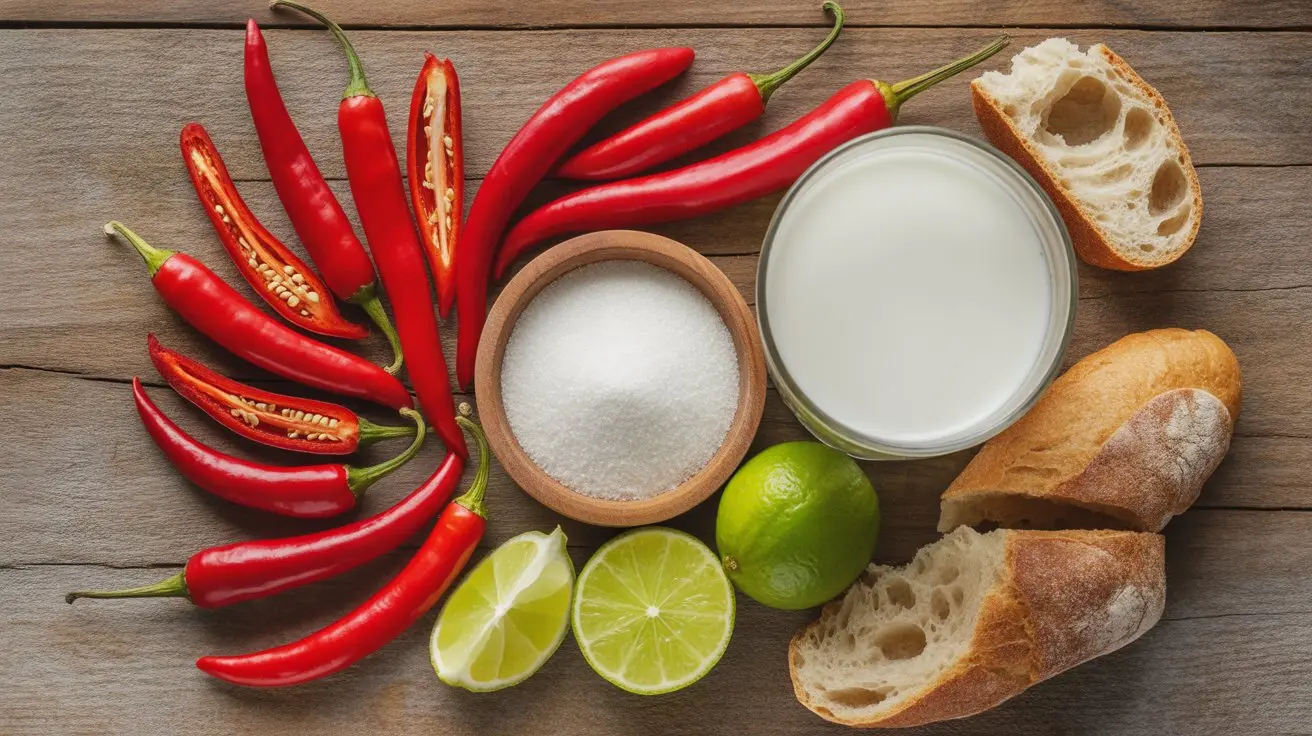
How to Reduce Spice in Food
Added too much pepper? These 7 methods actually reduce spice in soups, salsas, curries, and sauces. Includes what doesn't work. Learn the complete process.

Why Your Dish Is Too Hot (And What You Can Actually Fix)
Capsaicin - the compound responsible for heat in peppers - binds to TRPV1 receptors in your mouth and throat, triggering a pain response your brain interprets as burning. Understanding why peppers burn at the receptor level matters here, because it tells you exactly which rescue strategies will work and which ones are folklore.
The good news: most over-spiced dishes are recoverable. The approach depends on what you're cooking.
Method 1 - Dairy Is Your First Line of Defense
Capsaicin is fat-soluble, not water-soluble. This is the most important thing to understand when your curry is scorching. Adding water, beer, or broth does almost nothing to reduce perceived heat - it just moves capsaicin around.
Fat-rich dairy products actually bind to capsaicin molecules and carry them away from receptors. Full-fat options work best: heavy cream, sour cream, whole-milk yogurt, or coconut cream for dairy-free cooking.
Stir a generous spoonful of sour cream into chili or a splash of heavy cream into curry. Add it gradually - a tablespoon at a time - and taste between additions. Coconut cream works especially well in Thai and Caribbean dishes where the flavor profile already points that direction.
Cheese can also help. Grating aged cheddar or Parmesan over a spicy pasta or soup adds fat that coats the palate and reduces the burn's intensity.
Method 2 - Dilution (The Most Reliable Method)
When heat is genuinely out of control, diluting the dish is the most reliable fix. Double the recipe volume by adding more of every non-spicy ingredient - more tomatoes, more beans, more broth, more vegetables.
This works because capsaicin concentration drops proportionally. If you added twice the intended amount of hot-range pepper, doubling the base brings you back to the original ratio.
The downside is obvious: you end up with twice as much food. But for soups, stews, and sauces, this is often the cleanest solution. Freeze the extra portion rather than trying to eat through an uncomfortable batch.
For dishes where dilution isn't practical - a small salsa or a plated entree - move to one of the other methods below.
Method 3 - Acid Balances Perceived Heat
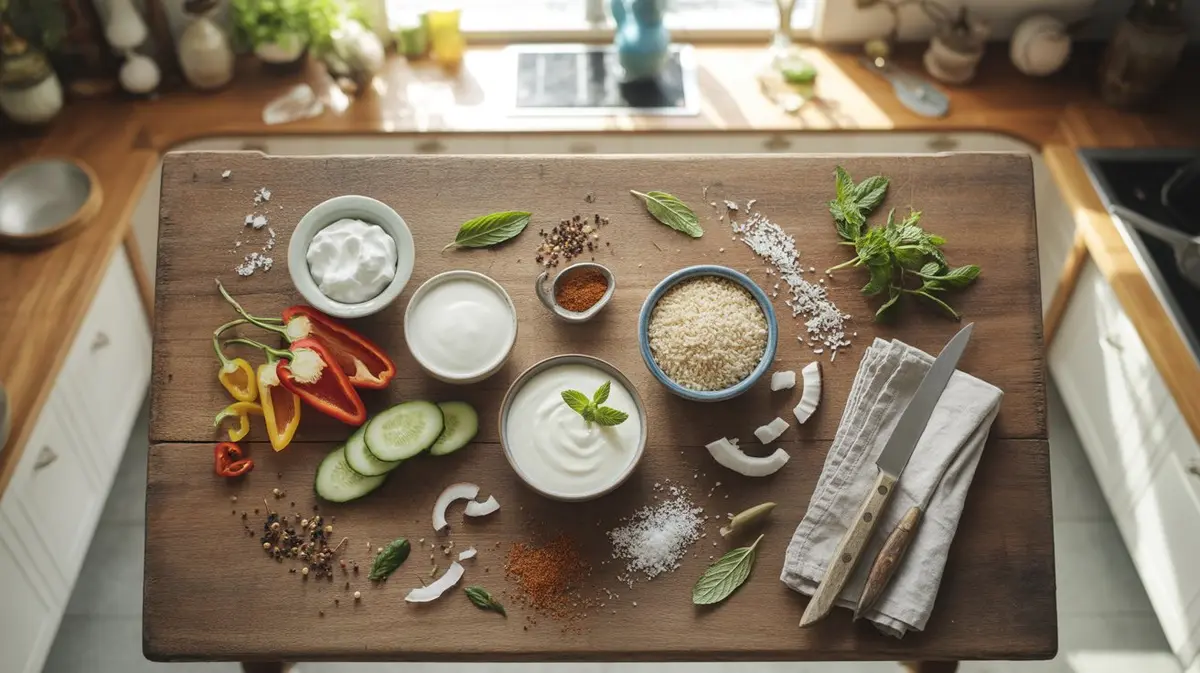
Acid doesn't neutralize capsaicin chemically, but it does something almost as useful: it shifts flavor perception in a way that makes heat feel less dominant. A squeeze of lime or a splash of vinegar can make a dish that felt punishing suddenly feel balanced.
This works best in dishes that can absorb brightness naturally - tacos, salsas, Thai noodles, ceviche. Add acid slowly and taste as you go. A teaspoon of apple cider vinegar in a pot of chili can make a meaningful difference without making the dish taste pickled.
Citrus works differently than vinegar. Lime juice adds brightness and a slight sweetness alongside acidity. Lemon juice is sharper. Both are useful. Tomatoes are another source of acid - adding crushed tomatoes to an over-spiced sauce pulls double duty, diluting the dish while adding acidity.
Method 4 - Sugar and Sweetness
Sweetness and heat are natural counterbalances. This is why many hot sauces and curries include sugar, honey, or fruit - the sweetness rounds off the sharp edge of capsaicin's burn.
Add sugar carefully. A half teaspoon at a time in a pot of soup is enough to notice a difference without making the dish taste like dessert. Honey works well in barbecue sauces and glazes. Coconut sugar blends cleanly into curry without adding a distinct flavor note.
Fruit purees - mango, pineapple, peach - are particularly effective because they add both sweetness and body. A spoonful of mango chutney stirred into an over-spiced curry can rescue the whole pot.
Be aware that sugar won't work well in savory dishes where sweetness would be out of place. A spicy beef stew doesn't benefit from honey the way a Thai curry does.
Method 5 - Starchy Ingredients Absorb and Dilute
Starch doesn't neutralize capsaicin, but it absorbs some of it and adds bulk that reduces concentration. Adding potatoes, rice, bread, or pasta to an over-spiced dish serves a dual function: it soaks up some of the heat and fills the dish out so each bite contains less capsaicin.
Peeled, diced potatoes added to a spicy soup or stew will absorb flavor as they cook - including some of the capsaicin load. Remove them after cooking if you don't want them in the final dish, or leave them in if they fit.
Serving spicy food over rice or with bread on the side achieves a similar effect at the table. The starch in each bite dilutes the capsaicin hit. This is why Indian pepper-heavy dishes are traditionally served with rice, raita, and naan simultaneously - the combination manages heat at the eating stage.
Method 6 - Nut Butters and Tahini
This one surprises people, but it works. Nut butters are high in fat and add body - both properties that help with over-spiced dishes. A spoonful of peanut butter, almond butter, or tahini stirred into a curry, stew, or noodle sauce can noticeably reduce perceived heat while adding richness.
Peanut butter is already a standard ingredient in many Thai and West African dishes, so it integrates naturally there. Tahini works well in Middle Eastern dishes. Cashew butter blends into curry without adding a strong flavor note of its own.
Start with a tablespoon and stir thoroughly before adding more. The fat content is what's doing the work, so any high-fat nut or seed paste will help.
Method 7 - Serve With High-Fat Accompaniments
Sometimes the dish itself is too far gone to rescue at the pot level. In that case, the strategy shifts to managing heat at the plate. Serving with high-fat accompaniments - avocado, sour cream, full-fat yogurt, or cheese - lets each person control their own heat experience.
Avocado is particularly effective. Its high fat content coats the mouth and binds capsaicin. A generous scoop of guacamole alongside a spicy dish dramatically changes the eating experience without altering the dish itself.
This approach works especially well when you're feeding a group with different heat tolerances. Keep the dish as-is and let people add their own cooling elements.
What Doesn't Work (Common Myths)
Water is the most common mistake. Capsaicin is hydrophobic - it actively repels water. Drinking water when your mouth is burning just spreads the capsaicin around. The same logic applies to adding water or broth to an over-spiced dish: it doesn't reduce heat, it just thins the dish.
Beer and wine have the same problem. Their alcohol content is too low to dissolve meaningful amounts of capsaicin, and the water content makes things worse. High-proof spirits can technically dissolve some capsaicin, but you'd need enough alcohol to ruin the dish.
Removing the dish from heat doesn't help either. Capsaicin is heat-stable - it doesn't break down when you stop cooking. The compounds that cause burning are just as active in a cold dish as a hot one. This is why a cold leftover curry from the fridge hits just as hard the next day.
Choosing the Right Pepper Next Time
Prevention beats rescue every time. Understanding how peppers are rated for heat intensity before you cook with them is the most practical way to avoid over-spicing a dish.
The mild end of the heat spectrum includes options like the sweet, thin-walled Italian frying pepper and the thick-walled, sweet lipstick pimento - both zero-heat options that add pepper flavor without any burn. The habanero-shaped but completely heatless habanada gives you the tropical aroma of a habanero with none of the capsaicin.
On the opposite end, peppers like the Trinidad Moruga Scorpion's extreme fruity heat, the deep chocolatey burn of the 7-Pot Douglah, and the elongated, scorching 7-Pot Primo all sit in super-hot territory above 1 million SHU. These are not cooking peppers for everyday use - they require serious dilution even in small quantities.
The extra-hot range is where most cooking accidents happen. Peppers in this tier can be 10-15 times hotter than a guajillo, and cooks who are accustomed to guajillo heat get blindsided by the jump. Knowing the tier before you cook prevents the problem entirely.
Dish-Specific Strategies
Soups and stews: Dilution and dairy are both practical here. Add more broth and base ingredients, or stir in cream or coconut milk. Potatoes added mid-cook will absorb some heat as they soften.
Curries: Coconut cream or full-fat yogurt are the standard rescue. Stir in slowly over low heat. Adding more base (onion, tomato, cooked lentils) dilutes while maintaining the dish's character.
Dry rubs and marinades: These are harder to fix after the fact. If a rub is too spicy before it hits the meat, add more of the non-spicy components - brown sugar, smoked paprika, garlic powder - to bring the ratio down. Once cooked, serve with a cooling sauce like yogurt-based tzatziki or sour cream.
Stir-fries: Add more vegetables and a splash of rice vinegar or a spoonful of peanut butter. Serve over extra rice. The starch in the rice handles a lot of the work at the table.
Managing Heat at the Table
Even when the dish is properly calibrated, different people have different capsaicin tolerance. Some of this is genetic - the receptor science behind individual heat sensitivity explains why the same dish can feel mild to one person and brutal to another.
Setting up a table with cooling accompaniments lets guests manage their own experience. Sour cream, sliced avocado, plain yogurt, and extra rice or bread give everyone the tools to bring the heat to their own comfortable level.
For guests who are new to spicy food, suggest eating a small amount of fat before the meal - a piece of cheese or a few bites of bread with butter - which coats the mouth and blunts the initial capsaicin impact.
The Underlying Logic
Every method here works through one of three mechanisms: binding capsaicin (fat-based methods), reducing concentration (dilution and starch), or shifting flavor perception (acid and sweetness). Knowing which mechanism applies to which method lets you choose the right fix for the specific dish you're working with.
Water-based fixes fail because they ignore the chemistry. Fat-based fixes work because they address it directly. When in doubt, reach for dairy or coconut cream first - they're the most reliable tools in the kit and work across the widest range of dishes.
Frequently Asked Questions
-
No - capsaicin is fat-soluble, not water-soluble, so water doesn't bind or remove it. Adding water just thins the dish without reducing the capsaicin concentration meaningfully.
-
Stirring in full-fat dairy - heavy cream, sour cream, or coconut cream - is the fastest effective fix. Fat molecules bind directly to capsaicin and reduce the burn within a few stirs.
-
No - capsaicin is heat-stable and doesn't break down during cooking. Longer cooking time won't reduce heat; it may actually concentrate it if liquid evaporates from the pot.
-
Starch in bread physically absorbs some capsaicin from the mouth's surface, providing temporary relief. Fat in butter or oil spread on the bread adds an additional binding effect.
-
Sugar shifts flavor perception rather than chemically neutralizing capsaicin. The sweetness competes with heat signals, making the burn feel less dominant - it's a perceptual balance, not a chemical one.