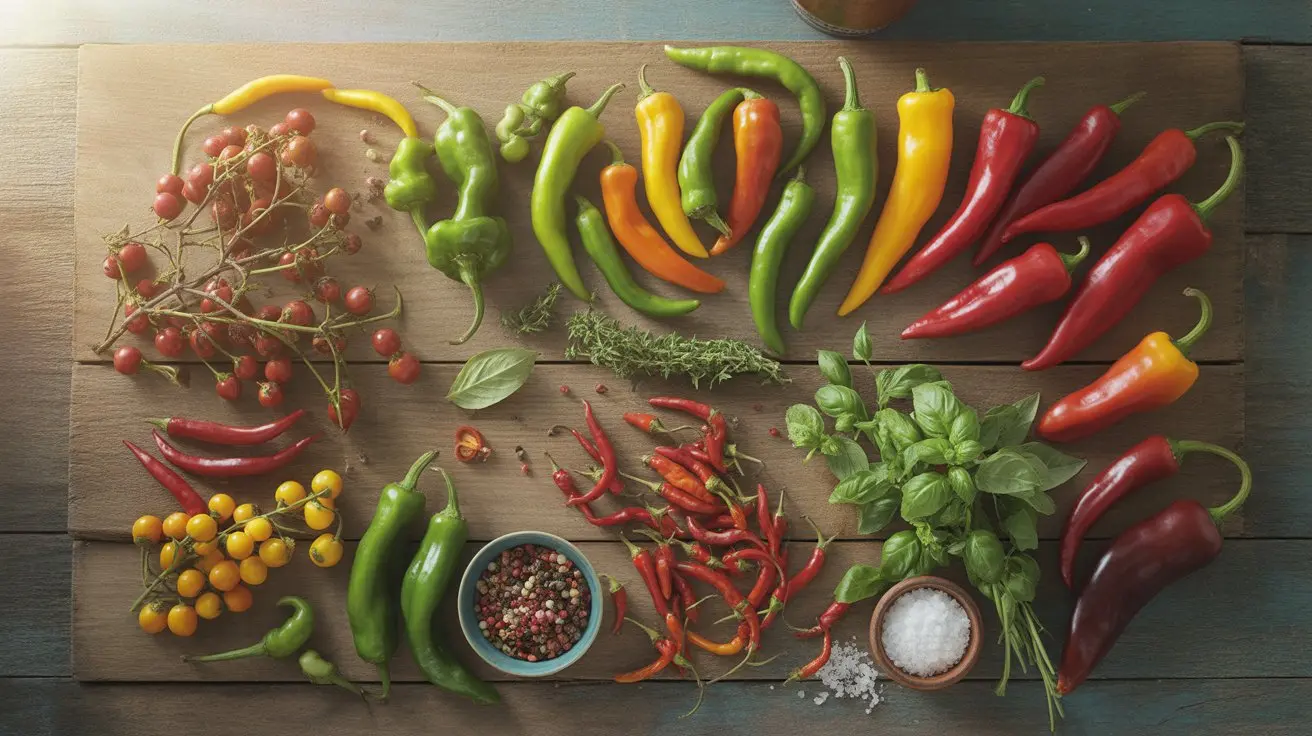
What Are Chipotles in Adobo and How Do You Use Them?
Chipotles in adobo are smoked ripe jalapeños packed in a tomato and vinegar sauce. Treat the whole pepper, surrounding sauce, and blended purée as different units so you can control smoke, heat, texture, and seasoning.
Chipotles in adobo are smoked ripe jalapeño peppers packed in a seasoned tomato and vinegar sauce. The whole peppers bring concentrated smoke, chile flesh, and heat, while the sauce adds smoother acidity, sweetness, salt, and aromatics.
A recipe that calls for one chipotle means one pepper from the can, not one can. When it asks for adobo sauce, measure the liquid around the peppers, and when it asks for purée, blend peppers and sauce together before measuring.
What are chipotles in adobo?
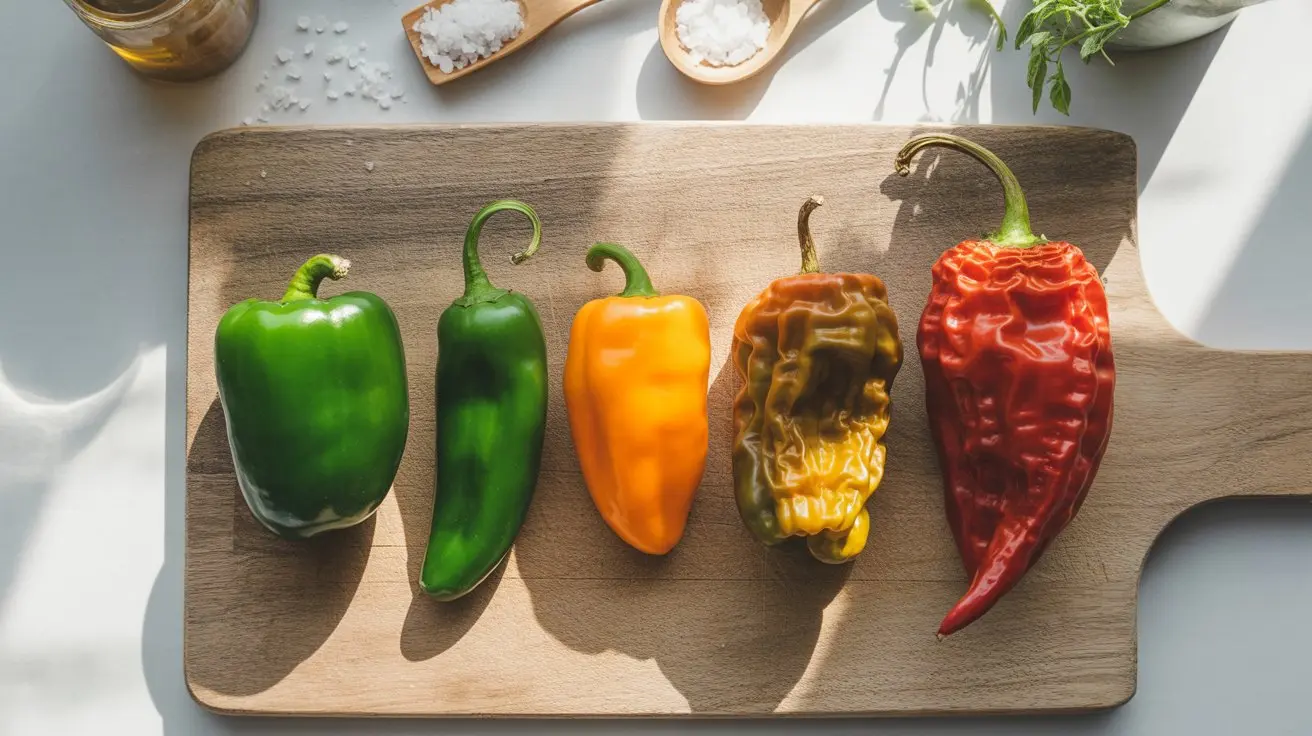
A chipotle starts as a jalapeño that ripens, is harvested, and is smoke-dried. USDA material describing chipotle production identifies jalapeños as the raw pepper, so chipotle names a processed form rather than a separate pepper species.
Smoking removes moisture and changes the fresh green character into deeper wood, dried-fruit, and tobacco-like notes. The leathery pepper softens again when it cooks in adobo, but its wrinkled skin and dense flesh remain visible in the can.
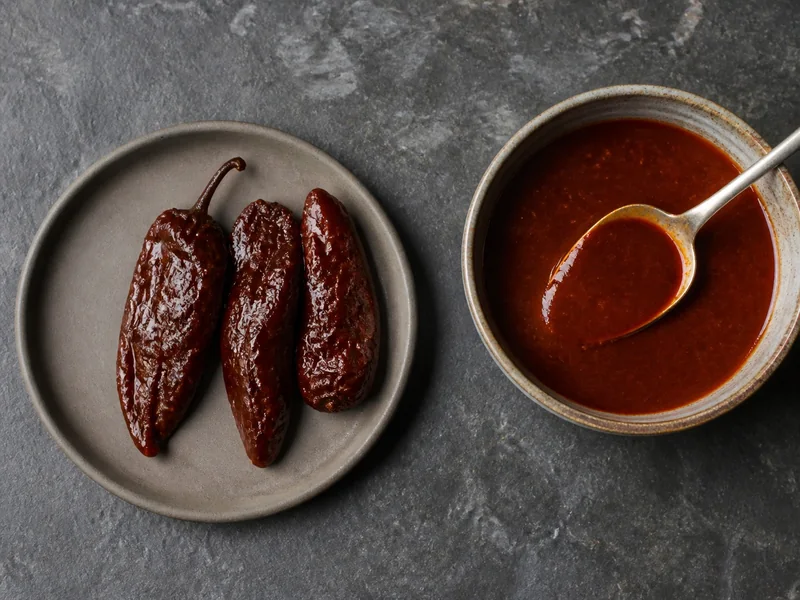
The package should contain whole dark red-brown peppers, a thick red-brown sauce, and a label that names chipotle peppers in adobo. A bottle of dry adobo seasoning is a different product and cannot be measured the same way.
The packing sauce is a prepared seasoning, not plain chile liquid. One current Goya label lists tomato puree, onion, vinegar, sweetener, oil, salt, garlic, and spices around the chipotles.
Formulas vary by brand, so sweetness, salt, thickness, and heat can change even when the can size looks identical. Read the ingredient list when allergies, added sugar, sodium, or a particular cooking result matters.
- Whole pepper has folded, wrinkled flesh and carries the most concentrated smoky chile flavor.
- Adobo sauce flows around the peppers and carries tomato, vinegar, aromatics, salt, and some chile heat.
- Blended purée combines both parts into an even paste that is easier to measure repeatedly.
Most cans sold for home cooking are small because the ingredient is concentrated. That size does not imply that the entire can belongs in every recipe.
How do the pepper and adobo sauce work differently?
Choose the whole pepper when smoke and chile body matter most. Choose the sauce when a dish needs background tang and color with less pepper flesh, then use both when you want the full canned flavor.
| Part of the can | Strongest contribution | Texture | Best starting uses | Adjustment to expect |
|---|---|---|---|---|
| One whole pepper | Smoke, chile flavor, and concentrated heat | Soft but fibrous | Beans, chili, braises, taco fillings | Blend or mince, then retest heat after simmering |
| One spoonful of sauce | Tomato, vinegar, aromatics, salt, and mild smoke | Smooth to lightly textured | Dressings, mayonnaise, pan sauces, dips | Check salt and acid before adding either |
| Blended pepper and sauce | Even smoke, heat, body, and tang | Thick purée | Marinades, barbecue sauce, soup bases | Measure in small increments because every spoon contains chile flesh |
Removing the seeds from a canned pepper does not reliably turn it mild. Much of a pepper's capsaicin sits in the pale internal tissue, and the surrounding sauce has already been in contact with the chile.
For a smooth dip, press the sauce through a small strainer or blend the whole can before portioning. For beans or shredded meat, finely mince one pepper so small smoky pieces remain in the finished food.
Add the measured pepper or sauce before the final salt, sugar, or vinegar correction. The adobo already supplies all three, and correcting too early can make the finished dish harsh or overly salty.
How much chipotle in adobo should you add?
Start with a defined unit and a defined batch size. One whole pepper is not equivalent to one teaspoon of sauce, and one tablespoon of blended purée contains more chile flesh than one tablespoon of strained sauce.
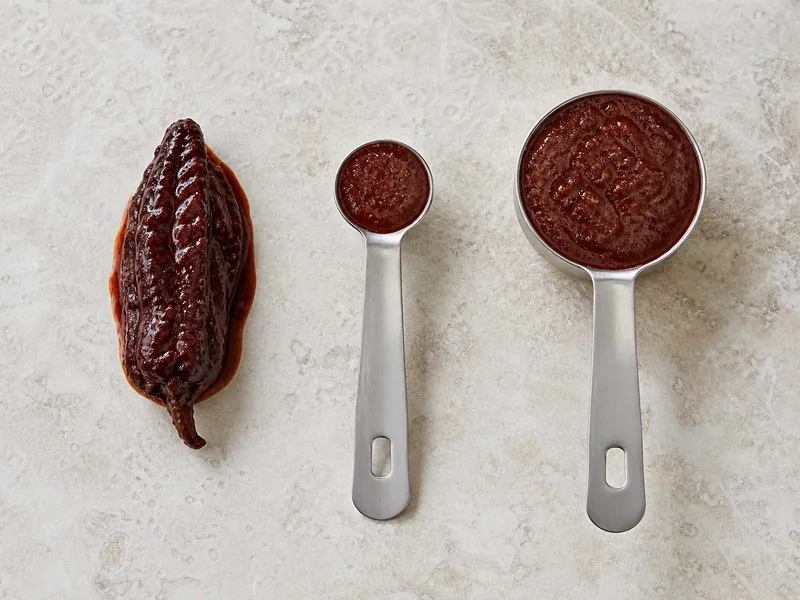
Blend the full can only when repeated measurements are more useful than keeping the peppers whole. Scrape the purée into a measuring cup so the amount used and the amount stored remain clear.
| Dish | Batch size | Cautious starting point | When to taste again |
|---|---|---|---|
| Mayonnaise or yogurt sauce | 1 cup | 1 teaspoon adobo sauce | After 5 minutes, once the chile disperses |
| Tomato salsa | 2 cups | 1 teaspoon blended purée | After the salt and lime are mixed |
| Cooked beans | 3 cups | Half a minced pepper plus 1 teaspoon sauce | After 10 minutes of simmering |
| Soup or chili | 6 cups | 1 minced pepper | After the pepper cooks through the broth |
| Marinade | 1 cup | 1 tablespoon blended purée | Before it touches raw food |
These amounts are starting points, not heat guarantees. Jalapeños vary naturally, and smoking, brand formula, pepper count, and sauce concentration create further differences.
Wait for the ingredient to disperse before adding more. Fat and cold temperatures can mute the first taste, while a simmer can spread smoke and heat through the entire pot.
Add more unsalted beans, tomato, broth, dairy, or the main ingredient that already defines the dish. Sugar alone can make the food sweeter without removing smoke, and extra acid can sharpen an already strong adobo note.
Where do chipotles in adobo work best?
Chipotles in adobo work best where smoke can attach to a substantial base. Tomato, beans, meat, mushrooms, corn, squash, nuts, cheese, yogurt, and avocado give the ingredient enough body to remain integrated.
Thin delicate broths and lightly dressed vegetables need a smaller dose because there is less fat or starch to soften the chile. In those dishes, begin with sauce rather than a whole pepper.
Mince a pepper into the aromatic base, then simmer it with the liquid. Long cooking spreads smoke through a large volume.
Blend pepper and sauce with oil and an acid. Reserve a clean portion before raw meat enters the mixture.
Whisk a small amount of adobo into mayonnaise, yogurt, crema, or cheese sauce. The fat softens the initial burn but does not remove capsaicin.
Cook minced pepper with onion or garlic for about 30 seconds before adding wet ingredients when a deeper integrated flavor is wanted. Keep the heat moderate because the tomato and sweetener in the coating can stick to a dry hot pan.
For a brighter finishing sauce, stir a small measured amount into the cooked base off heat. This preserves sharper vinegar and smoke, so the final addition should be smaller than an early simmered dose.
- Choose the partUse sauce for background seasoning, pepper for concentrated flavor, or purée for even distribution.
- Add below the final doseLeave room for natural and brand variation.
- Give it timeStir, simmer, or rest long enough for the chile to reach the whole batch.
- Taste with the final foodA spoonful of sauce can seem hotter than the same amount on a taco, bean, or piece of meat.
- Correct salt and acid lastThe packing sauce has already changed both.
Set aside a clean portion before marinating raw meat, seafood, or poultry. Do not return a used brush or spoon to the reserved sauce.
What can replace chipotles in adobo?
The closest pantry replacement rebuilds four parts. You need smoke, chile heat, tomato body, and vinegar rather than a single ingredient that merely tastes hot.
| Replacement for 1 tablespoon blended chipotle in adobo | Mix | What it preserves | What to adjust |
|---|---|---|---|
| Dry chipotle powder | 1/4 teaspoon chipotle powder, 2 teaspoons tomato paste, 1 teaspoon water, and 1/4 teaspoon cider vinegar | True chipotle smoke plus wet tomato and acid | Add more powder in small pinches only after tasting |
| Smoked paprika and cayenne | 1/2 teaspoon smoked paprika, a pinch of cayenne, 2 teaspoons tomato paste, 1 teaspoon water, and 1/4 teaspoon vinegar | Smoke, color, body, acid, and separate heat control | The smoke will be sweeter and less chile-like |
| Ancho and smoked paprika | 1/2 teaspoon ancho powder, 1/4 teaspoon smoked paprika, 2 teaspoons tomato paste, and 1/4 teaspoon vinegar | Dried-fruit depth, mild smoke, body, and acid | Add cayenne only when more heat is needed |
| Plain hot sauce | Not a complete replacement | Heat and possibly vinegar | Add tomato and a smoky chile separately |
Dry chipotle powder is the best match when it smells fresh and distinctly smoky. It is concentrated and lacks the moisture, salt, aromatics, and tomato of the canned product, so a spoon-for-spoon swap will be too dry and often too hot.
Smoked paprika plus cayenne provides more control when chipotle is unavailable. Paprika establishes smoke and color, while cayenne can raise heat without adding another large dose of smoke.
Ancho is useful when dried-fruit depth matters more than sharp heat. It is not smoked, which is why the replacement includes a small amount of smoked paprika.
It can supply smoke but no chile flesh, tomato, vinegar, or balanced heat. Use it only in a recipe already designed around that concentrated product.
How should you store the rest of the can?
Move unused peppers and sauce into a clean covered glass or food-safe plastic container after opening. A small container limits air space and keeps the strongly scented sauce from contacting other food.
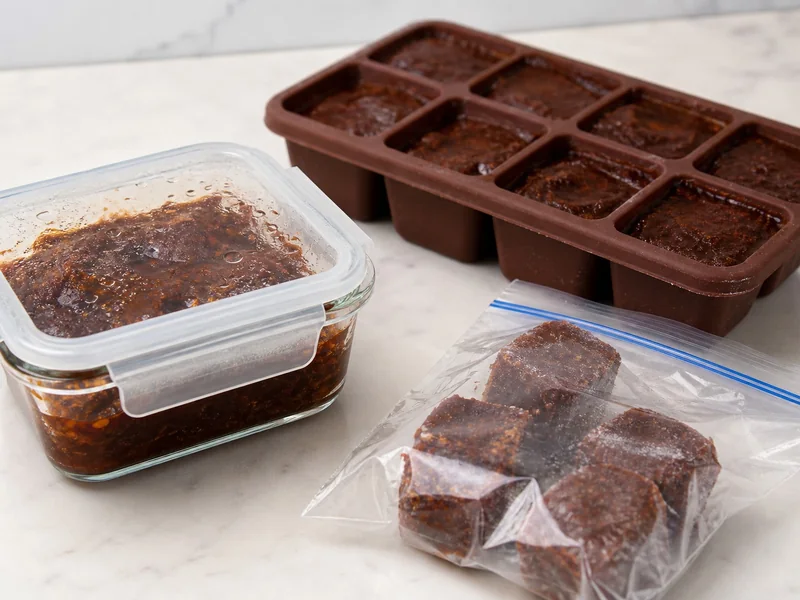
Keep the refrigerator at 40°F or below and follow the storage time printed on the product label. Write the opening date on the container, then freeze portions you will not use soon so the decision does not depend on memory.
- Reserve the next few daysRefrigerate only the amount you expect to use within the safe label or USDA window.
- Blend for repeatable portionsPurée peppers and sauce when future recipes are more likely to use spoon measures.
- Freeze small unitsFill a clean teaspoon or tablespoon tray, freeze solid, then move the portions to a sealed freezer bag.
- Thaw only what you needMove a portion to the refrigerator or add it directly to a simmering dish when the container and recipe allow.
- Expect a texture changeThawed sauce may separate slightly, but stirring restores it for cooked dishes.
Freezing small portions protects the rest from repeated warming and thawing. The date and portion size on the freezer bag also prevent guessing later.
Do not use a leaking, bulging, badly dented, or spurting can. Discard stored chipotles that develop mold, an unexpected fermented odor, or gas, and never taste suspect food to decide whether it is safe.
Canned chipotles in adobo are shelf stable only while the commercial package remains sealed and sound. An opened can, homemade mixture, or thawed portion belongs in cold storage rather than the pantry.