
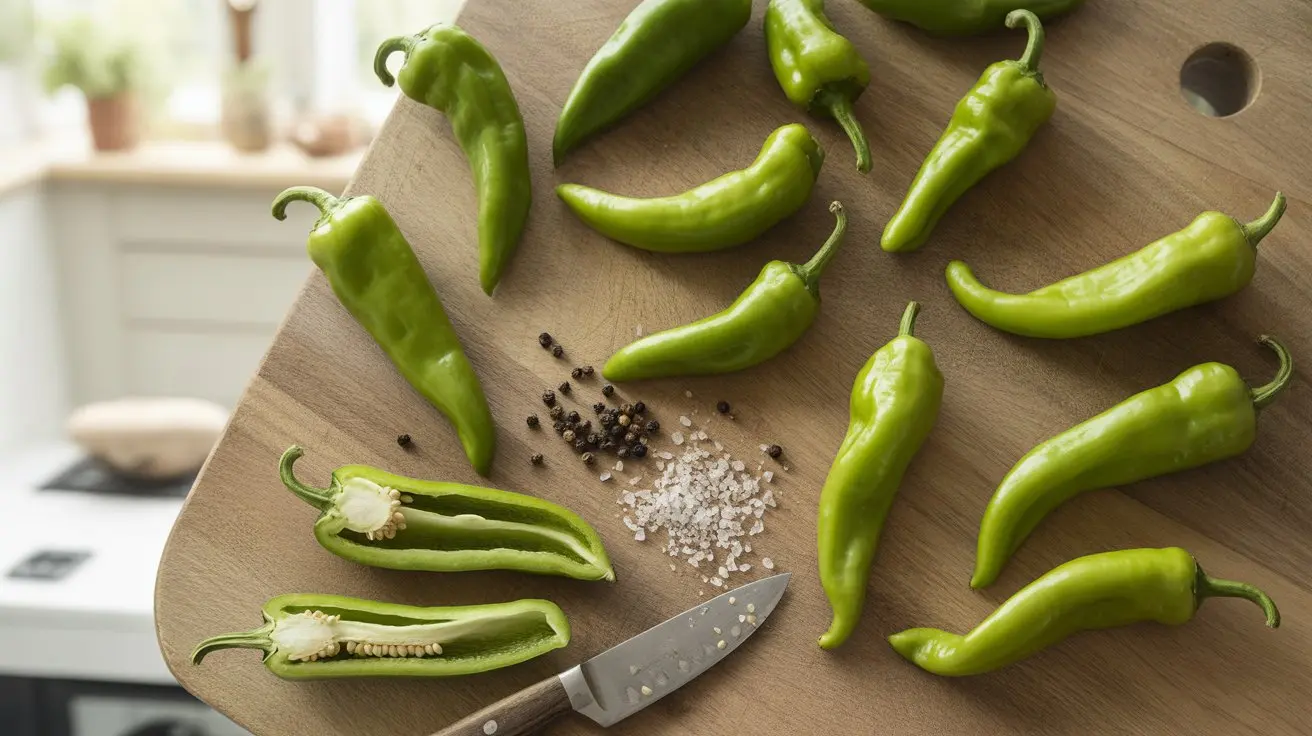
Sport Pepper

The sport pepper is a small, sharp-tasting Capsicum annuum from Mexico, registering 10,000–23,000 SHU — roughly five times hotter than a jalapeño and about twice the kick of a tabasco. Its thin walls and snappy bite made it a Chicago hot dog staple. Brined sport peppers deliver a vinegary punch that cuts through rich, fatty foods without overwhelming the palate.
- Species: Capsicum annuum
- Heat tier: Hot (10K–100K SHU)
- Comparison: 5x hotter than a jalapeño
What is Sport Pepper?
First time I bit into a sport pepper was at a Chicago-style hot dog stand, expecting something mild and pickled. The sharp, vinegary heat caught me off guard — not brutal, but insistent, building steadily with a clean finish.
At 10,000–23,000 SHU, sport peppers sit firmly in the hot pepper intensity band alongside better-known varieties, though their flavor profile sets them apart. The heat is direct and dry, lacking the fruity sweetness you get from habaneros or the slow smolder of a dried chili.
These peppers are small — typically 1 to 1.5 inches long — with thin, pale-green to yellow skin when pickled commercially. Fresh off the plant, they ripen from green through yellow to red. The thin walls make them ideal for brining, allowing vinegar and salt to penetrate quickly and evenly.
Compared to the tabasco's sharp liquid fire, sport peppers are slightly milder but carry more textural presence since you eat them whole rather than as a sauce. Their heat sits closer to a serrano's clean, grassy intensity than to anything smoky or complex.
The Capsicum annuum species covers an enormous range of peppers, from sweet bells to fiery cayennes. Sport peppers occupy a specific niche within that range — modest in size, significant in bite, and almost exclusively consumed pickled in American kitchens.
History & Origin of Sport Pepper
Sport peppers trace their roots to Mexico, where small, thin-walled Capsicum annuum varieties have been cultivated for centuries. The exact lineage connecting Mexican field peppers to the American pickle jar isn't precisely documented, but the pepper's migration northward followed patterns common to Mexican culinary influence on the American South and Midwest.
Chicago's street food culture cemented the sport pepper's identity in the United States. The [Chicago-style hot dog](https://en.wikipedia.org/wiki/Chicago-style_hot_dog) — a strict assemblage of specific toppings — made brined sport peppers a regional institution. No other pepper substitutes in an authentic build.
Commercially, sport peppers became synonymous with pickled pepper production in the mid-20th century. Their thin walls, consistent size, and reliable heat made them a processor's ideal. Today they're grown primarily for the pickling industry, with fresh market availability remaining limited outside specialty growers.
How Hot is Sport Pepper? Heat Level & Flavor
The Sport Pepper delivers 10K–23K Scoville Heat Units, placing it in the Hot tier (10K–100K SHU). That makes it roughly 5x hotter than a jalapeño.
Flavor notes: spicy and sharp.
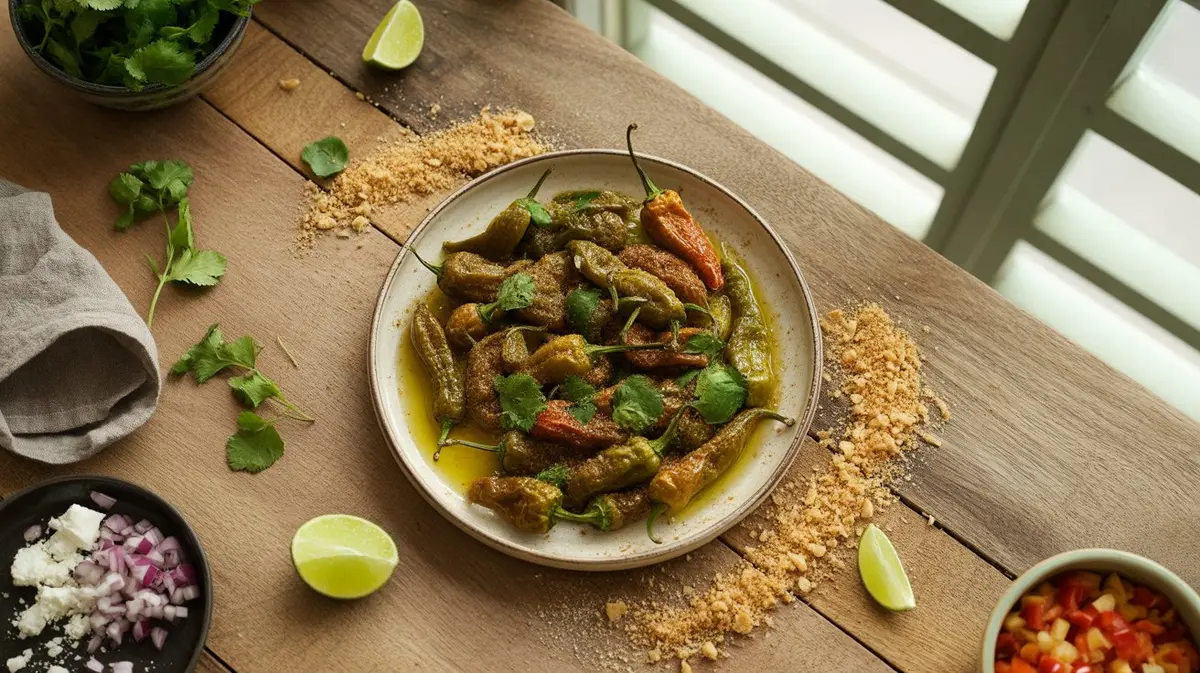
Sport Pepper Nutrition Facts & Health Benefits
Sport peppers share the nutritional profile typical of small Capsicum annuum varieties. Fresh peppers are low in calories — roughly 20 calories per 100g — and provide meaningful amounts of vitamin C, which degrades somewhat during pickling but remains present.
The capsaicin responsible for their 10,000–23,000 SHU heat has been studied for anti-inflammatory properties, though pickled peppers deliver lower capsaicin concentrations than fresh. Pickled sport peppers also contribute sodium from the brine, which matters for anyone monitoring salt intake.
Fiber, potassium, and small amounts of vitamins A and B6 round out the profile. As a condiment-quantity food, sport peppers aren't a nutritional powerhouse, but they're a zero-fat, low-calorie way to add heat.
Best Ways to Cook with Sport Peppers
Pickled sport peppers are the default format, and for good reason — the brine mellows the sharpest edges of their heat while amplifying the vinegary sharpness that makes them addictive on sandwiches and hot dogs.
Beyond the hot dog bun, sport peppers work anywhere you'd reach for pepperoncini but want noticeably more heat. Layer them into Italian beef sandwiches, chop them into relishes, or drop a few into a jar of homemade giardiniera. The thin walls mean they break down quickly in brines and don't add bulk where you don't want it.
Fresh sport peppers, when you can find them, behave like a smaller, hotter de arbol's dry, penetrating heat in terms of their sharp bite. They can be sliced into salsas or quick-pickled at home with white vinegar, salt, and a pinch of sugar — ready in 24 hours.
For heat comparison: sport peppers run about twice as hot as a tabasco sauce pepper at peak SHU. That's enough to register clearly on sandwiches and grain bowls without shutting down flavor perception. Pair them with fatty proteins — pork, beef, fried chicken — where their acidity and heat cut through richness effectively.
If you're curious about the citrusy sharpness of the lemon drop pepper, that's a useful contrast — similar heat ceiling but very different flavor direction.
Where to Buy Sport Pepper & How to Store
Pickled sport peppers are the easiest form to find — check the condiment aisle near pepperoncini and giardiniera. Mezzetta and Vienna Beef both produce widely distributed versions. Fresh sport peppers appear occasionally at farmers markets and specialty grocers in late summer.
Unopened jars keep at room temperature until the best-by date. Once opened, refrigerate and use within 2–3 months for best flavor. Fresh peppers store in the refrigerator for up to 1–2 weeks in a paper bag or loosely wrapped.
For home pickling, fresh sport peppers can be processed using a simple white vinegar brine — check guidance on how to ripen green peppers if you're harvesting before full color development.
Best Sport Pepper Substitutes & Alternatives
Whether you ran out of sport pepper or just want to try something different, these peppers make solid stand-ins. We picked them based on heat range, flavor overlap, and how well they actually work in the same dishes.
Our top pick: Serrano Pepper (10K–23K SHU). The heat level is close enough for a direct swap in salsas, sauces, and stir-fries. Flavor leans bright and crisp, so the taste will shift a bit — but the overall heat stays in the same range.
How to Grow Sport Peppers
Sport peppers are straightforward to grow once you clear the germination hurdle. Start seeds indoors 8–10 weeks before last frost, maintaining soil temperature around 80–85°F for reliable germination. Cooler soil slows germination significantly.
Transplant outdoors after nighttime temperatures stay consistently above 55°F. These plants prefer full sun and well-draining soil with moderate fertility — too much nitrogen pushes leafy growth at the expense of fruit production.
Plant spacing of 18 inches gives adequate airflow, which matters for disease prevention on thin-walled varieties that can be prone to fungal issues in humid climates. Water consistently but avoid waterlogging; sport peppers tolerate brief dry spells better than soggy roots.
Fruits are ready to harvest at the yellow-green stage if you're pickling, or left to ripen fully red for maximum heat and sweetness. Expect 60–80 days from transplant to first harvest. Regular picking encourages continued fruit production through the season.
For anyone new to growing small hot peppers, the step-by-step guidance on starting peppers from scratch covers soil prep and hardening off in detail. If you're also experimenting with sweet varieties, the practical walkthrough for growing bell peppers applies many of the same spacing and watering principles.
Frequently Asked Questions
-
Sport peppers register 10,000–23,000 SHU while pepperoncini typically fall between 100–500 SHU — a dramatic difference in heat. The flavor profile also differs: sport peppers are sharper and more direct, while pepperoncini are sweeter and milder.
-
Pickled serrano peppers or small pickled cayennes come closest in heat and texture. The manzano's thick-walled fruity bite won't replicate the thin-walled snap, but it delivers comparable heat if you're working fresh.
-
Commercially, yes — nearly all sport peppers in the U.S. market are sold pickled. Fresh sport peppers can be used in salsas or roasted, but their thin walls make them less versatile fresh than varieties like the aji amarillo's vibrant fruity heat.
-
Tabasco peppers measure 30,000–50,000 SHU, putting them above the sport pepper's 10,000–23,000 SHU ceiling. On the Scoville unit spectrum, sport peppers occupy the lower end of the hot tier while tabasco sits higher in the same bracket.
-
The Chicago-style hot dog has a codified set of toppings, and sport peppers earned their place because their vinegary sharpness balances the richness of the beef and the sweetness of relish. No substitution is considered authentic by Chicago standards.
- Capsicum annuum Species Overview - Chile Pepper Institute, NMSU
- Chicago-Style Hot Dog History - Vienna Beef
- Capsaicin and Health - National Institutes of Health
Species classification: Capsicum annuum — based on published botanical taxonomy.