Pepperoncini

Most people think pepperoncini are just a pizza topping garnish. Actually, these 100–500 SHU Italian pickled peppers carry genuine tangy brightness that does real work in a dish. They sit firmly in the mild heat tier — less bite than a shishito on a hot day — but their acidity and flavor depth make them far more flexible than their deli-counter reputation suggests.
- Species: C. annuum
- Heat tier: Mild (0–999 SHU)
What is Pepperoncini?
Here's the thing nobody tells you: pepperoncini and banana peppers are not the same pepper. That confusion runs deep, especially in American grocery stores where the two share shelf space and look nearly identical pickled in a jar.
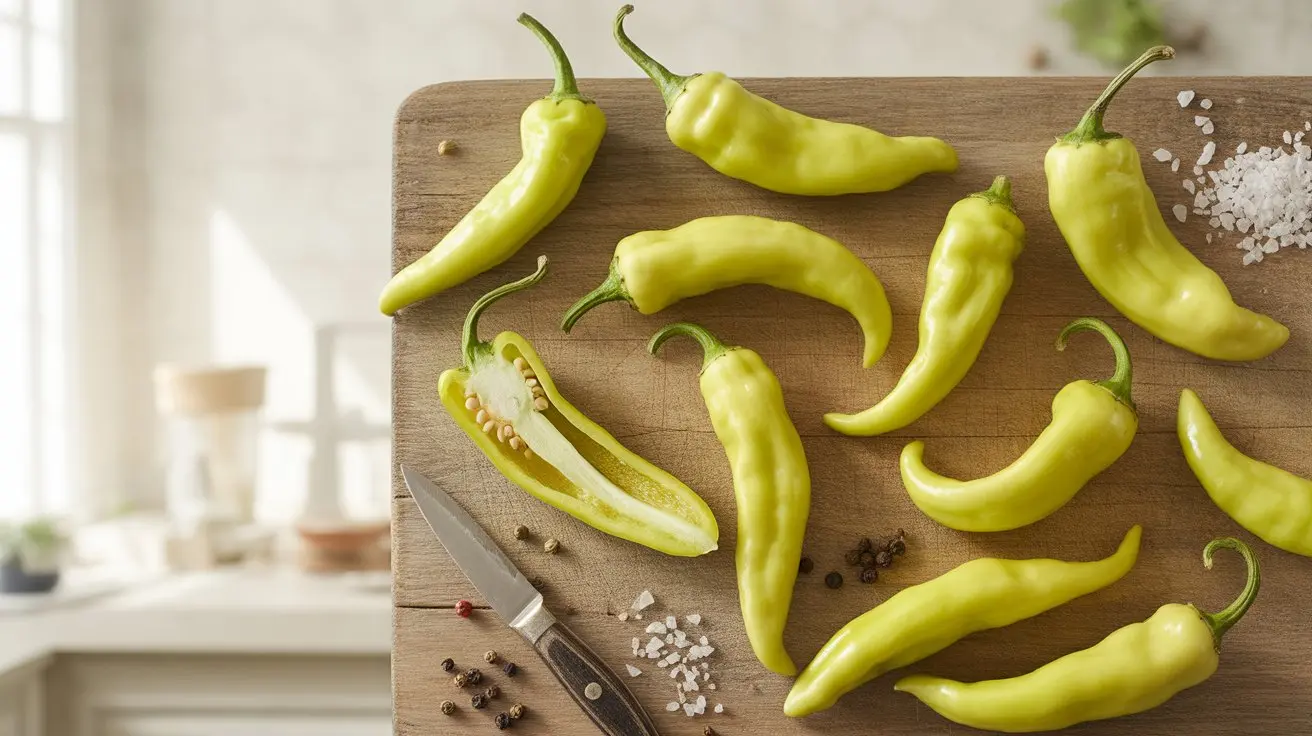
Pepperoncini (Capsicum annuum) originated in Italy and Greece, where they're called friggitelli or golden Greek peppers depending on the region. The skin is thin and wrinkled, the color ranges from yellow-green to red at full maturity, and the shape tapers to a blunt tip — typically 2–3 inches long.
Heat sits at 100–500 SHU, which puts them well below even a mild shishito. A shishito averages around 200 SHU with occasional spikes to 1,000; pepperoncini rarely exceed that upper bound and usually land in the lower half of the range. The flavor profile is what actually sets them apart: tangy, slightly bitter, and bright — more vinegar-forward than sweet.
The C. annuum botanical family includes thousands of cultivars, from bells to cayennes, but few carry this particular combination of negligible heat and assertive acidity. That character comes partly from the pepper itself and partly from how it's traditionally preserved — pickled in brine with vinegar, salt, and sometimes garlic.
Fresh pepperoncini exist but are rarely seen outside Italy. Nearly everything sold in North American markets is pickled, which shapes how most cooks understand the pepper's flavor.
History & Origin of Pepperoncini
Pepperoncini have been cultivated in southern Italy and Greece for centuries, with the Mediterranean pepper-growing tradition dating back to the Columbian Exchange in the late 1400s. Peppers arrived in Europe from the Americas and spread rapidly through Italy, where mild, thin-walled varieties became central to regional cuisines.
In Tuscany and Calabria, fresh friggitelli were pan-fried in olive oil — a preparation so simple it barely qualifies as a recipe. Greek farmers cultivated their own strains, and the "golden Greek" variety became the dominant pickled form exported to the United States during the 20th century.
American Italian-American restaurant culture cemented pepperoncini's role as a table condiment alongside olives and bread. The pepper's Italian and Greek cultural background shares some parallel history with the banana pepper, though the two developed distinct flavor identities across different growing regions.
How Hot is Pepperoncini? Heat Level & Flavor
The Pepperoncini delivers 100–500 Scoville Heat Units, placing it in the Mild tier (0–999 SHU).
Flavor notes: tangy and mild.
Pepperoncini Nutrition Facts & Health Benefits
A serving of 5 pickled pepperoncini (roughly 30g) contains approximately 5 calories, less than 1g of fat, and about 1g of carbohydrates. Sodium runs high in pickled form — typically 350–450mg per serving depending on the brand.
Fresh pepperoncini provide vitamin C, vitamin A precursors, and small amounts of potassium. Capsaicin content is minimal given the 100–500 SHU range, but the pepper still contains capsaicinoids that interact with heat-sensing TRPV1 receptors at low levels. The pickling process preserves most micronutrients while adding the sodium from brine.
Best Ways to Cook with Pepperoncini Peppers
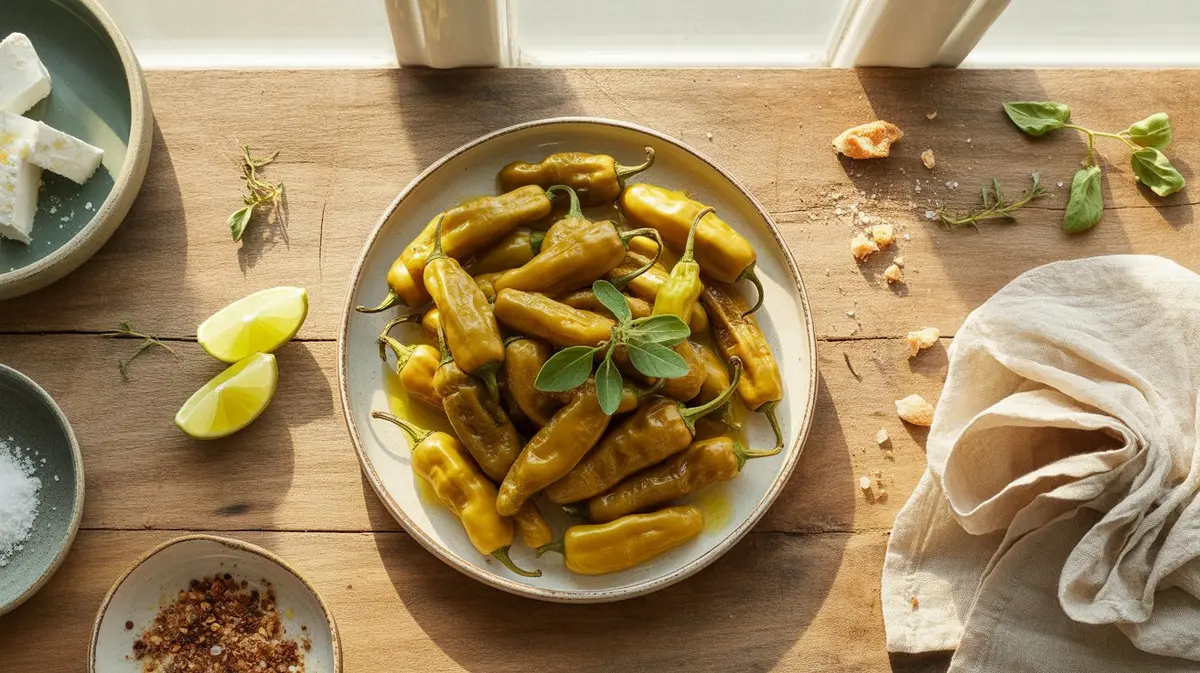
Pickled pepperoncini punch above their weight because the brine does as much work as the pepper itself. Slice them thin and layer into sandwiches, grain bowls, or antipasto plates. The acidity cuts through rich meats and fatty cheeses in a way that fresh mild peppers simply cannot.
The brine is worth saving. A splash into salad dressing, braised greens, or a dirty martini adds the same tangy brightness without any pepper texture. Greek salads traditionally include whole pepperoncini alongside olives, cucumber, and feta — the pepper acting as a counterpoint to the salt and fat.
For cooked applications, try slow-braising chicken or beef with a jar of pepperoncini and their liquid. The acid tenderizes the meat while the pepper flavor mellows into something almost sweet. This technique works particularly well in a slow cooker.
For egg-based dishes, pepperoncini fit naturally into a shakshuka preparation — sliced into the tomato base, they add brightness without overwhelming the spice blend. Their flavor sits in a different register than the sweetly mild pimento character or the compact round shape of a cherry pepper, making them the tangier choice when acidity matters more than sweetness.
Where to Buy Pepperoncini & How to Store
Pickled pepperoncini are sold whole or sliced in 16 oz and 32 oz jars. Look for firm peppers with bright color — avoid jars where the peppers have gone translucent or mushy. Greek-style varieties tend to have thinner walls and sharper flavor than Italian-American versions.
Once opened, refrigerate and use within 4–6 weeks. The brine extends shelf life significantly; keep peppers submerged. Fresh pepperoncini, if you find them at a farmers market or specialty grocer, should be used within 5–7 days and stored loosely wrapped in the refrigerator. The Scoville scale measurement method used to rate them at 100–500 SHU reflects the fresh pepper, not the pickled product.
Best Pepperoncini Substitutes & Alternatives
Whether you ran out of pepperoncini or just want to try something different, these peppers make solid stand-ins. We picked them based on heat range, flavor overlap, and how well they actually work in the same dishes.
Our top pick: Banana Pepper (0–500 SHU). Same species (C. annuum) and nearly the same heat, so it swaps in at a 1:1 ratio without changing the character of the dish. The flavor leans mild and tangy, which is close enough that most people won’t notice the difference in a cooked recipe.
How to Grow Pepperoncini Peppers
Pepperoncini are straightforward to grow, especially if you have experience with other C. annuum varieties. Start seeds indoors 8–10 weeks before last frost. Germination happens in 10–14 days at soil temperatures around 80°F.
Transplant outdoors after nighttime temperatures stay consistently above 55°F. Plants reach 18–24 inches tall and prefer full sun with well-drained soil. Space them 18 inches apart. They're less demanding about soil fertility than some hotter varieties — moderate compost at planting is usually sufficient.
Fruits set at 60–75 days after transplant and are typically harvested yellow-green for the classic pickled product. Left on the plant, they turn red and become slightly sweeter. Unlike the nearly heatless Italian sweet pepper or the similarly mild frying pepper, pepperoncini hold their slight tangy bite at both stages.
For a complete indoor-to-garden approach, the step-by-step growing guide covers starting, hardening off, and transplanting in detail. Container growing works well — use at least a 3-gallon pot.
Frequently Asked Questions
-
No — they're related but distinct varieties. Pepperoncini have thinner skin, a more wrinkled appearance, and a tangier, slightly bitter flavor compared to the sweeter, smoother banana pepper. The confusion is common because both are sold pickled in similar jars at nearly identical 100–500 SHU heat levels.
-
At 100–500 SHU, pepperoncini are genuinely mild — comparable to a shishito at its coolest, and far below a jalapeño's 2,500–8,000 SHU range. Most people experience no noticeable heat, just the tangy acidity from the pepper and pickling brine.
-
Absolutely — slow-braised meats with a full jar of pepperoncini and their brine is one of the most practical applications. The acid tenderizes the protein while the pepper flavor mellows considerably during long cooking, producing a savory, slightly tangy result.
-
Greek-style pepperoncini (often labeled "golden Greek peppers") tend to have thinner walls, crisper texture, and sharper acidity than Italian varieties. Italian friggitelli are more commonly eaten fresh or pan-fried rather than pickled, and the flavor is slightly less assertive.
-
Yes — once the jar is opened, refrigerate it and keep the peppers submerged in brine. Properly stored, they stay firm and flavorful for 4–6 weeks after opening, and the brine itself remains useful for dressings or marinades throughout that window.
- Chile Pepper Institute - Capsicum Species Overview
- USDA FoodData Central - Pepperoncini Nutritional Data
- University of California Cooperative Extension - Growing Peppers
- Slow Food Foundation - Friggitello di Pontecorvo
Species classification: C. annuum — based on published botanical taxonomy.