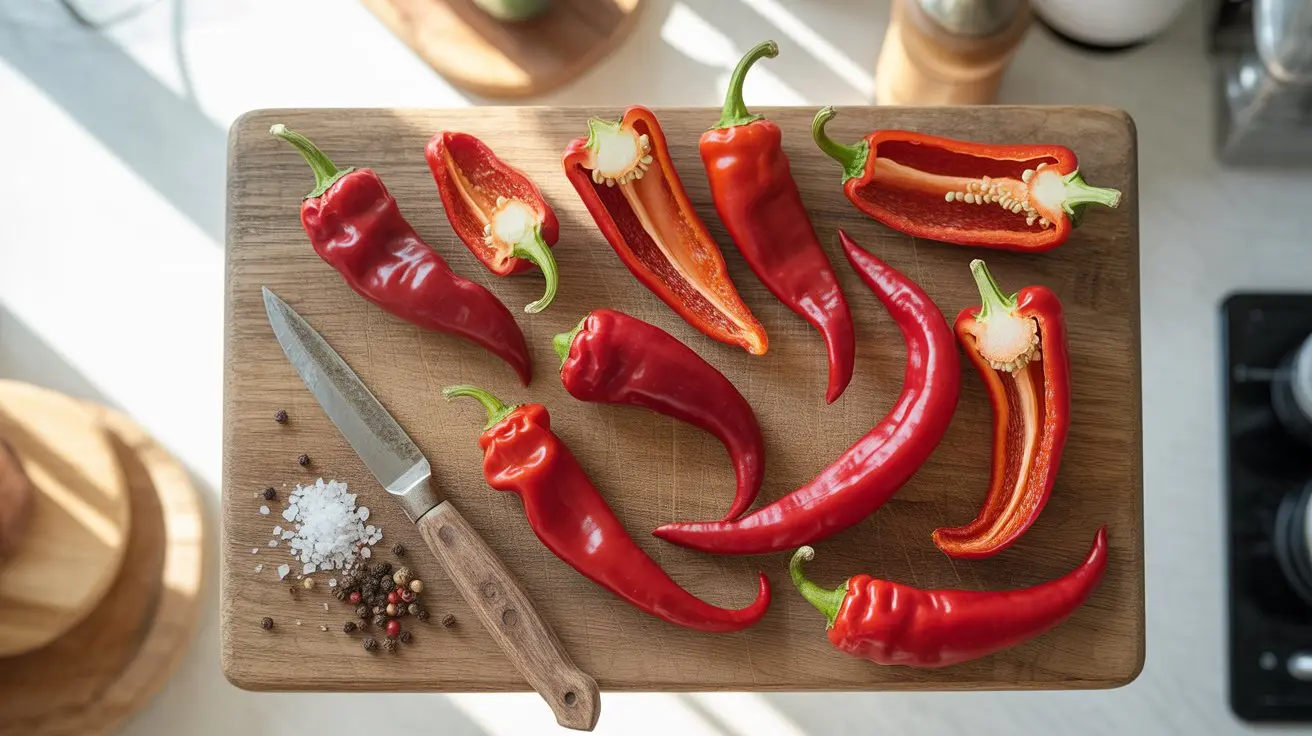
Ñora Pepper

The ñora pepper is a small, round, sun-dried Spanish variety with a 500–1,000 SHU rating — virtually no heat, but extraordinary depth of flavor. Grown primarily in Murcia and Catalonia, it delivers sweet, slightly smoky, earthy notes that form the backbone of classic Spanish sauces. Gardeners prize it for its compact size and reliable production.
- Species: C. annuum
- Heat tier: Medium (1K–10K SHU)
What is Ñora Pepper?
At 500–1,000 SHU, the ñora sits firmly in the mild heat category — you'll get almost no burn, just a rich, concentrated sweetness with earthy undertones. These small, round peppers are traditionally dried whole in the Spanish sun, which intensifies their flavor dramatically.
The ñora belongs to the broad Capsicum annuum botanical family, sharing lineage with hundreds of sweet and mildly hot varieties. Its compact, globe-shaped pods grow to about 4–5 cm in diameter and ripen from green to deep red before harvest.
What sets the ñora apart is its culinary role: it's rarely eaten fresh. The dried pod is rehydrated or pulped to release a paste that anchors dishes like romesco, fideuà, and sofrito. The flavor profile sits closer to sweet dried paprika's sensory depth than to any fresh pepper experience.
For gardeners, the plant is manageable — compact bushes reaching 60–80 cm, well-suited to containers or raised beds. The peppers need a long, warm growing season to develop their characteristic sweetness, but they reward patience with heavy yields of perfectly round pods that dry beautifully on the vine or strung in traditional Spanish ristras.
History & Origin of Ñora Pepper
The ñora traces its roots to the rich regional pepper traditions of Spain, specifically the Murcia and Catalonia regions where it has been cultivated for centuries following the introduction of Capsicum species from the Americas in the 16th century.
Murcian farmers developed the practice of sun-drying these small round peppers as a preservation technique, which inadvertently created one of Spain's most prized cooking ingredients. The dried ñora became essential to romesco sauce in Catalonia and caldero fish stew along the Mediterranean coast.
The variety's name likely derives from regional dialect, though its exact etymology remains debated. Today, Murcia-grown ñoras carry a protected designation of origin, and the pepper remains deeply embedded in Spanish culinary identity — far more significant as a dried spice ingredient than as a fresh vegetable.
How Hot is Ñora Pepper? Heat Level & Flavor
The Ñora Pepper delivers 500–1K Scoville Heat Units, placing it in the Medium tier (1K–10K SHU).
Flavor notes: sweet and mild.
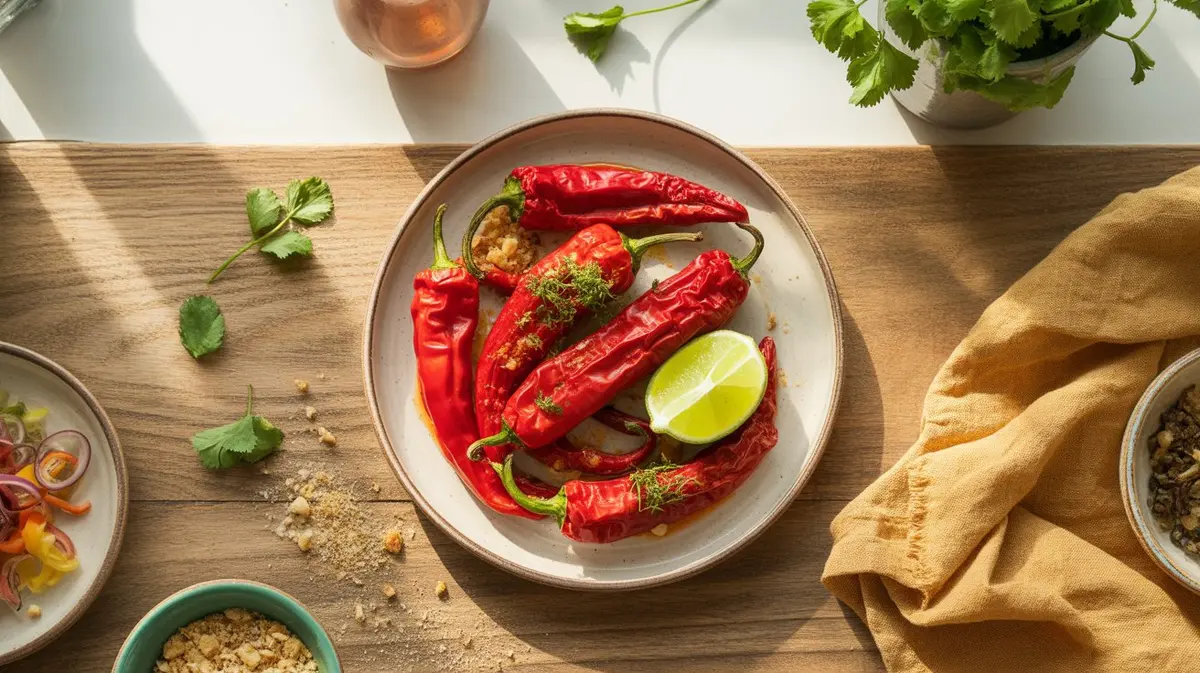
Ñora Pepper Nutrition Facts & Health Benefits
Dried ñora peppers are nutritionally concentrated compared to fresh. A 10g serving (roughly one dried pod) provides meaningful amounts of vitamin A from beta-carotene, responsible for the deep red color. Capsaicin content is minimal given the low 500–1,000 SHU range.
The drying process concentrates natural sugars, iron, and antioxidants including capsanthin and capsorubin — the same pigment compounds studied for their anti-inflammatory properties. Like other C. annuum varieties, ñoras contribute vitamin C and potassium, though quantities vary based on drying method and storage duration.
Best Ways to Cook with Ñora Peppers
Romesco sauce is where the ñora truly shines. Rehydrate two or three dried pods in warm water for 20 minutes, scrape out the flesh with a spoon, then blend with roasted tomatoes, almonds, garlic, and olive oil. The ñora pulp contributes a color and depth that no other pepper replicates quite the same way.
Beyond romesco, the dried pods are essential in Valencian fideuà and Murcian caldero. Split a dried ñora, toast it briefly in olive oil, then add liquid — the fat-soluble pigments release into the oil, staining everything a deep brick-red.
For a comparison in cooking applications, the sweet, flexible character of Italian frying peppers takes a completely different approach — used fresh rather than dried. The ñora's closest relative in use is actually the distinctively shaped pimentón, which is ground ñora and other peppers smoked over oak.
The mildly sweet Piquillo's gentle heat makes an interesting fresh substitute when ñoras are unavailable, though the flavor profile differs. Ñora powder, made by grinding dried pods, works as a finishing spice for grilled meats and rice dishes.
Where to Buy Ñora Pepper & How to Store
Dried ñoras are sold whole in Spanish grocery stores and specialty importers — look for pods that are deep burgundy-red, pliable rather than brittle, and free of mold. Overly black pods have been stored too long and will taste bitter.
Store dried pods in an airtight container away from light and moisture; they keep well for 12–24 months. Ñora paste (available jarred) is a convenient substitute and stores refrigerated for several weeks after opening. Fresh ñoras are rare outside Spain — if you find them, refrigerate and use within 5–7 days.
Best Ñora Pepper Substitutes & Alternatives
Whether you ran out of Ñora pepper or just want to try something different, these peppers make solid stand-ins. We picked them based on heat range, flavor overlap, and how well they actually work in the same dishes.
Our top pick: Cubanelle Pepper (100–1K SHU). Same species (C. annuum) and nearly the same heat, so it swaps in at a 1:1 ratio without changing the character of the dish. The flavor leans sweet and mild, which is close enough that most people won’t notice the difference in a cooked recipe.
How to Grow Ñora Peppers
Starting ñoras indoors 8–10 weeks before last frost gives them the head start they need — these peppers want a long season. Soil temperature should hit 70–80°F for reliable germination, which typically takes 10–14 days.
For anyone who wants a complete seed-starting and transplant germination walkthrough, the process mirrors most C. annuum varieties. Transplant outdoors once nighttime temperatures stay above 55°F consistently.
ñoras prefer full sun and well-drained soil with a slightly acidic pH around 6.0–6.8. Space plants 45–60 cm apart — they stay compact but need airflow to prevent fungal issues in humid conditions. Container growing works well; a 5-gallon pot per plant is sufficient.
The plants are productive but sensitive to inconsistent watering. Drought stress during fruit set causes blossom drop. Drip irrigation or consistent hand-watering keeps yields strong.
For growing comparisons, the easy-going cultivation traits of Italian frying types make them beginner-friendly, while ñoras reward slightly more attentive care. Harvest when pods turn deep red, then dry them whole — either strung in a warm, ventilated space or in a dehydrator at 125°F for 8–12 hours. Fully dried pods store in airtight containers for up to two years.
Frequently Asked Questions
-
Ñoras can technically be eaten fresh when they ripen to red, but their flavor is far less interesting than when dried. The drying process concentrates sugars and develops the deep, earthy sweetness that makes them valuable in Spanish cooking.
-
Dried ancho or mulato peppers make reasonable substitutes, offering similar sweetness and mild heat in the 500–2,500 SHU range. Ñora paste sold in jars is the most direct swap and widely available at Spanish food importers.
-
Expect 80–90 days from transplant to ripe red pods under good growing conditions. The peppers need warm temperatures and consistent sun to develop their characteristic sweetness before harvest.
-
Yes — both are C. annuum varieties bred for sweetness and color rather than heat, and ñoras are actually one of the pepper types ground to make Spanish pimentón. The Hungarian-origin paprika's flavor and color characteristics reflect a parallel development in Eastern Europe from similar breeding goals.
-
A 5-gallon container with good drainage handles a ñora plant comfortably given their compact 60–80 cm growth habit. Position the container where it gets at least 6–8 hours of direct sun daily for the best fruit development and drying quality.
- Chile Pepper Institute - Capsicum Species Overview
- USDA Plant Database - Capsicum annuum
- Regional Government of Murcia - Ñora Pepper Heritage
- Baker Creek Heirloom Seeds - Spanish Pepper Varieties
Species classification: C. annuum — based on published botanical taxonomy.