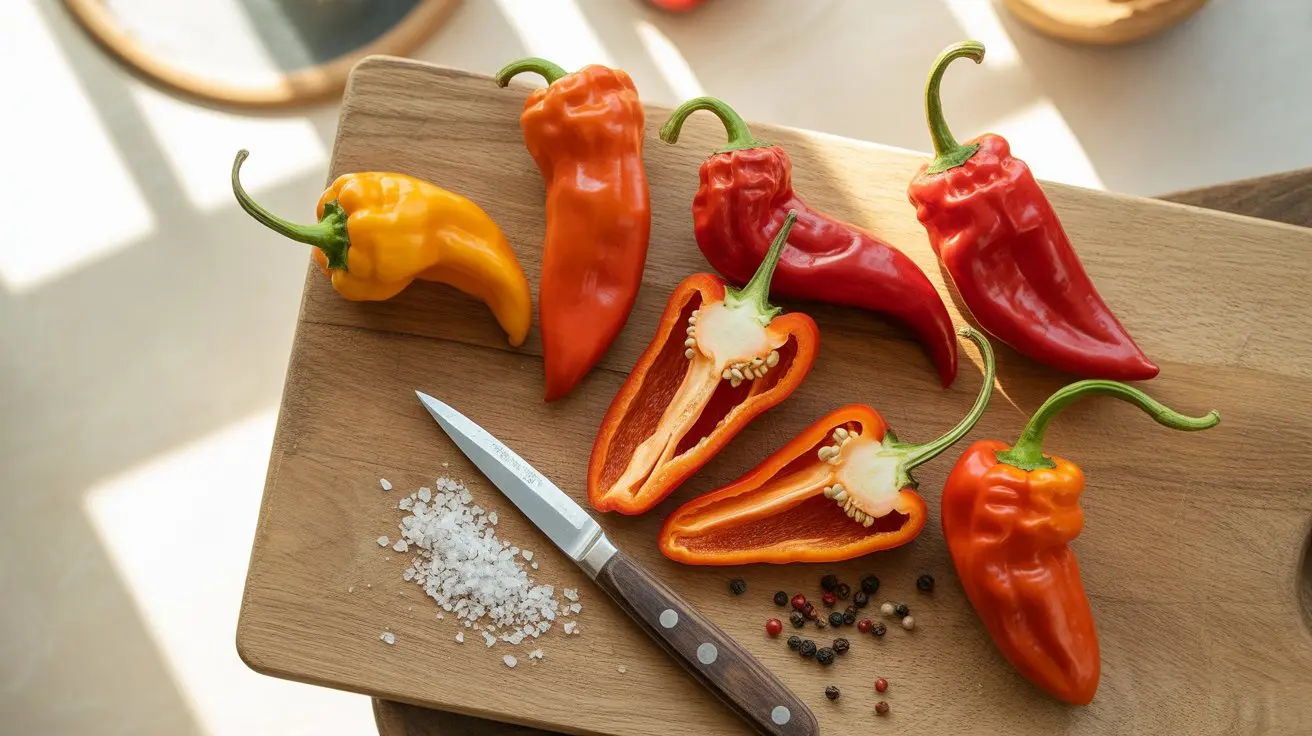
Naga Morich

Most people assume the Naga Morich is just a ghost pepper variant. It isn't. This C. chinense from the Bangladesh-India border region registers 1,000,000-1,500,000 SHU - roughly 5 times hotter than a 7 Pot Douglah's dark, chocolatey burn - and carries a distinctly fruity intensity that sets it apart from its more famous relatives.
- Species: C. chinense
- Heat tier: Super-Hot (1M+ SHU)
- Comparison: 300x hotter than a jalapeño
What is Naga Morich?
Here's what surprises most people: the Naga Morich predates the ghost pepper's fame by centuries, yet it's consistently treated as an afterthought. Grown along the Bangladesh-Assam corridor, this wrinkled, lantern-shaped pod belongs to the super-hot tier of the Scoville scale - a category where casual heat tolerance simply doesn't apply.
The heat hits in waves. That initial fruity sweetness - genuinely pleasant, almost tropical - lasts about three seconds before the capsaicin locks onto your TRPV1 receptors and doesn't let go. At 1,000,000-1,500,000 SHU, this is not a pepper you taste so much as experience.
The wrinkled skin and irregular surface aren't cosmetic quirks - they're characteristic of the C. chinense species, the botanical family responsible for most of the world's extreme heat producers. Within that family, the Naga Morich occupies a fascinating middle position: genuinely fruity enough for culinary use, genuinely hot enough to require serious respect.
Compare it to a closely related pod bred from similar Bangladeshi stock and you start to see how much variation exists even within the 'Naga' naming convention. The Morich is its own thing - older, rawer, and arguably more complex than the peppers that borrowed its genetics.
History & Origin of Naga Morich
The name translates roughly to 'snake pepper' in Bengali - a reference to its coiling, irregular shape rather than any particular venom-like quality (though the heat might suggest otherwise).
Origin records trace the Naga Morich to the Sylhet region of Bangladesh and the Nagaland-Assam border areas of northeastern India, where it has been cultivated for generations as both a food ingredient and a traditional preservative. Unlike many super-hots with documented breeding histories, this pepper's lineage is agricultural rather than experimental.
The regional pepper tradition of Bangladesh treated the Naga Morich as a practical crop long before Western chiliheads discovered it. Its introduction to UK cultivation in the early 2000s sparked significant interest - and eventually led to derivative breeding programs that produced a UK-developed pod with similarly scorching sensory characteristics - but the original remains rooted in South Asian agricultural heritage.
How Hot is Naga Morich? Heat Level & Flavor
The Naga Morich delivers 1M–1.5M Scoville Heat Units, placing it in the Super-Hot tier (1M+ SHU). That makes it roughly 300x hotter than a jalapeño.
Flavor notes: fruity and intense.
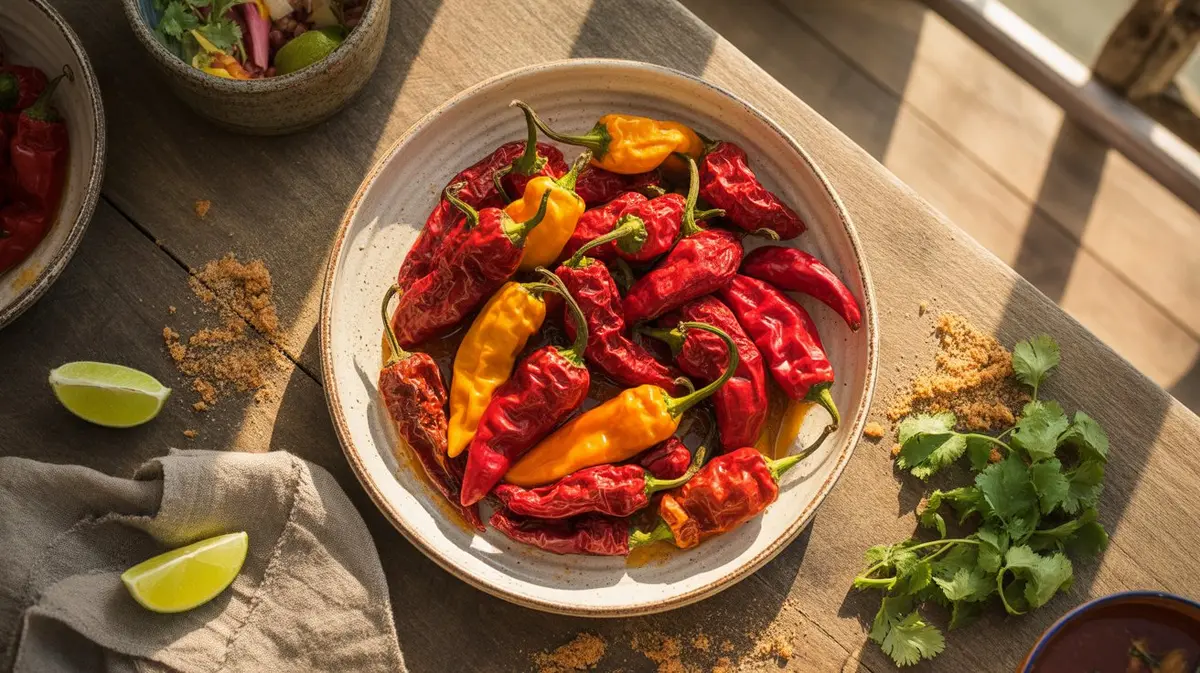
Naga Morich Nutrition Facts & Health Benefits
Like other C. chinense super-hots, Naga Morich delivers meaningful nutritional value in doses too small to constitute a meal. The capsaicin responsible for that 1,000,000-1,500,000 SHU burn is the same compound studied for its effects on metabolism and pain response - the TRPV1 receptor activation that creates the heat sensation is also what makes capsaicin pharmacologically interesting.
Fresh pods contain significant vitamin C - often exceeding bell peppers by weight - along with vitamin A, potassium, and antioxidant carotenoids. The red pigmentation indicates high capsanthin content.
Caloric contribution per serving is negligible. The nutritional density is real; the serving size is measured in fractions of a pod.
Best Ways to Cook with Naga Morich Peppers
Cooking with Naga Morich requires a different mental model than working with standard hot peppers. You're not adding heat to a dish - you're building around the pepper's presence.
The fruity character is real and usable. Fermented Naga Morich chutneys are traditional in Bangladeshi cooking, where the pepper's intensity is balanced by salt, mustard oil, and time. The fermentation process mellows the raw edge while preserving that distinctive tropical fruitiness.
For Western applications, small quantities work best in oil-based preparations - infused oils, slow-cooked curries, and hot sauces where dilution is controlled and measurable. A single pod can flavor a quart of sauce. That's not hyperbole; that's practical guidance.
The deeply savory, almost nutty cooking character of the 7 Pot Douglah makes an interesting contrast here - where that pepper gains complexity through earthiness, Naga Morich stays bright and fruity even after cooking.
If you're building a chili and want extreme heat with fruity lift, matching the right pepper to your chili base matters enormously. Naga Morich suits tomato-based and coconut milk preparations better than beef-forward applications, where its fruitiness can clash rather than complement.
Always use gloves. Capsaicin transfer from cut pods to eyes or skin is not a minor inconvenience at this heat level.
Where to Buy Naga Morich & How to Store
Fresh Naga Morich pods appear occasionally at South Asian grocery stores and specialty retailers, but dried pods and powder are more reliably available online. Reputable spice vendors and chili specialty retailers stock both.
Fresh pods keep 1-2 weeks refrigerated in a paper bag - plastic traps moisture and accelerates decay. For longer storage, freeze whole pods without blanching; they retain heat and flavor well for up to a year.
Powder should be stored in airtight containers away from light. Degradation is slow but real - capsaicin potency diminishes over 12-18 months even in good storage conditions.
When buying seeds for growing, source from established vendors with documented strain integrity. 'Naga Morich' labeling is inconsistent in the hobby market.
Best Naga Morich Substitutes & Alternatives
Whether you ran out of naga morich or just want to try something different, these peppers make solid stand-ins. We picked them based on heat range, flavor overlap, and how well they actually work in the same dishes.
Our top pick: Trinidad Scorpion Butch T (1.5M–1.5M SHU). Same species (C. chinense) and nearly the same heat, so it swaps in at a 1:1 ratio without changing the character of the dish. The flavor leans fruity and intense, which is close enough that most people won’t notice the difference in a cooked recipe.
How to Grow Naga Morich Peppers
Starting Naga Morich from seed tests patience before it tests your palate. Germination typically takes 3-4 weeks at soil temperatures of 80-85°F - a heat mat is not optional at this stage, it's essential.
The step-by-step process for starting peppers indoors applies here with extra emphasis on the long growing season. Naga Morich needs 120-150 days from transplant to harvest, which means starting seeds indoors 10-12 weeks before your last frost date if you're in a temperate climate.
Plants grow tall - often 3-4 feet - and benefit from staking once pods develop. The weight of multiple wrinkled fruits on a single branch can cause breakage. Consistent watering matters more than frequency; irregular moisture causes blossom drop, which at this stage in the season can cost you the entire harvest.
If your plant sets flowers but no pods follow, diagnosing why a pepper plant won't fruit often comes down to temperature and pollination. Naga Morich won't set fruit reliably below 65°F nighttime temperatures.
Pods ripen from green through yellow to red, with heat intensity increasing as they mature. Most growers harvest at full red for maximum fruity flavor alongside the peak heat. Container growing is viable in USDA zones below 9, though pot size should be at least 5 gallons to support root development.
Frequently Asked Questions
-
The ghost pepper (Bhut Jolokia) sits around 1,041,427 SHU at its benchmark measurement, while Naga Morich ranges 1,000,000-1,500,000 SHU - overlapping at the low end but capable of significantly exceeding it. Both share C. chinense genetics and northeastern Indian origins, but Naga Morich tends to carry more pronounced fruity character alongside its heat.
-
No - the UK-developed pepper with overlapping heat characteristics was selectively bred in England from Naga Morich stock, but the two are distinct cultivars. Dorset Naga was specifically developed for higher and more consistent capsaicin levels, while Naga Morich represents the original South Asian landrace variety.
-
Yes, but portion control is the entire strategy. A quarter of one pod can heat a pot of curry serving four people. The fruity character works well in hot sauces with practical substitution guidance if you need to dial heat up or down from a recipe baseline.
-
The first impression is genuinely fruity - tropical, slightly floral, with a brightness that's more citrus-adjacent than berry-like. That window lasts only a few seconds before the 1,000,000+ SHU capsaicin load activates, but the fruity notes persist in the background of fermented preparations where the raw heat edge is reduced.
-
Expect 150-180 days total from seed germination to first ripe pods - one of the longer timelines in the super-hot pepper category. Starting seeds indoors in late winter is essential for growers in temperate climates with shorter frost-free seasons.
- Chile Pepper Institute - Capsicum Species Information
- Bosland, P.W. & Votava, E.J. - Peppers: Vegetable and Spice Capsicums (CABI)
- Tewksbury, J.J. et al. - Evolutionary ecology of pungency in wild chilies (PNAS)
Species classification: C. chinense — based on published botanical taxonomy.