Mexibell Pepper

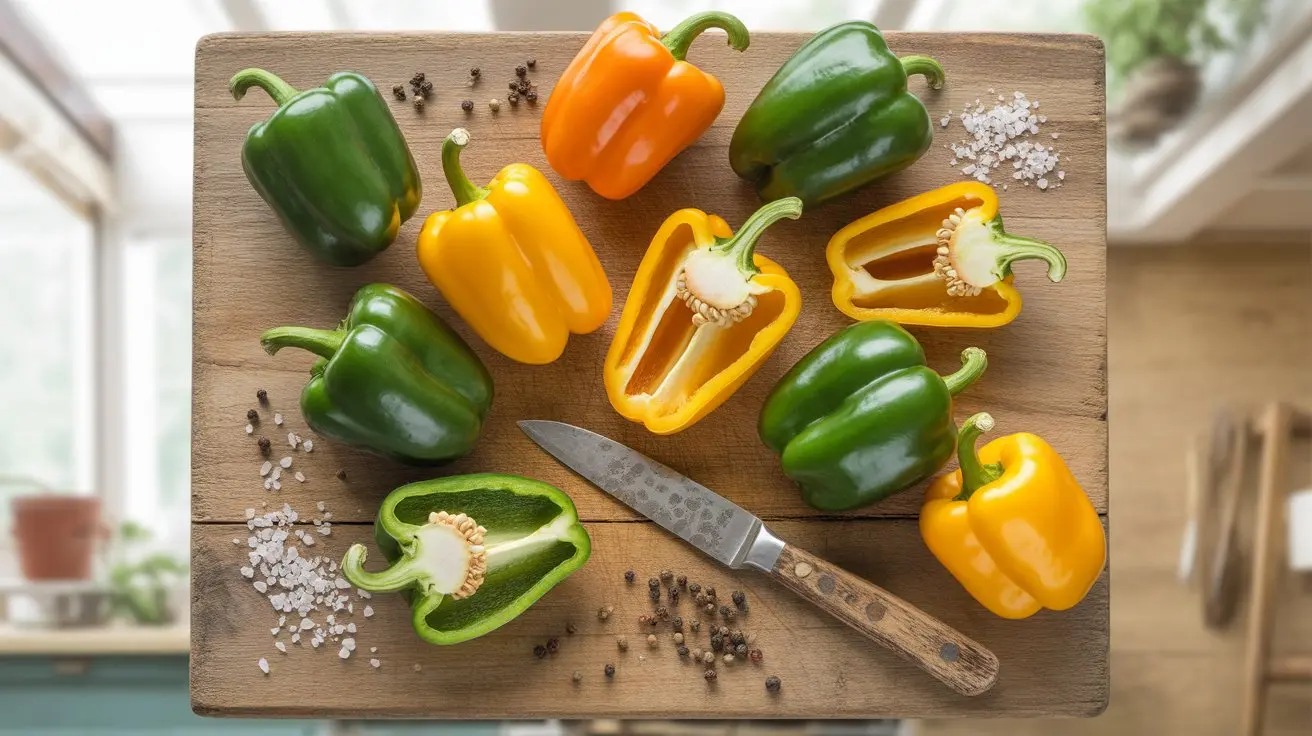
The Mexibell pepper is a bell-shaped Capsicum annuum with a surprising twist: it registers 100–1,000 SHU, giving it a mild but occasionally noticeable warmth that standard bells completely lack. Think of it as a bell pepper that remembered it came from chili stock. It roasts beautifully, stuffs easily, and bridges the gap between sweet and mildly spicy without committing fully to either.
- Species: Capsicum annuum
- Heat tier: Medium (1K–10K SHU)
What is Mexibell Pepper?
Most people assume anything shaped like a bell pepper is heat-free. The Mexibell breaks that assumption quietly — it looks the part, with thick walls and a blocky profile, but carries 100–1,000 Scoville Heat Units, placing it at the lower end of the medium heat band on the Scoville scale alongside peppers that actually register on your palate.
That range matters more than it sounds. An Anaheim pepper typically sits around 500–2,500 SHU, so a peak-heat Mexibell can approach that lower threshold while still looking nothing like a chili. The result is a pepper that surprises people expecting zero warmth — not painful, but definitely present.
Botanically it belongs to Capsicum annuum, the same species that covers everything from sweet bells to cayennes. The Mexibell's flavor profile leans sweet and vegetal at lower SHU expressions, shifting toward a mild, peppery bite closer to 1,000 SHU. Wall thickness makes it ideal for high-heat cooking methods where thinner-walled peppers would collapse.
For cooks who find standard bells boring but can't tolerate real heat, this variety fills a genuine gap. It performs well fresh, roasted, or stuffed — the thick flesh holds structure through long cooking times. It also appeals to gardeners who want visual variety alongside a small functional difference from the standard sweet bell.
History & Origin of Mexibell Pepper
The Mexibell's documented origin is murky. It appears in American seed catalogs from the latter half of the 20th century, likely developed through selective breeding aimed at introducing trace capsaicin into a bell-type pepper without dramatically altering the fruit's shape or culinary utility.
The name suggests a Mexican influence, though no specific breeding program or institution has been publicly credited with its development. It sits in a category of hybrid or open-pollinated bell variants that emerged as plant breeders experimented with mild heat expressions in thick-walled peppers during the mid-century vegetable breeding boom in the United States.
Unlike heirloom peppers with traceable regional histories, the Mexibell reads more as a deliberate horticultural product than a traditional landrace variety — bred for the home garden and commercial market rather than grown across generations in a specific food culture.
How Hot is Mexibell Pepper? Heat Level & Flavor
The Mexibell Pepper delivers 100–1K Scoville Heat Units, placing it in the Medium tier (1K–10K SHU).
Mexibell Pepper Nutrition Facts & Health Benefits
Like most Capsicum annuum varieties, the Mexibell delivers solid nutritional value relative to its calorie count. A 100g serving of raw bell-type pepper provides roughly 20–30 calories, with vitamin C content often exceeding 100mg — well above the daily recommended intake.
The trace capsaicin present at 100–1,000 SHU has been associated with mild metabolic effects, though at these concentrations the impact is minimal compared to hotter varieties. Mexibells also contribute vitamin A, potassium, and dietary fiber.
Red or orange mature fruits carry significantly higher antioxidant loads than green-harvested specimens, including beta-carotene and lycopene.
Best Ways to Cook with Mexibell Peppers
Cooking with a Mexibell is mostly intuitive if you know your way around a bell pepper, with one key adjustment: taste before committing to a quantity. Heat variation within the 100–1,000 SHU range means two fruits from the same plant can differ noticeably.
Roasting intensifies both sweetness and the mild heat, making it a strong candidate for pepper-based sauces where you want body without full chili intensity. Compare that approach to using roasted sweet peppers popular in Spanish kitchens — the Mexibell offers a similar texture with slightly more bite.
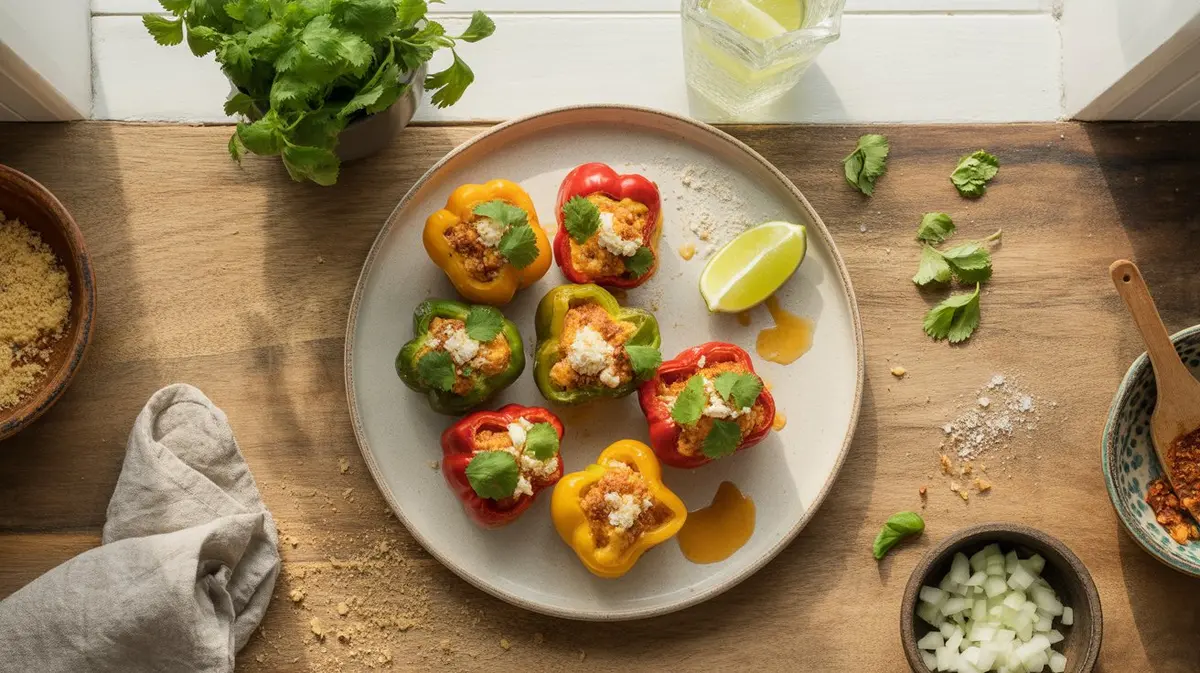
For stuffed pepper applications, the thick walls hold fillings without getting soggy, and the low-to-moderate heat complements savory cheese or grain fillings without overwhelming them. Slice it raw into salads or salsas when you want color and mild warmth simultaneously.
It pairs naturally with peppers at the same heat level. Dishes that use the subtle, sweet warmth of thin-walled Italian-style peppers can often substitute Mexibell in equal amounts. For paprika-based spice blends, the dried flesh of a Mexibell contributes mild pungency similar to gently warming ground paprika varieties.
Seed removal reduces heat slightly if you're serving guests with low heat tolerance.
Where to Buy Mexibell Pepper & How to Store
Mexibell peppers aren't common in mainstream grocery stores — specialty grocers, farmers markets, and seed-grown home harvests are the most reliable sources. Look for firm, glossy skin with no soft spots or wrinkling, which signals age or improper storage.
Refrigerate unwashed in the crisper drawer for up to 2 weeks. For longer storage, roast and freeze in portions — the thick walls hold up well after freezing and thawing. Avoid storing near ethylene-producing fruits like apples, which accelerate softening.
Dried or dehydrated Mexibell can be ground for a mildly spiced powder similar to gently smoky, low-heat ground pepper blends.
Best Mexibell Pepper Substitutes & Alternatives
Whether you ran out of mexibell pepper or just want to try something different, these peppers make solid stand-ins. We picked them based on heat range, flavor overlap, and how well they actually work in the same dishes.
Our top pick: Cubanelle Pepper (100–1K SHU). The heat level is close enough for a direct swap in salsas, sauces, and stir-fries. Flavor leans sweet and mild, so the taste will shift a bit — but the overall heat stays in the same range.
How to Grow Mexibell Peppers
Starting Mexibell from seed indoors 8–10 weeks before last frost gives transplants the head start they need — bell-types are slower to establish than thin-walled chilis. Soil temperature at transplant should be at least 60°F, with 70–85°F being the productive sweet spot for fruit set.
Space plants 18–24 inches apart. The blocky fruit gets heavy, and adequate spacing reduces branch stress while improving airflow. Staking or caging is worth doing early rather than after fruit load becomes obvious.
Water consistently. Bell-type peppers are more sensitive to inconsistent moisture than thinner-walled varieties — blossom end rot and cracking both trace back to irregular watering. A 2-inch mulch layer helps buffer soil moisture between waterings.
For general technique on starting thick-walled peppers from seed, the step-by-step indoor starting guide for growing peppers covers soil mix and hardening off in detail. If you're growing multiple varieties, the practical guidance on growing poblanos and the step-by-step approach to growing serranos both offer useful comparisons for managing different pepper types in the same garden space.
Fertilize with a balanced formula until flowering, then shift to lower nitrogen to encourage fruit development over foliage.
Frequently Asked Questions
-
At 100–1,000 SHU, it registers mild-to-moderate heat — noticeable but not intense. Think of it as a bell pepper with a quiet warmth rather than a chili with restrained heat.
-
Yes, with the caveat that dishes will carry slight heat that standard bells wouldn't contribute. For heat-sensitive audiences, removing the seeds and inner membrane reduces the Scoville expression noticeably.
-
An Anaheim typically runs 500–2,500 SHU, so a high-end Mexibell approaches the Anaheim's lower range but rarely matches its peak. For most cooking purposes, the Mexibell is the milder of the two.
-
It occupies similar heat territory to peppers like the round, sweet-to-mild Alma Paprika with its distinctive round shape and the mild, frying-friendly pepper with Italian roots. The key difference is the Mexibell's bell pepper shape, which opens up stuffing and roasting applications those varieties don't handle as well.
-
Yes — the 100–1,000 SHU range reflects real variation between individual fruits, even on the same plant. Stress factors like heat, drought, and soil conditions during fruit development all influence final capsaicin levels.
- Chile Pepper Institute — Capsicum Species Overview
- USDA PLANTS Database — Capsicum annuum
- University of California Cooperative Extension — Pepper Production
Species classification: Capsicum annuum — based on published botanical taxonomy.