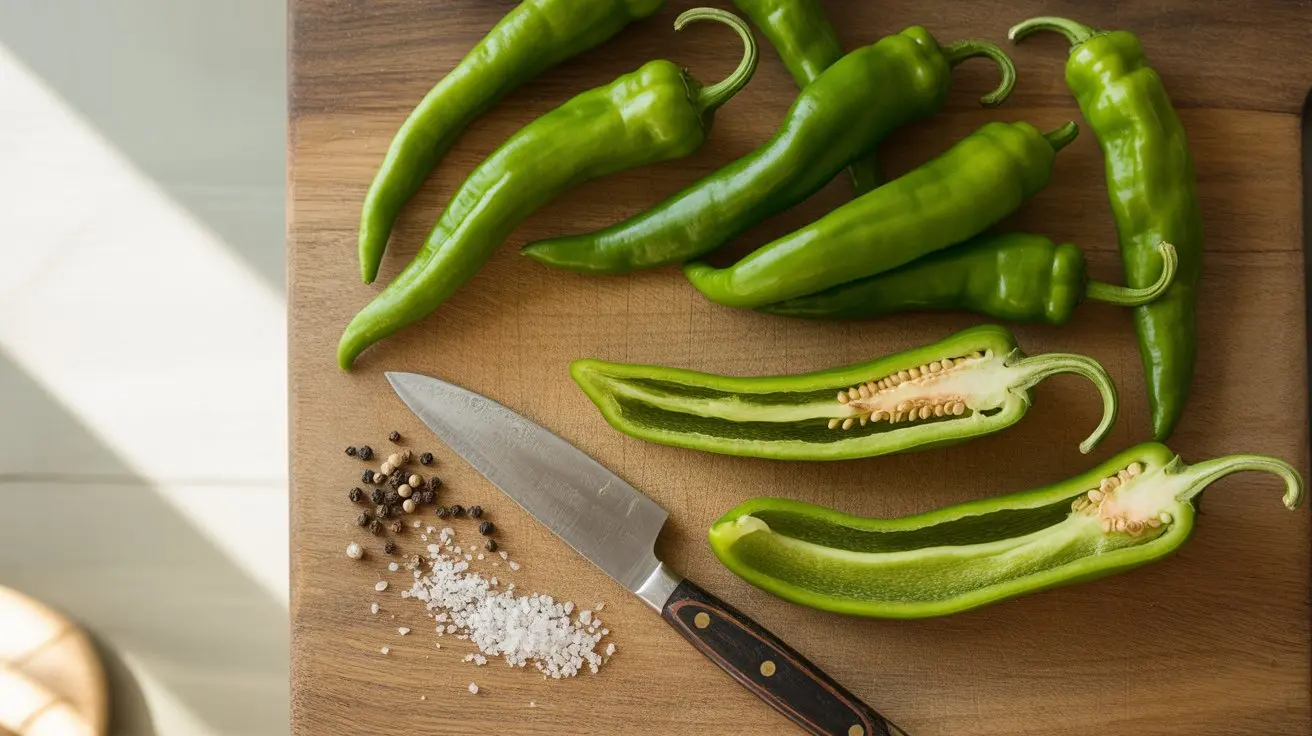
Long Hot Italian

The Long Hot Italian tops out at just 100–1,000 SHU, yet it delivers far more flavor complexity than its mild heat suggests. Grown across Italian-American gardens for generations, this elongated C. annuum fries beautifully, roasts into silky sweetness, and holds its shape in braises. It sits in the medium heat pepper category but leans hard toward the mild end.
- Species: C. annuum
- Heat tier: Medium (1K–10K SHU)
What is Long Hot Italian?
Bite into a Long Hot Italian raw and you get bright, grassy sweetness with just enough warmth to remind you it's still a pepper. Cooked, it transforms — the sugars caramelize, the flesh softens to near-silk, and whatever heat existed mellows into background flavor.
At 100–1,000 SHU, this pepper occupies an interesting culinary middle ground. It's hotter than a bell pepper but milder than most chiles you'd reach for when cooking something spicy. The elongated pods, typically 6–8 inches long, have thin walls that make them ideal for high-heat cooking methods. They blister fast in a cast-iron skillet.
This is a Capsicum annuum variety — the same species behind jalapeños, cayennes, and sweet bells — which explains its wide adaptability in the kitchen and garden. The thin skin means you can eat it without peeling after roasting, which saves real time.
Italian-American home cooks have long used these peppers as a pantry workhorse: stuffed with sausage, layered onto sandwiches, pickled by the jarful. The flavor profile sits closer to the sweet, thin-walled character of frying peppers than to anything you'd call fiery. It's a pepper built for cooking, not heat-chasing.
History & Origin of Long Hot Italian
Long Hot Italians trace back to southern Italy, where frying peppers have been a kitchen staple for centuries. Italian immigrants brought seeds to the United States in the late 19th and early 20th centuries, planting them in backyard gardens from New Jersey to California.
The pepper became deeply embedded in Italian-American cooking culture — particularly in the Philadelphia and New York areas, where sausage-and-pepper sandwiches at street fairs became a regional institution. These weren't bell peppers in those pans; they were Long Hots.
As part of the broader C. annuum botanical family, Long Hot Italians share ancestry with most of the world's common chile peppers. Their cultivation spread through the Italian diaspora rather than commercial agriculture, which is why you'll find significant variation in heat and shape depending on who grew the seeds. That regional seed-saving tradition is part of what makes them interesting.
How Hot is Long Hot Italian? Heat Level & Flavor
The Long Hot Italian delivers 100–1K Scoville Heat Units, placing it in the Medium tier (1K–10K SHU).
Flavor notes: sweet and mild.
Long Hot Italian Nutrition Facts & Health Benefits
A 100g serving of Long Hot Italian peppers provides roughly 30–35 calories, with most of that coming from carbohydrates. They're a solid source of vitamin C — one pepper can deliver 60–80% of daily recommended intake — and contain meaningful amounts of vitamin A and vitamin B6.
The mild heat means minimal capsaicin compared to hotter varieties, but even at low concentrations, capsaicin supports circulation and metabolic function. These peppers are low in sodium, fat-free, and high in water content, making them a low-calorie cooking ingredient that adds real flavor without adding much else.
Best Ways to Cook with Long Hot Italian Peppers
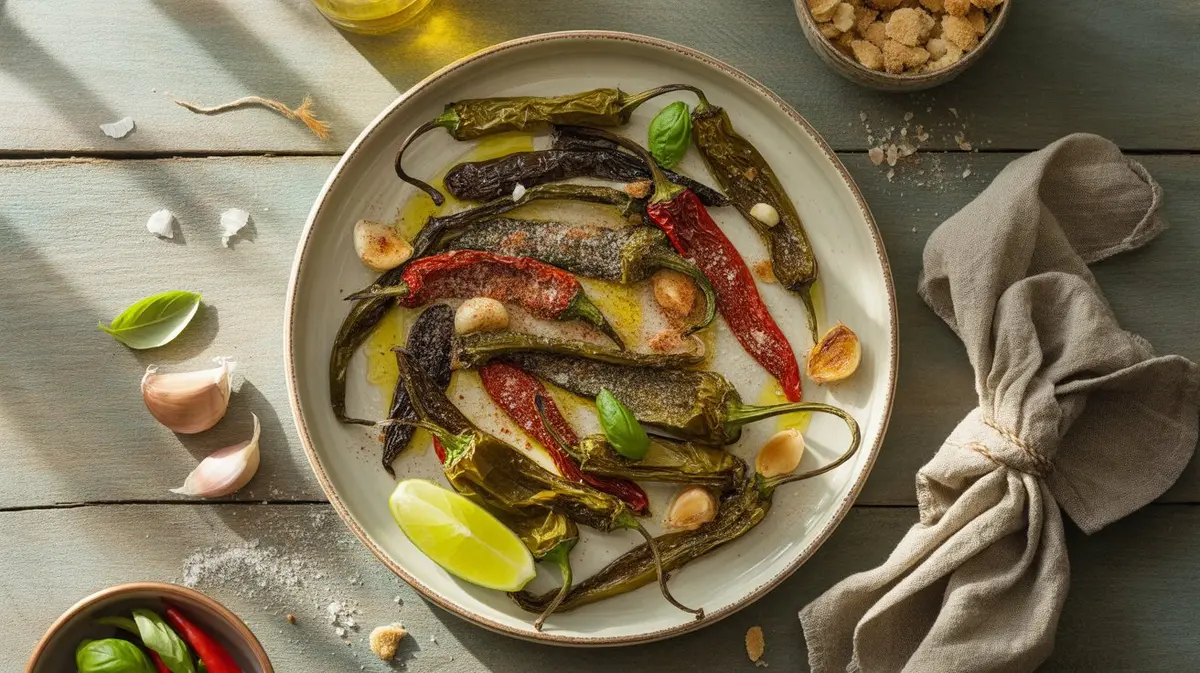
The best way to cook a Long Hot Italian is in a screaming-hot cast-iron pan with olive oil. The thin walls blister in under three minutes, the skin chars in spots, and the flesh collapses into something almost buttery. Salt immediately after pulling from heat.
For sandwiches, sauté with Italian sausage and let the pepper juices mingle with the fat. The sweetness balances the richness of pork in a way that bell peppers simply don't — there's more going on flavor-wise.
Pickling is another strong application. The thin walls absorb brine quickly, and the mild heat means the vinegar tang comes through cleanly. Check out how to pickle peppers if you're working through a big harvest.
For chili or spice blends, Long Hots can be dried and ground. Their flavor profile — sweet, slightly grassy, mildly warm — makes them useful as a base note. The process of making chili powder works especially well with dried Long Hots mixed with smokier varieties.
They also stuff well. The elongated shape holds filling neatly, and the thin skin softens completely during roasting, so you don't get that tough outer layer that thicker-walled peppers leave behind.
Where to Buy Long Hot Italian & How to Store
Look for Long Hots with firm, glossy skin and no soft spots. The green-stage fruits should feel dense; avoid any with wrinkling, which signals age. At farmers markets, they often appear in late summer through early fall.
At room temperature, they'll keep 3–4 days. Refrigerated in a paper bag (not plastic, which traps moisture), they last 1–2 weeks. For longer storage, roast and freeze them — they hold texture reasonably well when frozen after roasting. Alternatively, pickle them using a standard brine; pickled Long Hots keep refrigerated for several months.
Best Long Hot Italian Substitutes & Alternatives
Whether you ran out of long hot italian or just want to try something different, these peppers make solid stand-ins. We picked them based on heat range, flavor overlap, and how well they actually work in the same dishes.
Our top pick: Cubanelle Pepper (100–1K SHU). Same species (C. annuum) and nearly the same heat, so it swaps in at a 1:1 ratio without changing the character of the dish. The flavor leans sweet and mild, which is close enough that most people won’t notice the difference in a cooked recipe.
How to Grow Long Hot Italian Peppers
Long Hot Italians are straightforward producers that reward warm conditions and consistent moisture. Start seeds indoors 8–10 weeks before last frost — they germinate best at 80–85°F soil temperature.
Transplant outdoors after nighttime temps stay above 55°F. Space plants 18–24 inches apart; they get bushy and will shade each other if crowded. Full sun is non-negotiable for good fruit set.
For gardeners familiar with cultivation approaches for Spanish frying peppers, the care requirements are similar — warm soil, consistent watering, and patience during fruit development. Long Hots mature in roughly 70–80 days from transplant.
Fruits start green and turn red at full maturity. Most cooks prefer them at the green stage for frying; the red stage is sweeter and works better for roasting or drying. You can harvest continuously once fruits reach full size — leaving mature peppers on the plant signals it to slow production.
Avoid overhead watering; wet foliage invites fungal issues. A layer of mulch around the base keeps soil moisture even and reduces the need for frequent irrigation. These plants are generally disease-resistant and don't require much intervention once established.
Frequently Asked Questions
-
Long Hot Italians range from 100–1,000 SHU on the Scoville heat index, which puts them well below a jalapeño's typical 2,500–8,000 SHU. Most fruits land toward the milder end of that range, especially when harvested green.
-
Both are thin-walled frying peppers in a similar heat range, but Long Hots are narrower and more tapered, while cubanelles are wider with a slightly more wrinkled appearance. Flavor-wise, Long Hots tend to have a bit more grassy sharpness compared to the sweeter, mild frying character of the cubanelle.
-
Yes — raw Long Hots have a crisp, bright flavor with mild heat that works well in salads or as a snack with dips. That said, cooking transforms them significantly; frying or roasting concentrates the sweetness and softens the grassy edge.
-
They share the same general medium-tier heat classification as varieties like sweet Hungarian-style paprika peppers and lightly smoked Spanish frying peppers, though Long Hots have a distinctly fresh, grassy flavor that sets them apart from dried or smoked preparations.
-
Green-stage harvest (before color change) gives you the crispest texture and most versatile flavor for frying and sandwiches. Leaving them to turn red increases sweetness and makes them better candidates for roasting, drying, or grinding into powder.
- Chile Pepper Institute - New Mexico State University
- USDA FoodData Central - Sweet Peppers
- University of California Cooperative Extension - Pepper Production
- Johnny's Selected Seeds - Italian Frying Peppers
Species classification: C. annuum — based on published botanical taxonomy.