
Datil Pepper

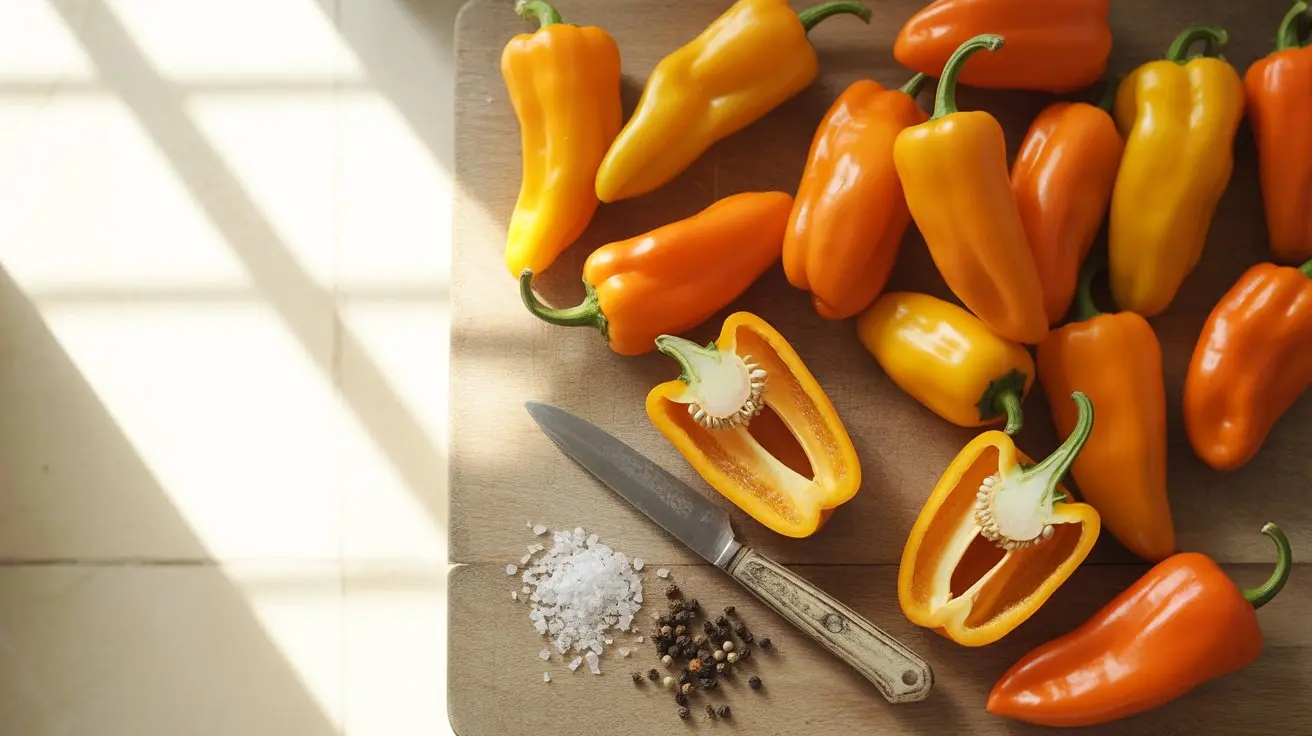
The datil pepper is St. Augustine, Florida's most beloved chile, packing 100,000–300,000 SHU into a sweet, fruity pod that locals have cultivated for generations. It sits firmly in the extra-hot heat category alongside habaneros, but its distinct flavor and deep regional roots make it unlike anything else in that tier.
- Species: C. chinense
- Heat tier: Extra-Hot (100K–1M SHU)
- Comparison: 60x hotter than a jalapeño
What is Datil Pepper?
Grown almost exclusively around St. Augustine, Florida, the datil is one of the most regionally specific peppers in American food culture. Its tapered yellow-orange pods reach about 3 inches long and ripen from green to a golden amber — a color progression covered in more detail in this guide to pepper color changes.
Heat-wise, the datil registers 100,000–300,000 SHU, putting it roughly 3-4 times hotter than a bird's eye chili. But the heat is only part of the story. The flavor is genuinely fruity and sweet upfront, with the burn arriving in a slow, building wave rather than an immediate assault. That sweetness is what separates it from the intense Panamanian heat of aji chombo, even though both share similar SHU ranges.
As a C. chinense species pepper, the datil shares botanical DNA with habaneros and Scotch bonnets, which explains the fruity aromatic notes common across that species. The pods are tapered rather than lantern-shaped, which is one of the clearest visual clues distinguishing it from its cousins.
St. Augustine residents treat the datil with genuine civic pride — it shows up in hot sauces, mustards, and seafood preparations throughout the region. Outside of northern Florida, fresh datils are surprisingly hard to find, which makes growing your own the most reliable path to experiencing them.
History & Origin of Datil Pepper
The datil's origin story has been debated for decades. One popular theory traces it to Minorcan immigrants who arrived in St. Augustine in 1777, bringing seeds from the Mediterranean. A competing theory suggests the pepper came through Cuba or the Caribbean, given its clear genetic kinship with other C. chinense varieties.
What's well-documented is that by the 19th century, the datil had become deeply embedded in St. Augustine's food culture — particularly among descendants of those Minorcan settlers. It appears in local recipes for pilau, chowder, and bottled condiments that predate the modern hot sauce industry.
St. Augustine now holds an annual Datil Pepper Festival, and the pepper is considered part of the city's cultural heritage. It remains one of the few American peppers with a genuinely hyperlocal identity, more connected to a specific city than to a broad regional cuisine.
How Hot is Datil Pepper? Heat Level & Flavor
The Datil Pepper delivers 100K–300K Scoville Heat Units, placing it in the Extra-Hot tier (100K–1M SHU). That makes it roughly 60x hotter than a jalapeño.
Flavor notes: fruity and sweet.
Datil Pepper Nutrition Facts & Health Benefits
Like other C. chinense peppers, datils are nutritionally dense relative to their small size. A single pepper delivers meaningful amounts of vitamin C — often exceeding 100% of the daily recommended value — along with vitamin A, vitamin B6, and potassium.
The capsaicin content responsible for the 100,000–300,000 SHU rating has been studied for potential metabolic and anti-inflammatory effects, though most research uses concentrated extracts rather than whole peppers. Datils are low in calories and contain dietary fiber. Their antioxidant profile, including carotenoids that produce the golden color, makes them genuinely nutritious beyond just being hot.
Best Ways to Cook with Datil Peppers
Datil hot sauce is where most people meet this pepper first. The classic St. Augustine style combines datils with vinegar, mustard, and onion — a formula that shows up in dozens of local small-batch bottles. The fruity sweetness makes these sauces more flexible than a pure-heat product; they work on grilled shrimp, fried fish, and eggs without overwhelming the base ingredient.
Minorcan clam chowder is the signature dish built around the datil. Unlike New England or Manhattan styles, this tomato-based chowder gets its backbone from datil peppers, and the pepper's sweetness plays against the briny clams in a way that neither the sweet-fruity warmth of Surinamese madame jeanette nor a standard habanero would replicate.
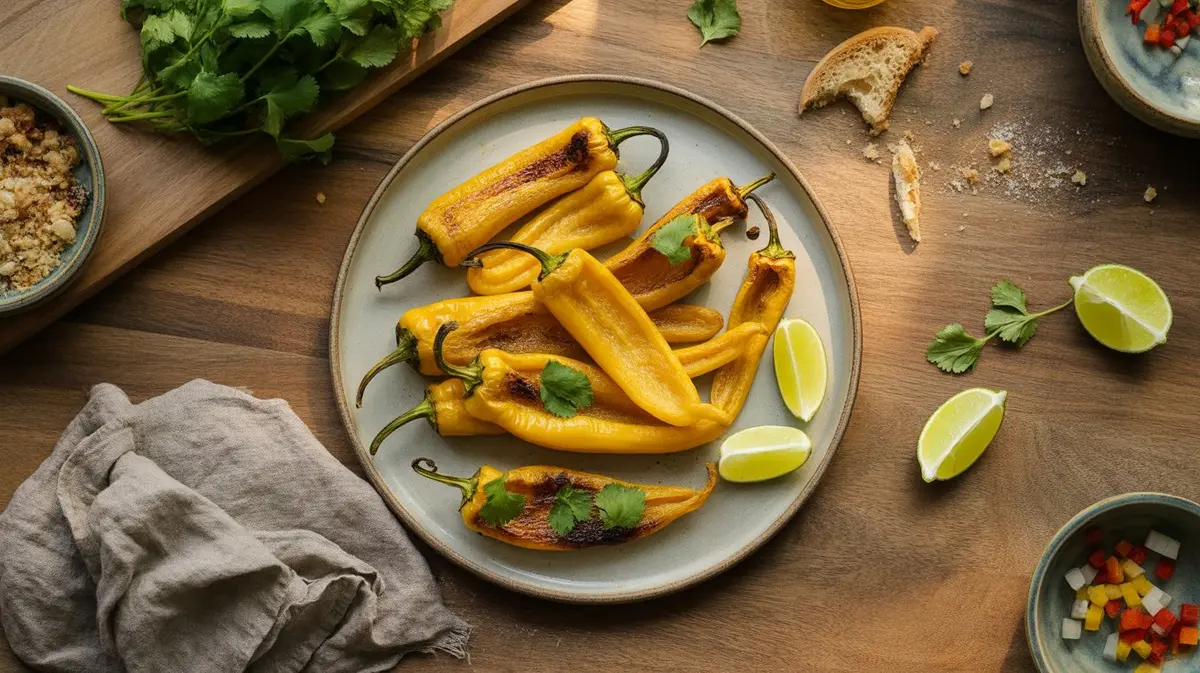
For cooking, treat fresh datils the way you'd treat habaneros — wear gloves, use sparingly, and taste as you go. Roasting mellows the heat slightly and amplifies the fruit notes. Dried datils work well in spice rubs for pork and chicken. The pepper also pickles beautifully, and pickled datils alongside smoked meats is a combination worth trying.
For a milder swap, the culinary range of orange habanero can substitute in most recipes with similar fruitiness.
Where to Buy Datil Pepper & How to Store
Fresh datils are nearly impossible to find outside of St. Augustine and northern Florida. Your best options elsewhere are specialty online retailers, local growers at farmers markets, or growing your own from seed — several reputable seed companies carry datil varieties.
Dried datils and datil-based hot sauces ship well and are more widely available online. Fresh pods keep for 1–2 weeks refrigerated in a paper bag. For longer storage, freeze whole pods on a baking sheet, then transfer to freezer bags — they hold flavor for up to 12 months. Dehydrating at 135°F until brittle is another excellent option for preserving a large harvest.
Best Datil Pepper Substitutes & Alternatives
Whether you ran out of datil pepper or just want to try something different, these peppers make solid stand-ins. We picked them based on heat range, flavor overlap, and how well they actually work in the same dishes.
Our top pick: Orange Habanero (150K–325K SHU). Same species (C. chinense) and nearly the same heat, so it swaps in at a 1:1 ratio without changing the character of the dish. The flavor leans fruity and floral, which is close enough that most people won’t notice the difference in a cooked recipe.
How to Grow Datil Peppers
Datils thrive in Florida's heat and humidity, but they'll produce well in any warm climate with a long growing season. Start seeds 8–10 weeks before your last frost date; germination is slow at 14–21 days, so patience matters more here than with faster-sprouting species. A step-by-step germination walkthrough for hot peppers can help you optimize soil temperature and moisture during that window.
Soil temperature for germination should stay between 80–85°F. Use a heat mat under your trays and don't rush transplanting — datil seedlings need to be well-established before going outdoors.
In the garden, space plants 18–24 inches apart in full sun. They prefer well-draining, slightly acidic soil (pH 6.0–6.5) and respond well to consistent moisture without waterlogging. Mulching around the base helps retain moisture and keeps soil temperature stable during Florida-style summer heat spikes.
Datils are perennial in USDA zones 10–11 and can be overwintered indoors in cooler climates. Plants typically begin fruiting 90–120 days from transplant. Compared to the vigorous growing habits of habanero-type plants, datils tend to be slightly bushier and may need light staking when heavily loaded with fruit.
Harvest when pods turn fully golden-amber for peak sweetness.
Frequently Asked Questions
-
At 100,000–300,000 SHU, the datil is roughly 3–4 times hotter than a typical bird's eye chili, which tops out around 100,000 SHU. The datil's heat also builds more slowly, with a fruity sweetness preceding the burn rather than an immediate spike.
-
The most widely cited theory links the datil to Minorcan settlers who arrived in St. Augustine, Florida in 1777, possibly bringing seeds from the Mediterranean or Caribbean. Regardless of exact origin, the pepper has been cultivated in St. Augustine for over 200 years and is deeply tied to the city's identity.
-
Yes — datils grow well anywhere with a long, warm season and at least 90–120 frost-free days after transplant. In cooler climates, start seeds early indoors with a heat mat and consider growing them in containers that can be brought inside before first frost.
-
The flavor is genuinely fruity and sweet upfront, similar to a habanero but with a slightly more citrus-forward character. The heat builds gradually after the initial sweetness, which makes datils more versatile in cooking than peppers that hit with immediate intensity.
-
A habanero is the closest widely available substitute, matching the fruity C. chinense flavor profile and overlapping SHU range. For a milder result, use half the amount of habanero; for the full datil sweetness, add a small amount of honey or fruit to balance the heat.
- Chile Pepper Institute — Capsicum Species Information
- University of Florida IFAS Extension — Growing Peppers in Florida
- St. Augustine Datil Pepper Project — Local History
- USDA Agricultural Research Service — Capsicum Nutritional Data
Species classification: C. chinense — based on published botanical taxonomy.
