Corno di Toro

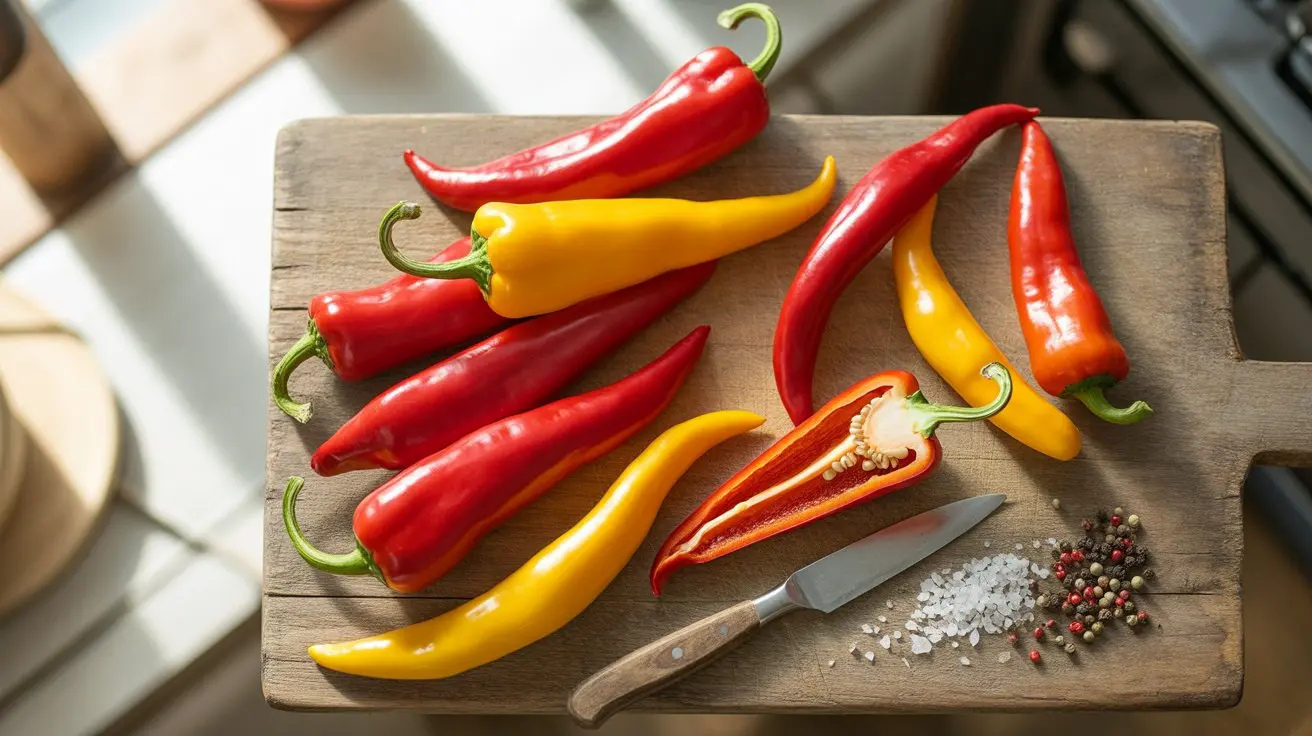
The Corno di Toro - Italian for 'horn of the bull' - is a traditional sweet Italian pepper registering just 0-500 SHU. Its dramatic curved shape, rich flavor, and centuries of cultivation in southern Italy make it a kitchen staple for roasting, grilling, and preserving. Essentially heat-free, it belongs firmly in the mild pepper category alongside other beloved sweet varieties.
- Species: C. annuum
- Heat tier: Mild (0–999 SHU)
What is Corno di Toro?
Named for its resemblance to a bull's horn, the Corno di Toro stretches 6-10 inches long with a graceful taper and a characteristic curl at the tip. It comes in two main color strains - red and yellow - both starting green and sweetening considerably as they ripen to their final hue.
The flavor is genuinely impressive for a heat-free pepper. Raw, it carries crisp sweetness with a slightly grassy undertone. Roasted, the sugars concentrate into something almost jammy, with a depth that surprises people expecting a bland bell pepper substitute. This is a pepper that rewards patience - the longer it stays on the plant, the sweeter it gets.
At 0-500 SHU, it sits at the very bottom of the mild heat tier, sharing that range with varieties like the fragrant, zero-heat Trinidad Perfume and the thin-walled, sweet Italian Jimmy Nardello. The heat, when present at all, is barely perceptible - a faint warmth that disappears almost immediately.
Botanically, it belongs to Capsicum annuum, the same species that includes bells, jalapeños, and most garden standards. Its elongated form and thin walls make it particularly well-suited to high-heat cooking methods where thicker-walled peppers might turn mushy before developing color.
History & Origin of Corno di Toro
The Corno di Toro has deep roots in Italian pepper cultivation, particularly in Campania and Basilicata - regions where sweet peppers became central to local cuisine over several centuries. Southern Italian farmers selected for the elongated horn shape and sweet flavor across generations, producing a landrace variety that became embedded in regional cooking traditions.
Italian immigrants carried seeds to the United States in the late 19th and early 20th centuries, introducing the variety to American gardens. It gained a modest following among heirloom enthusiasts but never achieved the mainstream recognition of bell peppers, which dominated commercial markets through the 20th century.
Today the Corno di Toro is experiencing renewed interest as home gardeners seek alternatives to grocery store standards. Seed companies like Baker Creek Heirloom Seeds have helped preserve both the red and yellow strains, keeping this traditional variety accessible to growers outside Italy.
How Hot is Corno di Toro? Heat Level & Flavor
The Corno di Toro delivers 0–500 Scoville Heat Units, placing it in the Mild tier (0–999 SHU).
Flavor notes: sweet and mild.
Corno di Toro Nutrition Facts & Health Benefits
A 100g serving of red Corno di Toro provides roughly 31 calories, reflecting its high water content and low fat. It delivers a meaningful dose of vitamin C - red-ripened specimens can provide over 100% of the daily recommended value per serving, significantly more than green-stage fruits.
Vitamin A (as beta-carotene) is present in useful amounts, particularly in the red strain. The yellow strain offers a different carotenoid profile but comparable overall nutrition. Fiber content runs around 2g per 100g, supporting digestive function.
Like other sweet C. annuum varieties, it contains minimal capsaicin - consistent with its position at the low end of the Scoville measurement index.
Best Ways to Cook with Corno di Toro Peppers
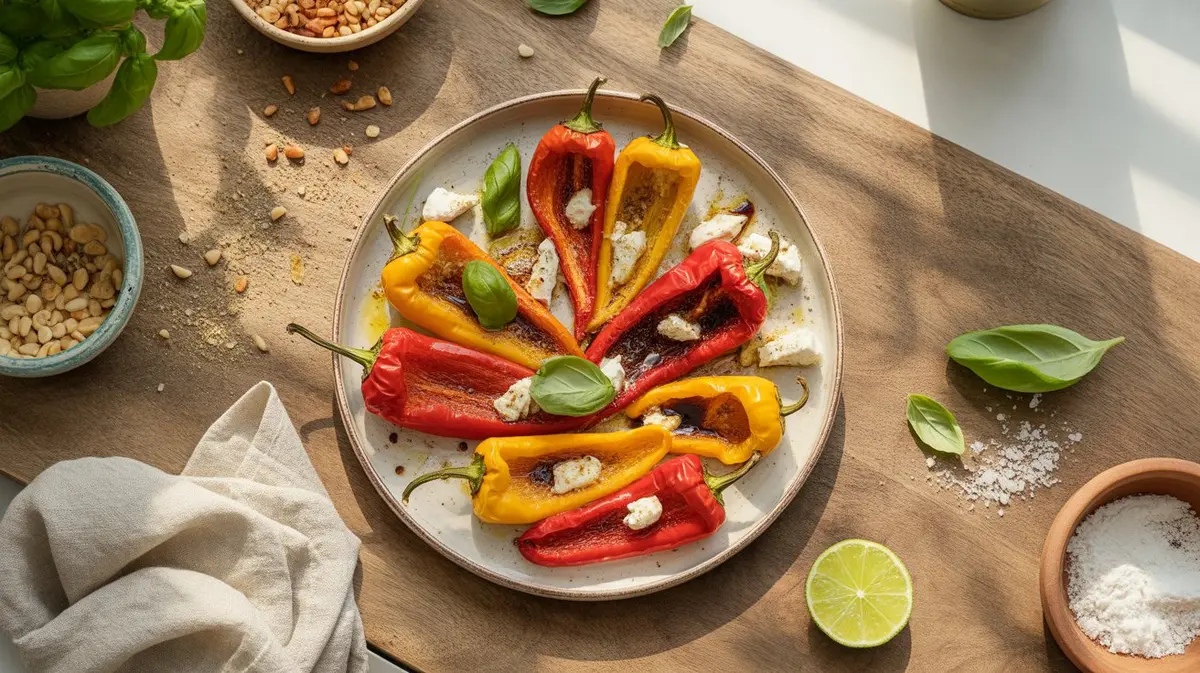
Roasting is where the Corno di Toro truly performs. Its thin walls char quickly under a broiler or over an open flame, and the skin slips off easily once blistered. The result - sweet, silky pepper strips - works in pasta, on bruschetta, layered into sandwiches, or simply dressed with olive oil and salt.
Grilling whole is another natural application. The elongated shape holds together well over direct heat, developing char marks without falling apart. Stuffed preparations work too, though the narrow cavity limits filling options compared to a bell pepper. Breadcrumbs, herbs, and soft cheese fit the profile well.
In Italian tradition, the peppers are frequently preserved in olive oil or vinegar - a practice that extends their season well into winter. This puts them in similar territory to the tangy, mildly sharp preserved-style pepperoncini and the sweet, thick-fleshed pimento used in roasted applications.
Raw in salads, the Corno di Toro adds sweetness and crunch without any heat distraction - useful when feeding guests with low heat tolerance. It also works well in soffritto, the Italian base of slowly cooked aromatics, where its sugar content helps build depth in sauces.
Where to Buy Corno di Toro & How to Store
Farmers markets from mid-July through September are the most reliable source for fresh Corno di Toro in the US. Specialty grocery stores and Italian markets occasionally carry them, particularly in areas with strong Italian-American communities. Online seed sources are the practical route for home growers.
Select peppers with firm, glossy skin and no soft spots. The stem should look fresh, not dried or shriveled. Refrigerate unwashed in the crisper drawer - they hold well for 1-2 weeks. For longer storage, roast and freeze them in olive oil, or preserve in vinegar following traditional Italian methods. Avoid storing near ethylene-producing fruits like apples, which accelerate softening.
Best Corno di Toro Substitutes & Alternatives
Whether you ran out of corno di toro or just want to try something different, these peppers make solid stand-ins. We picked them based on heat range, flavor overlap, and how well they actually work in the same dishes.
Our top pick: Banana Pepper (0–500 SHU). Same species (C. annuum) and nearly the same heat, so it swaps in at a 1:1 ratio without changing the character of the dish. The flavor leans mild and tangy, which is close enough that most people won’t notice the difference in a cooked recipe.
How to Grow Corno di Toro Peppers
Starting Corno di Toro seeds indoors 8-10 weeks before the last frost gives transplants enough size to hit the ground running. Germination is reliable at soil temperatures above 70°F, typically taking 7-14 days.
The plants reach 24-36 inches tall and benefit from staking once fruits develop - those long peppers create leverage that can snap branches in wind. Consistent moisture matters more than heavy feeding; irregular watering produces blossom drop and misshapen fruit. Review practical guidance on fertilizing pepper plants before committing to a feeding schedule, since over-fertilizing with nitrogen pushes foliage at the expense of fruit.
Learning to properly prune pepper plants pays dividends with this variety - removing early flowers and lower growth directs energy toward a larger main harvest rather than scattered small fruits.
Full sun is non-negotiable. In cooler climates, black plastic mulch warms the soil and extends the effective growing season. The red strain typically needs more time to ripen than the yellow - plan for 75-85 days to full color from transplant. Both strains are productive; expect multiple harvests through the season as fruits set in waves. Companion planting with basil is traditional and practically sound - basil deters aphids that target pepper foliage.
Frequently Asked Questions
-
At 0-500 SHU, it registers essentially no heat - comparable to a sweet, mild banana-style pepper in terms of heat level. Most people detect zero burn whatsoever, making it suitable for anyone who avoids spice entirely.
-
Both strains share the same elongated horn shape and sweet flavor profile, but the red variety typically develops more intense sweetness and higher vitamin C content at full ripeness. The yellow strain ripens slightly faster and has a somewhat lighter, fruitier flavor compared to the deeper sweetness of the red.
-
Absolutely - raw Corno di Toro is crisp, sweet, and completely heat-free, making it excellent in salads and on crudite platters. The thin walls mean it lacks the crunch of a bell pepper, but the flavor is noticeably sweeter and more complex.
-
It shares the sweet, thin-walled frying pepper character with varieties like the Italian-heritage, zero-heat sweet frying pepper, though the Corno di Toro is larger and meatier. Both roast and fry beautifully, but the Corno di Toro holds its shape better when stuffed due to its greater size.
-
From transplant, expect 75-85 days to reach full red or yellow color. Harvesting at the green stage is possible and common, but the sweetness and nutritional content increase substantially as the pepper ripens to its final color.
- Baker Creek Heirloom Seeds - Corno di Toro
- University of California Cooperative Extension - Sweet Pepper Production
- USDA FoodData Central - Sweet Red Pepper, Raw
- Chile Pepper Institute, New Mexico State University
Species classification: C. annuum — based on published botanical taxonomy.