
Aji Chombo

Aji Chombo is Panama's defining hot pepper, hitting 100,000–350,000 SHU with a tropical, fruity flavor that makes it far more interesting than its heat alone suggests. Lantern-shaped like a habanero, it anchors Panamanian cooking the way the fiercely hot Caribbean red variety dominates island kitchens. At up to 70x hotter than a jalapeño, it demands respect but rewards the bold.
- Species: C. chinense
- Heat tier: Extra-Hot (100K–1M SHU)
- Comparison: 70x hotter than a jalapeño
What is Aji Chombo?
Panama has a national pepper, and it is the aji chombo. This C. chinense botanical species member clocks between 100,000 and 350,000 SHU — the same range as a habanero — but carries a distinctly tropical flavor profile that reads closer to mango and papaya than citrus.
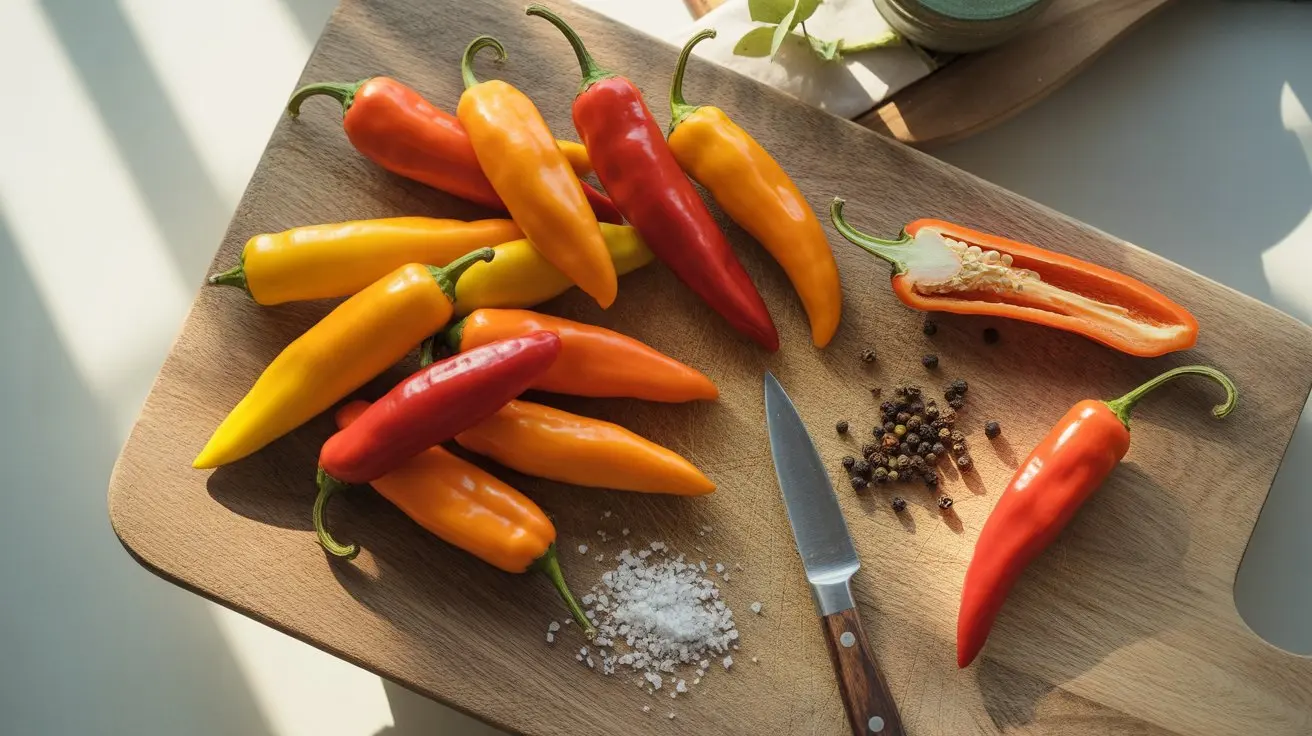
The pods are lantern-shaped, ripening from green through orange to a deep red, and they are small enough to hold in two fingers. That compact frame is deceptive. The heat builds fast and lingers, driven by capsaicin concentrations typical of extra-hot tier peppers.
What sets aji chombo apart from its habanero cousins is context. In Panama, this pepper is not an ingredient — it is the ingredient. Salsas, rice dishes, stews, and marinades all orbit around it. The fruity top notes come through clearly before the burn settles in, which is precisely why Panamanian cooks use it whole or in controlled amounts rather than grinding it into oblivion.
For anyone cooking outside Panama who encounters aji chombo fresh or pickled, the flavor-to-heat ratio is the revelation. It is not just hot; it is complex in a way that most Central American pepper traditions prize. The pepper earns its place on the plate rather than just demanding attention through pain.
History & Origin of Aji Chombo
Aji chombo traces its roots to Panama, where C. chinense varieties have been cultivated for centuries across the Caribbean coast and interior provinces. The name itself is colloquial Panamanian Spanish — "chombo" being a term historically associated with Afro-Caribbean communities who brought their pepper traditions from Jamaica and other islands during the 19th and early 20th centuries.
Those communities settled in the Colon and Bocas del Toro regions, bringing cooking practices built around intensely fruity, fiercely hot peppers. Aji chombo became the local expression of that tradition, adapted to Panamanian soil and cuisine.
Today it is the most recognized hot pepper in the country, sold fresh in markets from Panama City to the interior, and bottled into the hot sauces that appear on virtually every Panamanian table. Its cultural weight is comparable to what the deeply fruity Caribbean Scotch Bonnet-style heat means to Jamaican cooking.
How Hot is Aji Chombo? Heat Level & Flavor
The Aji Chombo delivers 100K–350K Scoville Heat Units, placing it in the Extra-Hot tier (100K–1M SHU). That makes it roughly 70x hotter than a jalapeño.
Flavor notes: fruity and tropical.
Aji Chombo Nutrition Facts & Health Benefits
Like most C. chinense peppers at this heat level, aji chombo is nutritionally dense relative to its small size. A 100g serving of raw pods provides roughly 40 calories, with significant vitamin C content — often exceeding 150% of the daily recommended value.
Vitamin A from the red carotenoid pigments is substantial, particularly in fully ripe red pods. Capsaicin itself has been studied for its role in metabolism and pain response; the molecular structure behind the burn explains why these compounds interact with heat receptors rather than causing actual tissue damage.
The pepper also provides modest amounts of potassium, folate, and vitamin B6.
Best Ways to Cook with Aji Chombo Peppers
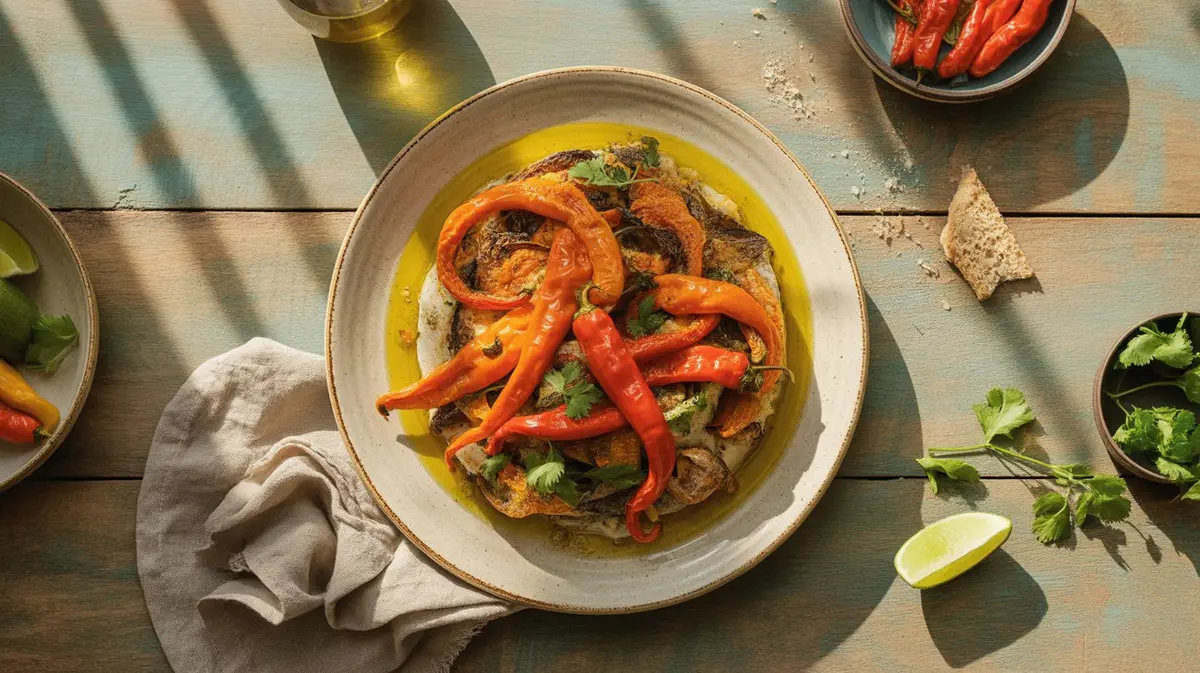
The standard Panamanian application is aji chombo sauce — peppers blended or mashed with vinegar, onion, and salt into a condiment that goes on rice, grilled meats, and fried fish. The fruity heat integrates rather than overwhelms when vinegar tempers it.
For fresh applications, the pepper works well added whole to stews and braises, infusing heat and tropical flavor without releasing every bit of capsaicin into the dish. Pull it out before serving if you want controlled warmth; leave it in and slice it for serious heat.
Smoking aji chombo is underexplored but rewarding. The guide to peppers for smoking covers technique, but the short version is that low-and-slow smoke softens the sharpest heat edges while amplifying the fruit. Dried smoked chombo added to black beans or rice is genuinely special.
In stir-fry applications, treat it the way you would a habanero — a small amount goes far. The approach to peppers for stir fry suggests adding high-heat peppers early with oil to bloom the capsaicin into the fat. Aji chombo responds well to this, releasing its tropical aromatics into the cooking oil before other ingredients hit the pan.
Pairings that work particularly well: coconut milk, plantain, citrus, fresh ginger, and dark rum in marinades.
Where to Buy Aji Chombo & How to Store
Fresh aji chombo is rare outside Panama and specialty Latin markets in the US. Your most reliable source is an online seed supplier or a Panamanian grocery if one exists near you. Bottled aji chombo hot sauce is more widely available and captures the flavor reasonably well.
Fresh pods keep 1–2 weeks refrigerated in a paper bag. For longer storage, freeze them whole — they hold flavor and heat well from frozen and can go directly into cooked applications.
Dried aji chombo, when available, stores up to 12 months in an airtight container away from light. Rehydrate in warm water before using in sauces or braises.
Best Aji Chombo Substitutes & Alternatives
Whether you ran out of aji chombo or just want to try something different, these peppers make solid stand-ins. We picked them based on heat range, flavor overlap, and how well they actually work in the same dishes.
Our top pick: Habanero (100K–350K SHU). Same species (C. chinense) and nearly the same heat, so it swaps in at a 1:1 ratio without changing the character of the dish. The flavor leans fruity and citrusy, which is close enough that most people won’t notice the difference in a cooked recipe.
How to Grow Aji Chombo Peppers
Aji chombo follows the standard C. chinense growth calendar, which means patience is non-negotiable. Seeds need 80–90 days to maturity after transplant, and germination itself can take 2–3 weeks at soil temperatures around 80–85°F.
Start seeds indoors 10–12 weeks before your last frost date. The plants are sensitive to cold and should not go outside until nighttime temperatures stay reliably above 55°F. Once established in warm conditions, they are vigorous producers.
The lantern-shaped pods are smaller than a typical pale-fleshed high-heat habanero variety, so the plant can support more fruit per branch without structural stress. Consistent moisture matters — irregular watering causes blossom drop and uneven ripening. Mulch heavily to retain soil moisture in hot climates.
Aji chombo thrives in USDA zones 10–11 as a perennial, but performs well as an annual in zones 7–9 with a long enough season. Container growing works fine; use at least a 5-gallon pot with excellent drainage.
Compare its cultivation demands to the deep brown fruity pods known for their cultivation characteristics — similar care requirements, similar climate preferences. Both reward the same attentive, warm-season growing approach.
Frequently Asked Questions
-
Aji chombo and the habanero share the same 100,000–350,000 SHU range, so they are essentially peers in heat. The difference is flavor — aji chombo leans more tropical and fruity, while the habanero carries more citrus and floral notes.
-
Yes — the intensely fruity Caribbean-style heat of a scotch bonnet is the closest widely available substitute, with nearly identical SHU and a similar fruity character. Use a 1:1 ratio and expect comparable results in sauces and stews.
-
The initial flavor is distinctly tropical — think mango, papaya, and a hint of floral sweetness typical of C. chinense varieties. The burn builds within seconds, but that fruity top note is what makes aji chombo worth using in cooking rather than just tolerating.
-
They are close relatives within C. chinense and share a similar lantern shape and heat range, but aji chombo is a distinct landrace variety developed in Panama. Think of them as cousins — similar profile, different regional character, much like comparing the Surinamese fruity heat of Madame Jeanette to a standard habanero.
-
Specialty online seed retailers like Baker Creek Heirloom Seeds and Semillas.de carry aji chombo seeds periodically. Latin American grocery stores in cities with Panamanian communities occasionally stock fresh pods or bottled sauce.
- Chile Pepper Institute — Capsicum Species Overview
- USDA Agricultural Research Service — Capsicum Nutritional Data
- University of Florida IFAS Extension — Growing Hot Peppers in Florida
Species classification: C. chinense — based on published botanical taxonomy.
