
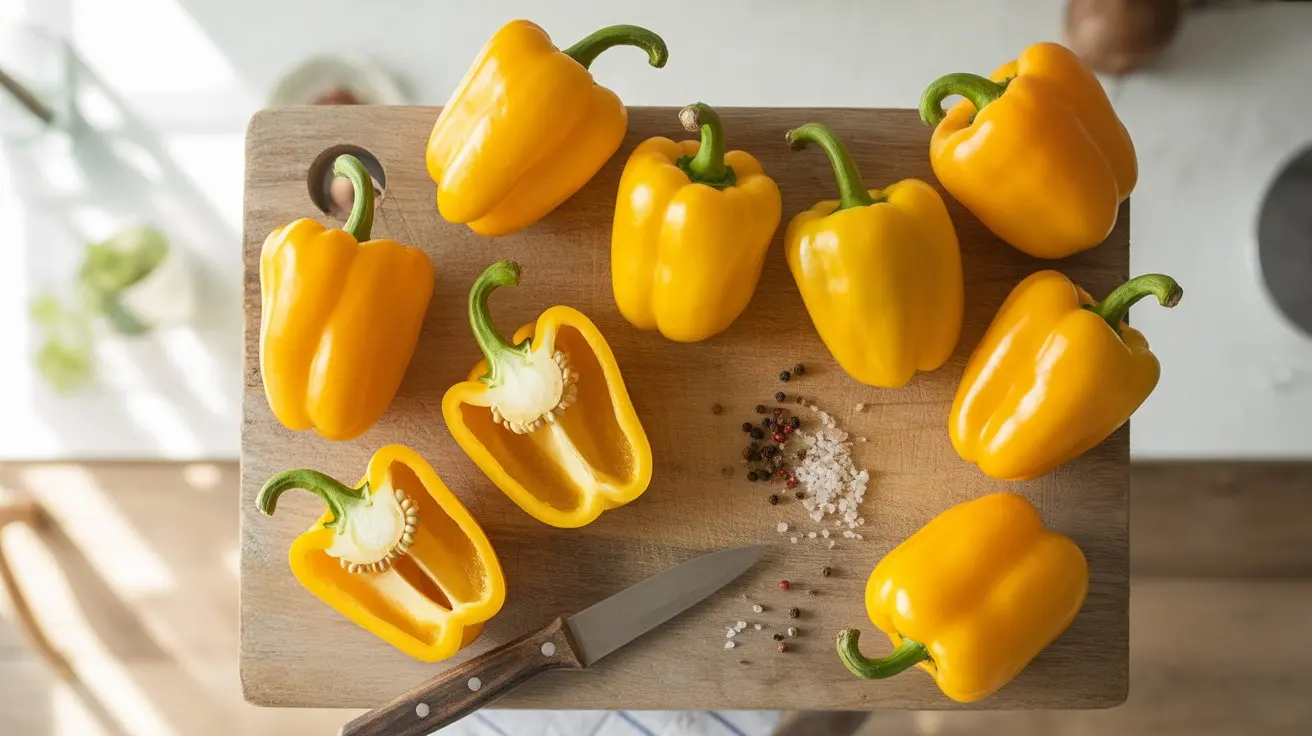
7 Pot Yellow

The 7 Pot Yellow is a Trinidadian super-hot clocking between 800,000 and 1,200,000 SHU - fruity and citrusy on the nose, then scorching in a way that builds slow and stays long. It belongs to the super-hot pepper category and rewards patient growers with prolific harvests of wrinkled, golden pods.
- Species: C. chinense
- Heat tier: Super-Hot (1M+ SHU)
- Comparison: 240x hotter than a jalapeño
What is 7 Pot Yellow?
Pull a ripe 7 Pot Yellow off the plant and the first thing you notice is the color - a deep, saturated gold that almost glows against dark green foliage. Then comes the aroma: bright citrus with a tropical edge that smells more like a fruit stand than a pepper patch.
Then you eat it. The heat arrives like a slow tide rather than a sudden wave, building across the palate for a minute or two before settling into something sustained and serious. This is a C. chinense species pepper at full expression - the kind that makes experienced chiliheads pause.
Origin-wise, the 7 Pot Yellow comes from Trinidad, where the broader 7 Pot family earned its name from the claim that a single pod could heat seven pots of stew. Whether that is literal or legend, the heat range of 800,000 to 1,200,000 SHU makes the story plausible.
What separates the Yellow from its red siblings is the flavor dimension. The citrusy, fruity character survives even aggressive cooking, making it genuinely useful in hot sauces, marinades, and fruit-based salsas where you want heat with personality. The wrinkled, lumpy pods are visually striking - similar in texture to the deeply ridged, gnarly pods of the Brain Strain but with a distinctly lighter color profile.
History & Origin of 7 Pot Yellow
Trinidad's pepper culture runs deep, shaped by African, Indian, and Creole culinary traditions that all prize serious heat. The 7 Pot family - named for that legendary pot-heating potency - emerged from this tradition as some of the island's most celebrated super-hots.
The Yellow variant is a color morph within the broader 7 Pot lineage, likely selected over generations by Trinidadian growers who noticed the distinct flavor profile that comes with the yellow phenotype. Unlike some super-hots that were engineered or crossbred for competition records, the 7 Pot Yellow has the character of a landrace - something refined through use and preference rather than laboratory selection.
Trinidad remains the epicenter of Caribbean pepper cultivation, and the 7 Pot Yellow is one of the more distinctive exports from that tradition.
How Hot is 7 Pot Yellow? Heat Level & Flavor
The 7 Pot Yellow delivers 800K–1.2M Scoville Heat Units, placing it in the Super-Hot tier (1M+ SHU). That makes it roughly 240x hotter than a jalapeño.
Flavor notes: fruity and citrusy.
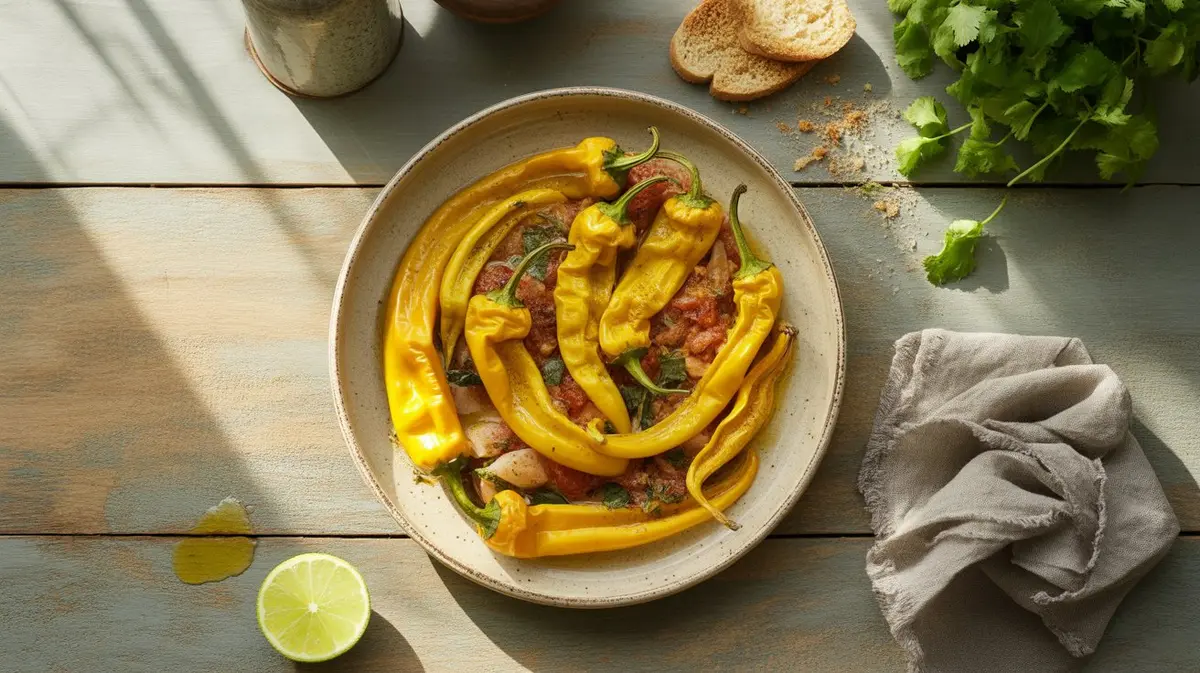
7 Pot Yellow Nutrition Facts & Health Benefits
Like most C. chinense super-hots, the 7 Pot Yellow delivers meaningful nutrition alongside its heat. Fresh peppers are high in vitamin C - often exceeding 100% of the daily recommended value per 100g serving - and contain solid amounts of vitamin A, vitamin B6, and potassium.
Capsaicin, the compound responsible for the heat, has documented associations with metabolic activity and anti-inflammatory effects according to research published by the [Chile Pepper Institute at NMSU](https://cpi.nmsu.edu/). The calorie count is negligible - roughly 30-40 calories per 100g - making these peppers a flavor-dense, low-calorie ingredient.
Best Ways to Cook with 7 Pot Yellow Peppers
The citrus-forward flavor makes the 7 Pot Yellow a natural partner for mango, pineapple, and citrus-based preparations. Hot sauce makers prize it precisely because the fruity notes carry through fermentation and cooking in ways that purely fiery peppers cannot match.
For practical use, a single pod goes a long way. Most hot sauce recipes call for 3-5 pods per batch alongside sweeter fruits to balance the heat load. The yellow color also contributes visually - finished sauces land in a golden-orange range that looks striking on the table.
Roasting mellows the sharpest edges of the heat while concentrating the fruity character. Dried and powdered, the 7 Pot Yellow adds both heat and complexity to dry rubs for pork or chicken. If you are exploring how peppers function in traditional cooking applications, the 7 Pot Yellow sits at the extreme end of what is manageable without full protective equipment.
For those exploring ghost scorpion-level cooking intensity, this pepper occupies similar territory with a brighter flavor signature. Always handle with gloves - the capsaicin load is high enough to cause skin irritation on contact.
Where to Buy 7 Pot Yellow & How to Store
Fresh 7 Pot Yellow pods are rarely found in grocery stores - specialty pepper vendors, farmers markets, and online retailers like [Pepper Joe's](https://www.pepperjoes.com/) are your best options. Look for pods with firm skin and no soft spots; the wrinkled texture is normal, not a sign of age.
Refrigerate fresh pods in a paper bag for up to two weeks. For longer storage, freeze whole pods - they retain heat and most flavor compounds well. Dried pods keep for 6-12 months in an airtight container away from light. Seeds are widely available from specialty seed companies if you want to grow your own.
Best 7 Pot Yellow Substitutes & Alternatives
Whether you ran out of 7 pot yellow or just want to try something different, these peppers make solid stand-ins. We picked them based on heat range, flavor overlap, and how well they actually work in the same dishes.
Our top pick: 7 Pot Red Giant (850K–1.2M SHU). Same species (C. chinense) and nearly the same heat, so it swaps in at a 1:1 ratio without changing the character of the dish. The flavor leans fruity and smoky, which is close enough that most people won’t notice the difference in a cooked recipe.
How to Grow 7 Pot Yellow Peppers
Growing the 7 Pot Yellow is a long-season commitment. Start seeds 10-12 weeks before your last frost date - this variety needs the runway. Germination is reliable at soil temperatures between 80-85°F, so a heat mat is not optional if you want consistent results.
Transplanting is where most growers lose momentum. Check out practical guidance on moving seedlings outdoors before you move plants outside - hardening off over 7-10 days prevents the transplant shock that can set back a C. chinense by weeks. Space plants 24-30 inches apart; they get bushy.
Full sun is non-negotiable - minimum 6 hours, 8 preferred. The 7 Pot Yellow performs best in well-draining soil with consistent moisture. Let it dry slightly between waterings but never to the point of wilting. Calcium deficiency shows up as blossom end rot, so amend accordingly if your soil is acidic.
For a complete seed-starting walkthrough, the principles apply directly here. Days to maturity run 90-120 days from transplant, so patience is part of the deal. Compared to varieties with similar cultivation demands, the Yellow tends to be a reliable producer once established. Container growing works if pots are at least 5 gallons - bigger is better for root development.
Frequently Asked Questions
-
The 7 Pot Yellow ranges from 800,000 to 1,200,000 SHU, which puts it in the same general territory as a Carolina Reaper at its lower end. A Reaper averages around 1.5 million SHU, so the Yellow runs somewhat cooler - but the difference is academic when you are dealing with heat this intense.
-
The flavor profile is genuinely fruity and citrusy - think tropical fruit with a bright, almost lemon-like edge before the heat takes over. That flavor character is part of what makes it valuable in hot sauce production, where pure fire without complexity is less interesting.
-
Expect 90-120 days from transplant to ripe pods, which means starting seeds indoors 10-12 weeks before last frost for a full season. Total time from seed to first harvest can run 5-6 months depending on your climate and growing conditions.
-
Yes, but container size matters - go with at least a 5-gallon pot, and larger is better for root development and overall plant health. These plants get bushy and tall, so plan for staking and position the container where it gets 6-8 hours of direct sun daily.
-
Within the 7 Pot family, the Yellow shares its 800,000-1,200,000 SHU range with several siblings but stands out for its citrusy flavor and distinctive golden color. The pale, ghost-like heat profile of the white variant offers an interesting contrast for growers who want to compare sensory experiences across the color spectrum.
Species classification: C. chinense — based on published botanical taxonomy.
