7 Pot Brain Strain

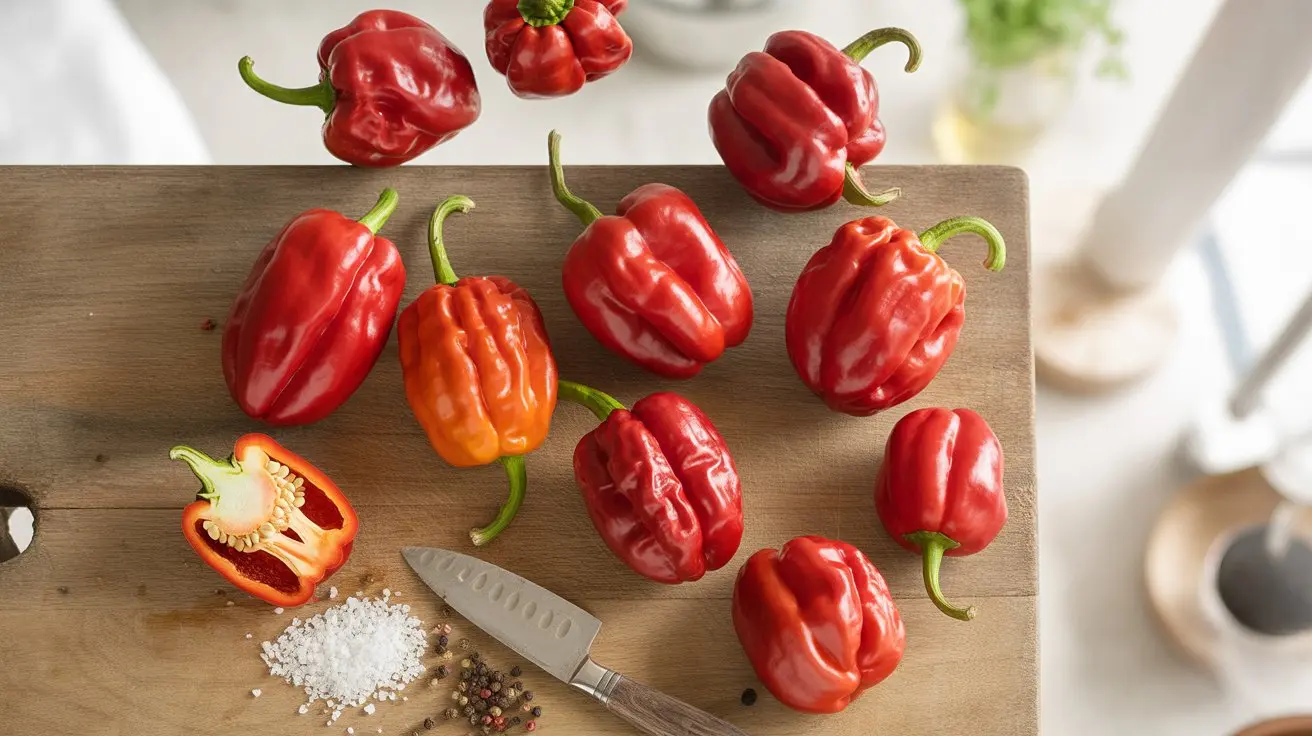
The 7 Pot Brain Strain is a C. chinense cultivar bred in the USA, hitting 1,000,000–1,350,000 SHU with a fruity, intense flavor beneath its signature wrinkled, brain-like skin. It delivers a slow-building burn that eventually consumes your entire mouth. Roughly 270 times hotter than a jalapeño, this pepper rewards patient growers with one of the most visually striking harvests in the super-hot category.
- Species: C. chinense
- Heat tier: Super-Hot (1M+ SHU)
- Comparison: 270x hotter than a jalapeño
What is 7 Pot Brain Strain?
Named for its deeply contorted, brain-textured pods, the 7 Pot Brain Strain sits firmly in the super-hot pepper tier — a category where heat stops being a seasoning and starts being an event.
The pods start green and ripen to a deep red, developing their characteristic wrinkled, lumpy surface as they mature. That texture isn't just cosmetic; it signals high capsaicinoid density in the flesh and placenta. The first bite delivers a wave of tropical fruitiness — think mango and citrus — followed almost immediately by a heat that builds from the back of the throat outward. It doesn't spike fast like a scorpion-stung burn of the Trinidad Scorpion Butch T's distinctive spiky pods; it rolls in steadily and stays.
Botanically, the Brain Strain belongs to C. chinense, the same species responsible for habaneros, Scotch Bonnets, and most record-holding super-hots. That species connection explains the fruity aromatic profile — chinense peppers carry volatile compounds that sweet-forward varieties like habaneros express mildly, but Brain Strains push to their extreme.
At 1,000,000–1,350,000 SHU, it's comparable in raw intensity to another UK-bred pepper pushing the million-SHU ceiling with a storied backstory. The difference is in how the heat lands — the Brain Strain's fruity front note makes it deceptively approachable for about two seconds.
History & Origin of 7 Pot Brain Strain
The 7 Pot Brain Strain was developed by David Capiello, an American pepper breeder who selectively crossed 7 Pot varieties to isolate the most extreme heat and the most pronounced brain-like pod texture. The name references both the Trinidad pepper tradition — where 7 Pot peppers earned their name by supposedly seasoning seven pots of stew — and the unmistakable appearance of the mature pod.
Capiello's work became widely recognized in the early 2010s as super-hot breeding in the US accelerated. The Brain Strain sits alongside other American-bred extremes, though its Trinidad lineage keeps it connected to Caribbean agricultural heritage.
It remains a grower-community favorite rather than a commercial product — most seeds circulate through pepper enthusiast networks and specialty seed suppliers rather than mainstream retail.
How Hot is 7 Pot Brain Strain? Heat Level & Flavor
The 7 Pot Brain Strain delivers 1M–1.4M Scoville Heat Units, placing it in the Super-Hot tier (1M+ SHU). That makes it roughly 270x hotter than a jalapeño.
Flavor notes: fruity and intense.
7 Pot Brain Strain Nutrition Facts & Health Benefits
Like other C. chinense super-hots, the 7 Pot Brain Strain contains significant vitamin C — often exceeding bell peppers by weight — along with vitamin A, vitamin B6, and potassium.
Capsaicin, the compound responsible for its scorching intensity, has been studied for potential metabolic and anti-inflammatory effects, though the quantities consumed in practical use are small. The receptor science behind how capsaicin triggers pain signals explains why the burn feels so prolonged in high-SHU varieties like this one.
Calorie content is negligible — a single pod is roughly 5–10 calories.
Best Ways to Cook with 7 Pot Brain Strain Peppers
Cooking with the 7 Pot Brain Strain requires respect for its intensity. A single pod can overwhelm a large batch of hot sauce; most recipes call for a fraction of one pepper when blending with milder bases.
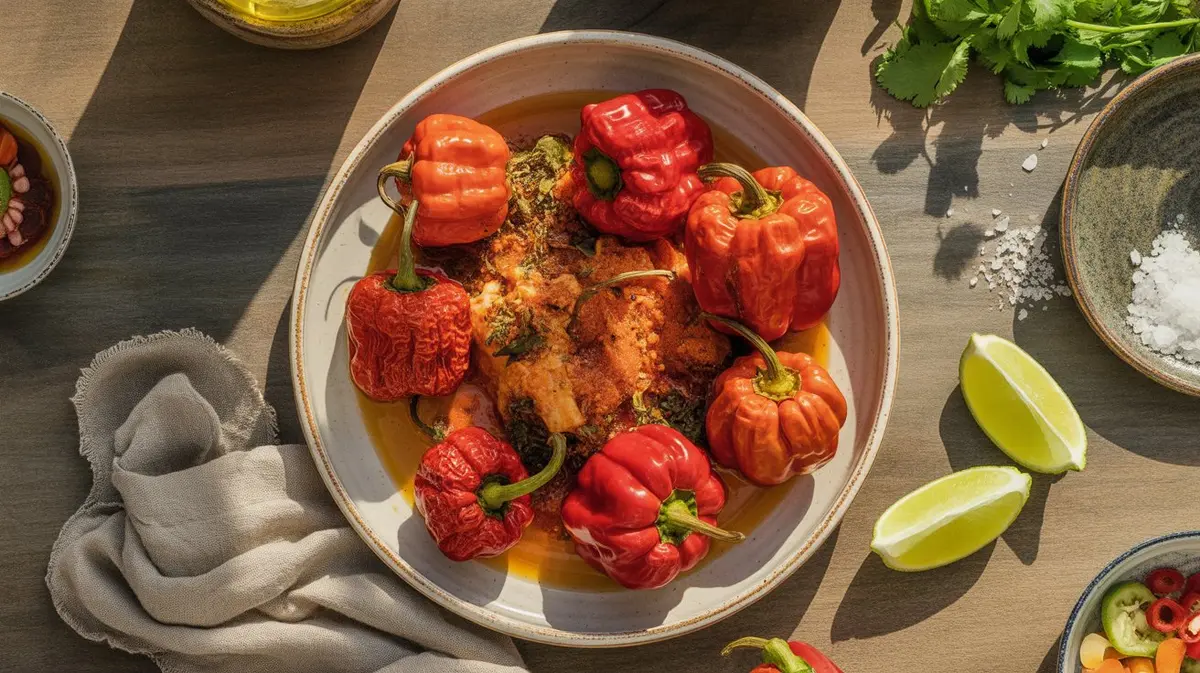
The fruity character shines best in fermented mashes and Caribbean-style sauces where the heat has time to integrate. If you're curious how similar wrinkled super-hots get used across different cuisines, the practical guidance on peppers in Chinese cooking offers useful technique even for non-Asian applications — the logic of balancing capsaicin with fat and acid transfers directly.
For raw applications — salsas, fresh sauces — consider pairing with mango or pineapple to echo the pepper's own tropical notes. Wear gloves. Seriously. The capsaicinoids in the skin and placenta will transfer to anything you touch.
Compared to the culinary applications of the similarly-ranged Trinidad-lineage workhorse in the 800K–1.3M SHU bracket, the Brain Strain's more pronounced fruitiness makes it slightly more flexible in sweet-heat condiments.
Drying and powdering is another popular route — a small pinch of Brain Strain powder adds both heat and a faint fruitiness to rubs and marinades.
Where to Buy 7 Pot Brain Strain & How to Store
Fresh 7 Pot Brain Strain pods are rarely found in grocery stores — look for them at farmers markets, specialty pepper vendors, or online retailers during late summer and fall. Seeds are more consistently available through specialty seed companies and pepper enthusiast communities year-round.
Store fresh pods in the refrigerator in a paper bag for up to 2 weeks. For longer storage, freeze whole pods — they retain heat and flavor well for 6–12 months. Dried pods keep in an airtight container away from light for up to a year.
Always handle with nitrile gloves and avoid touching your face.
Best 7 Pot Brain Strain Substitutes & Alternatives
Whether you ran out of 7 pot brain strain or just want to try something different, these peppers make solid stand-ins. We picked them based on heat range, flavor overlap, and how well they actually work in the same dishes.
Our top pick: Naga Viper (1.3M–1.4M SHU). Same species (C. chinense) and nearly the same heat, so it swaps in at a 1:1 ratio without changing the character of the dish. The flavor leans fruity and fierce, which is close enough that most people won’t notice the difference in a cooked recipe.
How to Grow 7 Pot Brain Strain Peppers
Growing the 7 Pot Brain Strain is a long-season commitment. Start seeds indoors 10–12 weeks before your last frost date — this pepper needs a head start that shorter-season varieties don't require.
Germination is reliable at soil temperatures between 80–85°F. A seedling heat mat is worth the investment; germination rates drop noticeably below 75°F. Once seedlings emerge, move them under strong light immediately — leggy seedlings from insufficient light will underperform all season.
Transplant outdoors only after nighttime temps stay consistently above 55°F. Brain Strains are sensitive to cold soil even when air temps seem fine. Space plants 18–24 inches apart and stake early — the plants get large and the pods are heavy.
Full sun is non-negotiable. These plants want 8+ hours of direct light daily. For soil, aim for well-draining loam with a pH around 6.0–6.8 and consistent moisture without waterlogging.
For a broader framework on starting from scratch, the seed-starting and full growing guide for peppers covers soil prep, lighting, and transplanting in detail.
Expect 90–120 days from transplant to first ripe pods. The cultivation characteristics of the similarly heat-ranged British-developed super-naga mirror Brain Strain's long season requirements — both reward growers who don't rush.
Frequently Asked Questions
-
The 7 Pot Brain Strain ranges from 1,000,000–1,350,000 SHU, while the Carolina Reaper averages around 1,641,183 SHU per official Guinness testing. That puts the Brain Strain at roughly 75–85% of Reaper intensity — still far beyond what most people can handle comfortably.
-
There's a genuine fruity, tropical quality in the first moment — mango and citrus notes that are characteristic of C. chinense genetics. The heat arrives within seconds and quickly overwhelms those flavor notes, but the fruitiness does come through in fermented sauces and hot sauce blends where capsaicin is diluted.
-
Expect 90–120 days from transplant to first ripe pods, making it one of the longer-season super-hots. Starting seeds indoors 10–12 weeks before last frost is essential — outdoor direct sowing simply doesn't give the plant enough time in most US climates.
-
It's among the hotter members of the 7 Pot family. Compare it to the sensory experience of the 7 Pot Primo's extreme resinous burn and elongated tail, which can push slightly higher at 1,469,000 SHU at its peak. The Brain Strain's distinction is its texture and fruit-forward profile rather than raw SHU supremacy.
-
It's usable but demands serious dilution — a quarter of one pod can heat an entire pot of chili to the edge of tolerance. The fruity flavor does contribute meaningfully to hot sauces and fermented mashes when blended with lower-heat peppers or acidic bases like vinegar and citrus.
- Chile Pepper Institute - Capsicum Species Information
- USDA Plant Database - Capsicum chinense
- New Mexico State University Extension - Growing Chile Peppers
- Scoville Scale Reference - American Spice Trade Association
Species classification: C. chinense — based on published botanical taxonomy.