7 Pot Barrackpore

The 7 Pot Barrackpore is a Trinidadian super-hot registering 800,000-1,300,000 SHU - roughly 260 times hotter than a jalapeño. Named after the Barrackpore region of Trinidad, this wrinkled C. chinense variety delivers surprising fruity and floral aromatics before its scorching heat takes hold. It sits firmly in the super-hot tier alongside some of the world's most extreme peppers.
- Species: C. chinense
- Heat tier: Super-Hot (1M+ SHU)
- Comparison: 260x hotter than a jalapeño
What is 7 Pot Barrackpore?
Crack open a 7 Pot Barrackpore and the first thing you notice is the aroma - bright, tropical, with a floral edge that smells almost like passion fruit mixed with something vaguely citrusy. That scent is not a bluff, either; the flavor genuinely delivers those fruity notes in the first half-second before the 800,000-1,300,000 SHU heat erases everything else.
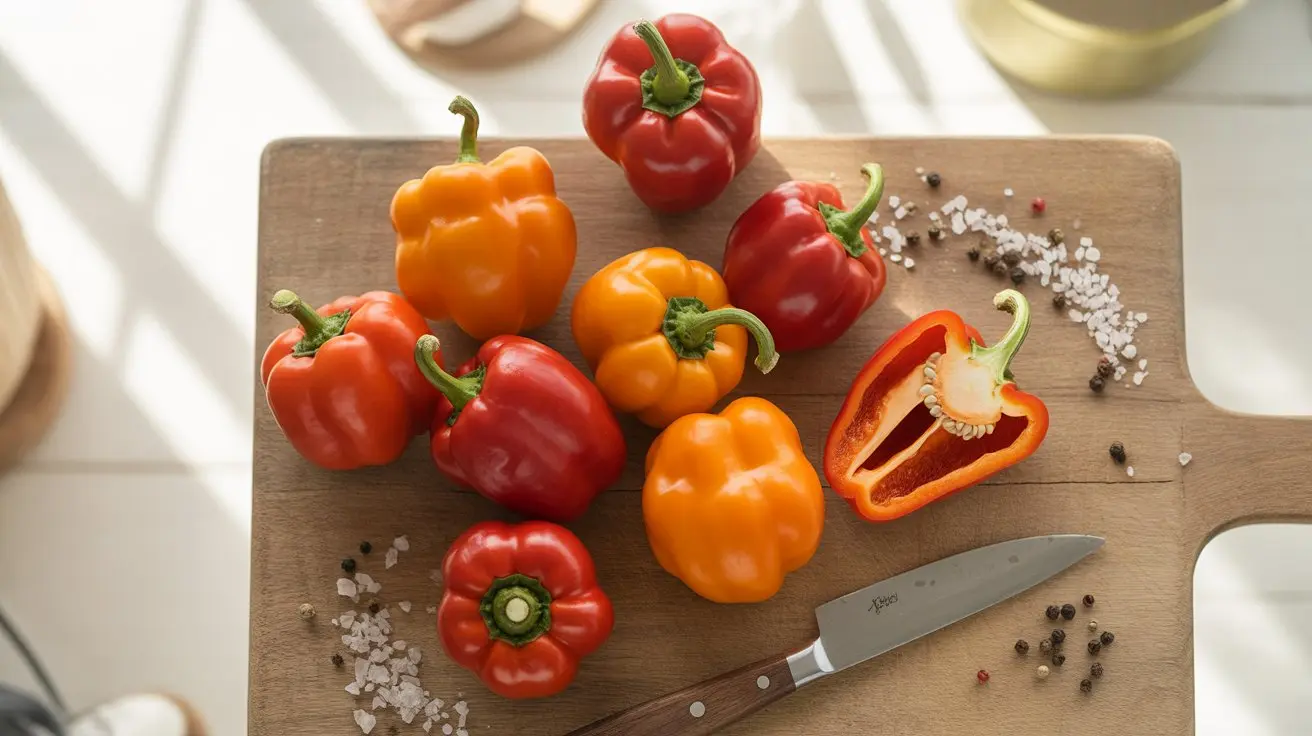
The pods are unmistakable. Heavy wrinkling across the skin gives them a brain-like texture, and they ripen from green through to a deep, glossy red. Size varies but typically runs 1-2 inches in diameter - compact for the amount of fire packed inside.
Heat-wise, the burn is slow to peak but builds relentlessly. Unlike some super-hots that hit immediately, the Barrackpore has a brief grace period where the fruit flavor registers, then the capsaicin wave arrives. It spreads across the entire palate and throat, lasting well past the point where most people wish it wouldn't.
For context, a Trinidad Scorpion runs around 1.2 million SHU at its upper range - the Barrackpore overlaps with that territory. This isn't a pepper for casual snacking. It belongs to the C. chinense botanical family alongside habaneros and ghost peppers, sharing their characteristic delayed-onset, full-body burn.
History & Origin of 7 Pot Barrackpore
Barrackpore is a town in southern Trinidad, and the pepper carrying its name has been cultivated there for generations as part of the island's deep chili-growing tradition. Trinidad's hot pepper culture traces back centuries, shaped by African, Indian, and indigenous Caribbean influences that all prized intensely hot local varieties.
The 7 Pot name is a Trinidadian expression - one pod reputedly hot enough to season seven pots of stew. The Barrackpore is one of several distinct 7 Pot phenotypes that emerged from this region, alongside others like the wrinkled, brain-textured variety prized for hot sauces.
Western chiliheads began documenting and stabilizing the Barrackpore strain in the early 2010s as interest in super-hots expanded beyond the Caribbean. Today it remains one of the more respected landrace varieties within the broader Trinidad pepper tradition, valued for flavor complexity that many newer hybrid super-hots lack.
How Hot is 7 Pot Barrackpore? Heat Level & Flavor
The 7 Pot Barrackpore delivers 800K–1.3M Scoville Heat Units, placing it in the Super-Hot tier (1M+ SHU). That makes it roughly 260x hotter than a jalapeño.
Flavor notes: fruity and floral.
7 Pot Barrackpore Nutrition Facts & Health Benefits
Like other C. chinense super-hots, the 7 Pot Barrackpore is nutritionally dense relative to its small size. Fresh pods are rich in vitamin C - often exceeding 100% of the daily value per 100g serving - and contain meaningful amounts of vitamin A from carotenoids that develop during ripening.
Capsaicin, the compound responsible for the intense heat, has been studied for how it interacts with pain receptors and potential metabolic effects. The pods also provide potassium, vitamin B6, and dietary fiber. Calorie content is negligible - roughly 40 calories per 100g - making the main nutritional impact the micronutrient load, not energy.
Best Ways to Cook with 7 Pot Barrackpore Peppers
The Barrackpore's fruity-floral character makes it genuinely interesting in the kitchen, though the heat level demands respect and serious dilution.
Hot sauce is the primary application. The fruit notes hold up well through fermentation and cooking, contributing complexity that blends effectively with mango, pineapple, or tamarind. A small amount - sometimes a quarter pod per batch - goes a long way. Experienced makers often combine it with milder Caribbean peppers to stretch the flavor while controlling the fire.
Dried and powdered, the Barrackpore adds depth to dry rubs and spice blends. The floral aromatics partially survive the drying process, which isn't always true of super-hots. Start with 1/8 teaspoon per serving and adjust carefully.
For those interested in how heat-forward varieties perform in cooking applications, the Barrackpore competes well on flavor complexity. Pair it with fatty proteins - pork shoulder, duck - where the richness tempers the burn without masking the fruity top notes.
Always wear gloves when handling fresh pods. Capsaicin transfers readily to skin and eyes, and at this heat level, contact with eyes is a genuine medical concern.
Where to Buy 7 Pot Barrackpore & How to Store
Fresh Barrackpore pods are rarely found in mainstream grocery stores. Specialty hot pepper vendors, farmers markets in chili-enthusiast communities, and online retailers are the primary sources. Seeds are more accessible through specialty seed companies.
Fresh pods keep 1-2 weeks refrigerated in a paper bag or breathable container. For longer storage, freeze whole pods - they retain heat and most flavor compounds well. Dried pods or powder stored in an airtight container away from light will last 6-12 months without significant degradation.
When buying seeds, look for suppliers with documented Trinidadian lineage to ensure you're getting a true Barrackpore rather than a mislabeled 7 Pot variant.
Best 7 Pot Barrackpore Substitutes & Alternatives
Whether you ran out of 7 pot barrackpore or just want to try something different, these peppers make solid stand-ins. We picked them based on heat range, flavor overlap, and how well they actually work in the same dishes.
Our top pick: 7 Pot Brain Strain (1M–1.4M SHU). Same species (C. chinense) and nearly the same heat, so it swaps in at a 1:1 ratio without changing the character of the dish. The flavor leans fruity and intense, which is close enough that most people won’t notice the difference in a cooked recipe.
How to Grow 7 Pot Barrackpore Peppers
Growing the Barrackpore follows the same long-season pattern as most C. chinense varieties - patience is the main requirement. Start seeds 10-12 weeks before your last frost date. Germination benefits from consistent bottom heat around 85°F (29°C) and typically takes 2-3 weeks.
Transplant outdoors only after soil temperatures stabilize above 65°F. The plants are frost-sensitive and won't tolerate cold roots. Full sun is non-negotiable - aim for 8+ hours daily.
For those without garden space, the Barrackpore adapts reasonably well to containers; a practical container-growing approach works well with 5-gallon pots minimum. The root system needs room. Use a well-draining mix and fertilize with a phosphorus-heavy formula once flowering begins.
Days to maturity runs 90-120 days from transplant. Pods ripen from green to red, and heat intensity typically peaks at full red ripeness. The plants can reach 3-4 feet tall in good conditions.
For a full planting schedule, the pepper growing calendar covers timing across different climate zones. Compared to varieties known for vigorous growth in cooler conditions, the Barrackpore wants warmth - it's a true tropical.
Frequently Asked Questions
-
The Barrackpore ranges 800,000-1,300,000 SHU, putting it in the same tier as the upper-range Naga hybrids pushing 1.3-1.4 million SHU. It's significantly hotter than a habanero (100,000-350,000 SHU) but generally sits below the Carolina Reaper's peak measurements.
-
There's a genuine half-second window where the tropical, floral flavor registers before the heat takes over - experienced tasters can detect it clearly. In hot sauce applications where the pepper is diluted and blended with fruit, those notes become much more pronounced and usable.
-
The Barrackpore is considered a landrace variety with Trinidadian roots, generally showing more floral aromatics than some other 7 Pot types. Compared to varieties bred specifically for maximum culinary heat output, the Barrackpore is valued more for its flavor complexity alongside the extreme heat.
-
It's challenging but possible with 10-12 weeks of indoor seed starting and season-extension techniques like row covers. The peach-toned ghost scorpion types with similarly extreme heat face the same timing constraints - both need long, warm seasons to fully develop.
-
Nitrile gloves are essential - capsaicin at this concentration penetrates skin quickly and causes lasting irritation. Work in a ventilated area, as cutting fresh pods releases airborne capsaicin that can irritate eyes and airways.
- Chile Pepper Institute - C. chinense Species Overview
- Bosland, P.W. - Capsicum: A Comprehensive Bibliography (NMSU)
- The Scoville Scale - American Spice Trade Association Reference
- Baker Creek Heirloom Seeds - 7 Pot Varieties
Species classification: C. chinense — based on published botanical taxonomy.