What Can You Do With a Lot of Jalapeños Before They Soften?
Sort a surplus by condition first. Use the firmest jalapeños fresh, freeze sound overflow for cooked dishes, dry suitable pods until brittle, and use tested recipes for shelf-stable jars.
How Should You Sort a Large Jalapeño Harvest?
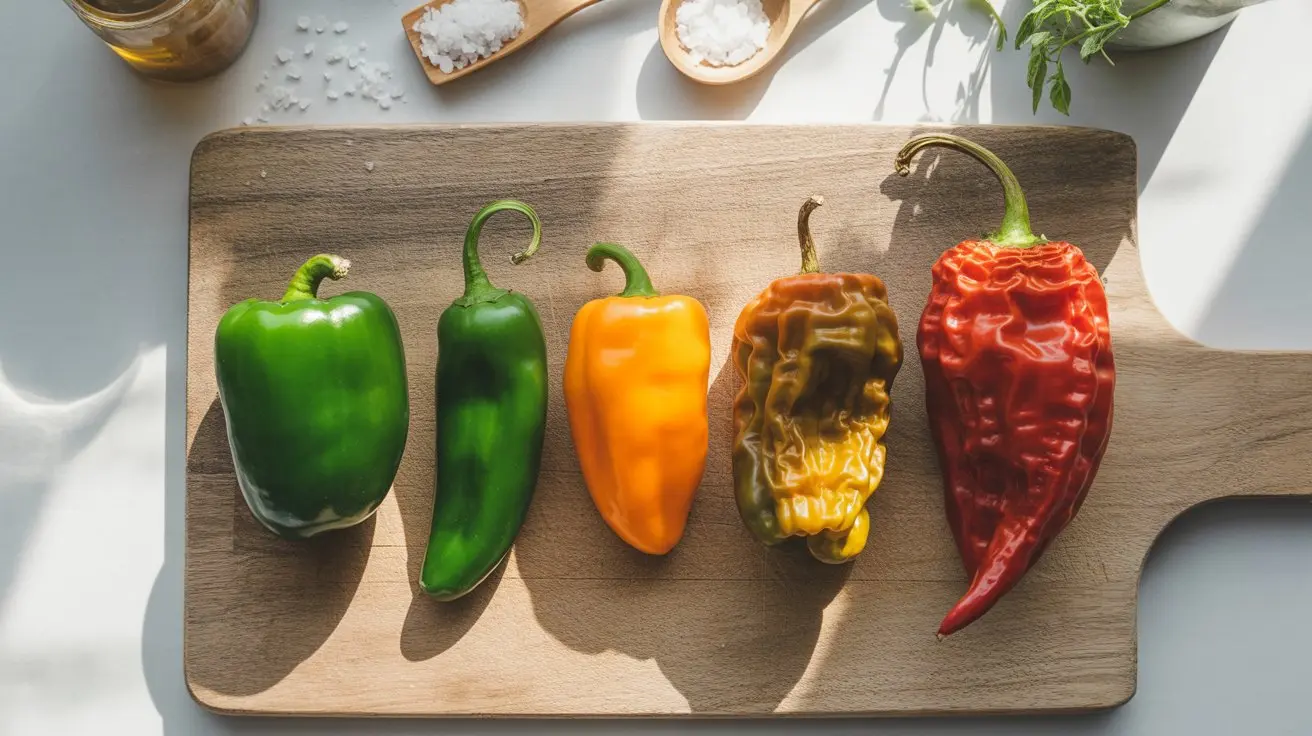
Sort the peppers before choosing recipes. Put firm, dry fruit in one group, ripe red fruit in another, and peppers with soft spots, wet splits, mold, or insect entry in a discard group.
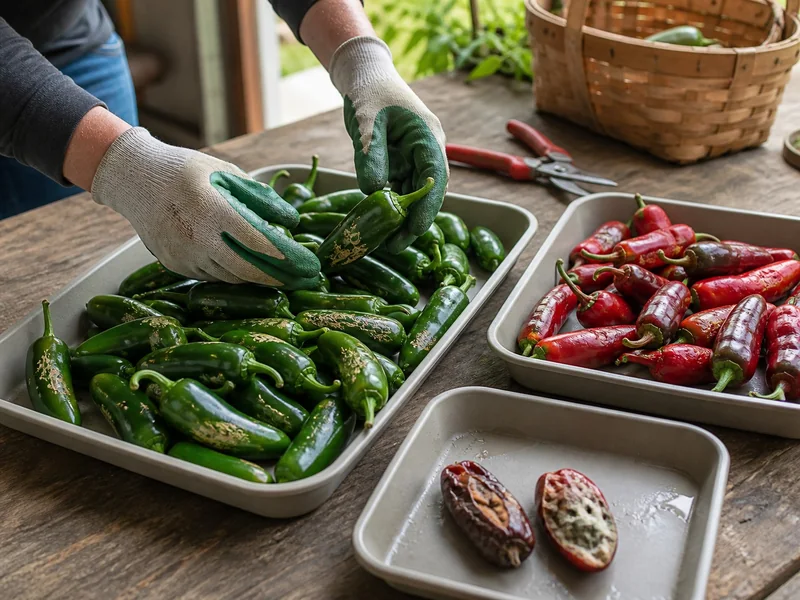
Shallow corking and a bent shape do not make a jalapeño unusable. Keep cosmetically marked but firm fruit for chopping, blending, freezing, or drying, where appearance has little value.
| Condition | Best first move | Reason |
|---|---|---|
| Firm, smooth, and green | Reserve for fresh slices, stuffing, or pickling | These uses benefit most from crisp walls |
| Firm with corking or an odd shape | Chop, blend, freeze, or dry | The mark or shape disappears in processing |
| Firm and red | Use for ripe sauce, drying, or smoking | The fruit has developed its mature color and flavor |
| Slightly wrinkled but dry and sound | Cook promptly | Texture is declining even if decay is absent |
| Wet, slimy, moldy, or deeply split | Discard | Preservation does not reverse spoilage |
Utah State University Extension gives fresh chiles a refrigerator window of about two to three weeks.
Treat that as a storage ceiling for sound fruit, not permission to hold a damaged pepper until the end of the period.
Keep the refrigerator group unwashed and wrapped in paper towels until you are ready to use it, as Utah State's jalapeño guide recommends. Wash peppers under running water before cutting or processing them.
Which Fresh Recipes Use the Most Jalapeños?
Use the firmest jalapeños first in dishes where their shape and crunch remain visible. Save irregular but sound peppers for blended or finely chopped preparations.
- Large, straight pods: halve them for poppers or another stuffed preparation.
- Firm rings: use them for pickles or candied jalapeños.
- Mixed sizes: chop them into salsa, relish, cornbread, beans, eggs, or a cooked sauce.
- Ripe red pods: blend them into a red sauce or reserve them for drying and smoke.
Poppers consume several similarly sized peppers while preserving their recognizable shape.
Salsa accepts mixed sizes, but a fresh batch has a short refrigerator life and should not become the default answer for an entire harvest unless it will be served soon.
A blended hot sauce can absorb a larger quantity and does not require perfect walls. The fruit still needs to be sound because cooking or fermentation cannot make moldy or decaying produce acceptable.
Choose one immediate recipe rather than preparing several half-sized projects. The remaining sound fruit can move into a preservation method that fits how you cook later.
Can You Freeze Jalapeños Whole or Chopped?
Jalapeños can be frozen whole, sliced, or diced without blanching.
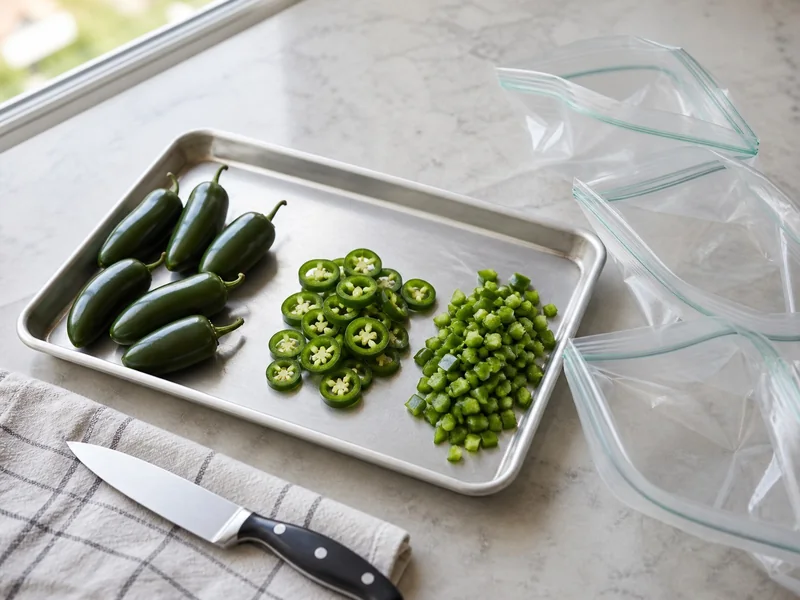
Utah State University Extension states that chiles need no pretreatment before freezing and should be held at 0°F (-18°C) or below.
Wash the freezer batch, dry it thoroughly, and remove the stems. Freeze whole pods in one layer before bagging when you want individual peppers, or portion chopped fruit according to the amount normally used in one cooked dish.
| Freezer form | Useful later for | Tradeoff |
|---|---|---|
| Whole pods | Roasting, sauce, soup, or later chopping | They take more space and still need preparation |
| Rings | Pizza, casseroles, nachos, or cooked toppings | They lose fresh crunch after thawing |
| Diced portions | Beans, eggs, chili, cornbread, and sauce | The future portion size must be chosen now |
| Roasted and chopped | Soup, queso, sauce, and braises | Roasting adds work before freezing |
Press excess air from freezer bags and label the form and date. Utah State reports that properly packaged frozen peppers held at 0°F or below maintain good quality for about a year.
Freezing breaks down crisp texture, so direct the frozen batch toward cooked food rather than fresh pico de gallo or crunchy garnish.
Add a frozen portion directly to a hot pan or simmering dish when the recipe permits.
Should You Pickle, Ferment, or Can Them?
Pickling, fermentation, and canning solve different problems.
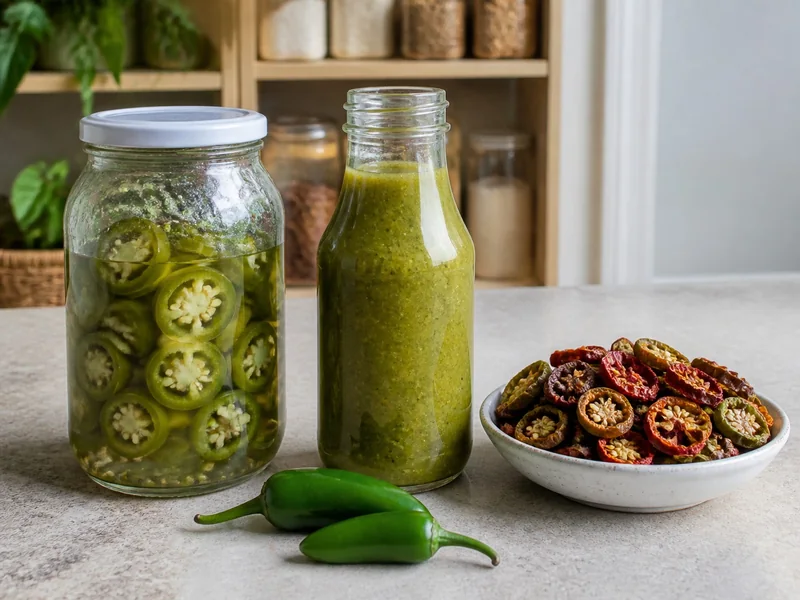
A refrigerator pickle creates a crisp acidic condiment, a fermented batch develops lactic tang for sauce, and a tested canning process creates sealed shelf-stable jars.
| Method | Choose it when | Authority boundary |
|---|---|---|
| Refrigerator pickle | You want rings for near-term meals | Keep the finished product refrigerated |
| Fermented sauce | You want a tangy blended condiment | Follow a complete fermentation recipe and its storage instructions |
| Canned pickled rings | You have canning equipment and want sealed pints | Use a research-tested acid ratio and altitude-adjusted process |
| Canned salsa | You want a tomato-pepper pantry product | Use a tested salsa formula without changing vegetable or acid proportions |
The National Center for Home Food Preservation's tested pickled-jalapeño-ring process starts with three pounds of peppers and yields about six pint jars. It specifies 5% cider vinegar, preparation steps, headspace, and processing times that change with elevation.
NCHFP's Choice Salsa allows sweet or hot peppers, but it requires commercially bottled lemon or lime juice and fixed proportions of tomatoes, vegetables, and acid. Adding more jalapeños to use up the harvest changes that tested balance.
A jar is not shelf stable merely because its lid closes.
Keep refrigerator preparations cold, and use the complete tested process whenever room-temperature storage is the goal.
Can You Dry Green and Red Jalapeños?
Both green and red jalapeños can become a compact dried ingredient, but every piece must finish fully dry. Utah State instructs home preservers to wash chiles, slice them, and run the dehydrator until the pieces are brittle.
Jalapeños have thick walls, so slices expose more surface area than whole pods and make the drying endpoint easier to judge. Arrange one layer with airflow gaps instead of overlapping pieces.
Cool the brittle pieces before sealing them in an airtight container. Warm pieces can release residual heat and moisture into the package, while a leathery bend signals that drying is incomplete.
Keep dried rings whole when you want to inspect their condition during storage.
Grind only the amount needed for flakes or powder, and use ventilation because airborne capsaicin dust can irritate eyes and airways.
Drying fits cooks who use jalapeños as seasoning and have limited freezer space. It is a poor choice when the future dish depends on the thick, fresh wall of the original pepper.
What Should You Do With Red Jalapeños?
A red jalapeño is ripe, not spoiled, when it remains firm and free of wet lesions or mold. Its developed flavor fits red sauce, drying, roasting, and smoking better than a recipe chosen mainly for crisp green texture.
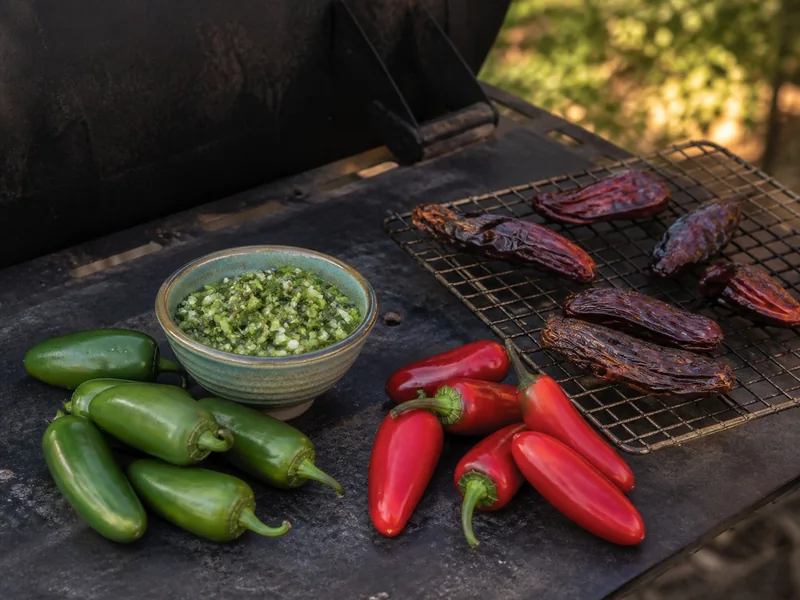
Smoking and drying ripe jalapeños produces the chile known as chipotle. That path turns a bulky fresh harvest into a concentrated ingredient, but it requires controlled smoke followed by complete drying rather than smoke alone.
Red color does not guarantee one exact heat level.
Genetics, fruit-to-fruit variation, maturity, and growing conditions affect pungency, so taste a small amount from the actual batch before committing many pods to one sauce.
Keep green and red fruit in separate labeled groups when their future uses differ. A mixed-color sauce can be intentional, but accidental mixing makes it harder to reproduce the same flavor later.
How Do You Divide the Batch Without Creating More Work?
Build the plan around available time, equipment, and future meals.
Pepper count alone cannot tell you whether a freezer bag, dehydrator tray, pickle jar, or dinner recipe will be the most useful result.
| Your constraint | Best starting path | Why it fits |
|---|---|---|
| Less than 30 minutes today | Sort, refrigerate the best fruit, and freeze the overflow | It prevents delay from becoming spoilage |
| You want crisp toppings | Use fresh fruit or make a refrigerator pickle | Freezing and drying cannot preserve fresh crunch |
| Freezer space is limited | Dry sound sliced fruit | Brittle pieces take far less space |
| You want sealed pantry jars | Choose one tested canning recipe | The equipment and safety steps are already defined |
| You will not use the whole harvest | Share sound fruit promptly | Another kitchen can use it while quality is high |
Work in this order.
Remove unusable fruit, set aside the next fresh meal, package the freezer portion, then start one pickle, ferment, dry, or canning project.
Label every stored batch with color, cut, preparation, and date. “Red roasted dice” is more useful six months later than a bag labeled only “peppers.”
Stop when every sound pepper has a named destination. Starting another recipe adds work without improving the plan if the freezer and refrigerator already hold forms you will actually use.
How Do You Keep Jalapeño Oil Off Your Skin and Eyes?
Wear rubber, latex, or nitrile gloves when cutting a large batch. Poison Control identifies capsaicin as an irritant to skin, eyes, the digestive tract, and airways, and longer preparation gives the residue more opportunities to spread.
Set up the workstation before the first cut. Place a waste bowl beside one dedicated board, open a window or use fresh air, and keep phones, cabinet handles, towels, and drink containers outside the pepper zone.
- During cutting: replace a torn glove and keep both hands away from your face.
- During grinding: use ventilation and let airborne powder settle before opening the grinder.
- After processing: wash the knife, board, grinder parts, counters, and hands before another task.
Remove contaminated gloves without touching their outer surface to bare skin. Do not assume a quick water rinse removed residue from tools or fingers.
Move away from the source if coughing, eye pain, or breathing irritation begins.
Poison Control advises immediate expert help for trouble breathing or chest discomfort, while eye exposure requires flushing with plenty of warm water for 15 minutes.
What Should You Avoid When Preserving Jalapeños?
Do not leave the full harvest on the counter while deciding.
Refrigerate the sound reserve promptly and remove any wet or decaying fruit before it can affect neighboring pods.
Do not wash peppers that are returning to refrigerator storage. Added surface moisture can shorten their useful condition, while the batch being processed should be washed immediately before cutting.
Do not overload the freezer with more warm produce than it can freeze quickly. Utah State gives a practical limit of roughly two to three pounds of food per cubic foot of freezer capacity during a 24-hour period.
Do not package leathery dried slices as finished pantry food. Return them to the dehydrator until they snap, then cool them before closing the container.
Do not alter a tested canning recipe to absorb extra peppers. Freeze the remainder or choose another verified batch instead of changing its acid, vegetable ratio, jar size, or processing time.
Wear gloves during a large cutting session and keep your hands away from your face. Wash tools and work surfaces before another person uses them, especially after handling ripe or unusually hot fruit.
What Can You Do With a Lot of Jalapeños Before They Soften? FAQ
- Utah State University Extension, How to Preserve Chiles
- Utah State University Extension, Fruit and Vegetable Guide Series: Jalapeno
- National Center for Home Food Preservation, Pickled Jalapeno Rings
- National Center for Home Food Preservation, Choice Salsa
- National Capital Poison Center, Capsaicin: When the Chili Is Too Hot