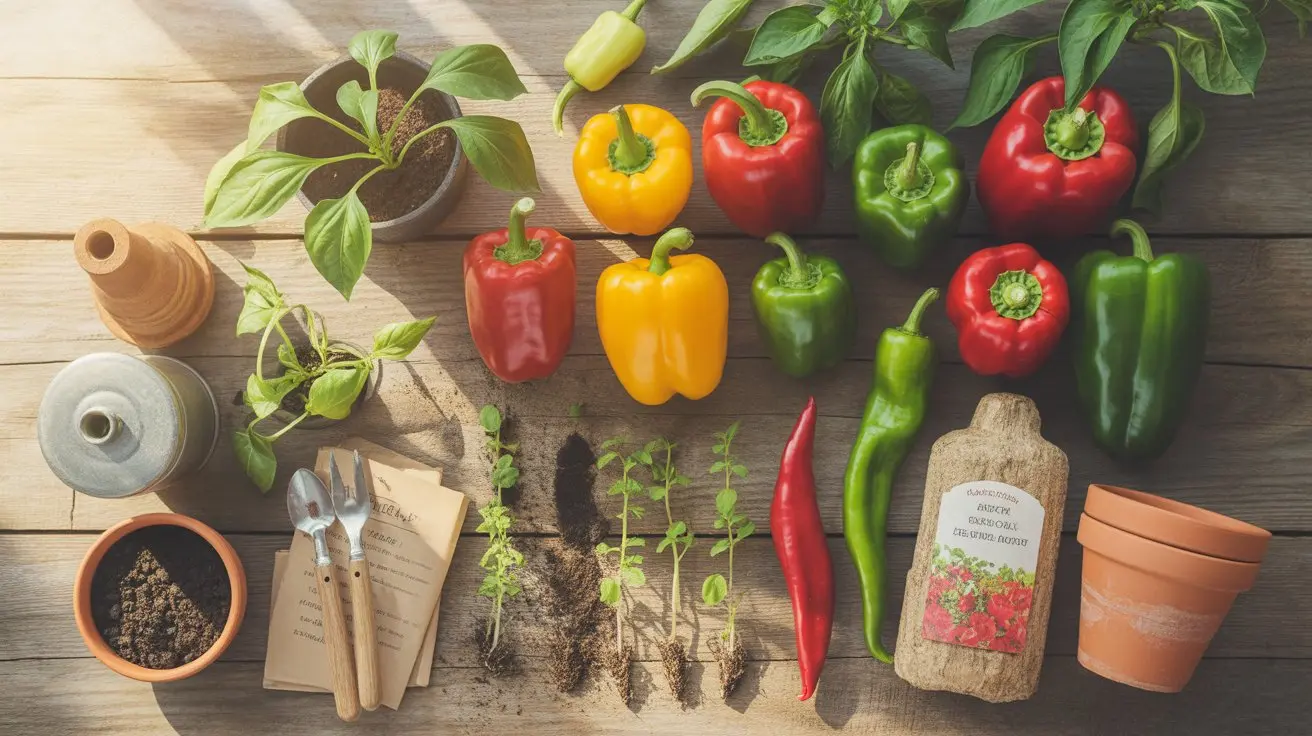
How to Grow Serrano Peppers
Serranos are prolific producers that thrive in warm gardens. Planting, watering, harvesting green vs red, and pest control. Find your perfect heat level.
The Real Challenge: Managing Heat and Fruit Set
Serrano peppers are not difficult to grow, but the part that trips up most gardeners is not germination or watering — it is understanding when and how to push the plant toward maximum fruit production without sacrificing pod quality.
Serranos are heavy feeders with a strong tendency to drop flowers when temperatures spike above 90°F or dip below 55°F at night. Get the temperature window right, and these plants will reward you with dozens of pods per season.
The heat range of a mature serrano sits between 10,000 and 23,000 SHU, placing them firmly in the hot pepper intensity range — hotter than a jalapeño but accessible enough for everyday cooking. That heat comes from capsaicin compounds concentrated in the placental tissue; the chemistry behind capsaicin receptor binding explains why serranos hit faster and sharper than their SHU neighbors.
These are Capsicum annuum plants, the same species as bell peppers and jalapeños, which means they share growing requirements with half the peppers in your garden. That is genuinely useful when you are planning bed space.
Serrano Origins and Why They Grow the Way They Do
Serranos come from the mountainous sierra regions of Hidalgo and Puebla in Mexico — which is where the name originates. The deep roots of Mexican pepper culture shaped this variety into something adapted to warm days, cool nights, and well-drained hillside soils.
That origin matters practically. Serranos prefer a pH of 6.0 to 6.8 and do not tolerate waterlogged roots. Their native terrain was never flat and boggy. Build your beds accordingly.
Compared to something like the ornamental yet fiery Bolivian Rainbow, serranos are a workhorse variety — less visually dramatic but consistently productive and far easier to source as transplants or seeds.
Starting Seeds: Timing and Germination
Start seeds indoors 8 to 10 weeks before your last frost date. In most of the continental US, that means late February through mid-March.
Serrano seeds germinate best at soil temperatures between 80°F and 85°F. A seedling heat mat is not optional here — without bottom heat, germination slows to 21+ days and rates drop significantly. With consistent heat, expect sprouts in 7 to 14 days.
Sow seeds 1/4 inch deep in a well-draining seed-starting mix. Peat-free mixes based on coir and perlite work well and hold moisture without compacting. Plant 2 seeds per cell and thin to the stronger seedling once both have true leaves.
Humidity domes help during germination but should come off once seedlings emerge to prevent damping off. Keep lights 2 to 3 inches above the tops of seedlings if using fluorescent or LED grow lights.
For a deeper look at the full seed-to-transplant process, the complete pepper germination and transplant guide covers soil mixes, light requirements, and hardening off in detail.
Transplanting and Spacing
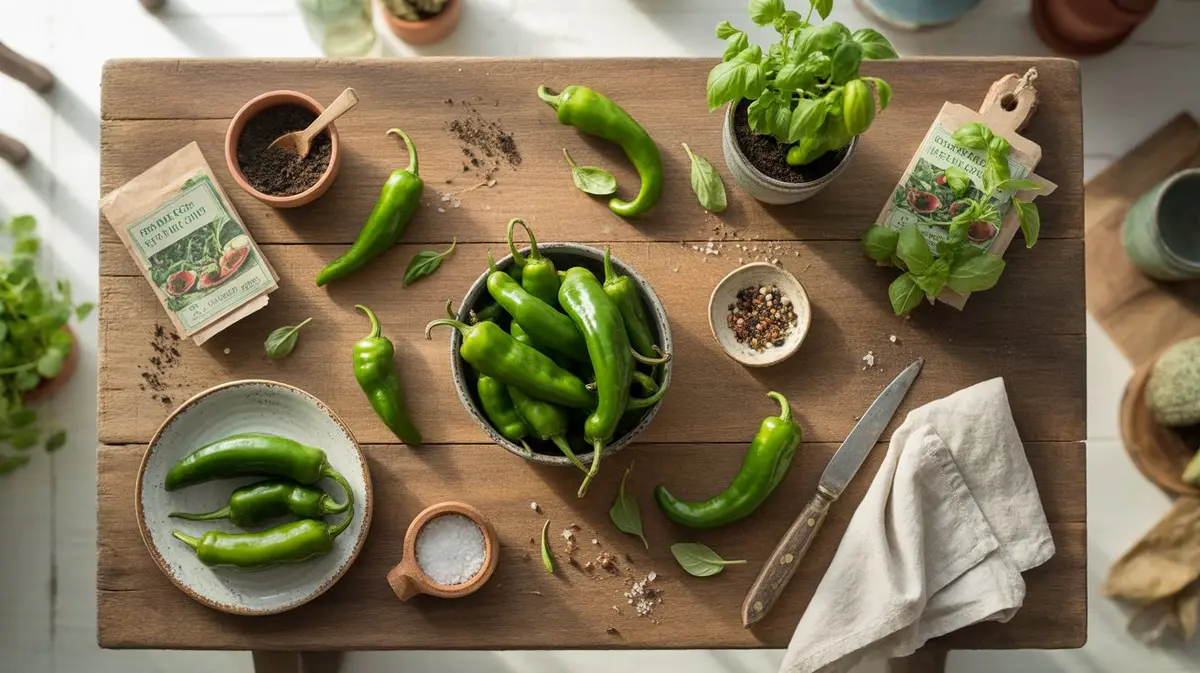
Transplant outdoors after all frost risk has passed and nighttime temperatures are consistently above 55°F. Serranos are not cold-tolerant — a single cold night below 50°F can stunt growth by weeks.
Harden off transplants over 7 to 10 days by gradually increasing outdoor exposure. Start with 2 hours in a sheltered spot and work up to full sun. Skipping this step causes leaf scorch and transplant shock that sets back your harvest by 3 to 4 weeks.
Space plants 18 to 24 inches apart in rows 24 to 36 inches wide. Serranos grow 18 to 36 inches tall and branch heavily once they hit their stride. Crowding restricts airflow and invites fungal problems.
In containers, use a minimum 5-gallon pot per plant. Fabric pots work particularly well because they prevent root circling and improve drainage — two things serrano roots appreciate.
Soil, Fertilizing, and Watering
Serranos perform best in loose, fertile, well-drained soil with plenty of organic matter. Amend heavy clay soils with compost and perlite before planting. Raised beds give you complete control over drainage, which is worth the setup effort.
Fertilizing strategy matters more than most growers realize. Use a balanced fertilizer like 10-10-10 at transplant, then switch to a low-nitrogen, higher-phosphorus formula once flowering begins. Excess nitrogen after flowering pushes vegetative growth at the expense of fruit set.
Calcium deficiency causes blossom end rot in serranos, especially in containers. If your soil pH is correct but you are still seeing soft, dark spots on the bottom of pods, a calcium foliar spray or soil drench usually resolves it within two weeks.
Water deeply and infrequently — roughly 1 to 1.5 inches per week, adjusting for heat and rain. Let the top inch of soil dry between waterings. Consistent moisture matters more than frequency; irregular watering causes cracked pods and stresses the plant into dropping flowers.
Mulching around the base with 2 to 3 inches of straw or wood chips retains moisture, moderates soil temperature, and suppresses weeds. It also reduces soil splash onto lower leaves, which cuts down on fungal disease pressure.
Temperature, Sunlight, and Season Extension
Serranos need full sun — at least 6 hours daily, and 8 or more is better. In partial shade, plants grow tall and leggy, flower production drops, and pods take longer to mature.
The ideal growing temperature range is 70°F to 85°F during the day. Above 95°F, pollen becomes non-viable and flowers drop without setting fruit. This is the most common reason for a lush, healthy-looking plant that simply refuses to produce pods.
In short-season climates, row covers can extend your season by 2 to 3 weeks on each end. Serranos take 70 to 80 days from transplant to first green harvest, and closer to 90 to 100 days if you want fully red, ripe pods.
If you are growing in a region with a short summer, starting seeds earlier indoors and using a low tunnel or cold frame after transplanting gives you the buffer you need to reach a full red harvest.
Pests and Disease Management
Aphids are the most consistent pest problem on serranos. They colonize new growth and the undersides of leaves, secreting honeydew that leads to sooty mold. A strong spray of water knocks most colonies back; for persistent infestations, insecticidal soap works without harming beneficial insects.
Pepper weevils are a more serious threat in the southern US. Adult weevils puncture pods to lay eggs, and larvae destroy the pod from inside. Rotating pepper crops annually and removing debris at season end breaks the cycle.
Phytophthora root rot is the main fungal threat, especially in poorly drained soils or after heavy rain. Prevention is the only real strategy — once established, it is nearly impossible to eliminate. Raised beds, proper spacing, and avoiding overhead irrigation go a long way.
Bacterial leaf spot shows as water-soaked lesions that turn brown with yellow halos. Copper-based fungicides can slow spread, but infected plants should be removed if the problem is severe. Resistant varieties exist, though most commercial serrano seed is not specifically bred for it.
Green vs. Red: When to Harvest
This is where serrano growing gets interesting. Unlike many peppers, serranos are commonly harvested and used at both the green and red stages — and the flavor profile shifts noticeably between them.
Green serranos are firm, bright, and sharp with a clean vegetal heat. Red serranos are slightly sweeter, deeper in flavor, and marginally hotter as the capsaicin content increases during ripening. Most Mexican cooking uses green serranos; the red stage is less common commercially but excellent for drying and powder.
Harvest green pods when they reach 1.5 to 4 inches long and are firm to the touch. Use scissors or pruning snips rather than pulling — serrano stems are tough and pulling can snap branches or uproot shallow-rooted plants.
Regular harvesting is essential for continuous production. Leaving ripe pods on the plant signals it to slow down or stop flowering. Pick every 3 to 5 days during peak production and the plant will keep setting new flowers through the season.
For a side-by-side look at how serrano heat and flavor compares to similar varieties, the serrano and jalapeño key differences comparison breaks down the practical distinctions for cooking and growing.
Serrano Varieties Worth Growing
Standard serrano is widely available and reliable, but a few specialty types are worth seeking out. Serrano Tampiqueno is a popular commercial variety with consistent pod size and high yields. Serrano del Sol is a newer hybrid bred for improved disease resistance and earlier maturity — useful in shorter seasons.
If you want to explore the broader world of Mexican-origin hot peppers, the earthy, mild-to-medium chilaca is a fascinating contrast to serrano — same origin region, completely different culinary role.
The complex, chocolate-toned Holy Mole pepper is another Capsicum annuum worth growing alongside serranos if you have the bed space. They share similar care requirements but produce pods suited to completely different dishes.
For something ornamental and edible, the pungent, heart-shaped Hinkelhatz is an unusual heirloom that grows well in similar conditions to serranos and adds visual interest to the garden.
Storing and Preserving Your Harvest
Fresh serranos keep for 1 to 2 weeks in the refrigerator stored loose in a paper bag or breathable container. Avoid sealed plastic bags — trapped moisture accelerates mold.
Freezing is the easiest preservation method. Wash, dry, and freeze whole or sliced on a sheet tray before transferring to freezer bags. Frozen serranos lose some texture but retain heat and flavor well for up to 12 months.
Drying serranos at 135°F to 145°F in a food dehydrator produces a shelf-stable product in 8 to 12 hours depending on pod thickness. Dried serranos can be ground into powder or reconstituted in liquid for sauces.
Pickling is a traditional preservation method — serranos en escabeche are a staple of Mexican tables. A simple brine of white vinegar, water, salt, garlic, and carrots produces pickled serranos ready in 24 to 48 hours.
If you are interested in the full range of what serrano-level heat feels like compared to neighboring varieties, the fruity, medium-hot Inca Red Drop and the mild, bell-like Mexibell show just how wide the Capsicum annuum flavor spectrum runs.
The Scoville scale rating system used to classify serrano heat is explained in the pepper heat rating and testing tool — useful if you want to understand where your harvest falls relative to other varieties you grow.
Frequently Asked Questions
-
From transplant, serranos reach green harvest stage in 70 to 80 days. If you want fully red, ripe pods, plan for 90 to 100 days from transplant date.
-
Serranos range from 10,000 to 23,000 SHU, while jalapeños typically measure 2,500 to 8,000 SHU. That makes serranos roughly 3 to 5 times hotter depending on the specific pods.
-
The most common cause is temperature — pollen becomes non-viable above 95°F and flowers drop below 55°F at night. Inconsistent watering and excess nitrogen fertilizer after flowering also suppress fruit set.
-
Yes, serranos grow well in containers with a minimum 5-gallon volume per plant. Fabric pots work especially well because they improve drainage and prevent root circling, both of which serranos benefit from.
-
Both stages are usable. Green serranos have a sharper, more vegetal heat and are standard in most Mexican cooking. Red serranos are slightly sweeter and marginally hotter, and work well for drying and powder.