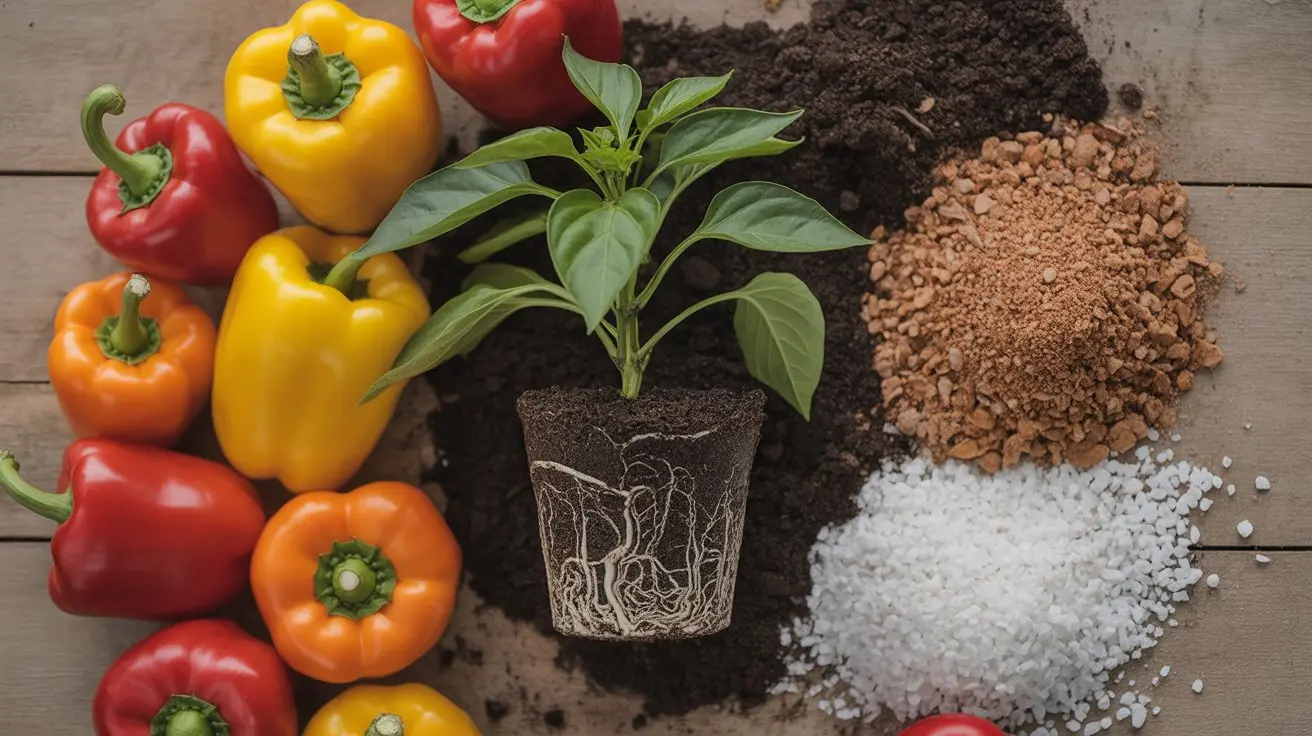
Best Soil for Growing Peppers
The ideal soil mix for pepper plants: pH range, drainage needs, organic amendments, and container vs ground differences. Find your perfect heat level.
Why Soil Is the Foundation of Every Pepper Harvest
Pepper plants are remarkably responsive to their growing medium. Get the soil right and they reward you with thick stems, abundant fruit, and heat that hits exactly where you expect it. Get it wrong and you'll spend the season troubleshooting yellowing leaves and stunted growth instead of harvesting.
This guide covers everything from pH targets to drainage amendments, with specific mixes for containers, raised beds, and in-ground planting — because the right soil for a sweet, snackable cherry pepper differs meaningfully from what you'd build for a ferociously hot 7 Pot White.
The pH Sweet Spot: What Peppers Actually Need
Peppers thrive in soil with a pH between 6.0 and 6.8. That slightly acidic range unlocks nutrient availability — particularly calcium, magnesium, and phosphorus — that peppers consume heavily during fruit set.
Outside that window, even heavily amended soil underperforms. At pH 7.5 or above, iron and manganese become chemically locked. Below 5.5, aluminum toxicity becomes a real concern. A $15 soil meter pays for itself in the first season.
To raise pH, work in agricultural lime at roughly 5 pounds per 100 square feet. To lower it, sulfur or acidic compost (pine bark, peat moss) does the job. Retest after 30 days — soil chemistry shifts slowly.
Drainage First: The Non-Negotiable Requirement
Peppers hate wet feet. Root rot from waterlogged soil is the single most common reason healthy-looking transplants collapse in early summer. Well-draining soil isn't optional — it's the baseline requirement before anything else matters.
The finger test works: squeeze a handful of moist soil. It should hold its shape briefly, then crumble when you poke it. If it stays compacted and slick, drainage is insufficient. If it falls apart immediately when squeezed, it's too sandy and won't retain moisture long enough between waterings.
Clay-heavy soils need structural amendment. Work in perlite at 20-25% by volume, or coarse sand (not play sand — the grains are too fine). Raised beds solve drainage problems elegantly by elevating the root zone above any compaction layer.
Building Your Base Mix: 5 Proven Combinations
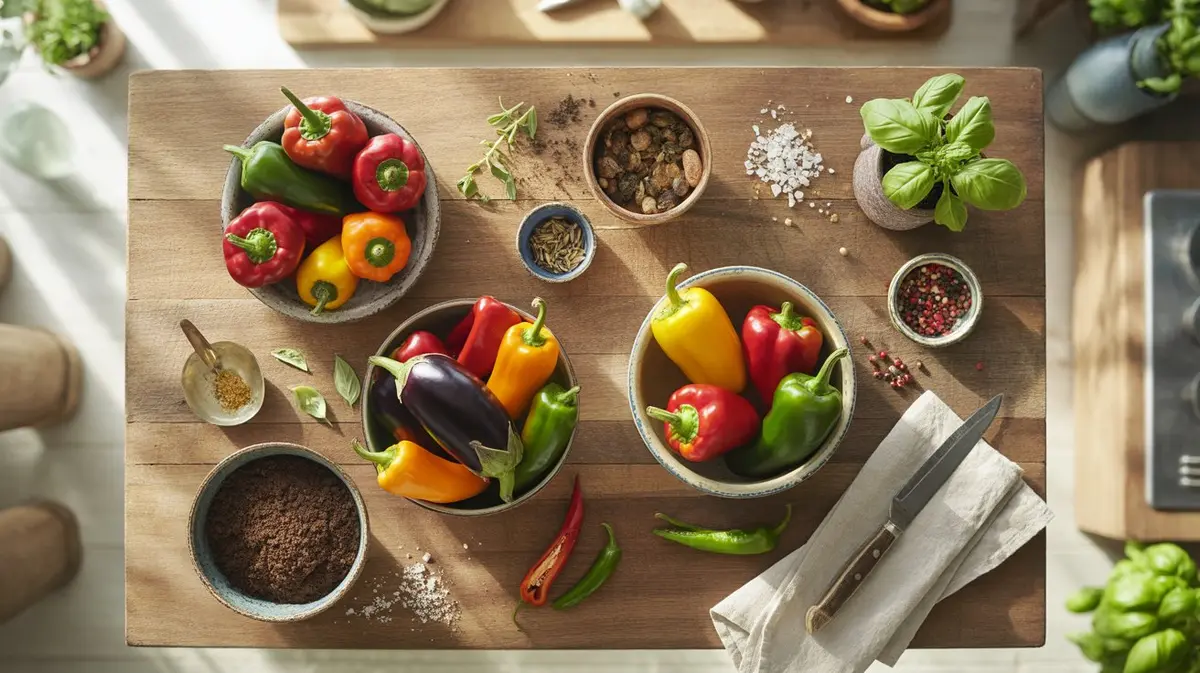
There's no single perfect soil recipe, but these five mixes consistently produce strong pepper plants across different growing situations.
Mix 1 — The All-Purpose Garden Bed: 60% quality topsoil, 20% aged compost, 15% perlite, 5% worm castings. This works for most Capsicum annuum varieties and is where most gardeners should start.
Mix 3 — Super-Hot Specialist: 55% topsoil, 25% perlite, 15% aged compost, 5% greensand. The lower organic content stresses plants just enough to push capsaicin production. Works well for extreme-heat ghost variants and other super-hot tier varieties where maximum pungency is the goal.
Mix 4 — Raised Bed Blend: 40% topsoil, 30% compost, 20% perlite, 10% aged bark fines. The bark fines improve long-term structure and prevent the compaction that plagues raised beds after a few seasons.
Mix 5 — Sandy Soil Improvement: If your native soil drains too fast, add 30% compost plus 10% vermiculite to slow moisture loss without sacrificing aeration. This is particularly useful in the Southeast and Southwest where sandy loam is common.
Organic Amendments That Actually Move the Needle
Amendments fall into two categories: structural (change soil texture) and nutritional (feed the plant). You need both, but they work on different timelines.
Aged compost does both — it loosens clay, improves water retention in sand, and releases nutrients slowly over the season. Fresh compost can burn roots; age it at least 90 days or buy commercial compost with a finished label.
Worm castings are expensive per pound but extraordinary in small doses. 10-15% castings by volume improves germination rates and early root development noticeably. For a 5-gallon container, that's about 2 cups — not a budget-breaking quantity.
Bone meal (for phosphorus) and kelp meal (for micronutrients and potassium) work well mixed into the planting hole rather than broadcast across the bed. Phosphorus moves slowly through soil, so placing it near the root zone matters.
For growers targeting extra-hot heat levels in varieties like Nagabon hybrids with their intense capsaicin load, slightly leaner soil — lower nitrogen, higher phosphorus — tends to push more capsaicinoid production than rich, lush mixes.
Container Growing: Different Rules Apply
Container soil faces stresses that ground soil doesn't. It heats faster, dries faster, and compacts under repeated watering. Regular garden soil in a pot becomes a brick by midsummer.
The minimum container size for most peppers is 3-5 gallons. Sweet varieties like the mild, frying-style sweet Italian pepper can manage in 3 gallons. Large fruited varieties and anything in the hot tier or above benefits from 5-7 gallons.
Drainage holes are non-negotiable. Elevating containers on pot feet improves air circulation under the base and prevents the drainage holes from sitting in standing water after rain.
Container mixes need refreshing annually. After one season, organic matter breaks down, perlite migrates to the bottom, and salt buildup from fertilizers accumulates. Either replace the mix entirely or amend heavily with fresh compost and perlite before replanting.
In-Ground Planting: Working With Native Soil
Few gardeners have ideal native soil. The goal isn't to replace what's there but to amend it into something peppers can work with.
Start with a soil test from your county extension office — usually $15-20 and far more accurate than home kits. Extension labs report pH, nitrogen, phosphorus, potassium, and often calcium and magnesium. That data tells you exactly what to add rather than guessing.
For clay soils, till in 4-6 inches of compost across the entire bed, not just the planting holes. Spot-amending creates a bathtub effect where roots hit the clay wall and circle back. Broad amendment encourages roots to spread.
Sandy soils need organic matter to slow water movement. Work in compost plus a layer of shredded leaves or straw as mulch. The mulch breaks down over the season, feeding soil biology and improving structure simultaneously.
For growers interested in the full picture of starting plants before they hit the garden, the complete germination and transplant walkthrough covers indoor seed starting through hardening off.
Fertilizing Through the Season
Soil amendments get plants established; fertilizer keeps them productive. Peppers have different nutritional needs at different growth stages.
During the vegetative phase — roughly the first 6-8 weeks after transplant — nitrogen drives leaf and stem growth. A balanced fertilizer like 10-10-10 or a fish emulsion every two weeks works well.
Once flowers appear, back off nitrogen. Too much nitrogen at this stage pushes leafy growth at the expense of fruit set. Switch to a low-nitrogen, higher-potassium formula — something like 5-10-10 — to support flower development and fruit fill.
Calcium deficiency shows up as blossom end rot, a condition where the bottom of the fruit collapses and turns dark. It's not always a soil calcium problem — it's often a watering consistency issue that prevents calcium uptake. Consistent moisture matters as much as soil chemistry here.
For elongated sweet varieties like the long, tapered corno di toro, consistent calcium availability through steady watering prevents blossom end rot that can affect their larger fruits.
Mulching and Soil Temperature
Pepper roots prefer soil temperatures above 65°F. Below that threshold, nutrient uptake slows even in perfectly amended soil. Mulch regulates both temperature and moisture.
Black plastic mulch warms soil fastest — useful in northern climates or for early-season planting. It's not the most sustainable option but it works. Straw or shredded leaves cool soil in hot climates while adding organic matter as they break down.
Apply mulch 2-3 inches deep but keep it a few inches away from the stem. Mulch piled against the stem traps moisture and invites rot and fungal issues at the crown.
Watering Practices That Protect Soil Structure
How you water affects soil structure over time. Overhead watering with high pressure compacts the soil surface, breaks down aggregates, and can splash soil-borne pathogens onto lower leaves.
Drip irrigation or soaker hoses deliver water directly to the root zone without disturbing surface structure. They also keep foliage dry, reducing fungal pressure — a real benefit for dense plantings.
The goal is consistent moisture, not constant moisture. Let the top inch of soil dry between waterings. Pepper plants signal mild stress with slight leaf curl in afternoon heat — that's normal. Sustained wilt that doesn't recover by morning indicates the soil is too dry.
For anyone curious about how soil conditions interact with pepper chemistry — specifically why stressed plants often produce hotter fruit — the receptor science behind why peppers burn explains the capsaicinoid pathway in accessible terms.
Common Soil Problems and How to Fix Them
Yellow leaves with green veins usually indicate iron or manganese deficiency from high pH. Test first, then lower pH with sulfur rather than applying more fertilizer.
Stunted growth despite good soil often traces to compaction. Use a soil probe or even a long screwdriver — if you can't push it 6 inches into moist soil without significant resistance, roots face the same barrier. Till in organic matter and perlite.
Fungus gnats in container soil signal overwatering and overly organic mixes. Let the top 2 inches dry completely between waterings. Topdressing with coarse sand discourages adults from laying eggs.
Salt buildup in containers shows as white crust on the soil surface or pot rim. Flush containers thoroughly every 4-6 weeks by watering until water runs freely from the drainage holes for several minutes, carrying accumulated salts with it.
Frequently Asked Questions
-
Peppers perform best in soil with a pH between 6.0 and 6.8. Outside this range, key nutrients like calcium and phosphorus become chemically unavailable even if they are present in the soil.
-
Garden soil compacts heavily in containers and drains poorly, which stresses pepper roots. Use a mix of quality potting mix, perlite, and compost instead — never straight garden soil in pots.
-
Yes. Leaner soil with lower nitrogen and slightly more phosphorus tends to increase capsaicin production in hot varieties. Rich, high-nitrogen soil produces lush plants but can reduce pungency in super-hots.
-
Refresh container soil every season. Organic matter breaks down, perlite migrates downward, and fertilizer salts accumulate over a growing year. Starting fresh or heavily amending before replanting keeps drainage and nutrition consistent.
-
Blossom end rot stems from calcium deficiency at the fruit, but the cause is usually inconsistent watering rather than low soil calcium. Irregular moisture prevents roots from absorbing calcium even when it is present in the soil.